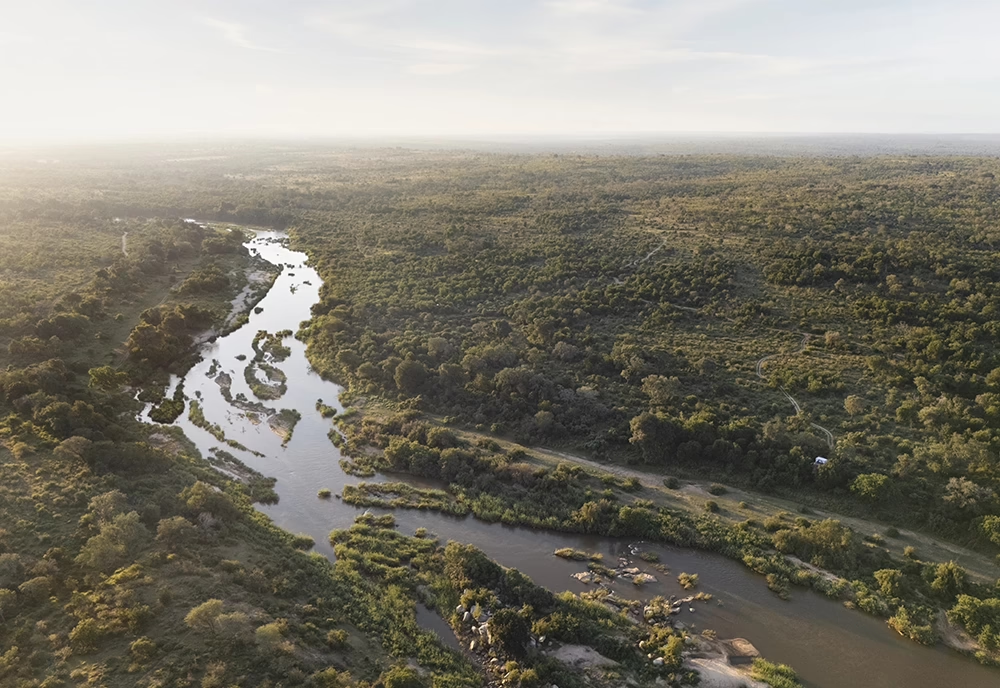
Kruger National Park is South Africa’s largest and most famous game reserve, and one of Africa’s oldest. Bordered by Zimbabwe to the north and Mozambique to the east, it stretches across nearly two million hectares (we told you it was big). It also has a (not-so) well-kept secret. Along its western border lies a handful of exclusive private reserves with mythical-sounding names like the Timbavati, Sabi Sand, and Thornybush (our favourites). There are no fences between them and the national park, and together they form a vast conservation area known as the Greater Kruger.
So what’s the difference? The wildlife moves freely across the whole area, but access to the private reserves is restricted to a very limited number of paying guests. That means no day visitors, fewer lodges and a lot more leopards, plus intimate safaris privately guided by some of Africa’s best. With unrivalled game densities and award-winning five-star lodges, it’s hands down the best place in South Africa to see the Big Five, and the most stylish way to do it.
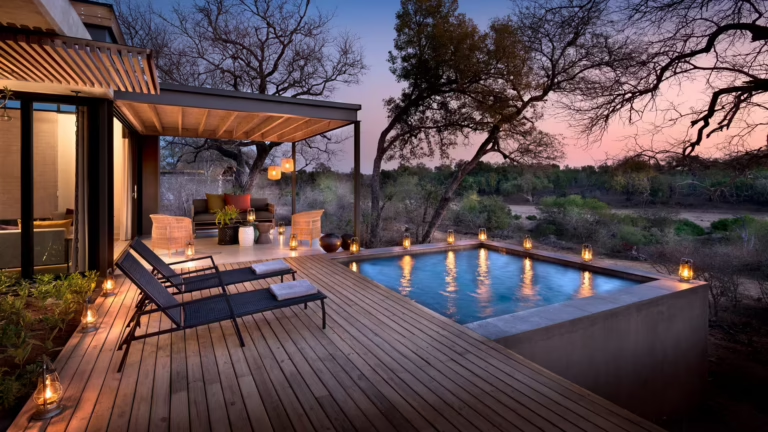
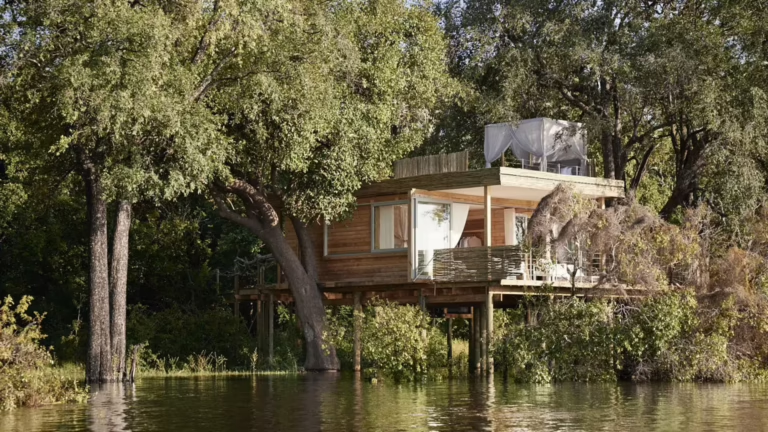
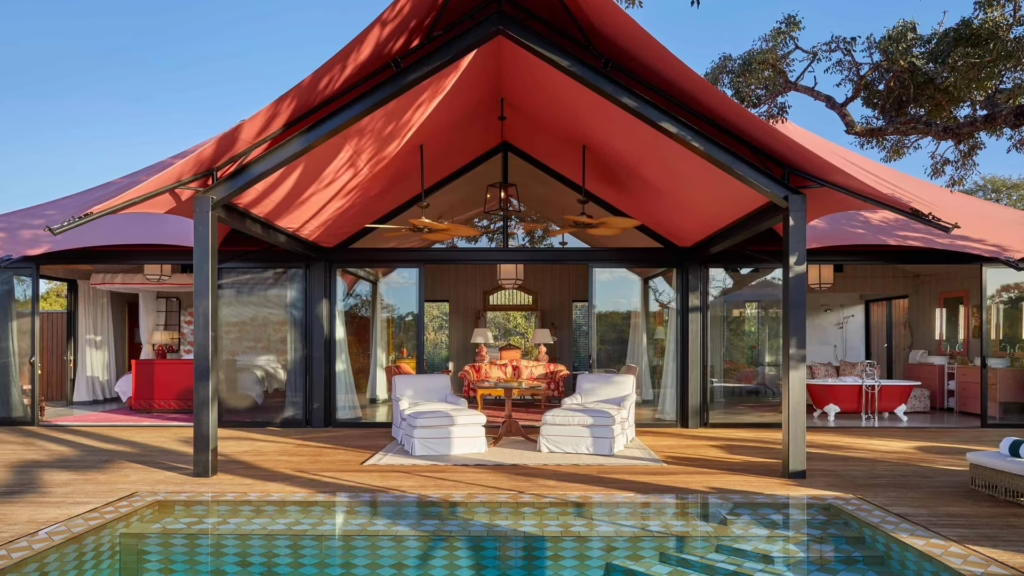
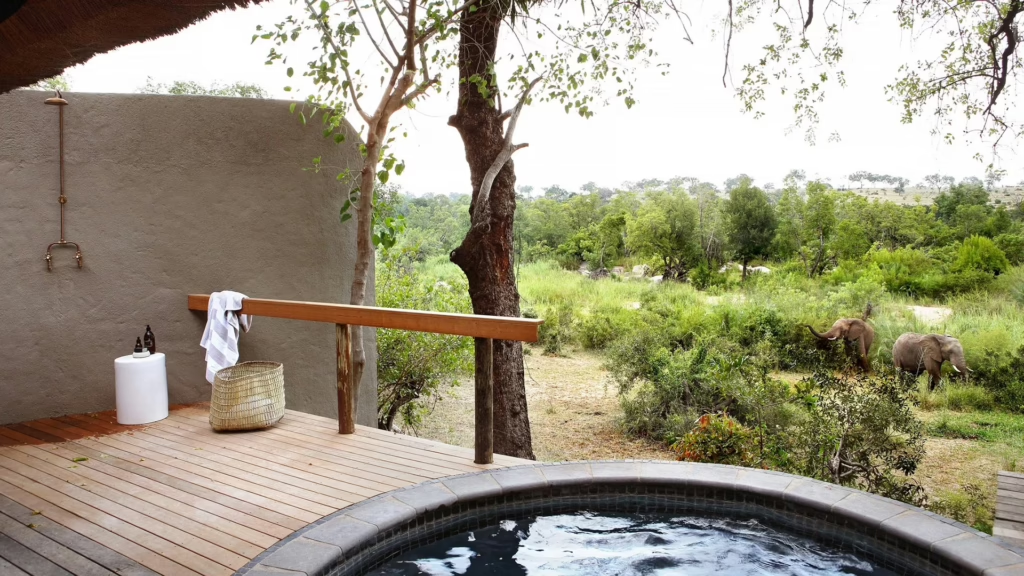
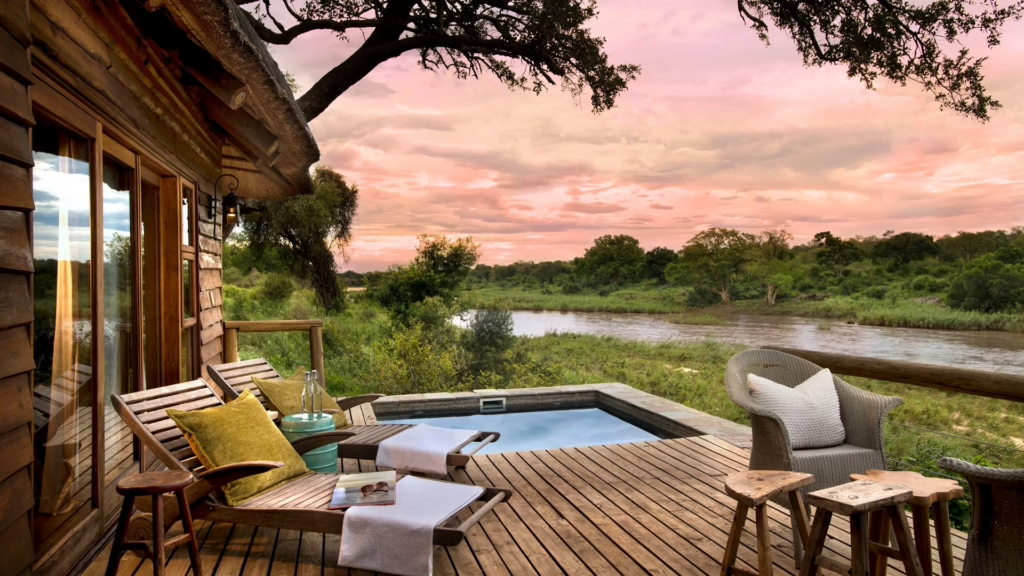
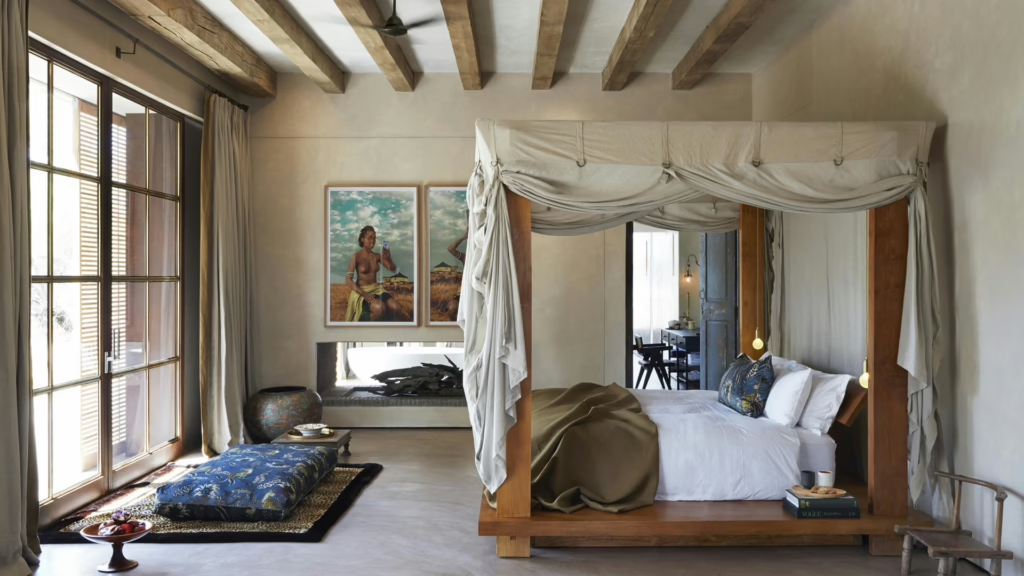
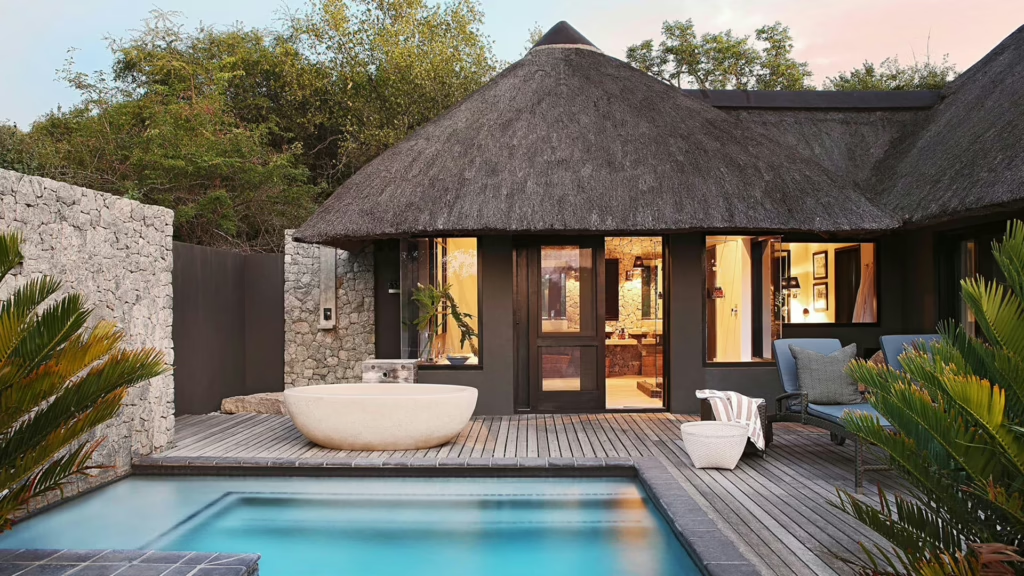
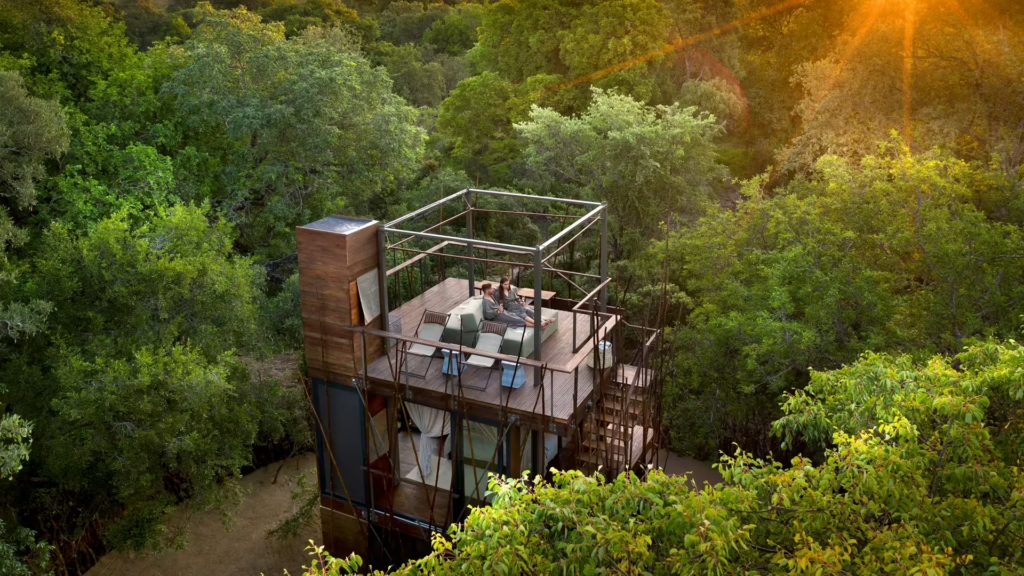
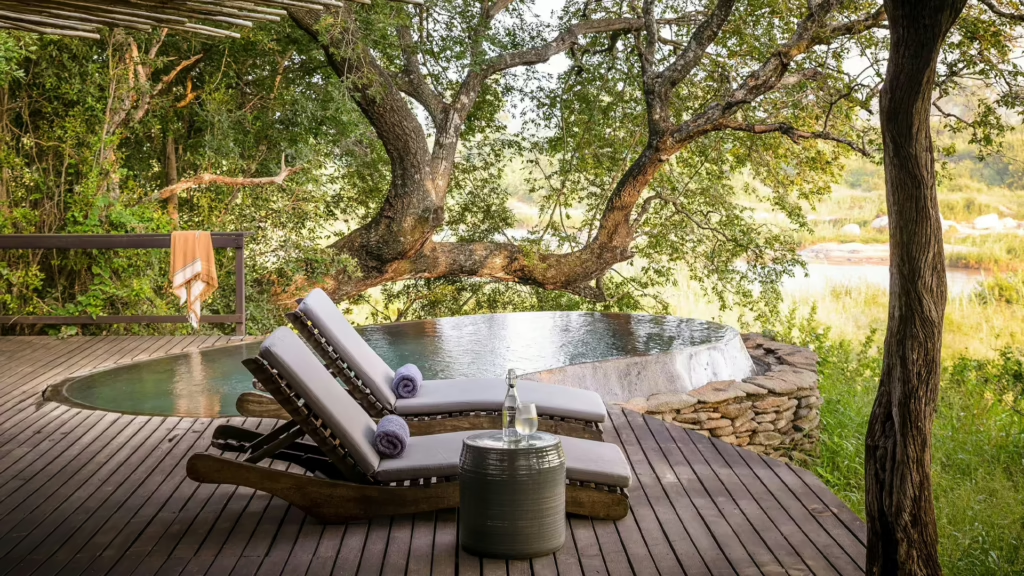
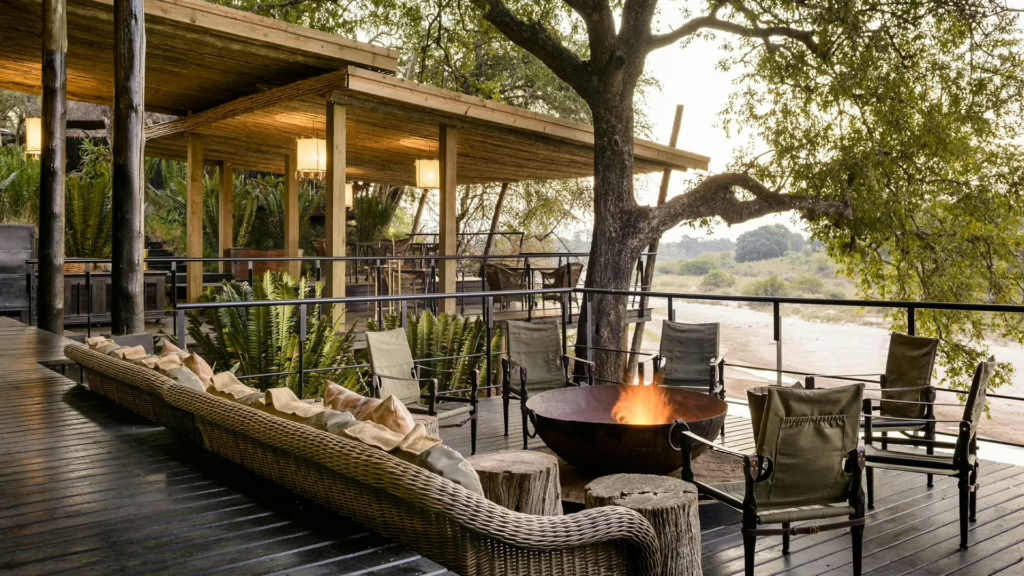
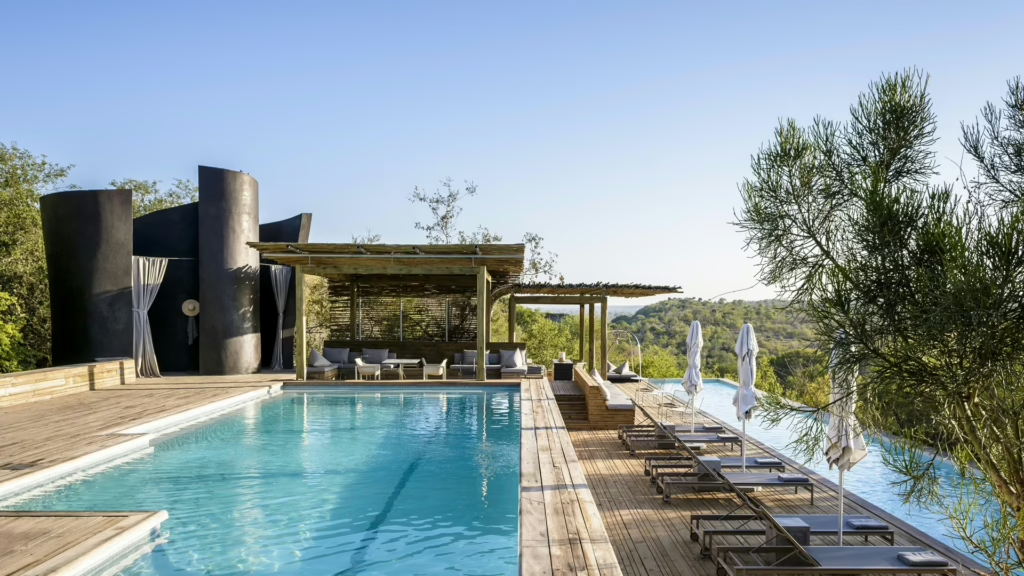
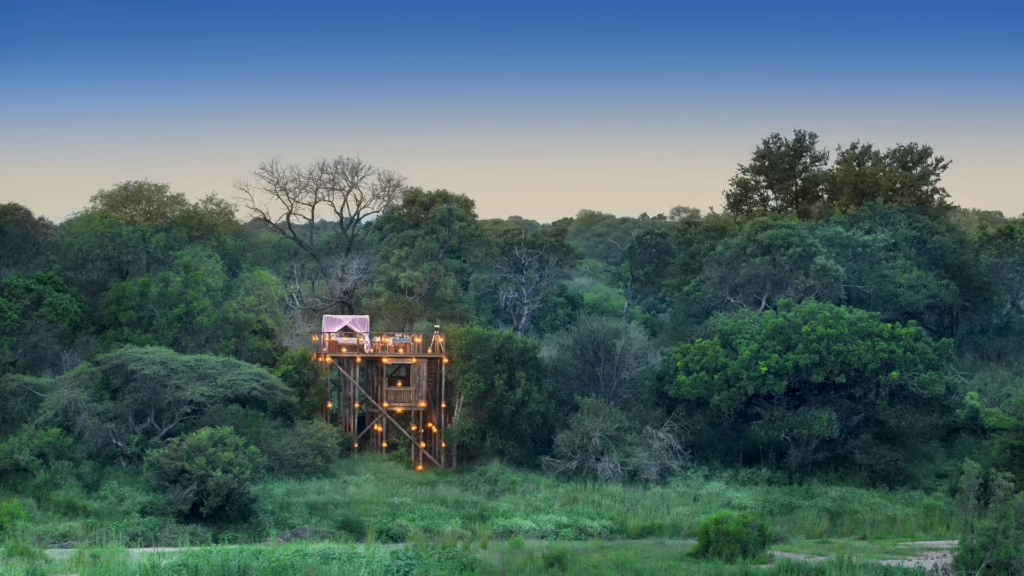
If elegant design, private plunge pools, romantic treehouses, fine wines and jaw-dropping safari experiences are what you seek, you’ve arrived. The Greater Kruger’s private reserves are a haven for photographic safaris, and discerning safari-goers are guaranteed serious bang for serious buck. (Your Instagram feed will never be the same again.)
Sabi Sand
The birthplace of modern luxury safaris, Sabi Sand offers up the ultimate African safari, stacked to the stars with leopards. Tucked away inside fence-free borders, many of the national park rules don’t apply here. Off-road driving and walking safaris get you closer to the action, without having to share the view with hundreds of other vehicles. This is what you’re paying for. It’s money very well spent.
Thornybush
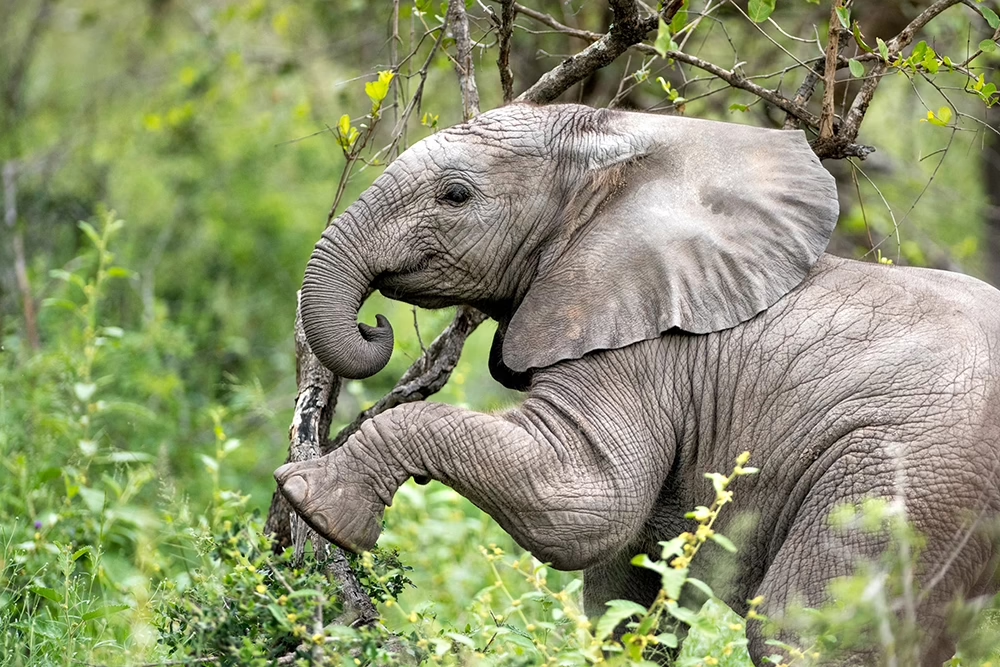
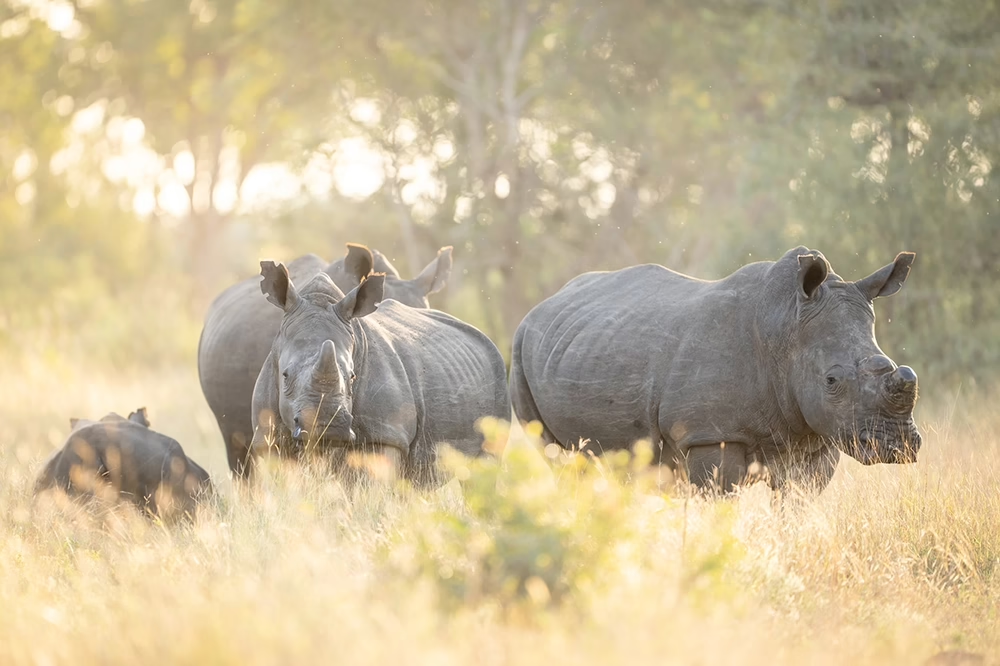
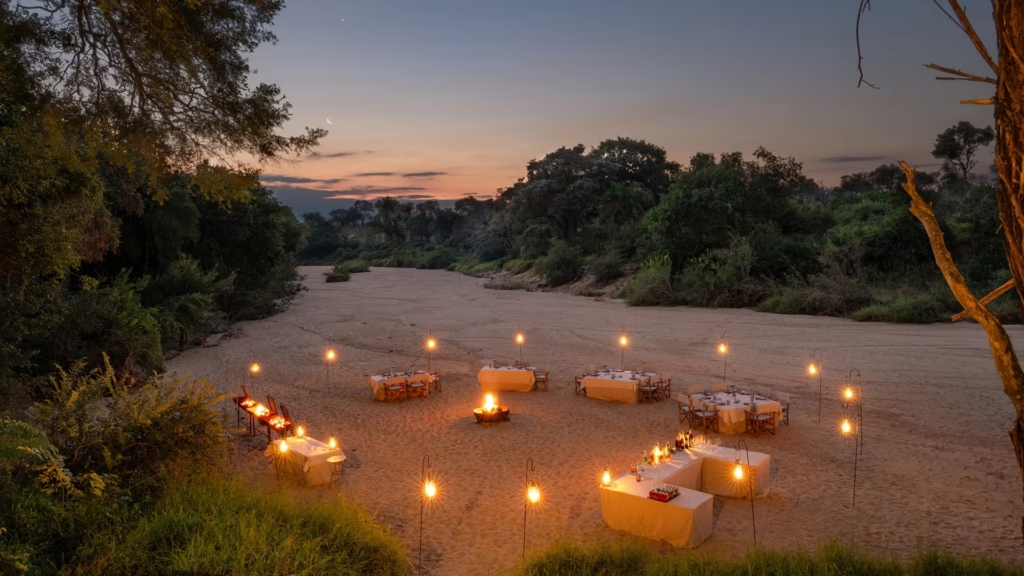
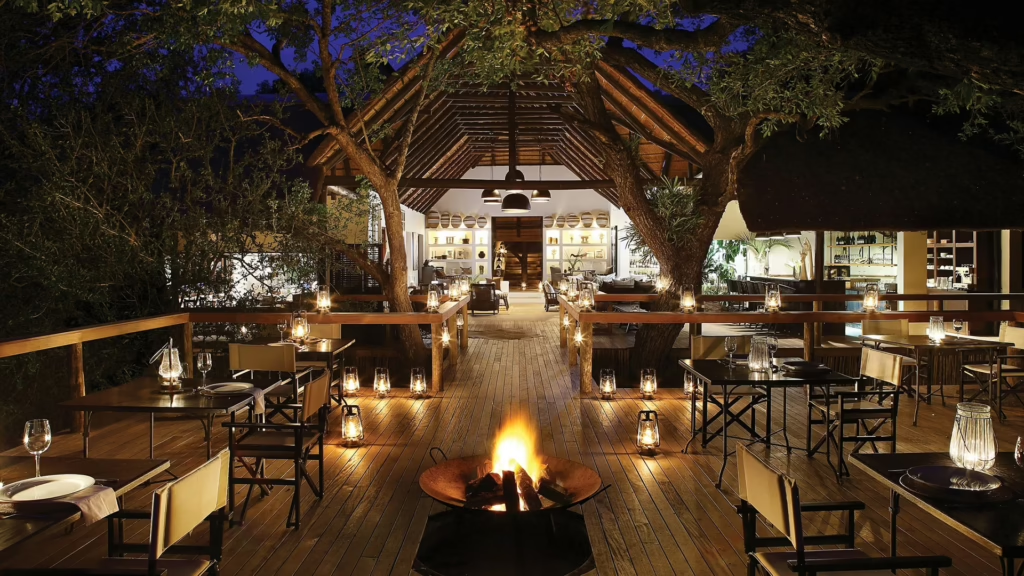
Just a little further north, Thornybush Private Game Reserve oozes an equal amount of safari charm. This world-famous reserve has it all: Lion, elephant, rhino, buffalo and leopard (You’ll know them as the Big Five). And you can track them down any way you like. This fence-free area has no set curfews, meaning nocturnal game viewing and bush dinners under the stars are firmly on the menu. In Thornybush, ‘the basics’ means fine wine, freestanding tubs, and front-row wildlife – making it the ideal corner of the Greater Kruger for those who want comfort without compromise.
Timbavati
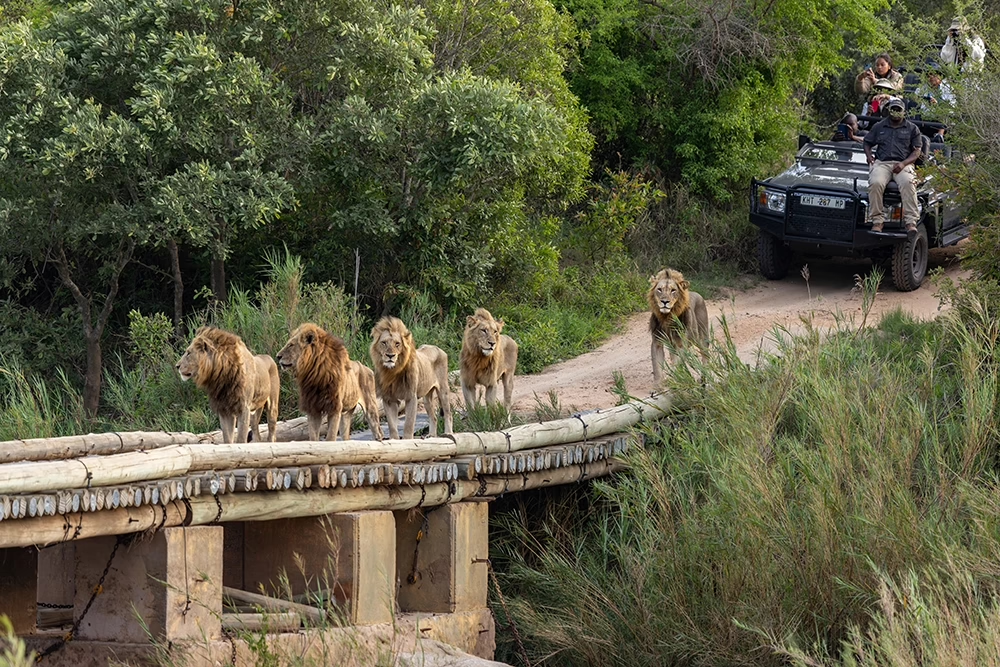
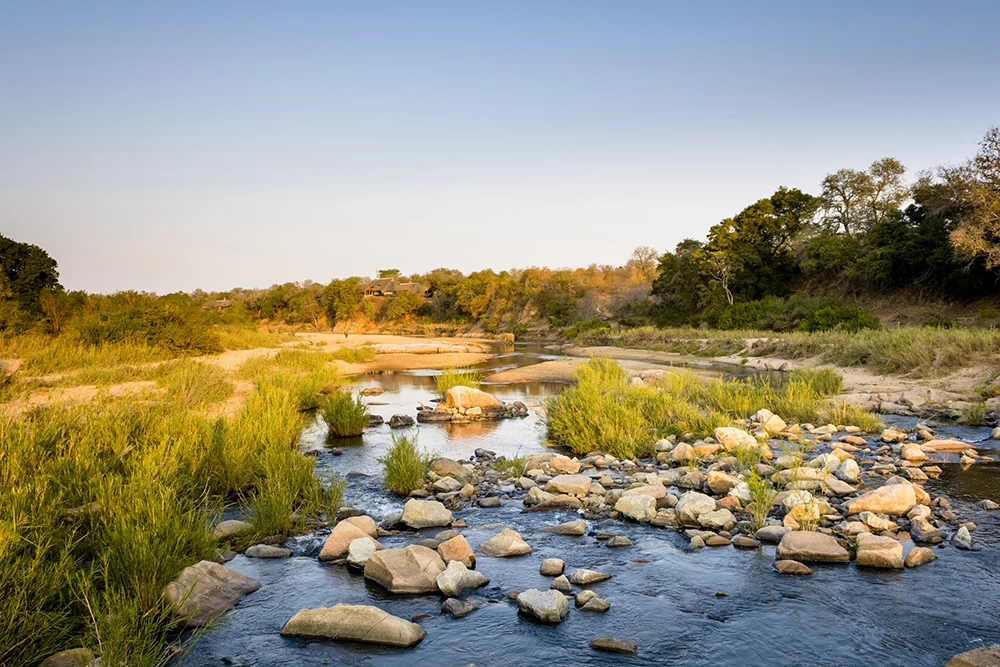
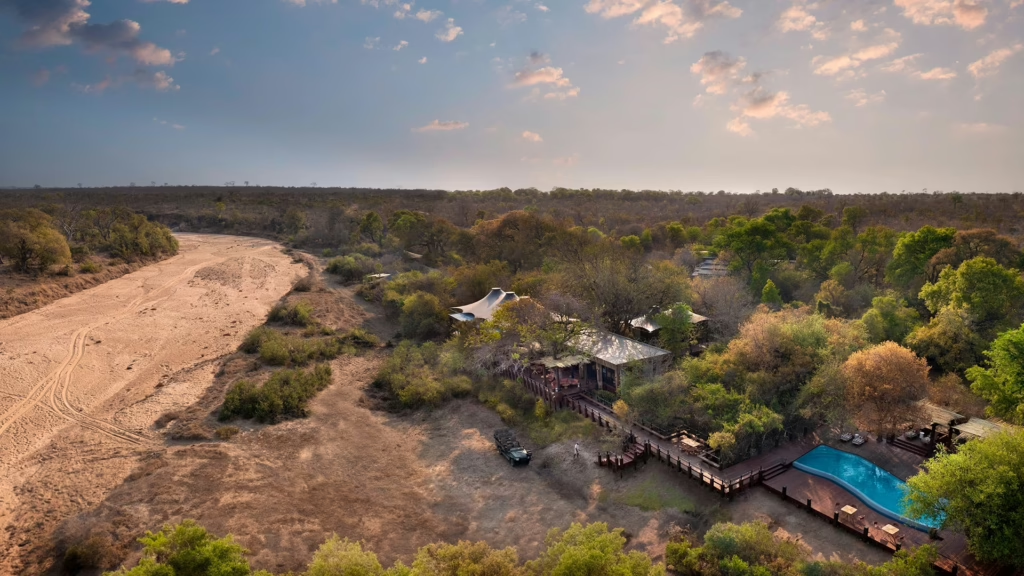
Say the name Timbavati and everyone’s safari senses start tingling. This is lion territory. White ones, to be precise. Best known as home to the famed Birmingham pride who carry a rare gene, the sandy riverbeds and open grasslands of Timbavati teem with wildlife. Here, you can track lions by day and soak in a star-lit bubble bath by night. Its five-star lodges might have hefty price tags, but its five-star line up is so freakin’ worth it.
Best time for a safari tour
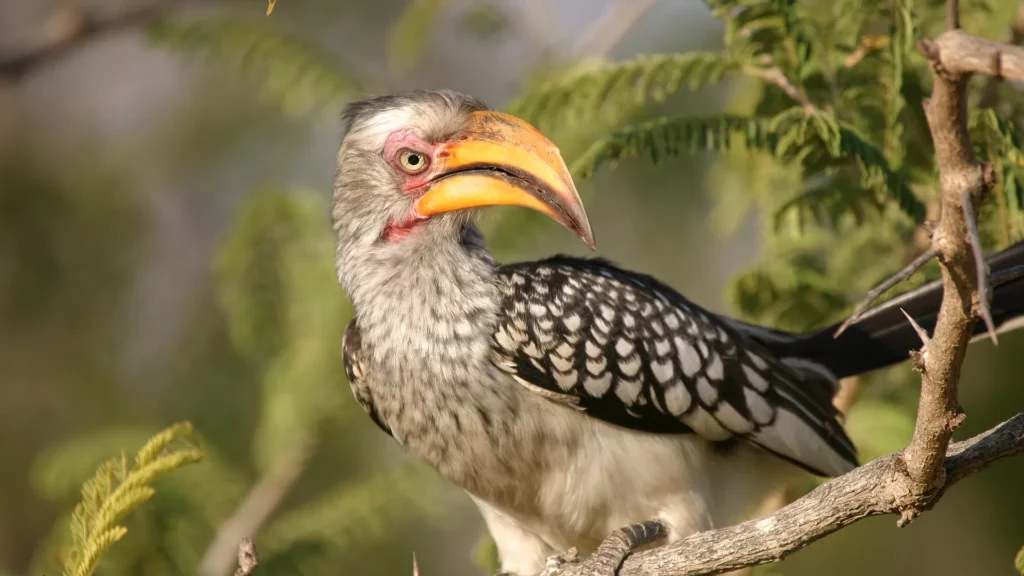
Like most African safari destinations, winter is the best time for game viewing in the Kruger. Thirsty elephants and buffalo congregate along rivers and around waterholes, and the sparse bush and parched grasslands make spotting big cats a whole lot easier. That’s not to say you won’t see all kinds of exciting stuff year-round. As the summer rains roll in towards the end of October, Christmas comes early for the Kruger’s predators. Wobbling their way through the new green grass, baby antelope make easy pickings for lions, leopards and wild dogs – and even the odd baboon. The hot, humid days also invite summer migrants like the Woodland Kingfisher, closely followed by binocular-wielding birders.