Kenya The Original Safari

Start Dreaming

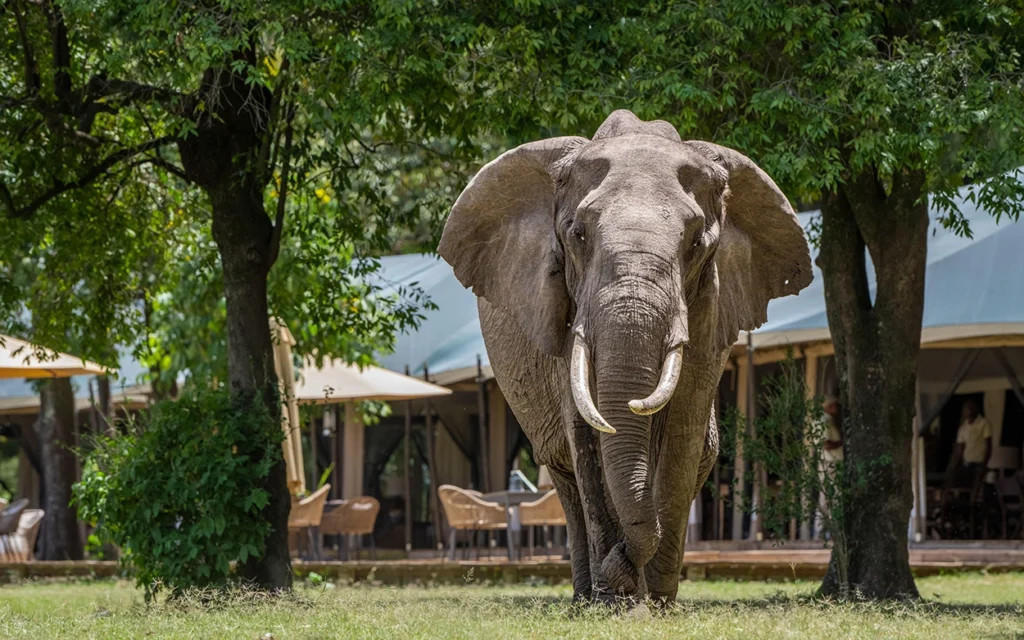
Kenya is famed for its open savannahs where big cats dominate and heavily tusked elephants roam. But linger longer and discover sky-scraping mountain peaks, sleepyhead islands, and a hustling Capital.

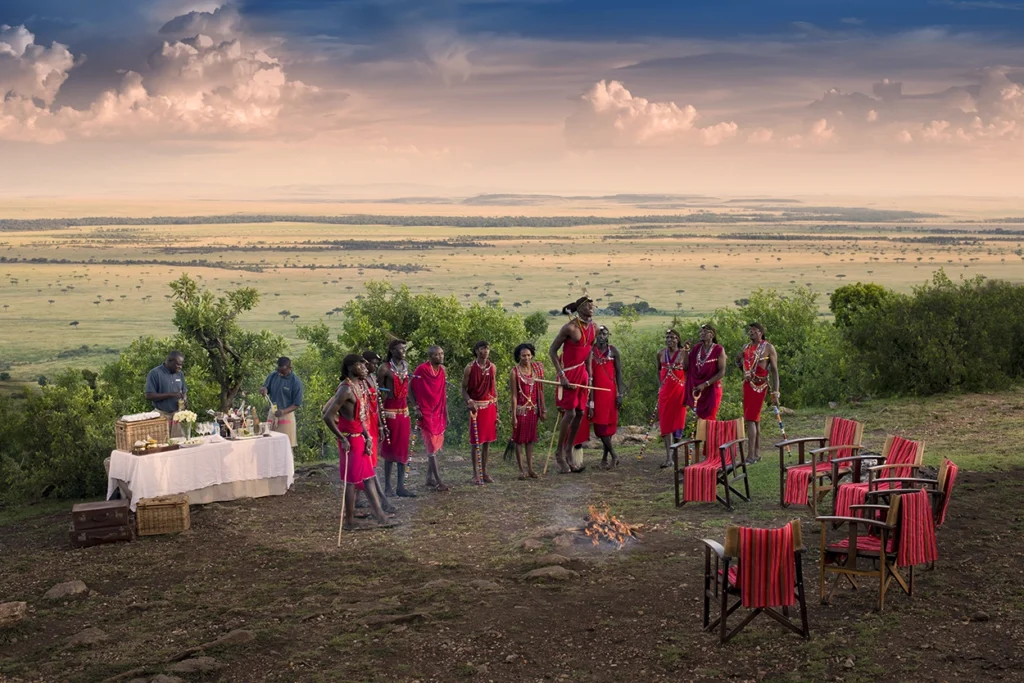
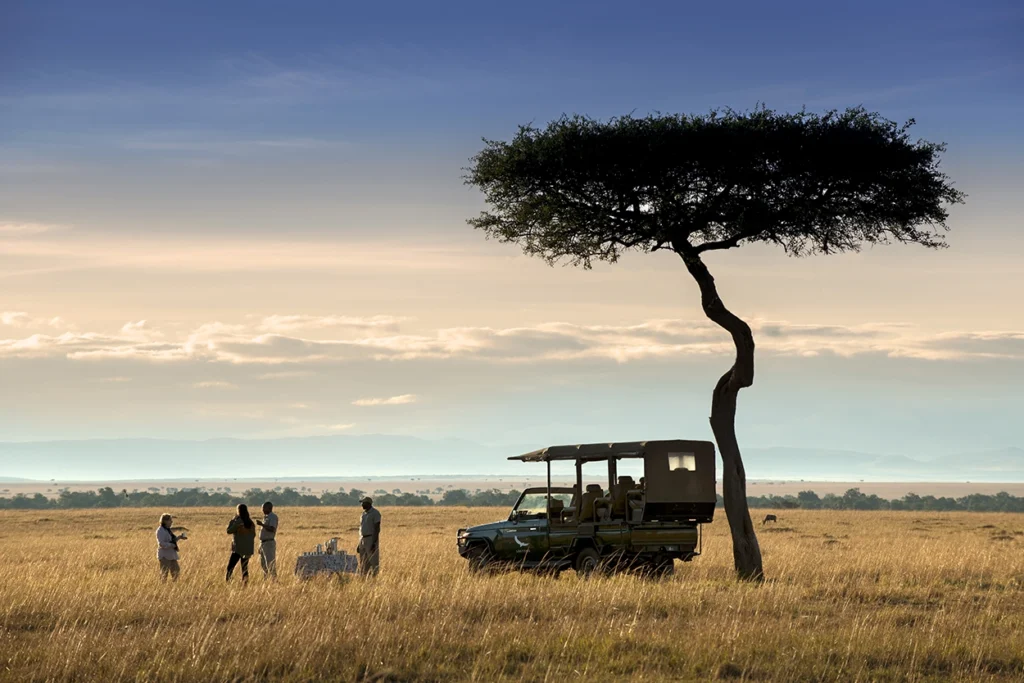
The very word ‘safari’ – Swahili for ‘journey’ – is rooted in Kenya. Though much has changed since the first expeditions (you can leave your pith helmet at home), a typical day remains largely unchanged – from rising at dawn to sundowners and storytelling around the fire.

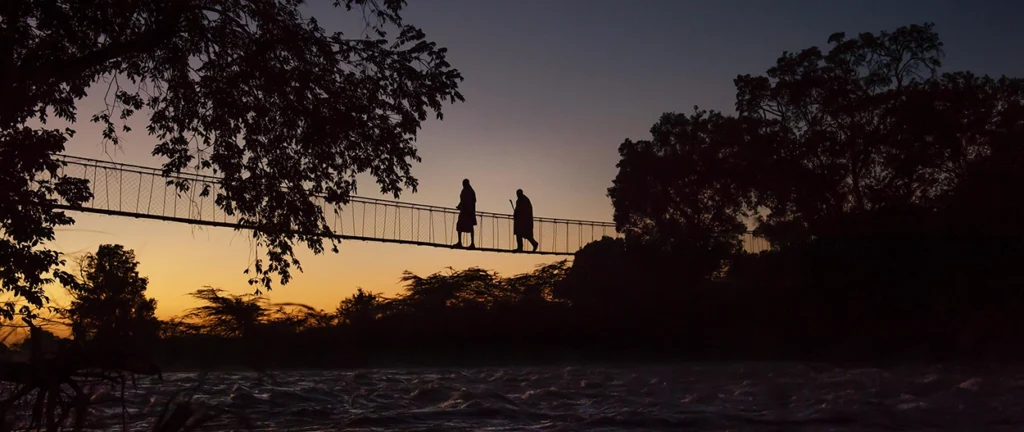
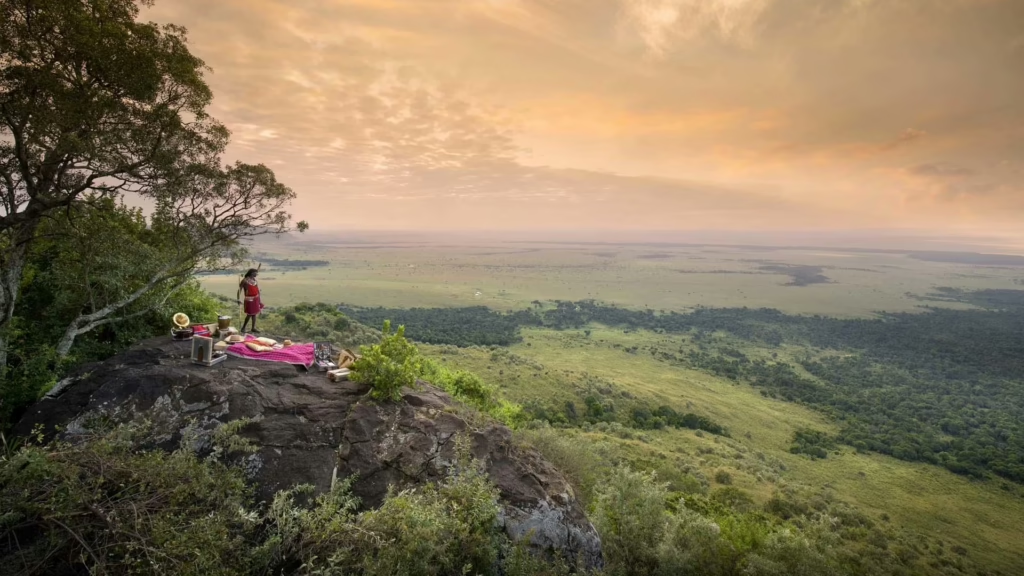
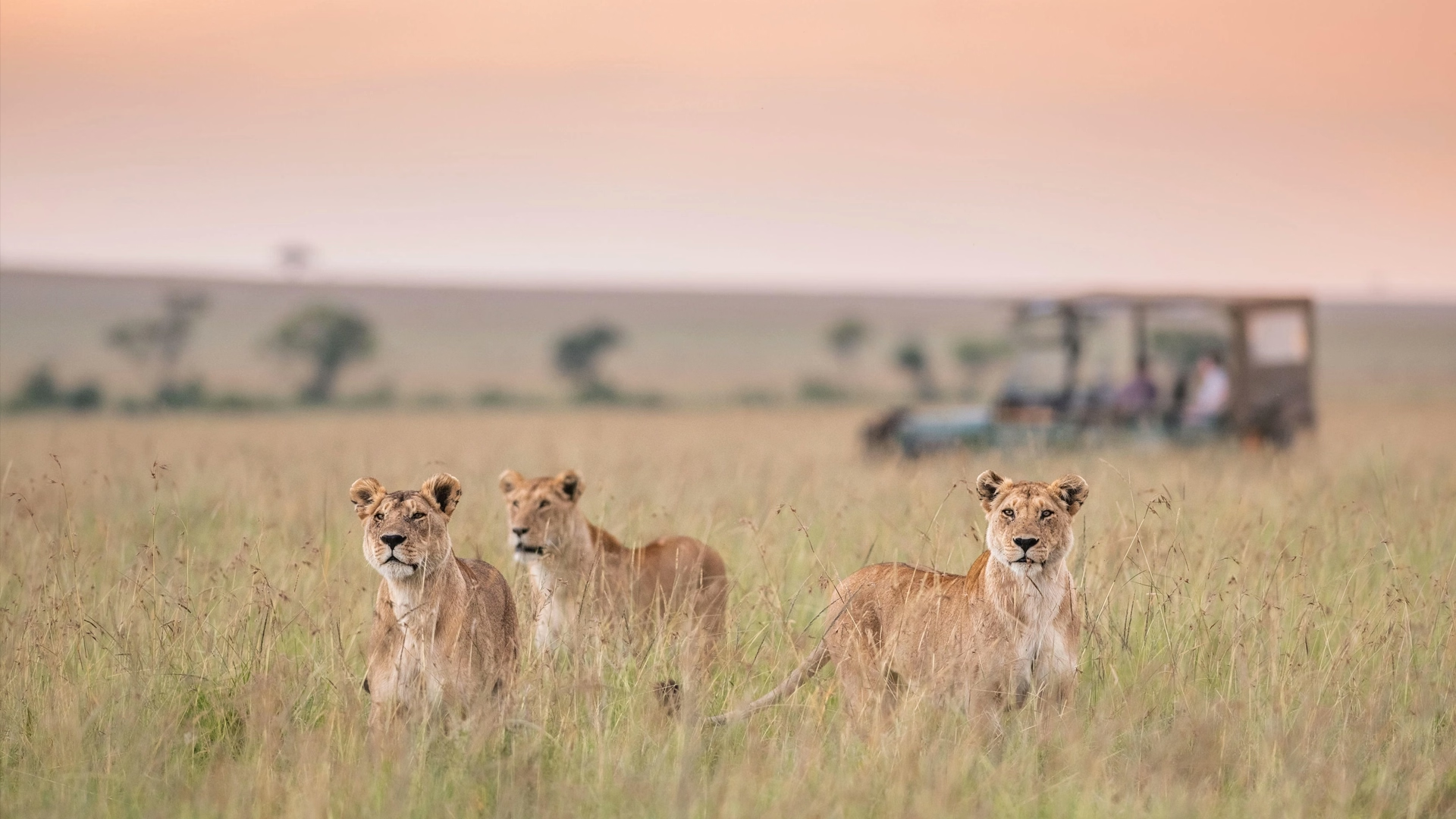
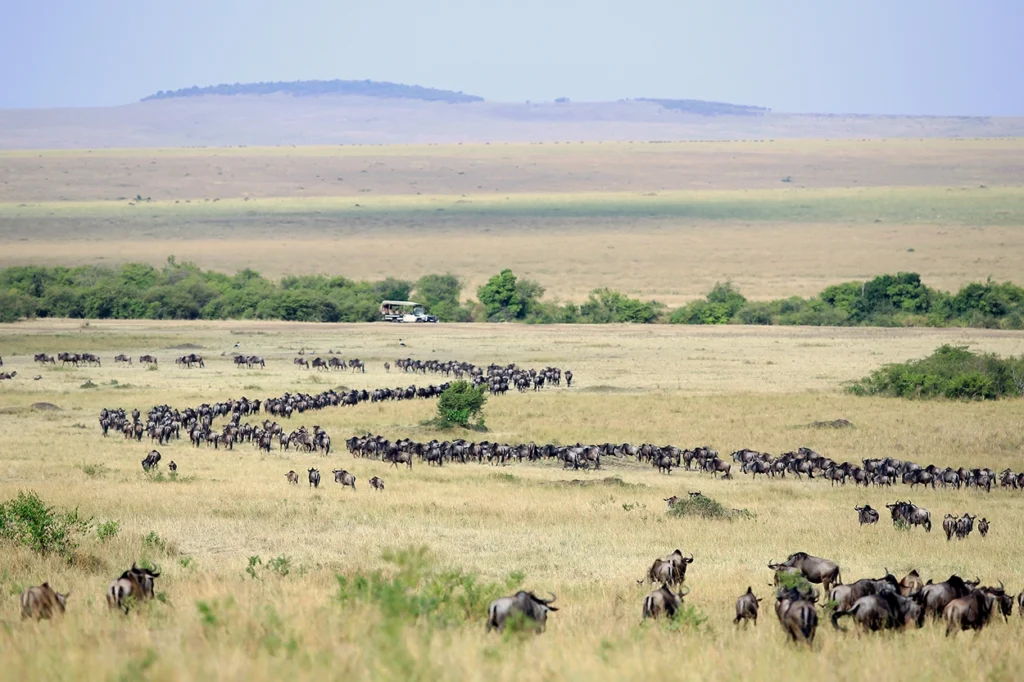
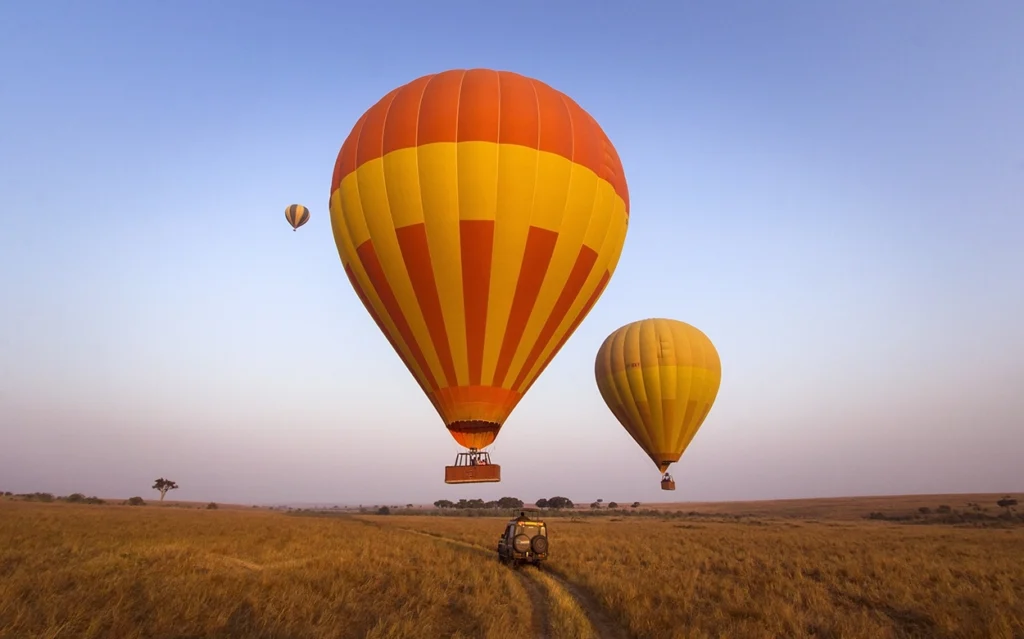
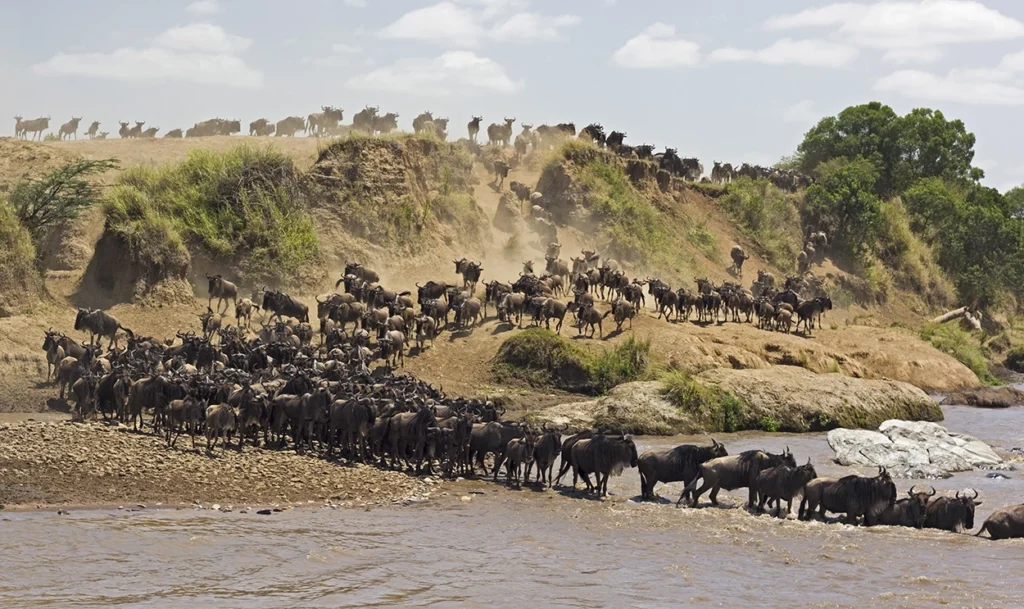
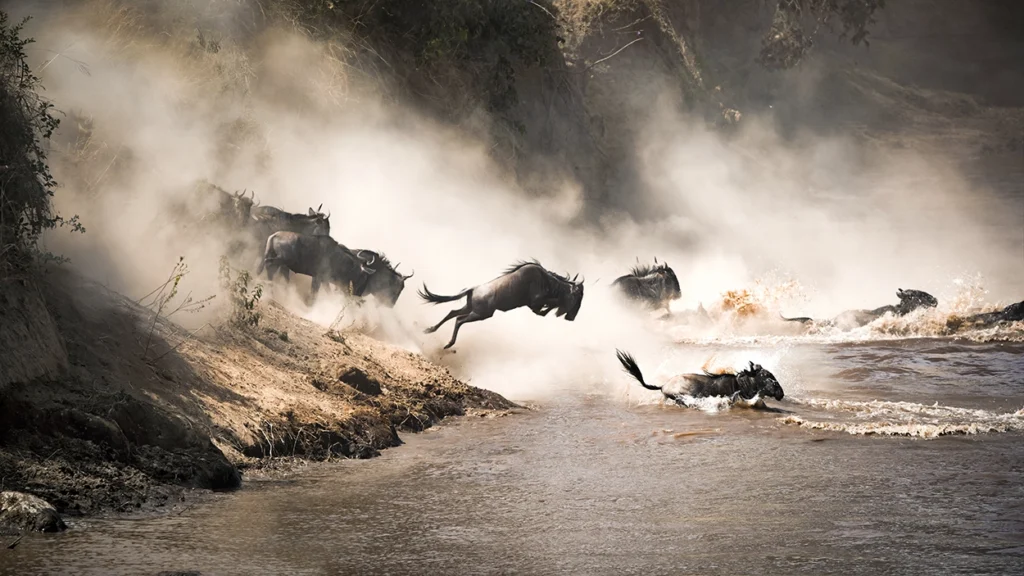
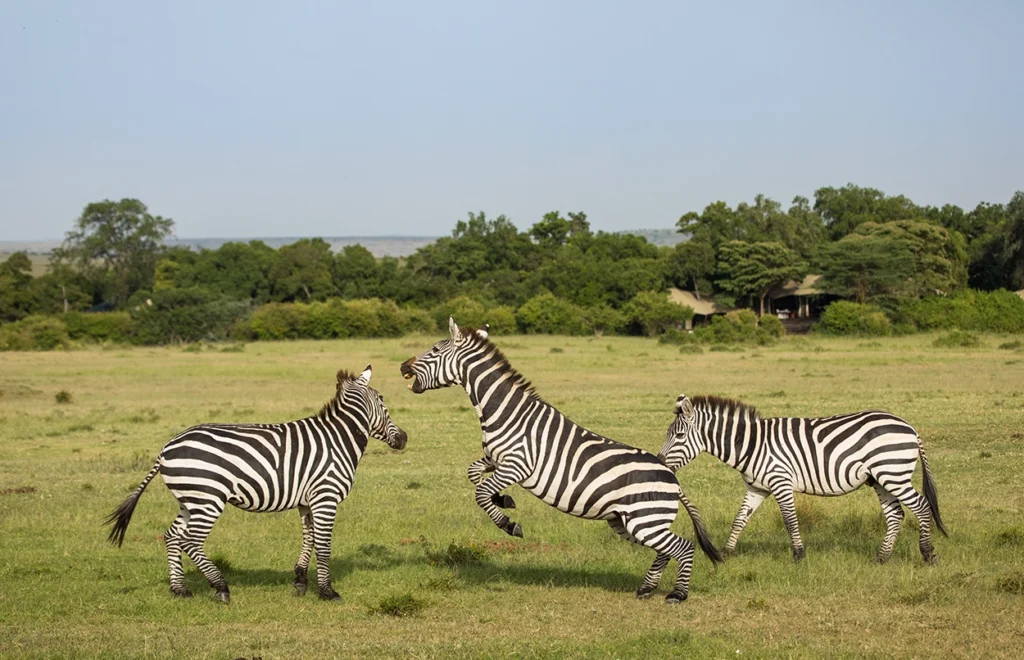
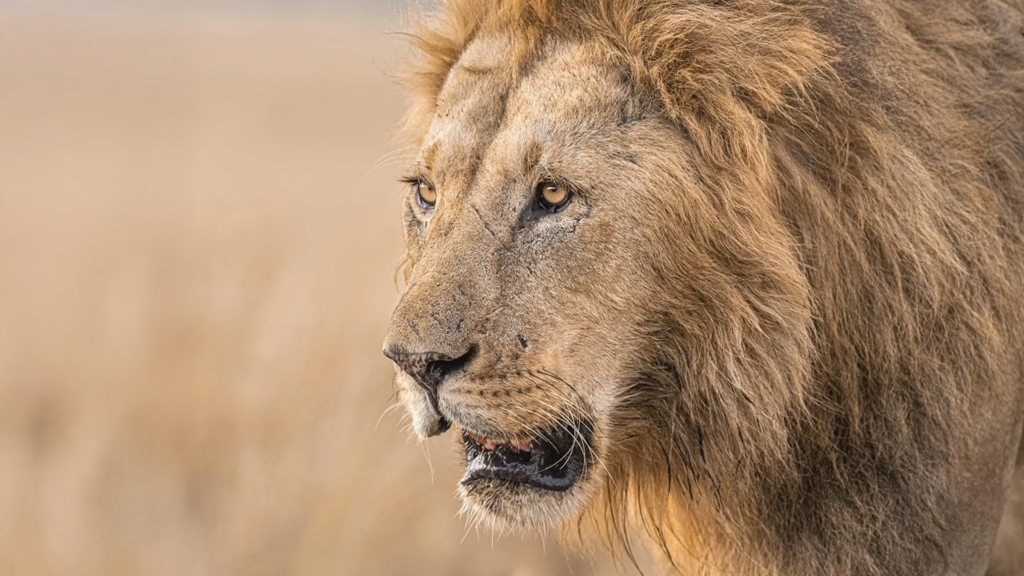
The Maasai Mara, with its savannah expanses, pockets of thick bush and the crocodilicious Mara River, is one of Africa’s most renowned safari destinations. Lions prowl the edge of the plains, hungrily eying herds of zebras and gazelles, as thousands of wildebeest navigate perilous river crossings. Drink it in (G&T and all) with game drives, bush walks, sunrise hot air balloon flights, or over an indulgent hilltop picnic à la Out of Africa.

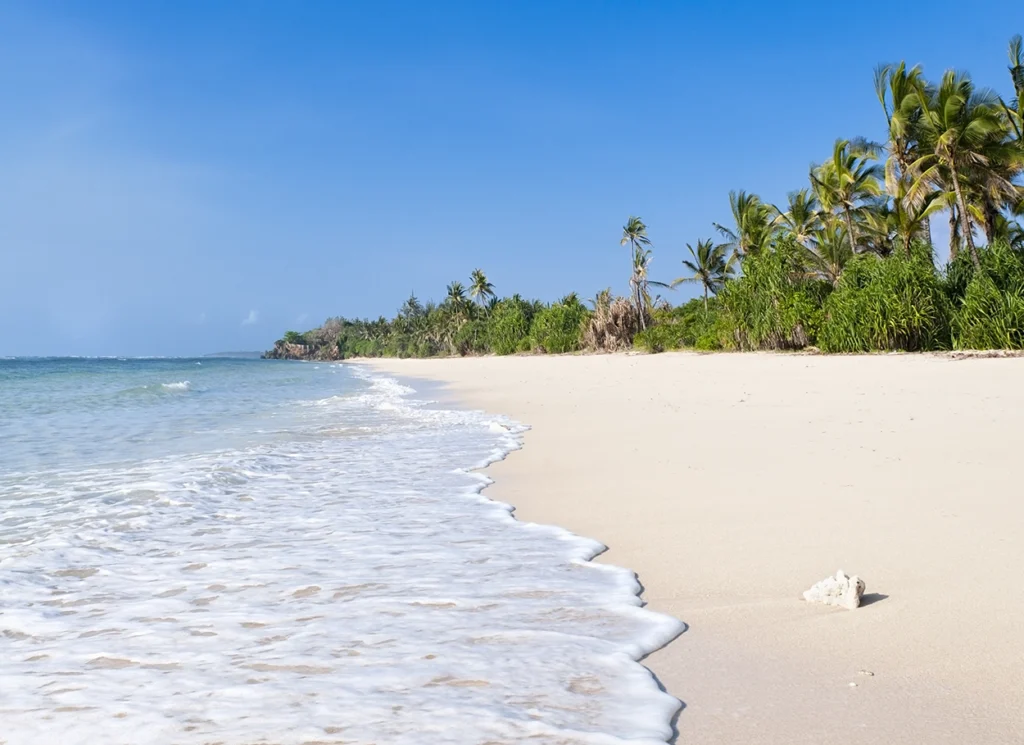
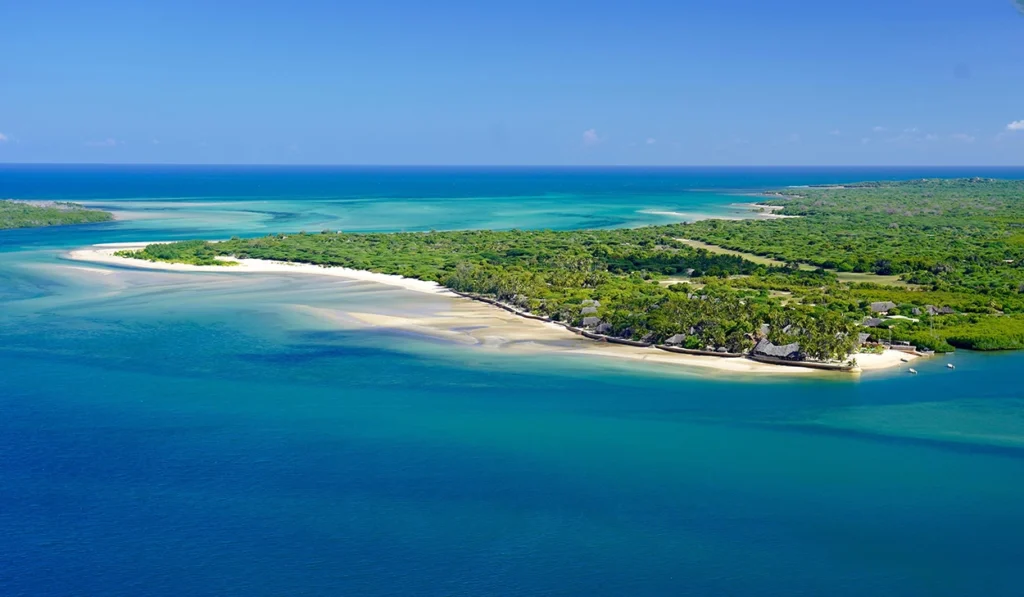
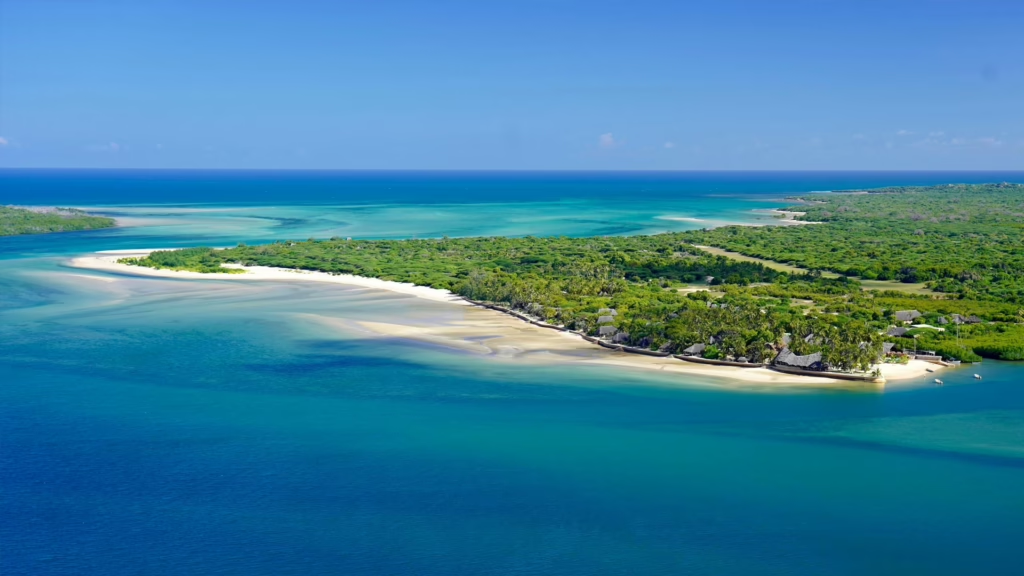
Beyond the Mara, there’s much more to explore – Amboseli’s big tusker elephants and killer Kilimanjaro views, Laikipia’s rolling plains and conservation strongholds, the pure white sands of the East African coast, and blissfully restful Lamu Island. Travelling to Kenya doesn’t limit you to safaris. There are mountains to climb, cities to explore, and beaches to lion (get it?).

WHERE YOU'LL GO

Map of Kenya

Kenya white map

WHERE YOU'LL GO

Where to Go in Kenya

Big cats, Bigger Mountains, and Blissful Beaches.

Kenya has it all. Big cat drama on the Mara, the greatest wildlife migration on earth, ancient tuskers sauntering across Amboseli’s plains, snow-capped peaks rising from the savannah, and an Indian Ocean coastline that has absolutely no business being this good. The only real challenge is deciding which version of Kenya you want first. Fortunately, you don’t have to choose just one.

Kenya

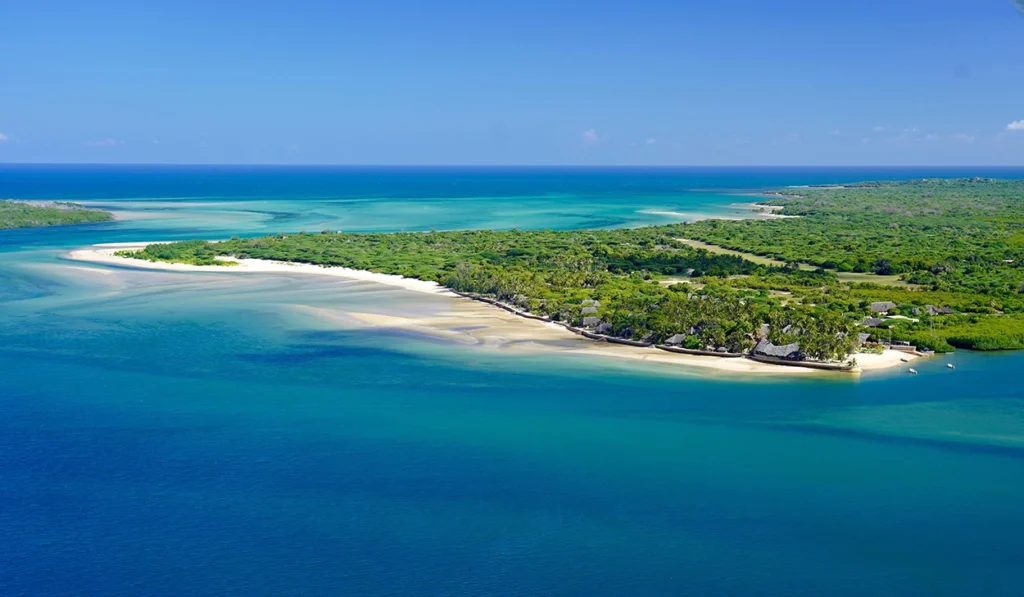
Lamu Island

View
Lamu Island

Kenya

Masai Mara

View
Masai Mara

WHEN YOU'LL GO

When to Go to Kenya

The Best Time to Visit Kenya for a Luxury Safari

Kenya is one of those rare destinations that genuinely rewards a visit in any month. The dry season brings the spectacle of the Great Migration, big cat show-stoppers, and some of the wildest predator action on earth. The shoulder months deliver the same wildlife with far fewer Land Cruisers. And the green season turns the plains an impossible shade of emerald, empties the camps, and sends the birding charts off the scale. There’s no wrong answer — it just depends what you’re after.

Secret season illustration

January

Secret Season

The short rains have cleared, and Kenya is in fine safari form: dry, sunny, and far less crowded than peak months. Game viewing is excellent as animals gather around shrinking water sources, and predator activity is high. It’s a perfect month to experience Amboseli’s legendary elephant herds and mind-blowing views of Kilimanjaro. It’s also the perfect time to head to the coast for a bit of post-safari beach action!

Why it’s special: Clear Kilimanjaro views and safari action with less crowds.
Best for: Predator action, wildlife photography, Amboseli, and value travel.
Ave. daytime temperatures 14°C – 29°C (57°F – 84°F)

WHAT YOU'LL SEE

Main Habitats

Far more than the Mara.

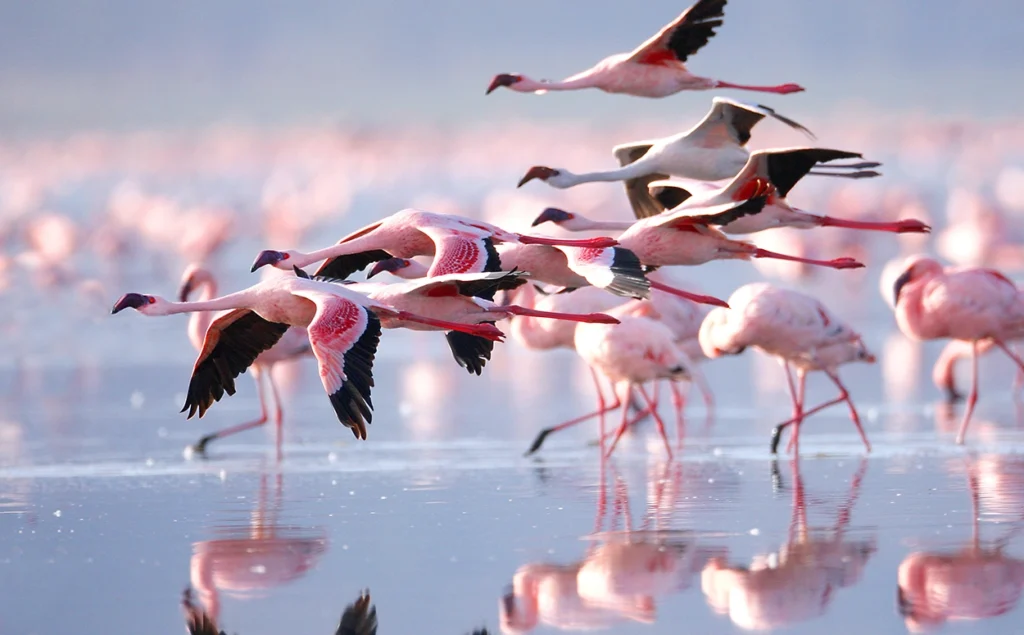
Few countries cram this much variety into one passport stamp. Kenya runs from acacia-dotted savannah to montane forest, from arid northern scrubland to flamingo-fringed Rift Valley lakes, and from the plains of Amboseli (with Kilimanjaro watching over everything) to an Indian Ocean coastline of frankly absurd beauty.

Savannah – Kenya

Savannah

Rivers, Lakes & Wetlands – Kenya

Rivers, Lakes & Wetlands

Arid & Semi-Arid Scrub Lands – Kenya

Arid & Semi-Arid Scrub Lands

Coastal, Mangrove & Marine Ecosystems – Kenya

Coastal, Mangrove & Marine Ecosystems

WHAT YOU'LL SEE

Meet the Locals

What You'll See and How Likely You Are to See Them

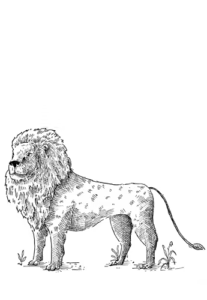
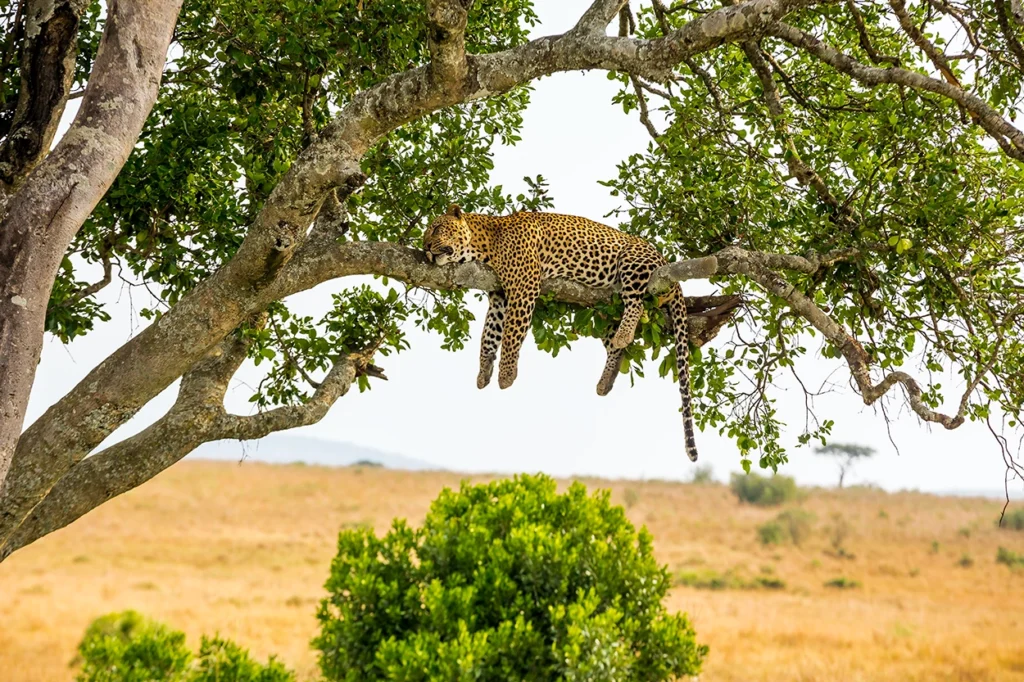
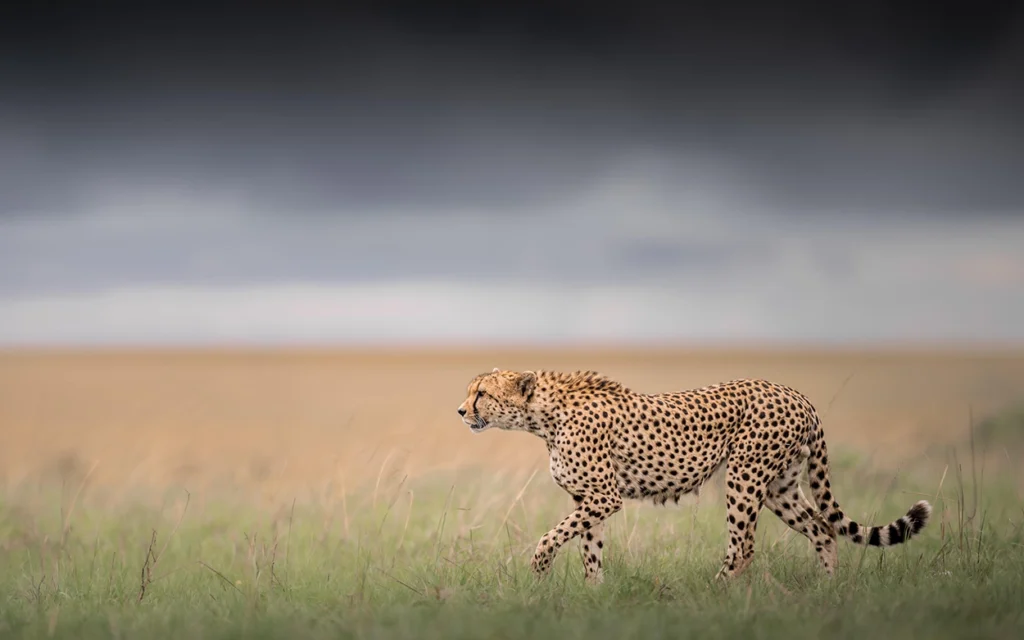
Kenya didn’t become one of the world’s great safari destinations by accident. It has the sightings to back it up. Lions practically guaranteed, cheetahs hunting in the open plains, leopards for those with patience, and elephants in numbers that still stop you in your tracks. Buffalo, zebra, and giraffe fill the plains as far as the eye can see. Hippo and crocodile-stuffed rivers. And between July and October, nearly two million wildebeest pour across the Mara River in one of nature’s great acts of collective madness.

Vervet Monkey

Vervet Monkey

100% Chance

Elephant

Elephant

100% Chance

Giraffe

Giraffe

100% Chance

Lion

Lion

90% Chance

Aardvark

Aardvark

2% Chance

Cape Buffalo

Cape Buffalo

90% Chance

Leopard

Leopard

55% Chance

Hippo

Hippo

80% Chance

Spotted Hyena

Spotted Hyena

85% Chance

Zebra

Zebra

100% Chance

African Wild Dog

African Wild Dog

8% Chance

White Rhino

White Rhino

90% Chance

Pangolin

Pangolin

1% Chance

Eland

Eland

80% Chance

Cheetah

Cheetah

65% Chance

Black Rhino

Black Rhino

35% Chance

Impala

Impala

100% Chance

Wildebeest

Wildebeest

95% Chance

WHERE YOU'LL STAY

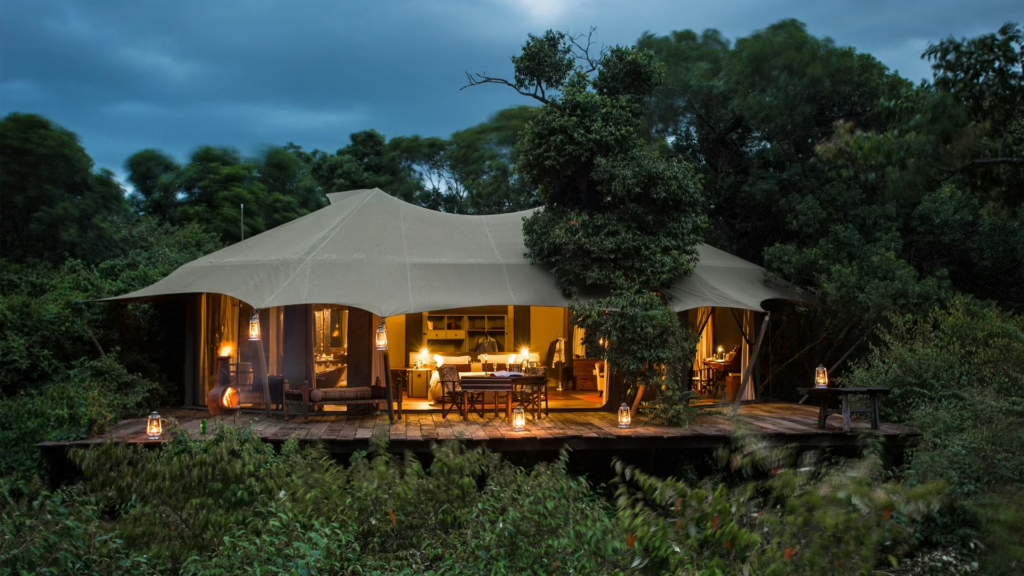
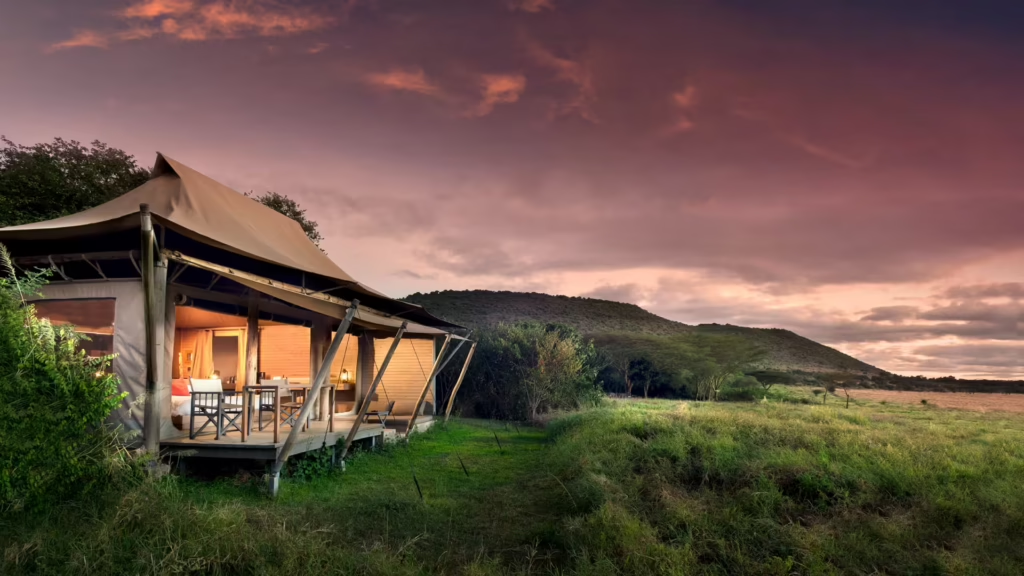
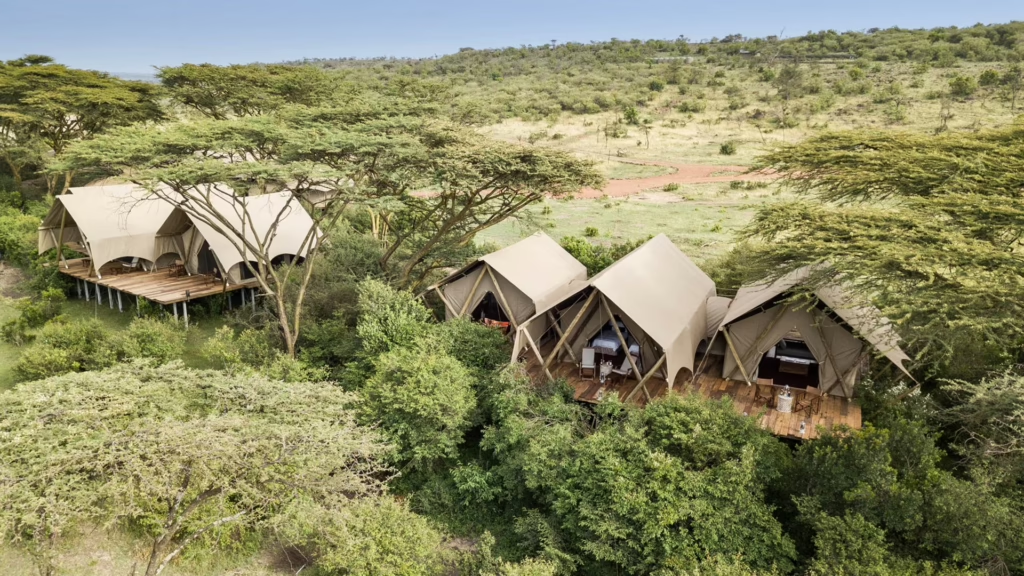
Kenya's Luxury Camps & Lodges

Safari Icons & Coastal Hideaways

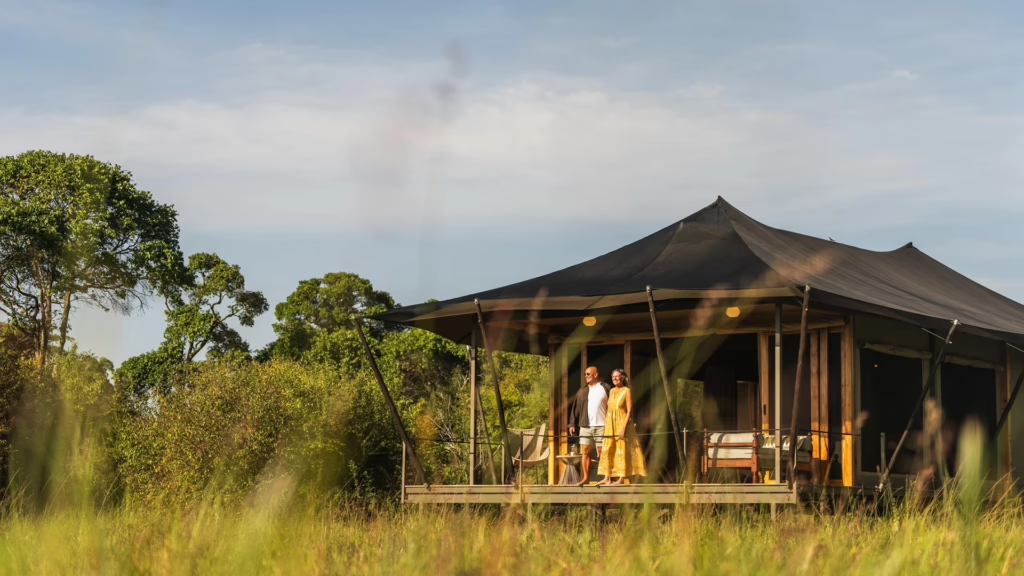
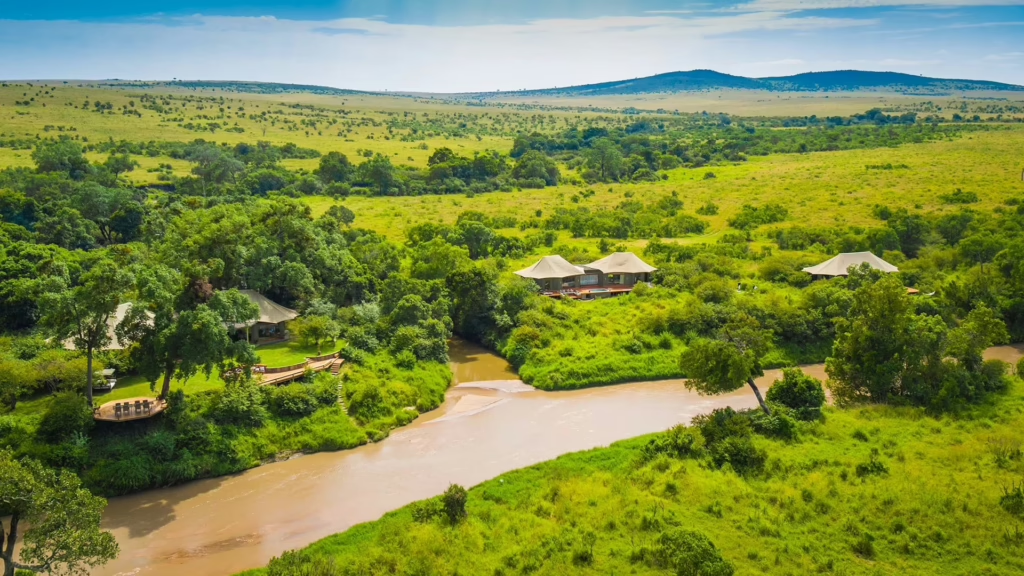
Kenya | Masai Mara

Ngare Serian

View
Ngare Serian

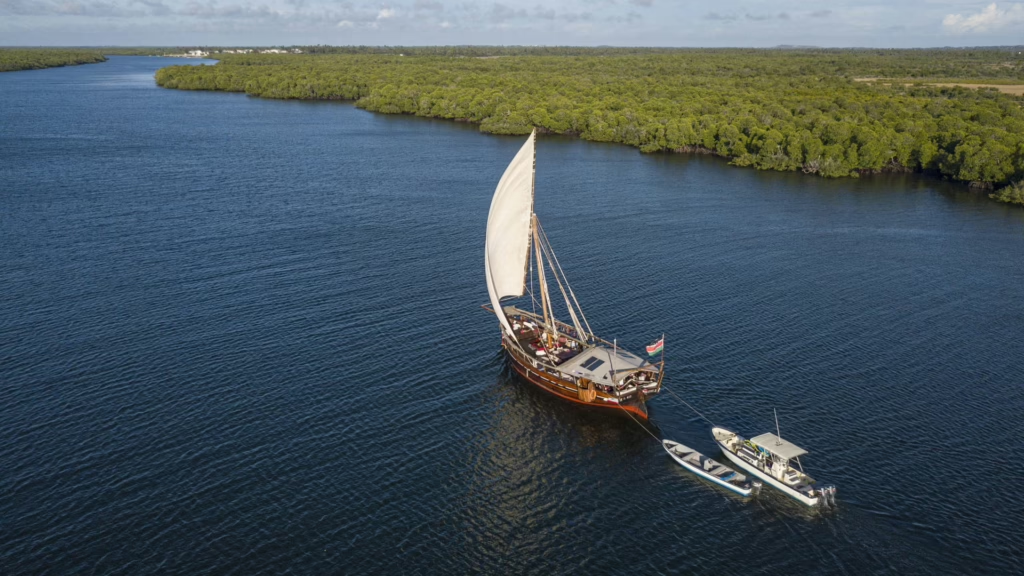
Kenya | Lamu Island

Manda Bay

View
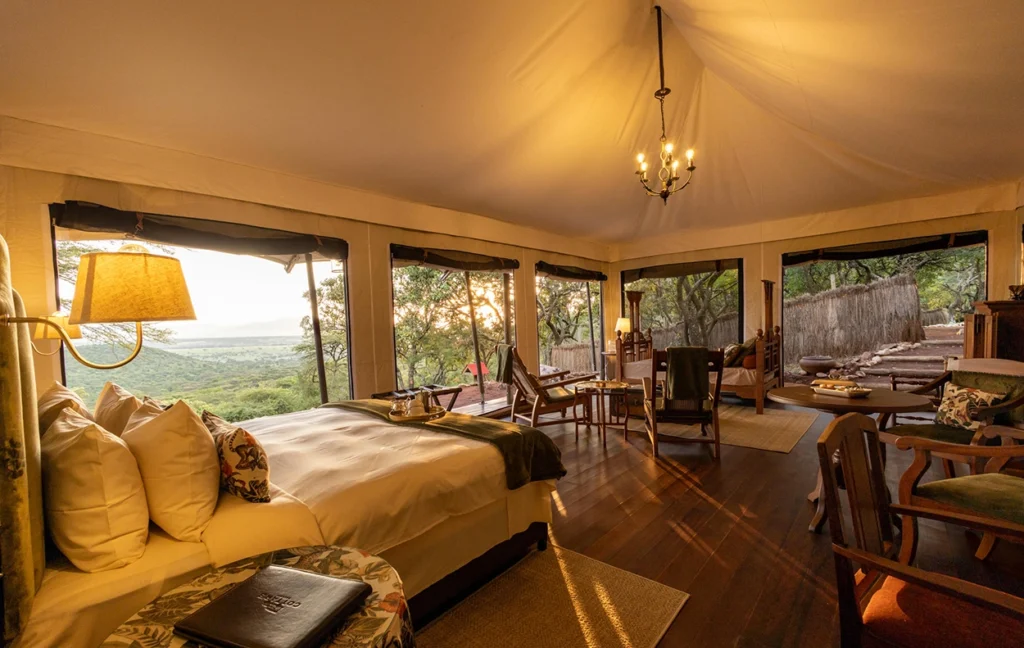
Manda Bay

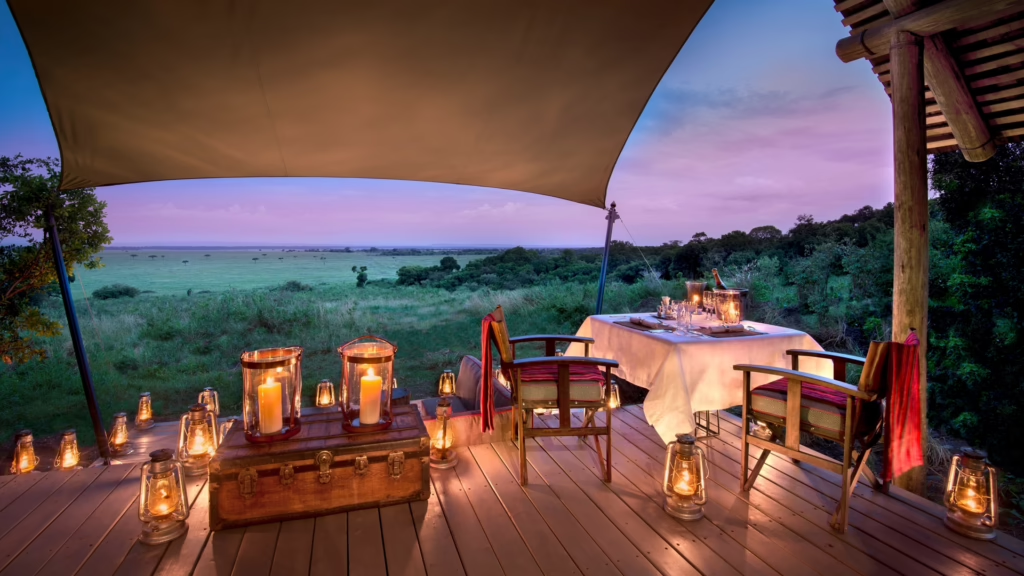
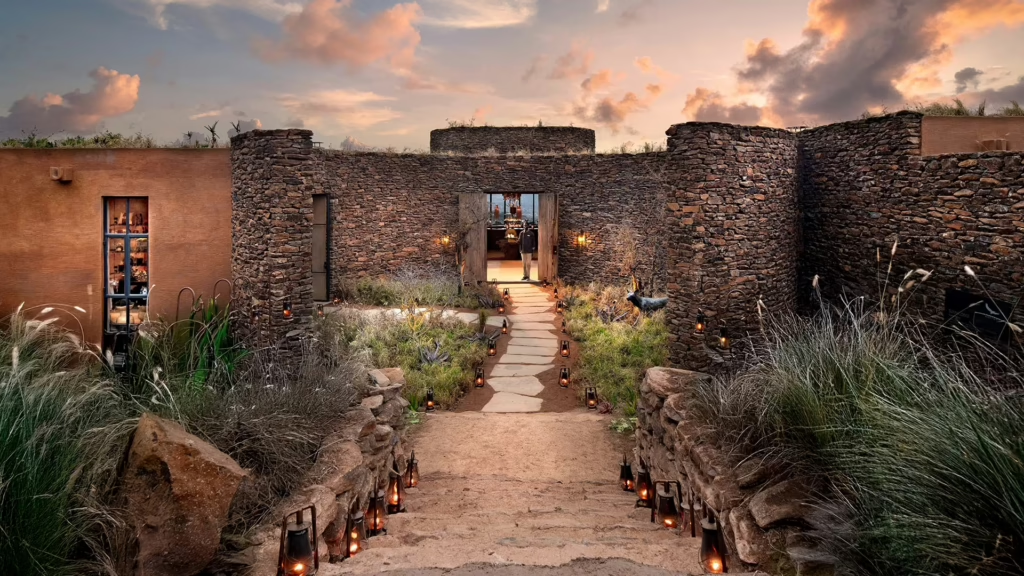
Kenya | Masai Mara

Bateleur Camp

View
Bateleur Camp

Our Safari Experts

Chat to an Expert

Get advice and suggestions to make this your perfect trip. We’re just a bunch of Africa-obsessed travellers ourselves, so you can rest assured that we’re trying to give you the best experience possible.

Start your journey
Chad Le Helloco

Nothing beats the magic of the Delta. Wild waterways, unbelievable wildlife, and that feeling that you’ve completely disappeared into nature.

Contact

For me, safari is all about the small things. The quiet sunrise drives, the stories around the fire, and the feeling that Africa gets under your skin.

Contact

Frequently Asked Questions

One of the best. Kenya’s infrastructure is excellent, its guides are experienced and widely regarded as some of the best in Africa, and the wildlife is reliably spectacular. The Masai Mara in particular is a great intro to safari — compact enough to cover thoroughly, and diverse enough to keep surprising you.

Absolutely. Kenya sits at the heart of East Africa and pairs naturally with Tanzania for a complete Great Migration experience — the herds spend most of the year in the Serengeti before crossing into the Mara. Uganda and Rwanda are popular additions for gorilla trekking, adding a completely different dimension to an East Africa itinerary. Zanzibar makes a perfect coastal finale. With Nairobi functioning as a major regional aviation hub, connections across East Africa are easy!

Kenya has been at the forefront of African conservation for decades. It was one of the first countries to ban trophy hunting, back in 1977, and has invested heavily in anti-poaching operations, community conservation programmes, and private conservancy models that give local communities a direct stake in protecting wildlife. The Laikipia Plateau is one of the continent’s great conservation success stories, supporting some of Africa’s last viable populations of both black and northern white rhinos.

Considerably more than most people expect. Amboseli offers some of Africa’s most iconic elephant viewing against the backdrop of Kilimanjaro. Laikipia is home to the world’s last northern white rhinos and a clutch of exceptional private conservancies. Samburu in the north has a wilder, more remote feel and unique species you won’t find in the south. And then there’s the coast — Diani, Watamu, and Lamu offer some of East Africa’s most jaw-dropping beaches, reefs, and seafood. The Mara is unmissable, but it’s also just the beginning.

A focused Masai Mara safari works well in 5–6 days, but Kenya genuinely rewards more time. Add Amboseli for Kilimanjaro views and big tusker elephants, Laikipia for rhinos and a different pace entirely, or the Indian Ocean coast for a proper wind-down, and you’re looking at 10–12 days well spent. Kenya is compact enough that you won’t lose days on the road, but diverse enough to fill a fortnight without repeating yourself.

Both are world-class — and largely because they share the same ecosystem. The Masai Mara and Serengeti are one continuous wilderness divided by a border the animals sensibly ignore. The difference is scale. The Serengeti covers nearly 15,000 km²; the Mara a compact 1,510 km². What the Mara lacks in size it makes up for in concentration, with one of the highest predator densities in Africa, often visible in a single morning drive. Tanzania also runs at 20–30% higher costs. Because of its easy accessibility and lower rates, Kenya is often a top choice for a first-time safari.

Kenya rewards visitors year-round, but the dry season from June to October is considered peak safari season. The landscape opens up, wildlife concentrates, and the Great Migration fills the Mara with wildebeest. January and February offer exceptional predator action with far fewer crowds. The green season (April, May, and November) brings lush landscapes, outstanding birding, and significantly lower rates. There is no bad time, only different reasons to go.

Kenya is a well-established, tourism-friendly destination with a strong infrastructure built around safari travel. The national parks and private conservancies are very safe, well-managed environments, and Kenya’s network of experienced guides is among the very best in Africa. As with any destination, it pays to stay informed and take sensible precautions, but for the vast majority of visitors, Kenya is a smooth, rewarding, and life-changing experience.

Our Reviews

A Few of our Raving Fans

You love us, you really love us!

HOW IT WORKS

Take a look around for a bit of inspiration.

Tell us what your dream safari looks like. 

Next, your Personal Travel Planner will schedule a call to plan the perfect adventure.

Confirm your trip and get packing.

LET’S GET THIS SAFARI STARTED

Ready to go? Give us a shout and let’s start planning your next adventure. We’re almost as excited as you are.