On the eastern shores of Southern Africa, where the Zambezi River takes its final bow, lies Mozambique. Once a Portuguese colony, this embattled nation is often underestimated as a travel destination.
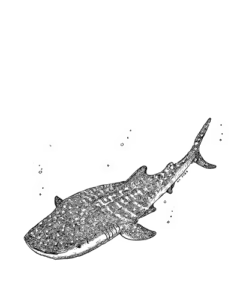
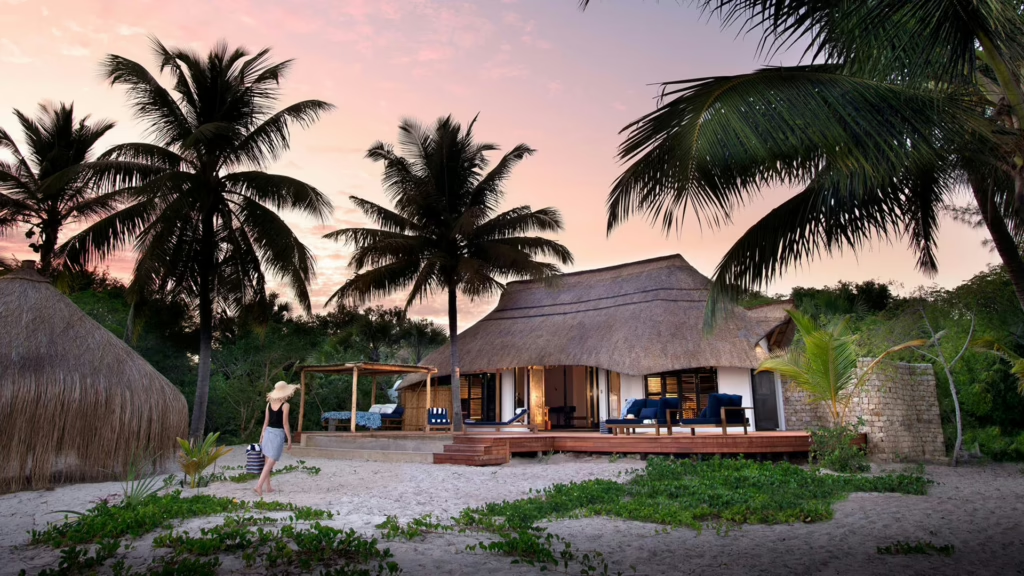
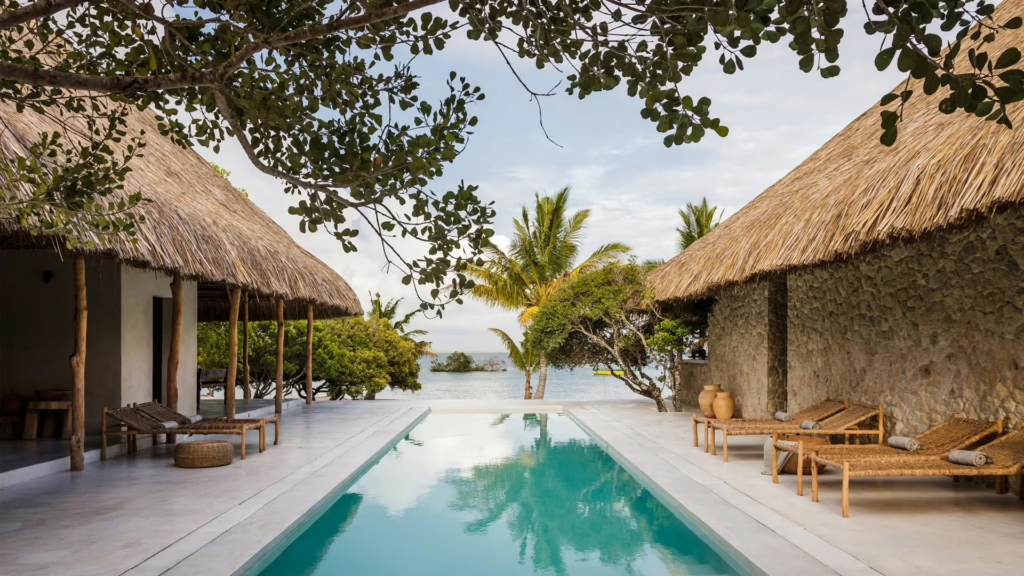
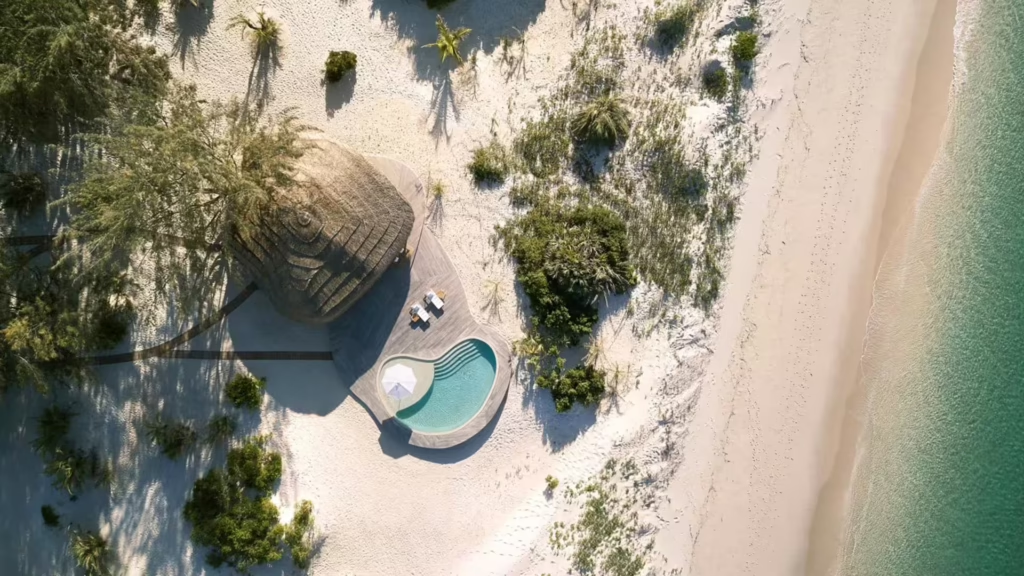
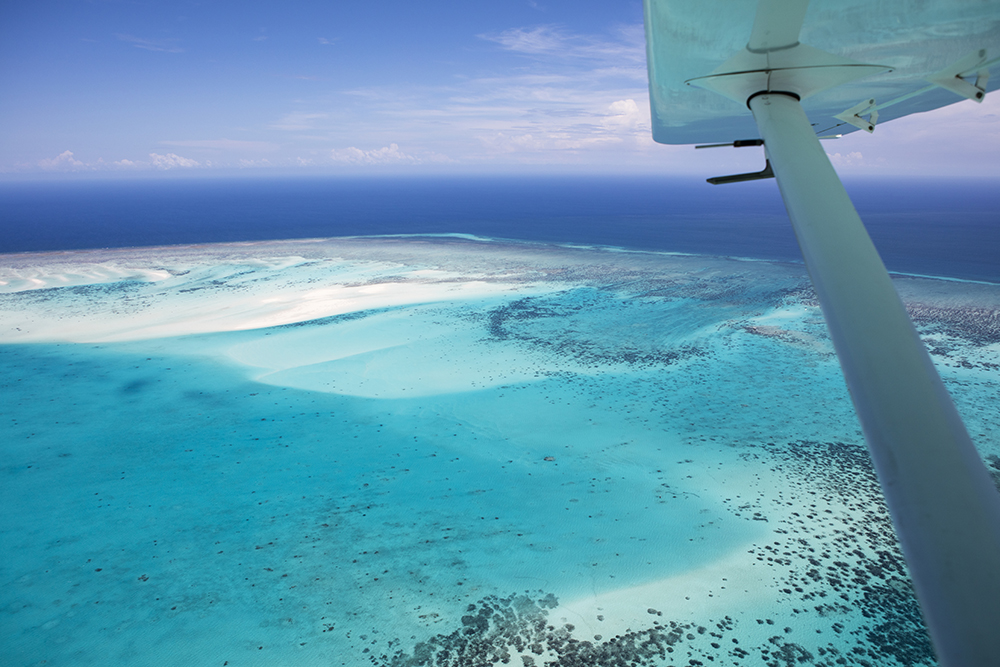
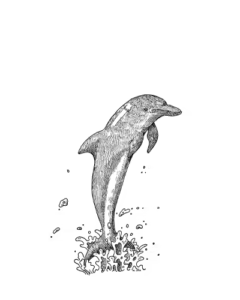
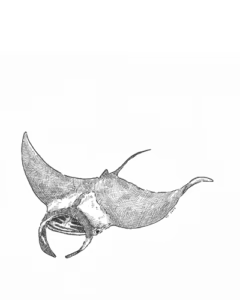
In the south of the Mozambique channel, a short hop from Vilanculos, Bazaruto’s islands offer up some of the best diving and snorkelling in the world. Its turquoise waters teem with whale sharks, manta rays, dolphins and humpback whales, as well as rare dugongs, while its beaches promise bikini-busting seafood feasts on endless white sands.
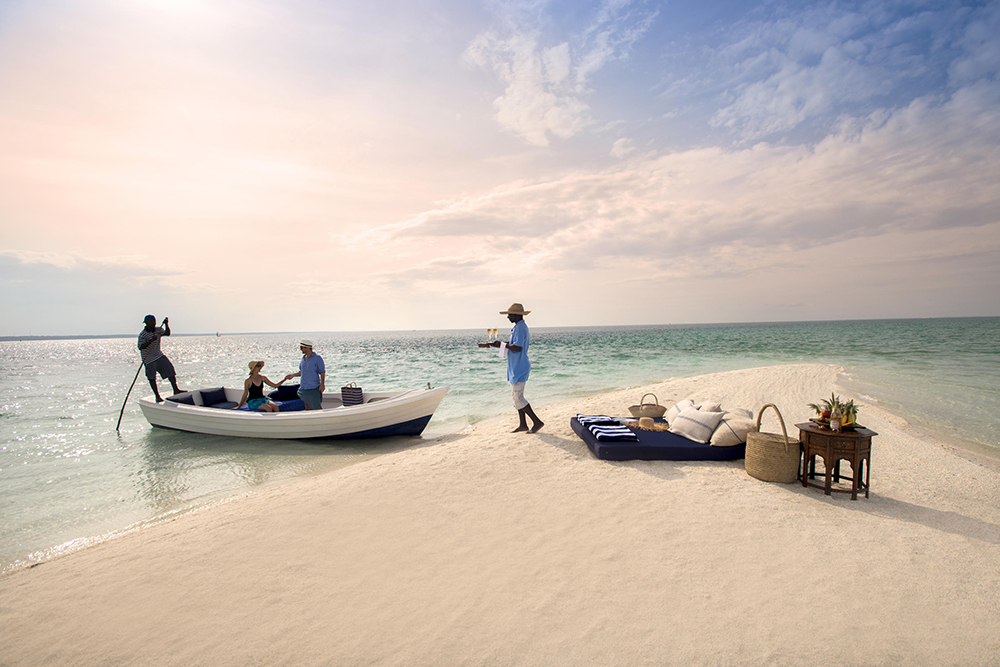
Further north lie the private beaches of Ilha Caldeira and the remote Quirimbas archipelago. Amid a blend of Portuguese, Arabian, and African influences, the coral reefs of these pristine, largely unexplored islands are strung together by deserted sandbars and nodding coconut palms. Getting here is no easy feat. But man, is it worth it.
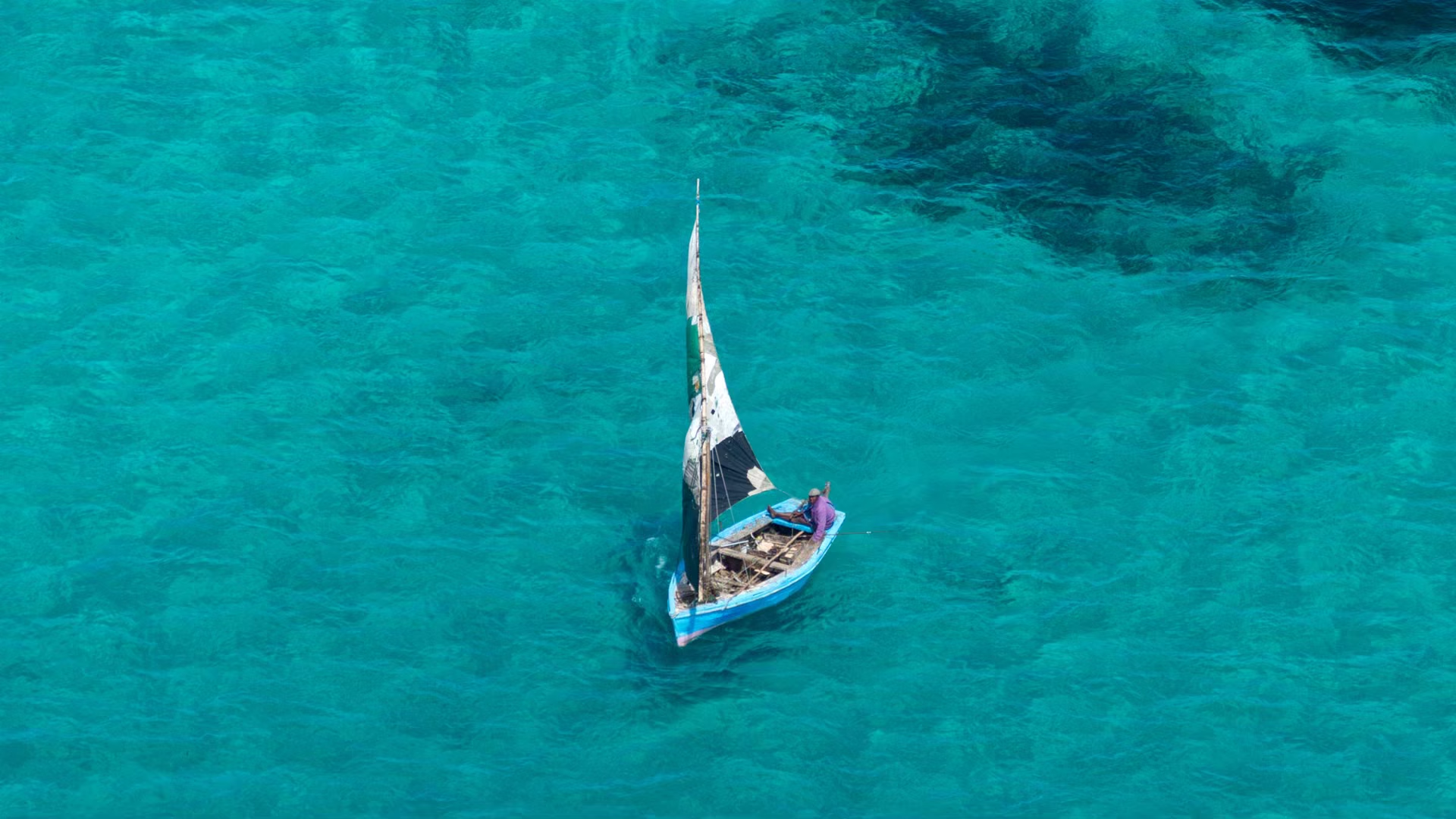
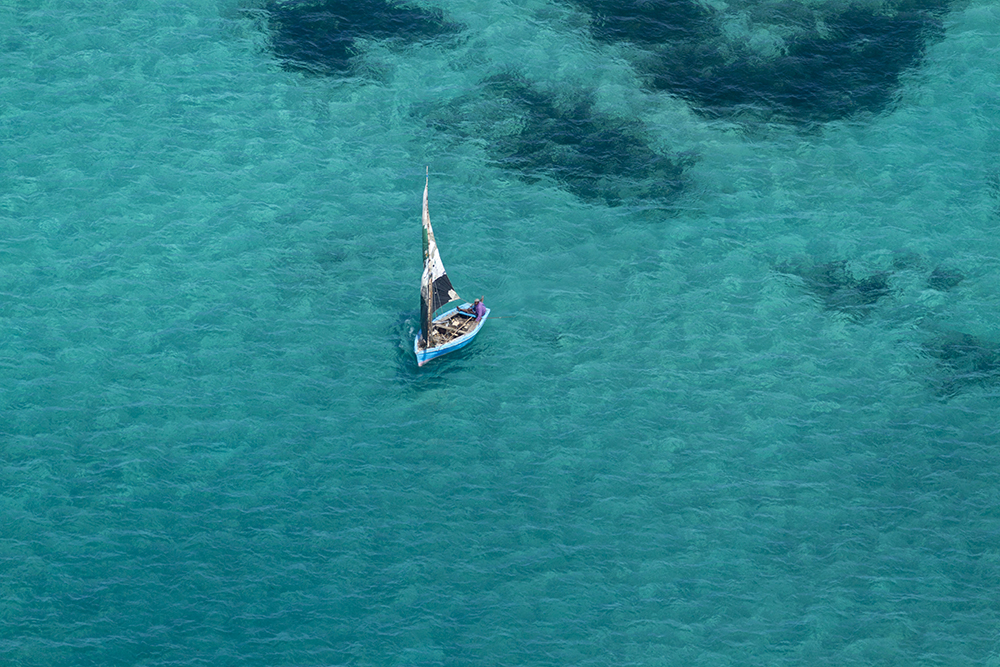
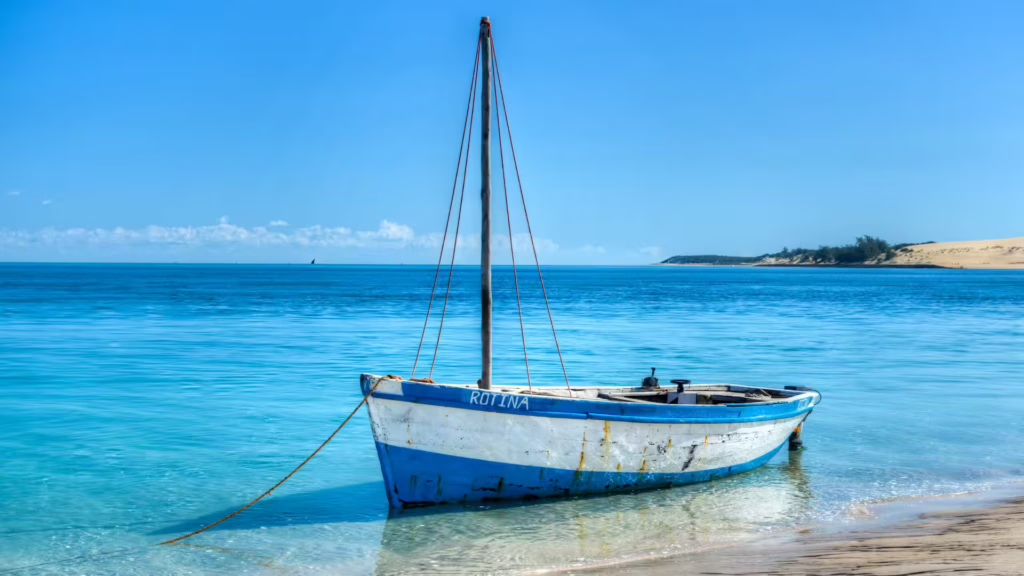
The Bazaruto Archipelago dazzles with its turquoise shallows, castaway villas, and sealife that is off the charts. The mainland bursts with culture, colour, and flavour. Follow your nose through the spice markets, where the air is laced with aromas of freshly baked bread and intoxicating whiffs of the holy grail: peri peri. It’s scenes of swaying palms, dhows adrift and baskets overflowing with fish, lobster and prawns for days. Head further inland and you’ve got Gorongosa. Once known as “Africa’s Lost Eden,” Gorongosa has staged one of the most remarkable wildlife comebacks on the continent.
The secret to Mozambique is knowing when to go. The seasons decide where you’ll be going and what you’ll be doing! Choosing the right season can be the difference between chasing whale sharks and tracking lions, or dodging bad weather.
Green Season
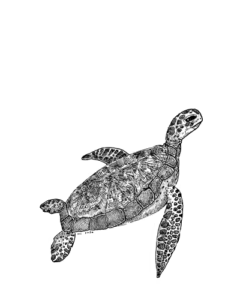
Hot, humid, and gloriously green. Mozambique is deep in the wet season, and the afternoons come alive with tropical storms. Diving can be hit-and-miss, but dolphin excursions are dreamy, and turtles are nesting on the beaches — their hatchlings making their first wild dash by month’s end. Gorongosa hits pause for the season as the rains turn the floodplains into a watery wonderland.
Green Season
February ushers in cyclone season and wind. Rainfall peaks in the south, and prices drop for those willing to endure the weather. Seas are warm, turtles abound, but visibility drops and diving conditions can be moody. Gorongosa remains closed while the land soaks up all the rain and turns neon-green.
Green Season
Cyclone season still lingers, humidity’s at its height, and the north now takes the brunt of the rain. Diving is fair, but the real showstoppers are the last of the turtle hatchlings racing for the sea. Gorongosa remains closed, as the rain makes getting around nearly impossible.
Secret Season
Change is in the air as storms retreat, humidity drops, and the country gleams from its summer soak. Days are warm, nights gentle, and everything’s still lush from the rains. Perfect for long, lazy days and dhow sails into golden sunsets. Seas are calm, fishing is excellent, and the ocean’s warmth lingers. Gorongosa reopens in cinematic style — rivers full and plains glittering. A month made for photographers (and green season romantics).
Peak Season
Dry season begins — cue blue skies and low humidity (hallelujah). Practically perfect beach days with sunshine, calm seas, and balmy temps. Ideal for island-hopping and dune picnics. Diving improves daily, and fishing is top-notch. Gorongosa comes into its own — lush but navigable, with golden mornings and that crisp, just-after-rain glow.
Peak Season
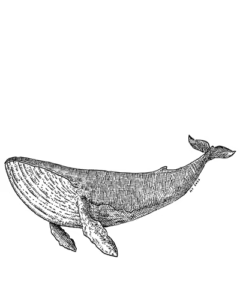
The sweet spot! Warm by day, cool by night, and not a cloud in sight — this is Mozambique at its most agreeable. Prime diving and snorkelling conditions, and the first humpback whale cruises by. Bring binoculars! Game viewing is stellar — the bush is thinning, animals are gathering near water, and nights are made for campfires and hot chocolate.
Peak Season
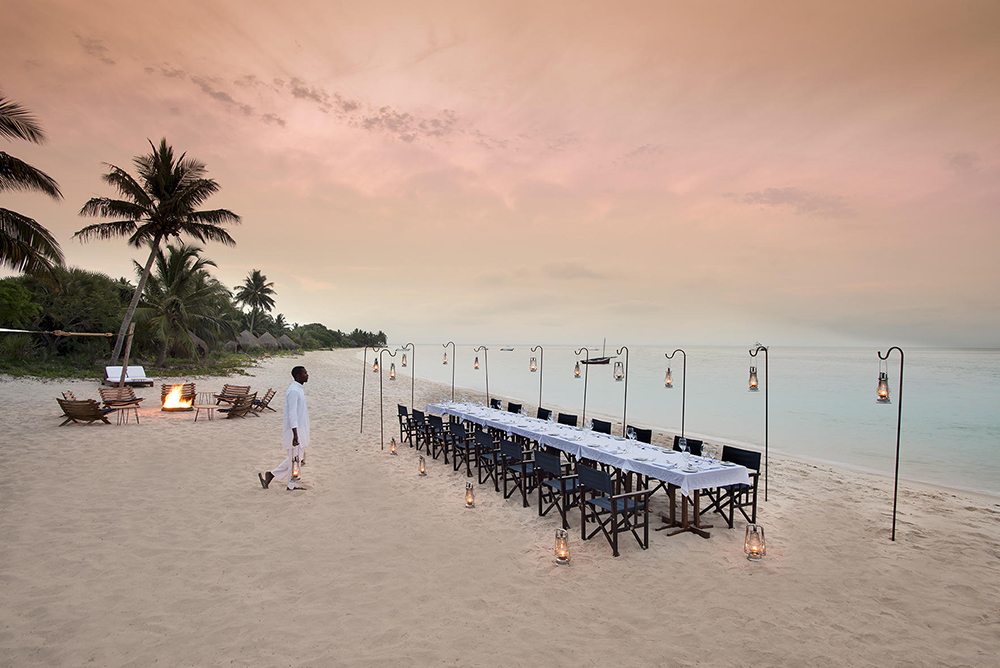
This is Mozam’s peak dry season — warm, sunny, and sparkling! Calm seas, breaching whales, and barefoot beach dinners under lantern light. Near-perfect diving conditions and fantastic fishing. Gorongosa steals the show with abundant wildlife and blissful weather, making it the ideal safari month.
Peak Season
The golden month. Balmy days, breezy nights, and a sea cool enough to refresh but not frighten. The beaches are almost unfairly perfect. Horse rides on the sand, dolphins at dawn, and picnics under the palms in the afternoons. Diving is sublime. At Gorongosa, wildlife congregates dramatically around shrinking waterholes. Early mornings are crisp, so pack that cosy jumper for sunrise drives.
Peak Season
Absolute perfection! September is full of warm days, cool nights, and bone-dry skies. The ocean warms, turning into a glassy aquarium. Whale sharks and mantas come into the picture, dolphins play daily, and diving is world-class. Gorongosa is at its peak — wildlife galore, clear views, and the kind of golden light photographers pray for.
Peak Season
This is the final stretch of the dry season before the rains arrive. Whale watching is superb, dolphins are ever-present, Whale sharks and mantas are still popping up, and the arrival of marlin makes for exciting fishing! At Gorongosa, Wildlife still wows, but it’s toasty. Early and late drives win the day — midday is strictly siesta territory.
Secret Season
The green season is tiptoeing in, sprinkling showers and that intoxicating scent of wet earth. The beach is tropical, steamy, and sensational for swimming with whale sharks and mantas. Turtles return to their nests on the beach, visibility remains decent for divers, and kiteboarders take advantage of the Northeast winds. The last month to enjoy Gorongosa before it closes for the wet season. Cue newborns and superb birding!
Green Season
Summer is here in full force! Hot, humid, and happily drenched in afternoon showers. Early December is still great for the beach with warm water, whale sharks, nesting turtles, and lush coastal greenery. Later in the month, heavy rains and the winds roll in — good excuse for long naps and cold 2Ms. Gorongosa officially closes mid-month for its sabbatical, as the roads vanish under water.
For a country best known for its beaches, Mozambique’s incredible diversity of landscapes may be surprising to some. Beyond the coral reefs bursting with colour, mangroves cradle the coastline, creating nurseries for countless species. Inland, rivers and lakes carve through miombo and mopane woodlands, giving way to wide-open grasslands where wildlife thrives. And in the highlands, cool montane forests echo with birdcall!
Nothing beats the magic of the Delta. Wild waterways, unbelievable wildlife, and that feeling that you’ve completely disappeared into nature.
Contact
For me, safari is all about the small things. The quiet sunrise drives, the stories around the fire, and the feeling that Africa gets under your skin.
Contact
Mozambique shines brightest during the dry season (May to October) — think blue skies, calm seas, and unbeatable diving conditions. If you’re visiting for marine life and want to see turtles, manta rays, and whale sharks, consider visiting between October and January.
Most travellers require a visa, but the process is easy. Many nationalities can now apply for an e-visa online or get one on arrival.
Most travellers fly into Vilanculos or Maputo, often connecting via Johannesburg. From there, a light aircraft will whisk you off to far-flung safari camps, and helicopters or boats to remote island lodges and coastal hideaways.
Yes — and the locals couldn’t be warmer. Most visits are completely trouble-free, especially in tourism hubs like Vilanculos and Bazaruto. You will be very well taken care of.
It would be silly not to! Mozambique pairs perfectly with Botswana or South Africa. Or, you can keep it all local with a Gorongosa safari before heading to the coast. It’s the ultimate bush-and-beach combination!
In a word, spectacular. Mozambique’s coast offers some of the best diving in the Indian Ocean — think coral gardens, whale sharks, manta rays, dolphins, turtles, and migrating humpback whales. Visibility and conditions vary by season, but even snorkellers will find it unforgettable.
Yes to both — just for very different reasons! Honeymooners fall for the barefoot-luxury lodges and empty beaches, while families love the warm water, island adventures, and friendly vibe. Some lodges cater specifically to families with kids’ programs and private villas.
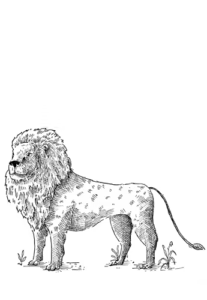
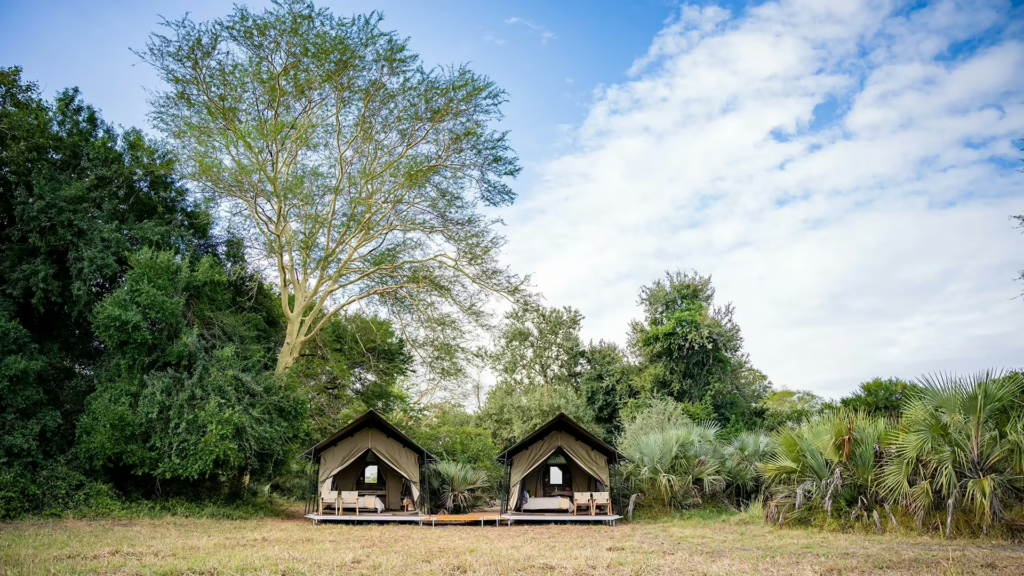
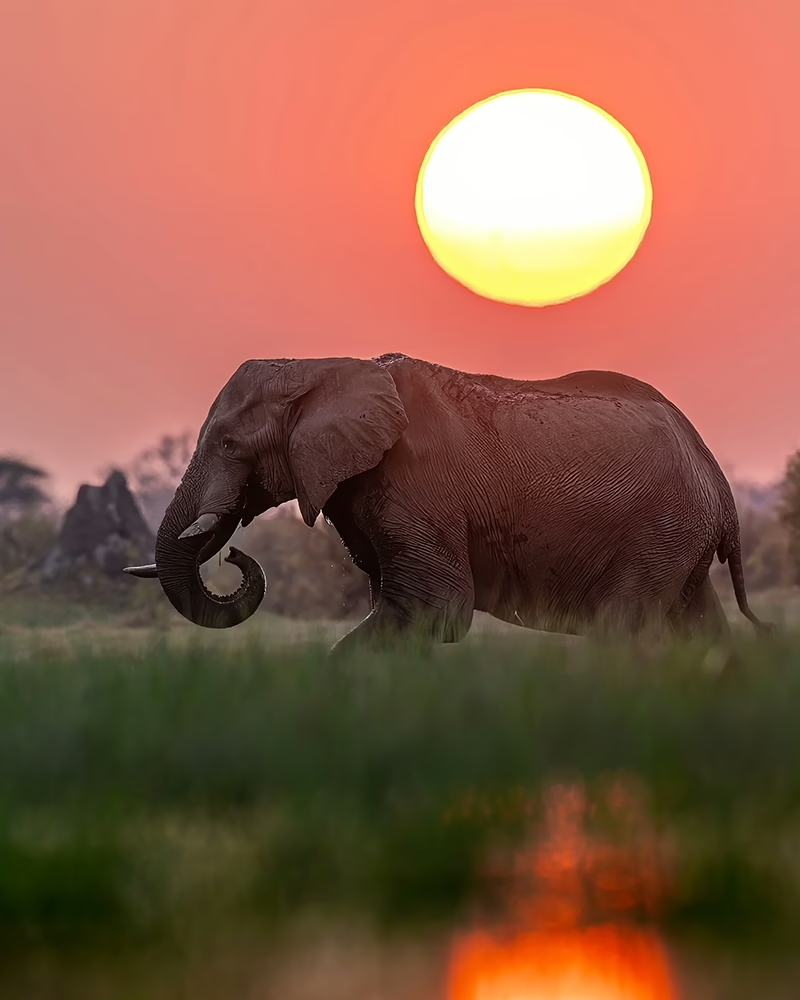
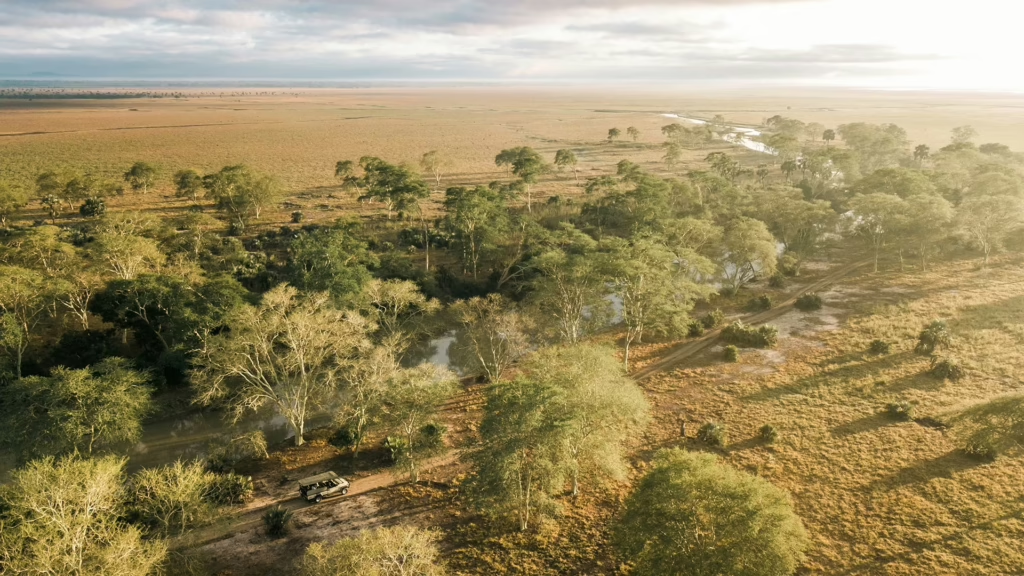
Once known as “Africa’s Lost Eden,” Gorongosa has staged one of the most remarkable wildlife comebacks on the continent. After years of restoration, its floodplains now teem with lions, elephants, antelope, and over 400 bird species — a living, breathing success story for conservation. Add in mountain forests, volcanic lakes, and a strong focus on community-led tourism, and you’ve got a safari that’s as soulful as it is spectacular.
Take a look around for a bit of inspiration.
Tell us what your dream safari looks like.
Next, your Personal Travel Planner will schedule a call to plan the perfect adventure.
Confirm your trip and get packing.
Ready to go? Give us a shout and let’s start planning your next adventure. We’re almost as excited as you are.