Around 160 million years ago, when dinosaurs still had the run of the place, the southern supercontinent Gondwana began to tear itself apart. Africa drifted one way, India another, and a small, unassuming sliver of land was sent wandering into the Indian Ocean.
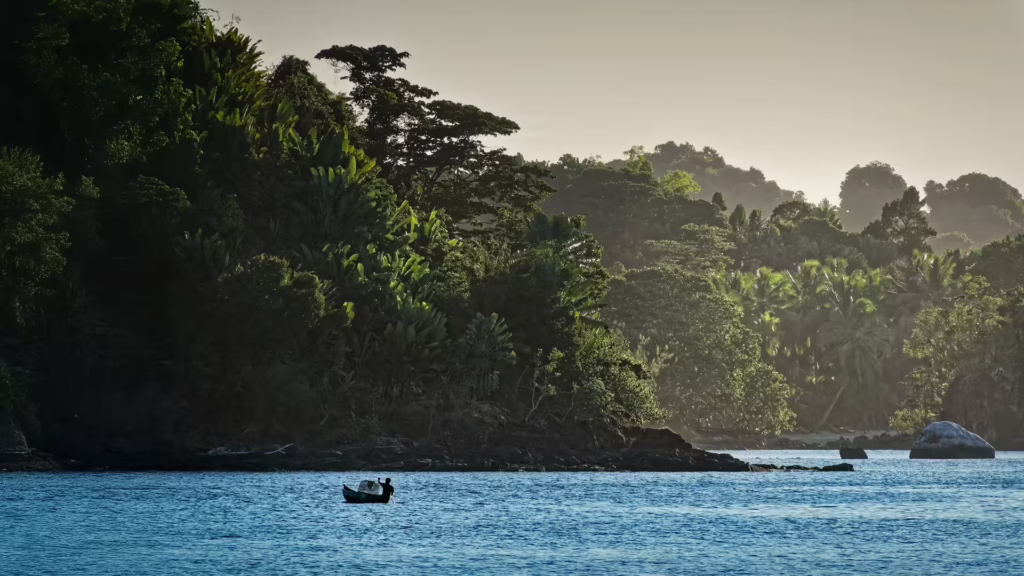
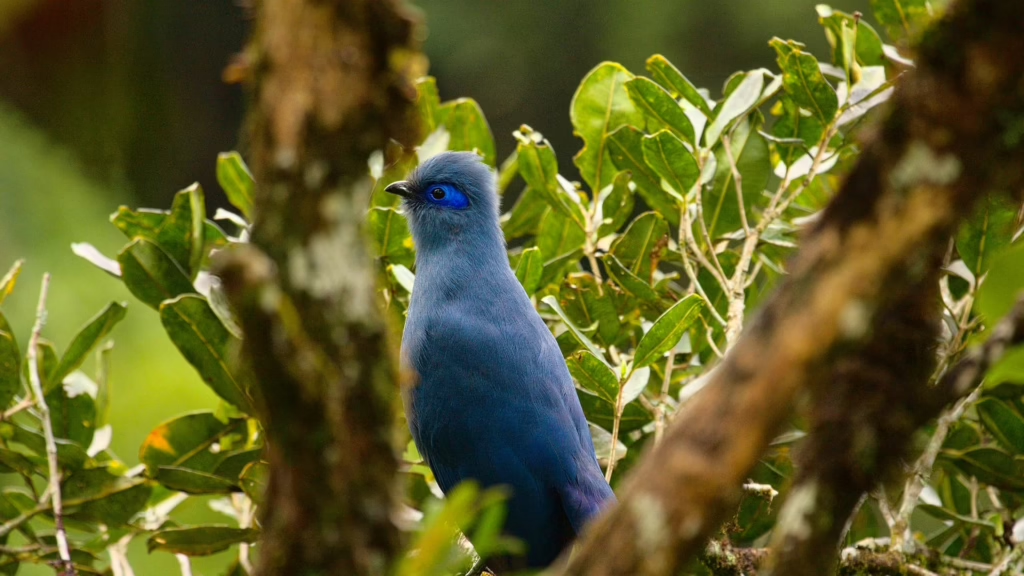
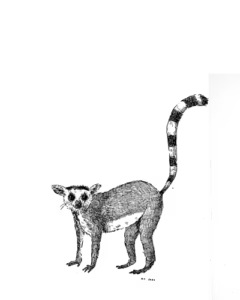
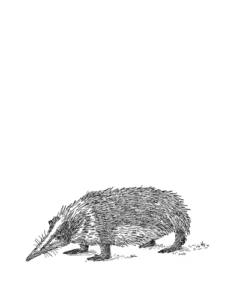
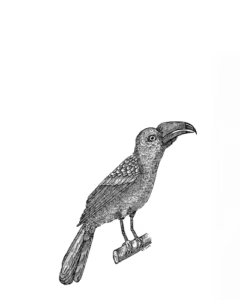
Left in glorious isolation, Madagascar evolved. Rainforests thickened and tangled. Life crept, leapt, clung and disguised itself into crazy creatures found nowhere else on Earth. With very few rules and the imagination of a Dr Zeus mushroom trip, what emerged was not quite Africa, not quite anywhere else, but an entire world unto itself. Over a hundred iterations of lemur later, the island crawls with the brilliant and bizarre. From carnivorous fossa (nowhere near as terrifying as the film suggested), and prickly tenrecs, to chameleons that range from thumbnail-sized to house-cat proportions. If nothing else, boring is firmly off the table.
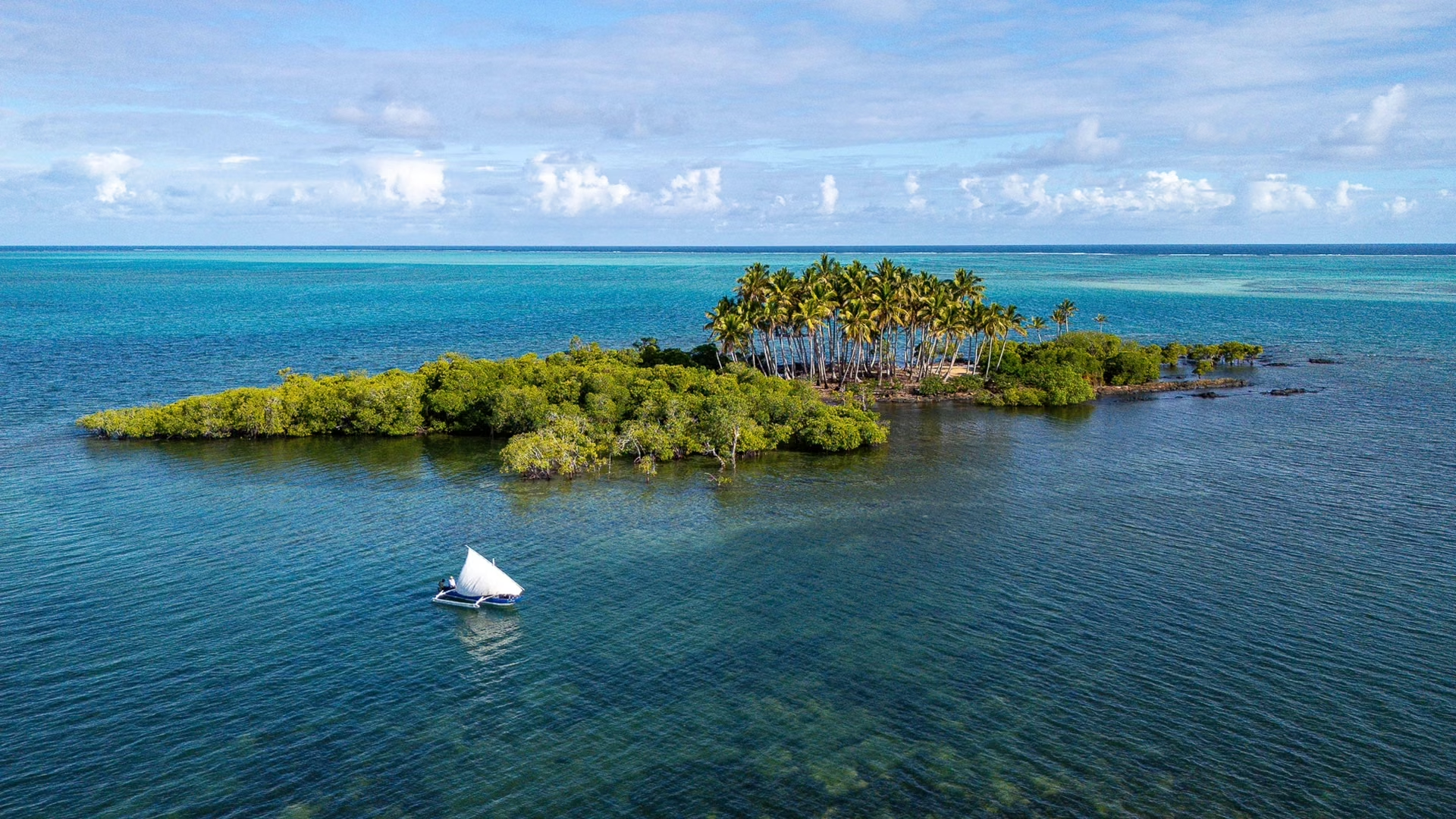
Of course, something this extraordinary was never going to stay secret forever. Deserted archipelagos, vanilla-scented turquoise shores and whale-rich waters drew seafarers like magnets. Kingdoms rose, settlers came, trade routes formed, and pirates found their perfect hideout. Ships scurried. Treasure was buried. Stories of plunder, rebellion and vanished fortunes settled into Malagasy folklore.
Today, the natural world is what draws people here. That, and the allure of a deserted island with the company of nothing else but a jolly good book. They call it the eighth continent for good reason. For an island, it’s pretty darn big, and just as diverse as any other continent would be. So, as you can imagine, getting from A to B is very much part of the adventure.

Given its dramatic tropical climate, choosing when to visit Madagascar will make or break your trip. Wildlife is in sync with the seasons, and weather plays a huge role in accessibility — so timing is everything.
Green Season
It’s the deep wet season — hot, humid, and cyclone-prone. Heavy tropical rains make roads muddy, many lodges close, and travel is usually quite difficult.
Green Season
It’s the height of cyclone season, with soaring temperatures and spectacular storms. The rainforests thrive on it, but it makes travel pretty difficult.
Green Season
Cyclone risk drops significantly, but rain continues, and humidity hangs thick. The landscapes are moody, misty, and extraordinarily lush. Not for the faint-hearted, but rewarding for those who don’t mind unpredictable skies.
Secret Season
Rainy season ends and Madagascar exhales. The sun reappears, the landscape glows emerald, and baby lemurs and chameleons emerge. Fewer tourists, better rates, and a glorious sense of having the place to yourself.
Secret Season
One of Madagascar’s most beautiful months. Clear skies, cooler air, lush forests, and abundant wildlife! Beaches are glorious, trails are firm, and the light is exceptional.
Peak Season
Arguably the sweet spot. The rains have faded, the forests are still vivid green, and wildlife is fantastically active. Cool, calm, and photogenic from every angle. Humpback whales begin arriving off the northeast coast toward the end of the month.
Peak Season
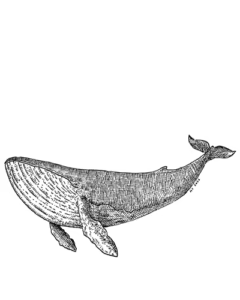
High season begins. Cool, dry, and perfect for every outdoor adventure. Humpback whales arrive on the east coast around Île Sainte-Marie. Trails are firm, beaches are dreamy, and the forests hum with life.
Peak Season
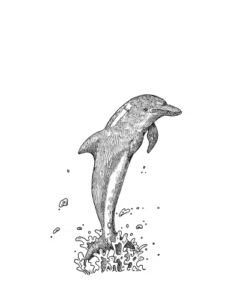
Blue skies, spectacular whale watching, and some of the best beach weather of the year. Humpbacks are at peak numbers around Île Sainte-Marie and Nosy Be. Birding is exceptional. Days are sunny but mild — ideal for hiking, diving, or island-hopping.
Peak Season
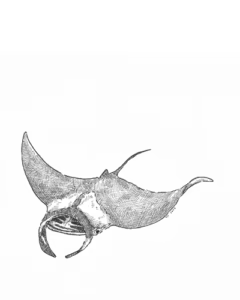
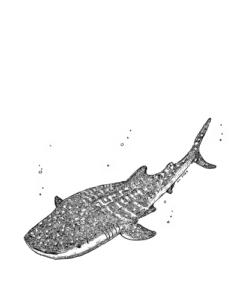
Many rate this the best month in Madagascar — and it’s hard to argue. The weather is warm and dry, lemurs are giving birth (tiny babies clinging to mothers’ backs), birdlife explodes in colour and noise, and whale sharks begin arriving in Nosy Be. Humpback whales are still around, too. Forests, beaches, and islands are all at their finest.
Peak Season
It is warm, dry, and buzzing! Lemur families leap through the canopy, birdlife fills the skies, and whale sharks continue in Nosy Be through to December. It’s Fossa season in the western forests — Madagascar’s elusive, cat-like predator becomes unusually active during its mating season!
Secret Season
Temperatures climb, and the first rains arrive as Madagascar shifts towards summer. Wildlife is still superb; whale sharks continue in Nosy Be, reptiles and frogs become more active, and night walks in the rainforest are exceptionally rewarding. The beaches remain beautiful. A great final window before the rains take hold.
Secret Season
Early December can be warm and beautiful — catch it right and it’s still excellent. But the rains build quickly, humidity rises, and cyclone season looms by month’s end. Later in December brings dramatic skies and lush rain-washed scenery.
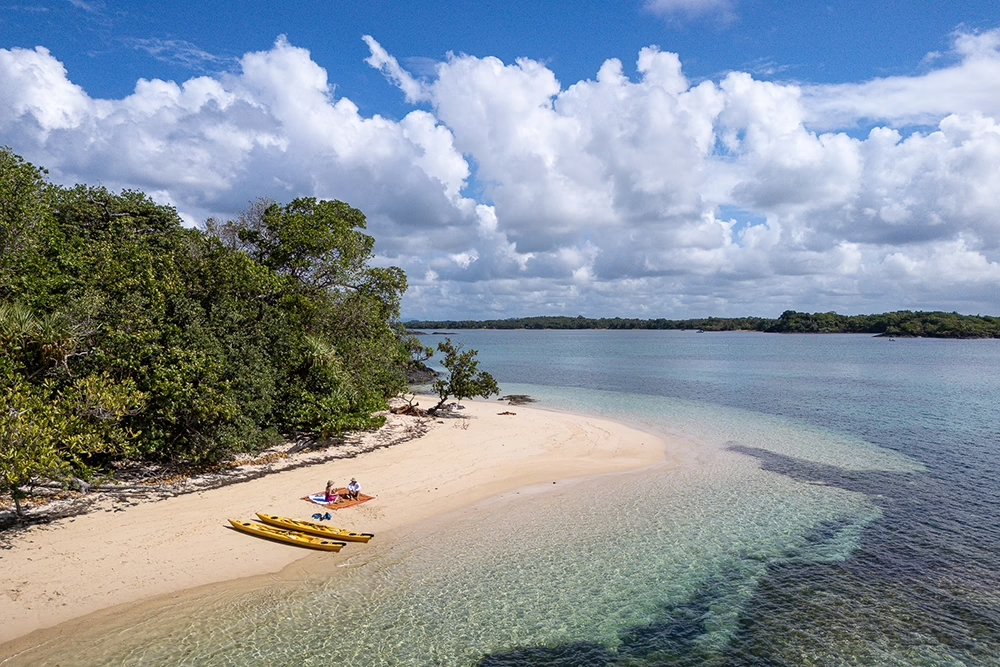
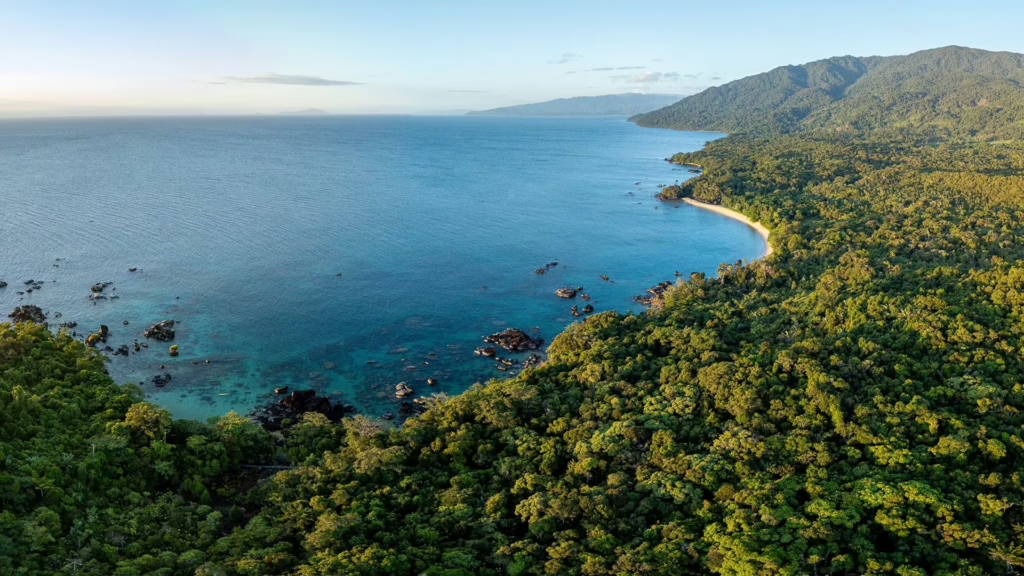
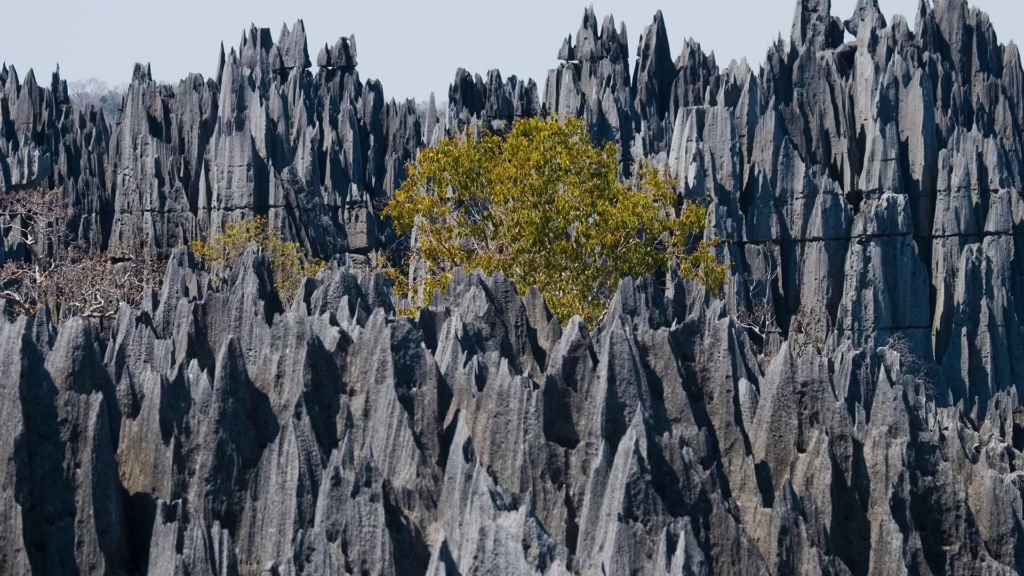
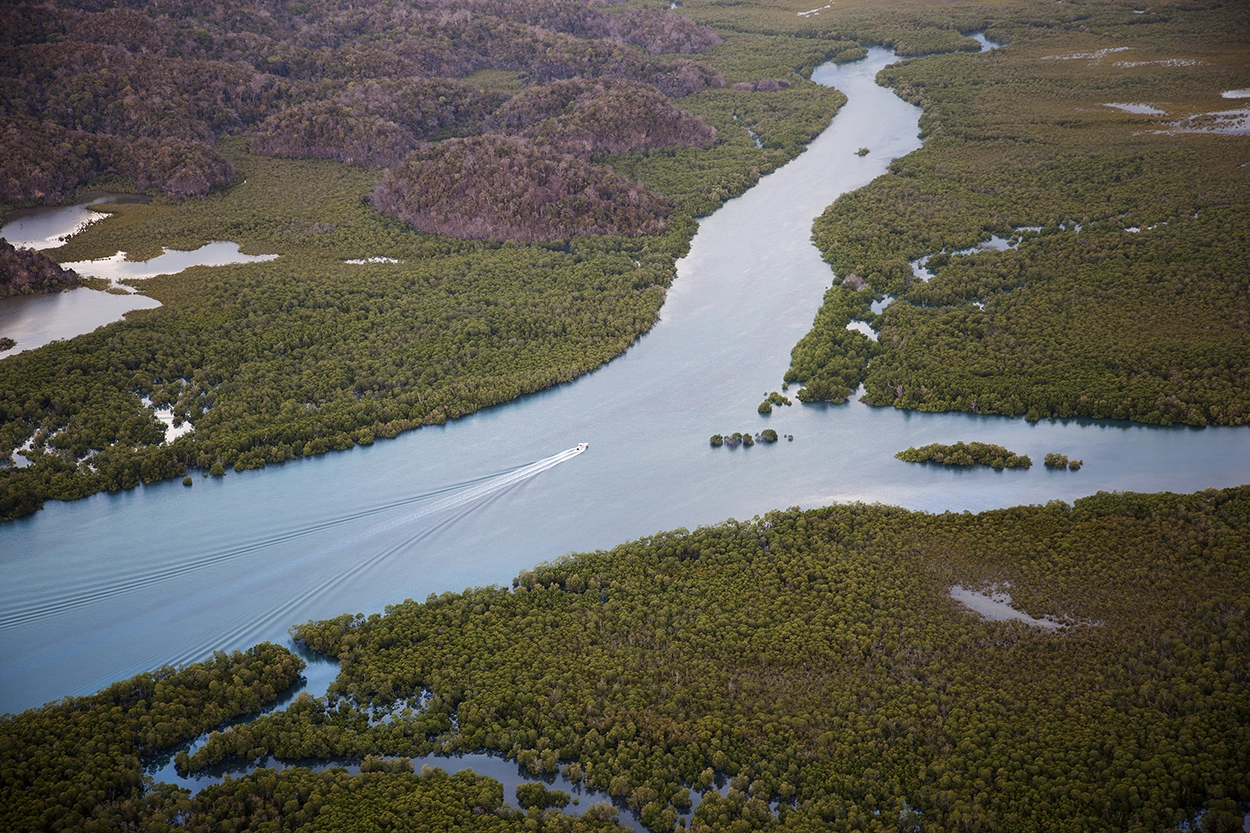
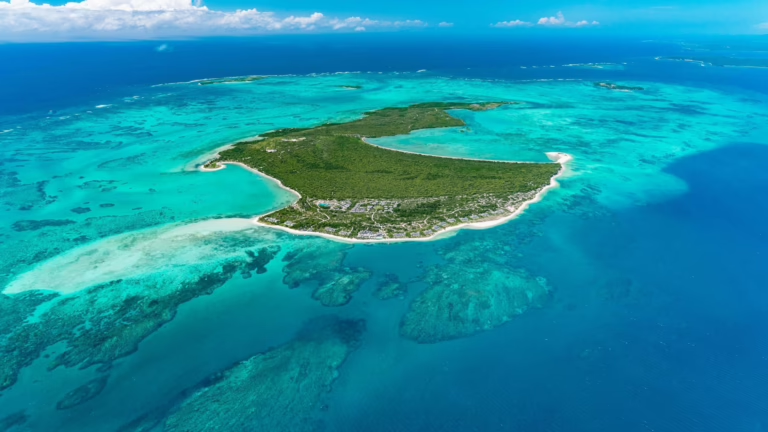
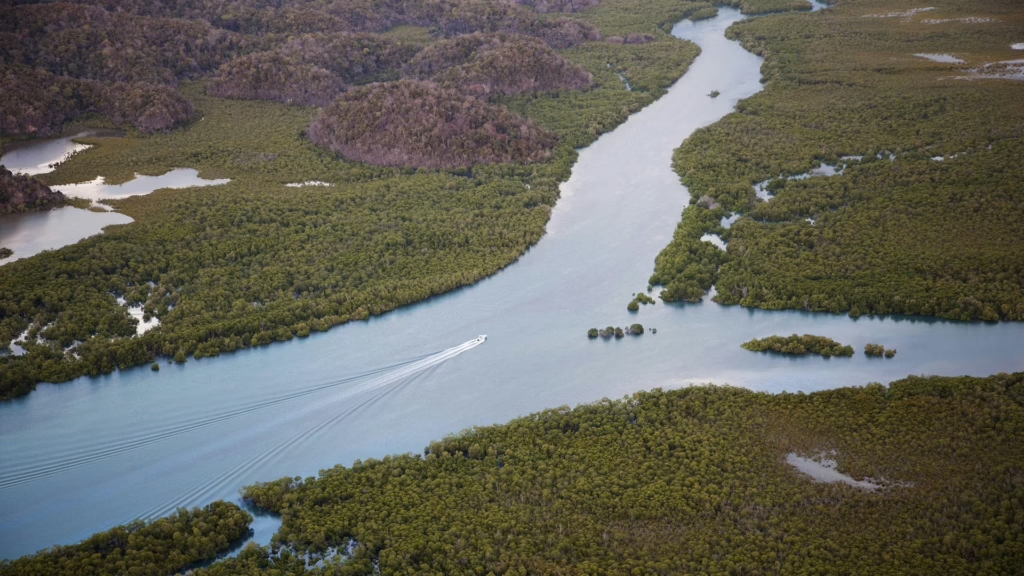
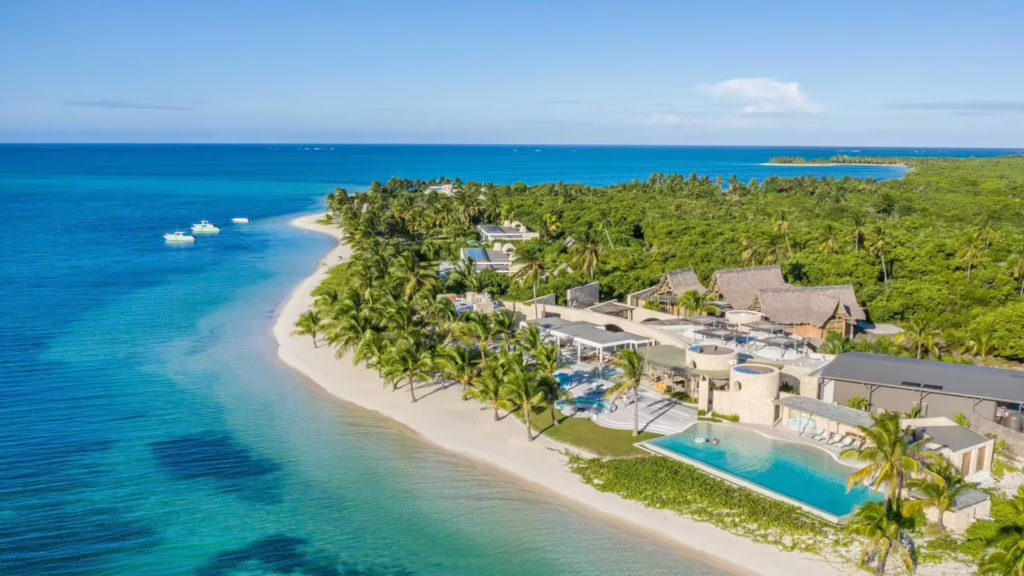
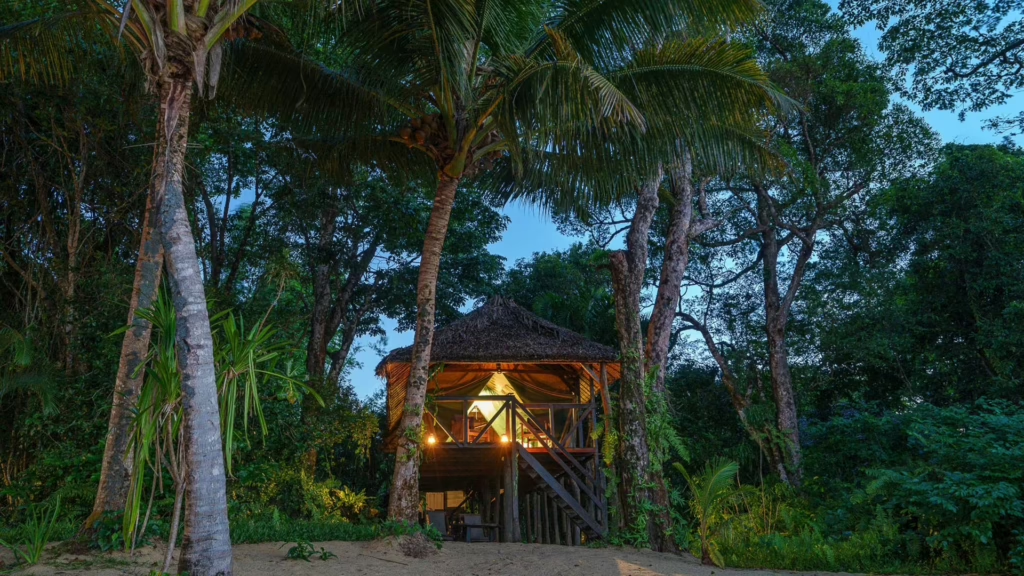
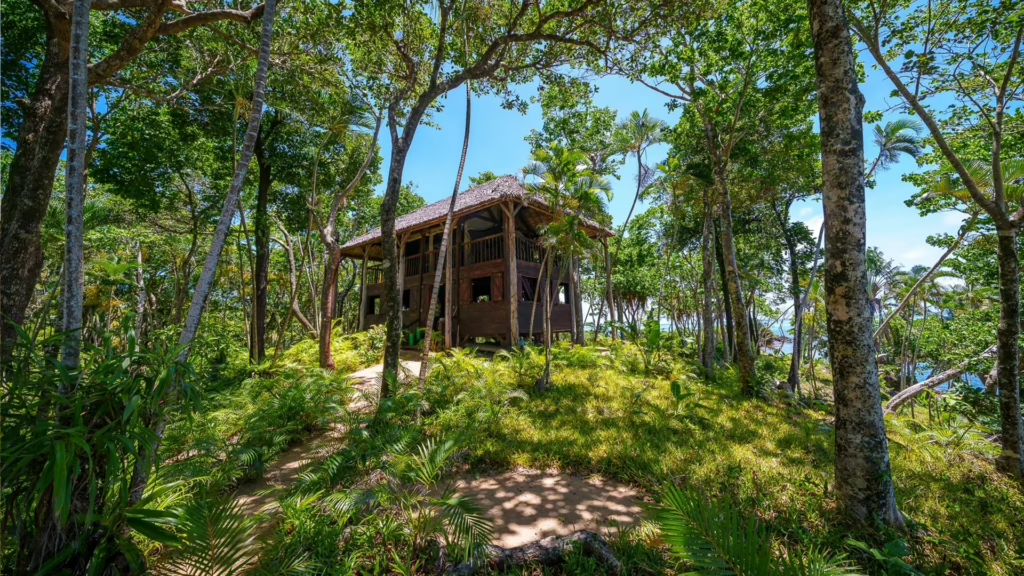
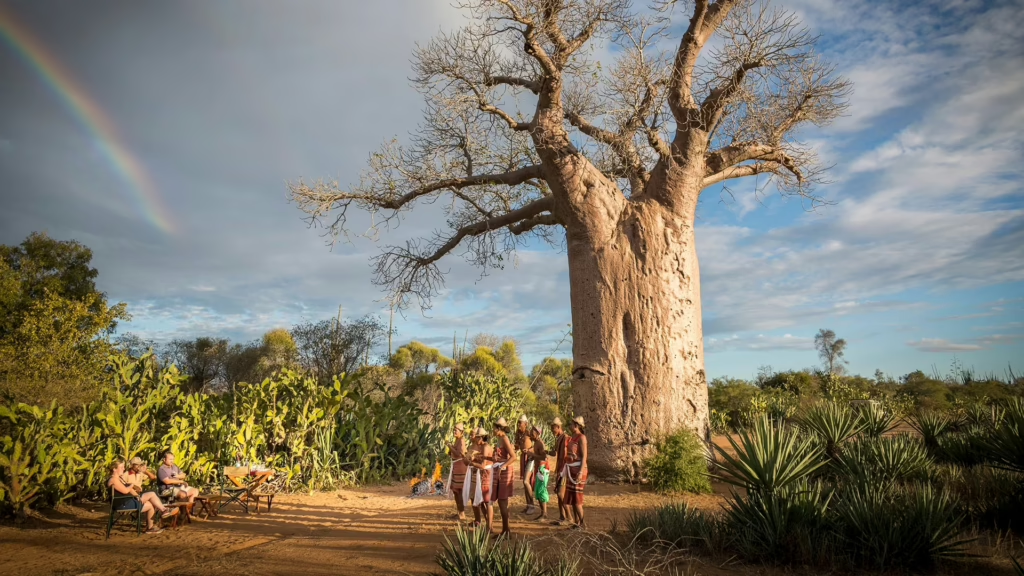
Off the northern coast, Nosy Be is the gateway to a scattering of island hideaways. Snorkel the reefs of Nosy Tanikely, wander the lemur-filled Nosy Komba, or retreat entirely to Nosy Ankao, where luxury takes the form of a deserted island. Further east, Île Sainte‑Marie is an island of pirate folklore, humpback whales, and wild rainforest – a microcosm of Madagascar’s strange and layered charm. The east coast delivers your rainforest fix, with Andasibe and Masoala taking care of every lemur dream. Head west and the scenery shifts dramatically. Gravity-defying limestone tsingy, baobabs in every direction, and the forested shores of Anjajavy.
All of this, and people fly right over it to go to Mauritius? Could never be us.
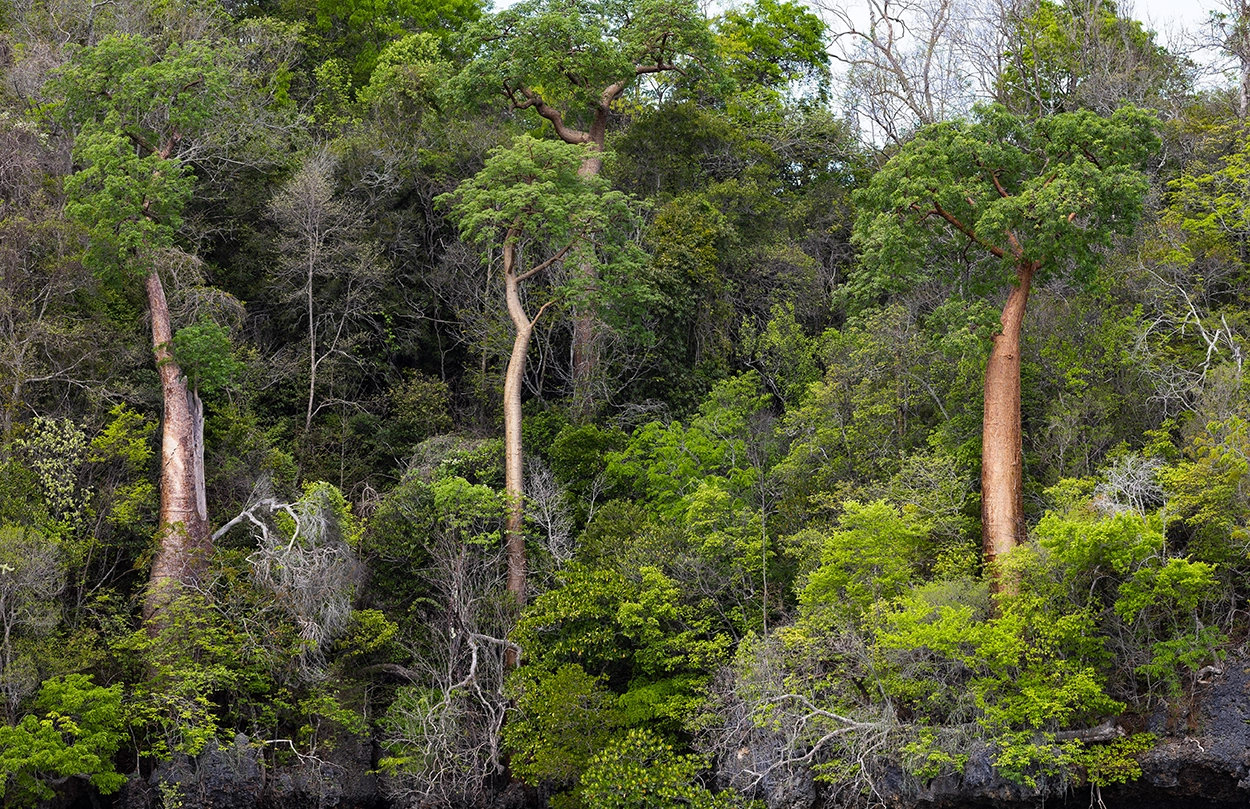
Land of the strange and spectacular, Madagascar is one of the most ecologically diverse places on Earth. Imagine this: six of the world’s eight baobab species are Native to Madagascar. Lush rainforests give way to spiny thickets, while coral reefs shimmer just offshore. It’s this wild variety of habitats, shaped by millions of years of isolation, that makes Madagascar such an extraordinary cradle of life.
Nothing beats the magic of the Delta. Wild waterways, unbelievable wildlife, and that feeling that you’ve completely disappeared into nature.
Contact
For me, safari is all about the small things. The quiet sunrise drives, the stories around the fire, and the feeling that Africa gets under your skin.
Contact
The best time to visit is from April to October during the dry season, when humidity is low, and wildlife is at its most active. Between migrating whales, baby lemurs, and absolute pearler beach and dive days, you can’t get much better.
Absolutely — Madagascar pairs beautifully with Southern Africa’s great safari regions. Just about anywhere in Southern Africa connects seamlessly with Madagascar via Johannesburg. Many travellers combine it with Botswana, South Africa, and Zambia, ending their bush adventure with barefoot island bliss on Madagascar’s coast or private islands.
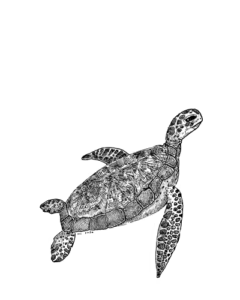
Forget the Big Five — this is a world of its own. Madagascar is home to over 100 species of lemurs, chameleons big and small, the fossa (its elusive top predator), migrating whales, and five species of sea turtles. Over 90% of its wildlife is endemic, meaning you won’t find it anywhere else on Earth.
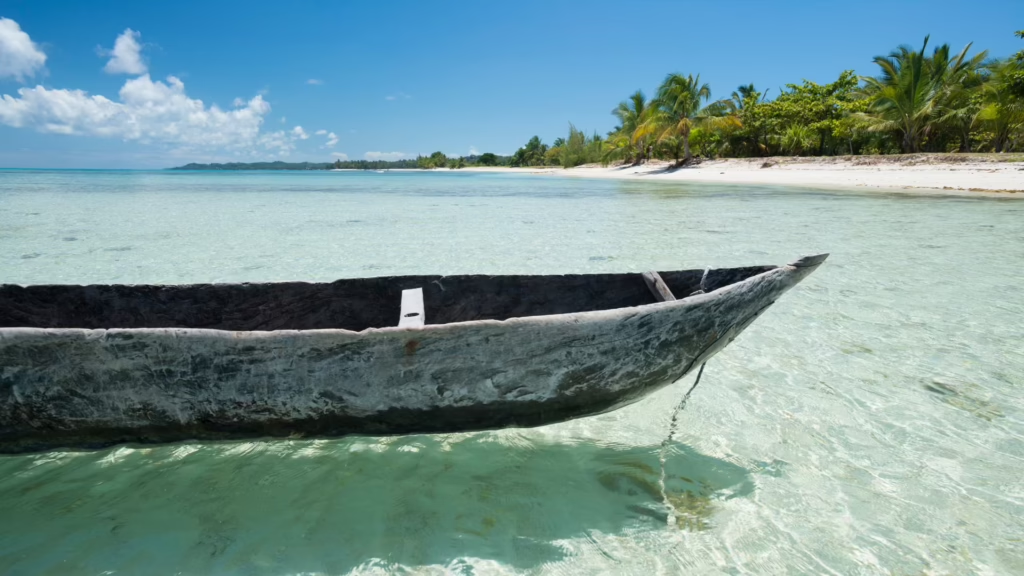
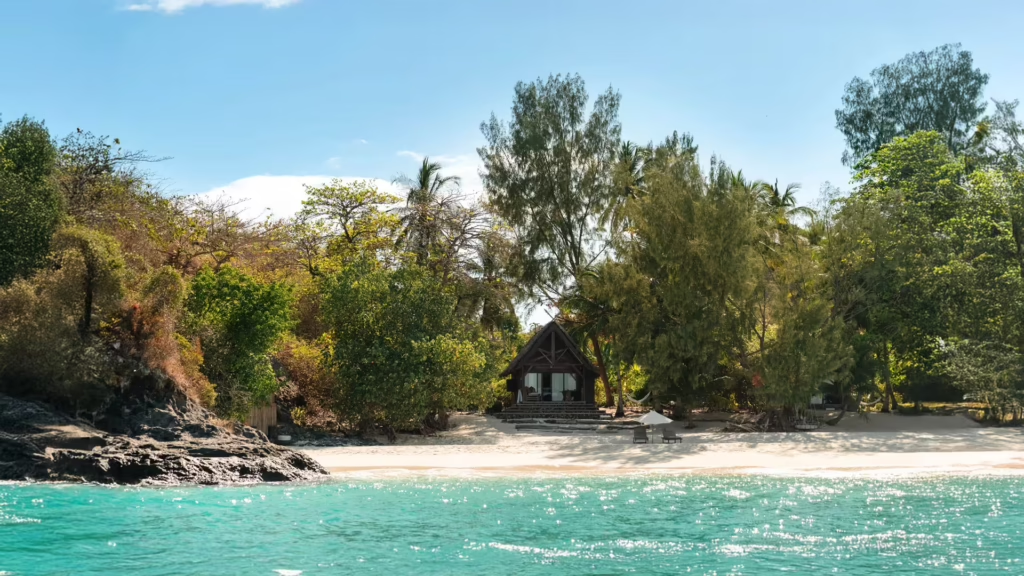
Is the Pope catholic?. Madagascar’s coastline and nearby islands are fringed with powdery beaches, coral reefs, and azure lagoons that rival anywhere in the Indian Ocean. Nosy Be, Nosy Komba, and Nosy Ankao are standouts for diving, snorkelling, and “blue safaris.”
Yes — most visitors need a tourist visa, which can be obtained on arrival at the airport or online before you travel. Visas are typically valid for up to 30 days and can be extended if you plan to linger longer.
Yes, malaria is present across most of the country, particularly in coastal and low-lying areas. It’s best to take malaria prophylaxis and use repellent and mosquito nets at night. We always recommend consulting your doctor before travelling to malaria areas.
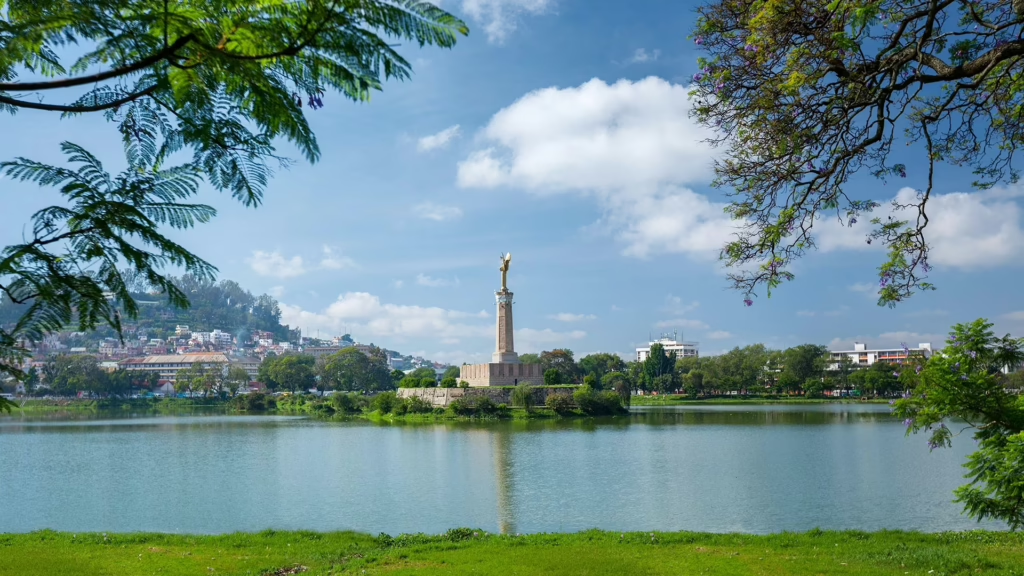
Most travellers fly via Johannesburg, Nairobi, or Addis Ababa into Antananarivo (Tana), the capital, or directly into Nosy Be. From there, it’s short internal flights or scenic drives to your chosen region — or a helicopter hop to your private island paradise.
Madagascar is an adventurer’s playground. Explore rainforests and national parks, track lemurs, hike volcanic highlands, dive coral reefs, sail between islands, and walk among the famous baobabs. There’s as much (or as little) to do as you like.
Take a look around for a bit of inspiration.
Tell us what your dream safari looks like.
Next, your Personal Travel Planner will schedule a call to plan the perfect adventure.
Confirm your trip and get packing.
Ready to go? Give us a shout and let’s start planning your next adventure. We’re almost as excited as you are.