Visiting Gorongosa National Park isn’t your typical safari trip – aside from extraordinary animal encounters, you’ll contribute to the recovery of wildlife, witness groundbreaking scientific research in action and support a plethora of community development initiatives.
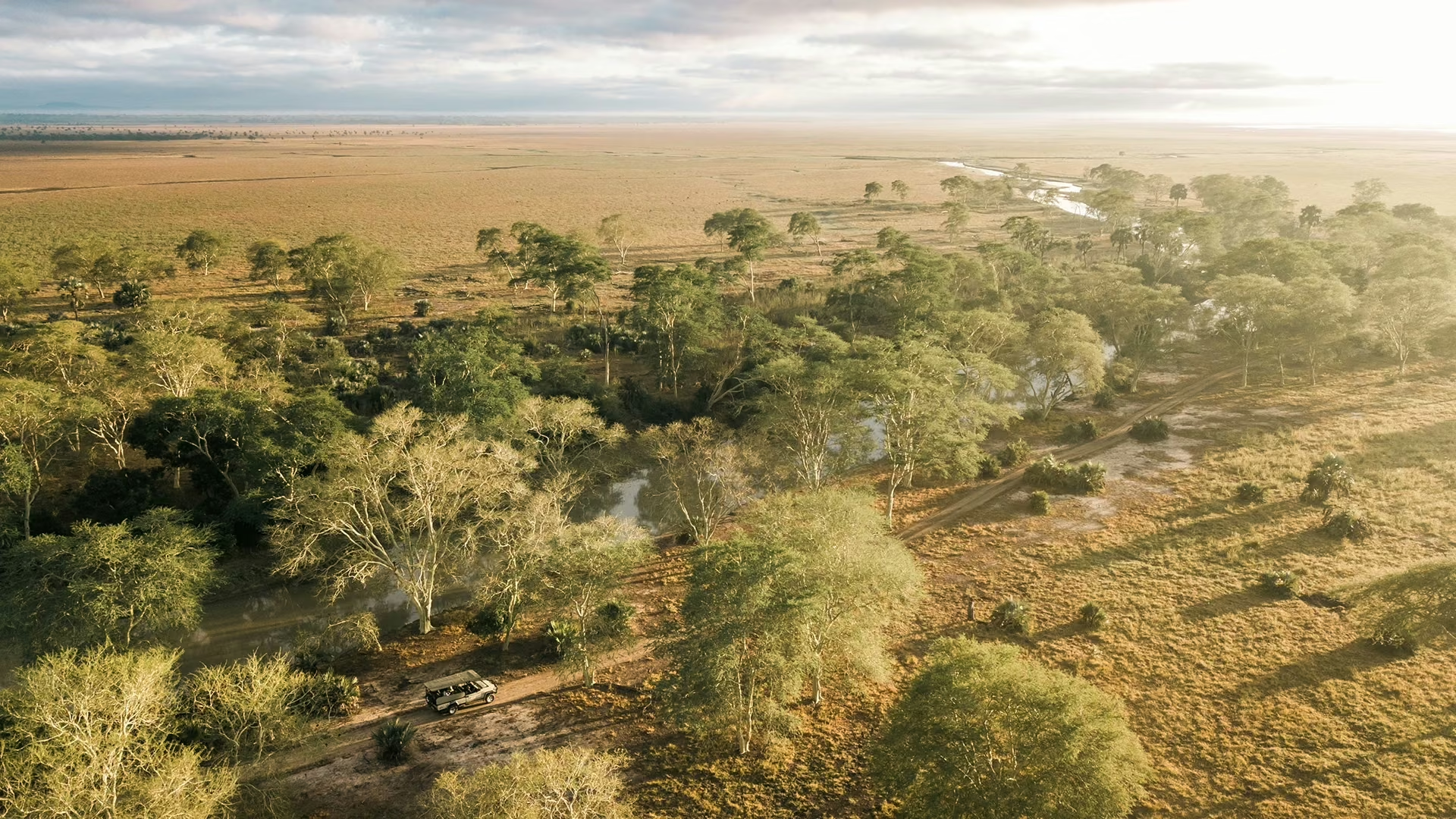
That said, the safari experience alone is truly special. Wild dogs chase herds of antelopes across the plains, lions prowl the woodlands, and crocodiles cram the park’s waterways in chilling numbers. Testy elephants trumpet at passing game vehicles, and pangolins crawl around the undergrowth, snacking on some of the 200 ant species that exist here. From the wild giants to teeniest critters, Gorongosa National Park is thriving – but it’s been a journey.
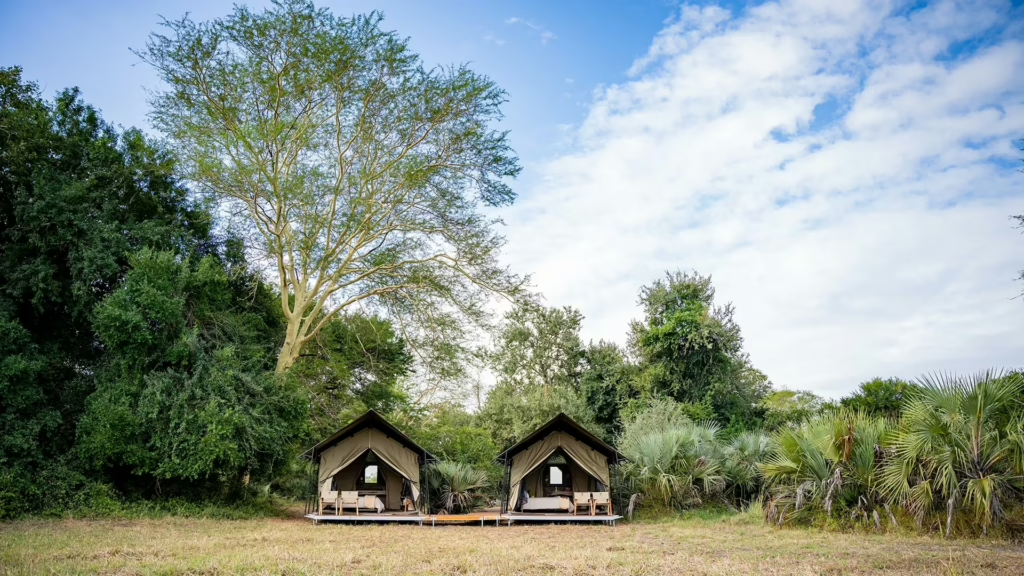
Gorongosa National Park was once a celeb-favoured destination, before Mozambique’s civil war put it out of action for years. In 1992, the conflict ended, and the government began repairing and restocking the park, which had lost most of its wildlife. These efforts were accelerated by the Gorongosa Restoration Project, established by philanthropist Greg Carr in 2004. Today, the successes are evident: wildlife has returned, communities have more economic opportunities and social and health initiatives, and gorgeous new camps have been opened to boost tourism. A real Mozambican success story.
Game drives aren’t just thrilling ways to see wildlife. You’re also contributing to habituation efforts, especially amongst elephants who were once hunted (you know they never forget) – every game drive reinforces the fact that we aren’t here to hurt them. There are umpteen other things to see and do, too. Cruise around Lake Urema playing croc or log? Take a bush walk to notice the small stuff, like a dung beetle fighting for its life, trying to push its mucky ball up an incline. Paddle a canoe along the Pungué River, pulling up on the bank for a stiff gin and tonic to toast the sunset. You can travel to Mount Gorongosa’s stunning waterfalls for a dip (and a photo op, who are we kidding?), visit the pangolin rehab centre and drop by the park’s lab – eco-geek heaven.