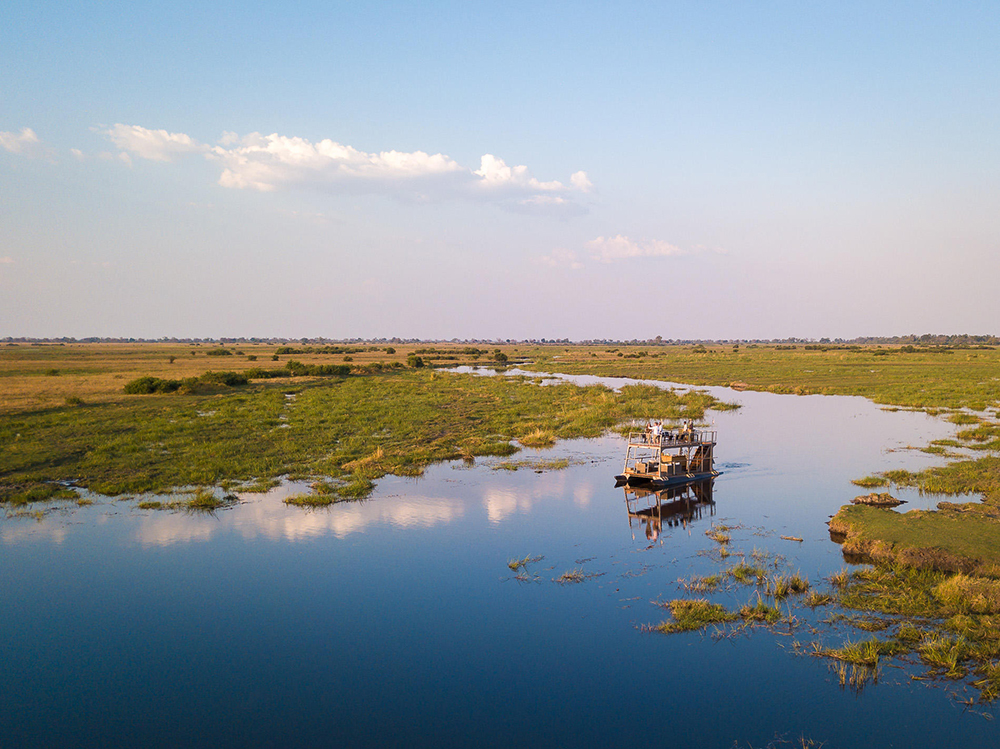
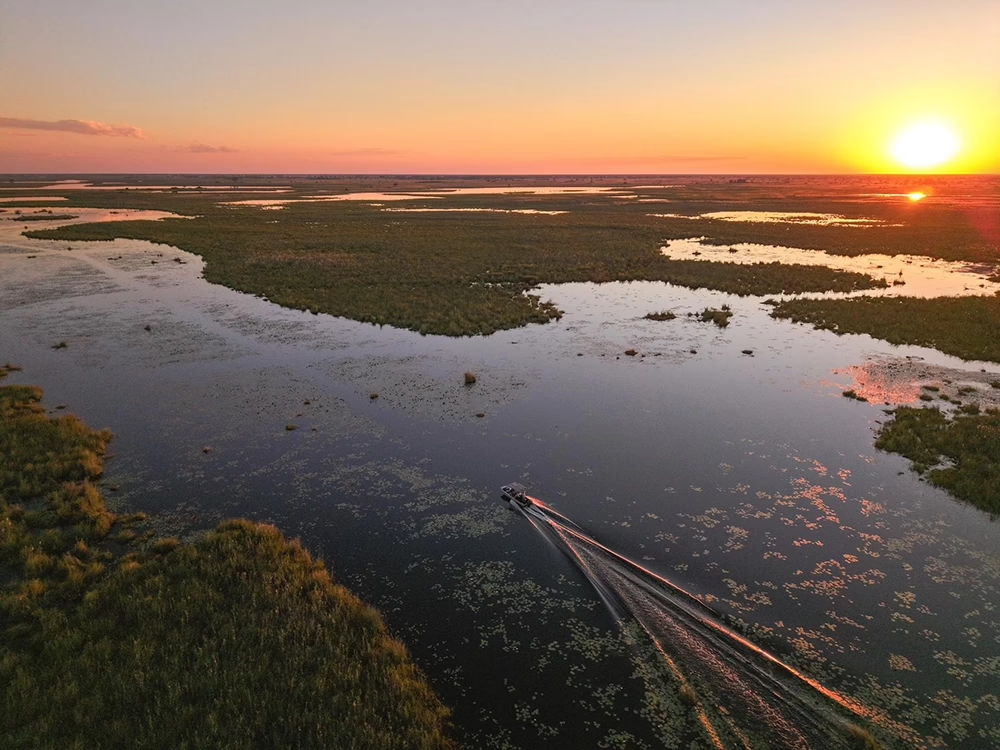
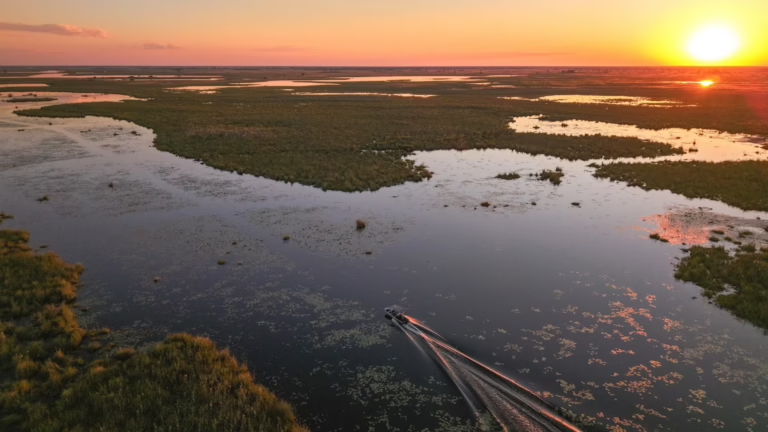
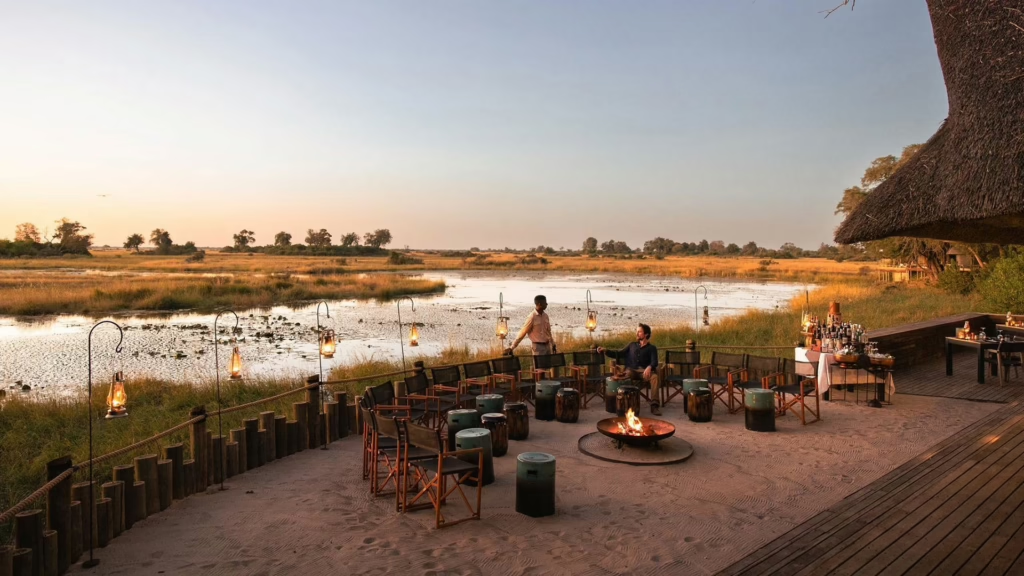
Fed largely by the Kwando River, the Linyanti Swamp is a wild threshold — a wetland stepping stone between the Okavango Delta to the west and the Chobe-Zambezi River system to the east. Its channels shimmer at the heart of the Kalahari sand basin like a string of great seasonal lakes, threaded together by the sinuous Selinda and Savuti channels. In the 1850s, explorer David Livingstone stood before the Savuti channel and declared, against the evidence of his own eyes, that it could not possibly flow in two directions. He was wrong. Beneath the deep sands, subtle tremors of earthquake activity stir the channels into motion: flowing steadily one way, then, seemingly without reason, falling still and reversing course entirely. Even now, no one can say exactly when it will happen next — making the Savuti one of Africa’s great mysteries.
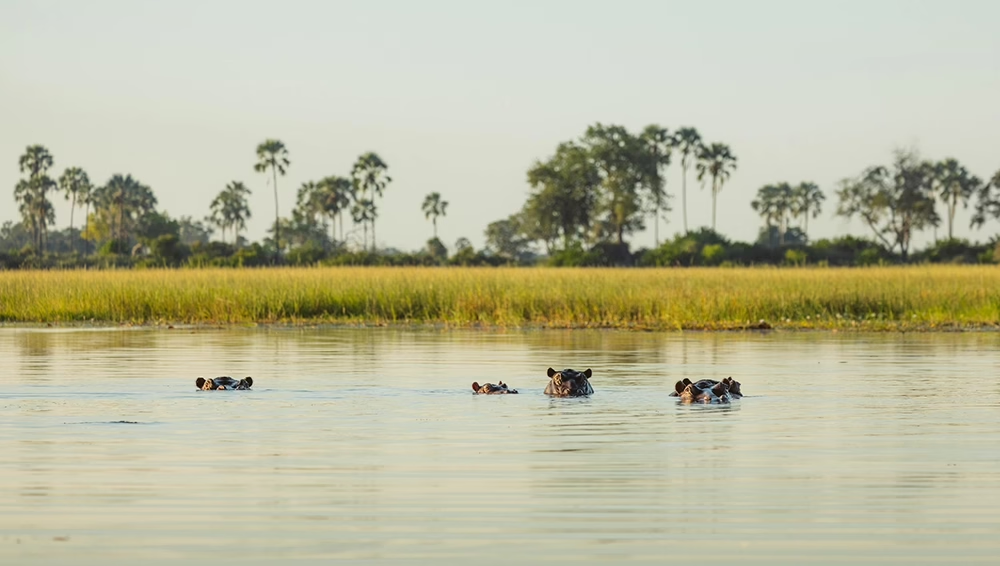
The contrast between the Linyanti Region’s watery realm of riverine forests, reed-lined passages, hippo-filled pools and the arid mopane savanna makes for one of Africa’s most exciting landscapes. Within it lies the Linyanti Wildlife Reserve, a private concession of roughly 1,250 square kilometres along the river’s southern bank — not far off the size of Los Angeles. Sandwiched between two of the continent’s most famous safari names, the Okavango Delta and Chobe National Park, Linyanti lives quite happily in their shadow: every bit as spectacular, but with a fraction of the foot traffic.
More than scenery, Linyanti is a vital crossroads for migrating game moving between the greater waterways. As the region’s seasonal waterholes dry up through the winter months, the river becomes one of the last permanent water sources for miles, drawing wildlife in from far beyond the reserve’s own boundaries. It’s no accident, then, that Linyanti sits within the Kavango-Zambezi Transfrontier Conservation Area — a 500,000-square-kilometre conservation network spanning five countries — or that researchers have pinpointed this very stretch as the busiest wild dog highway in the region: the single most-travelled escape route for packs dispersing across the wilds of Botswana, Namibia, Angola, Zambia and Zimbabwe.
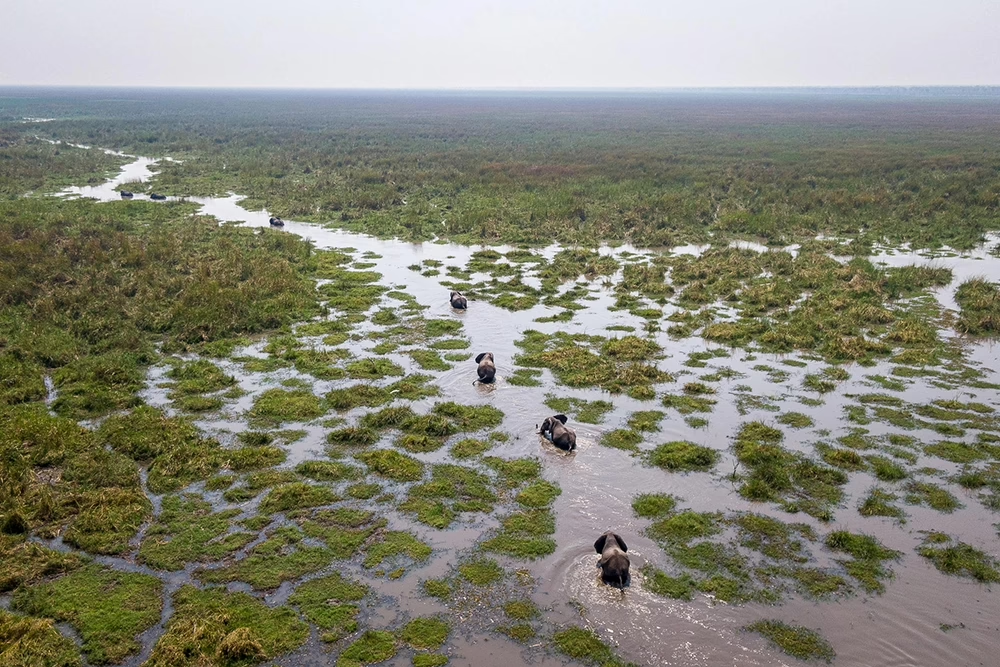
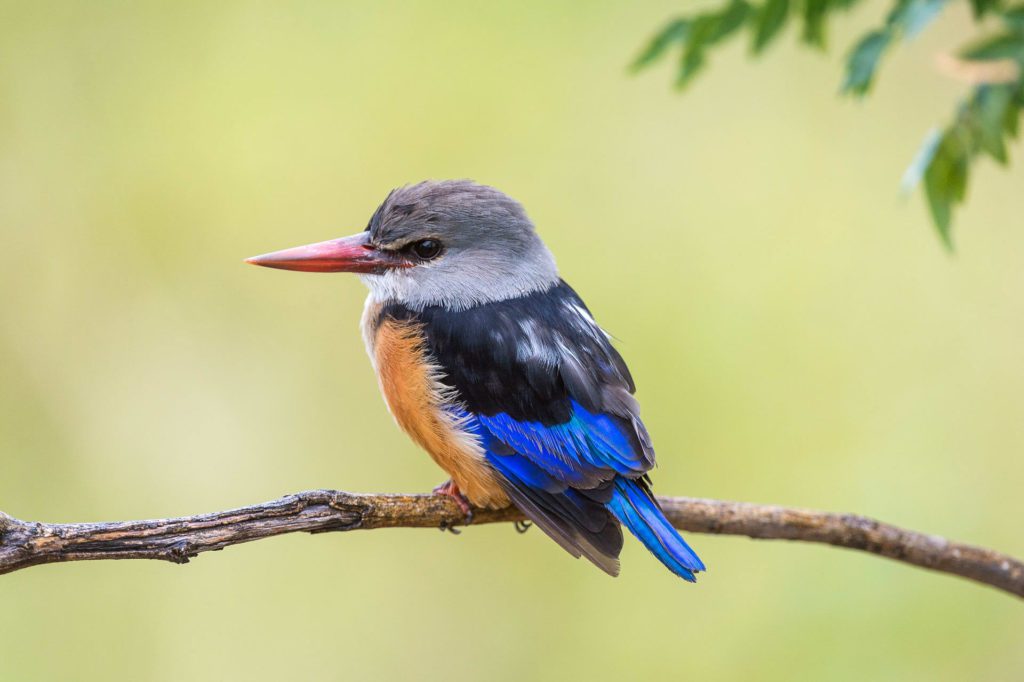
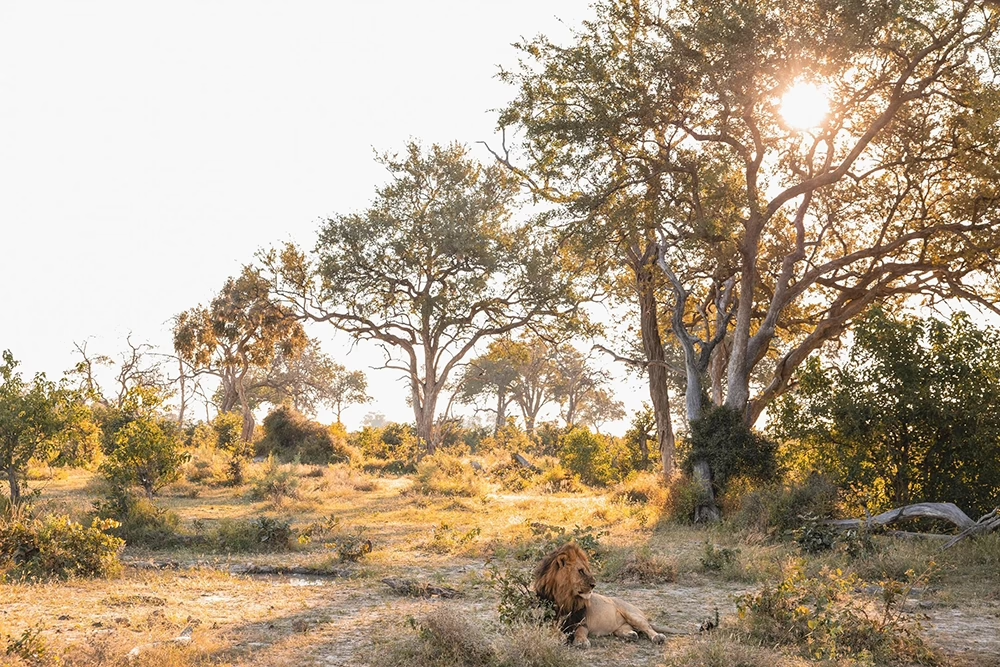
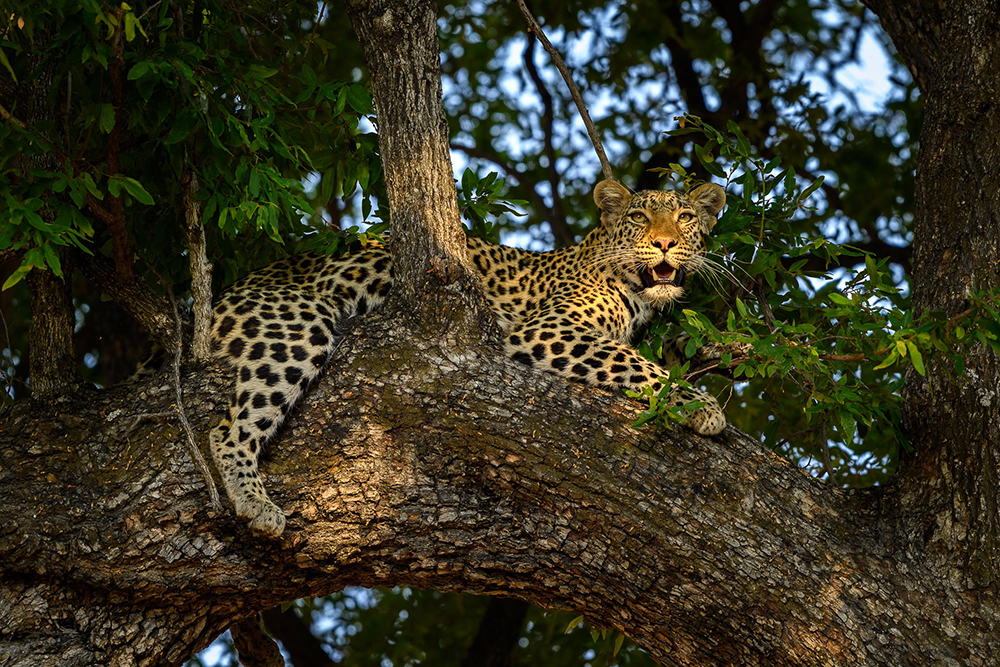
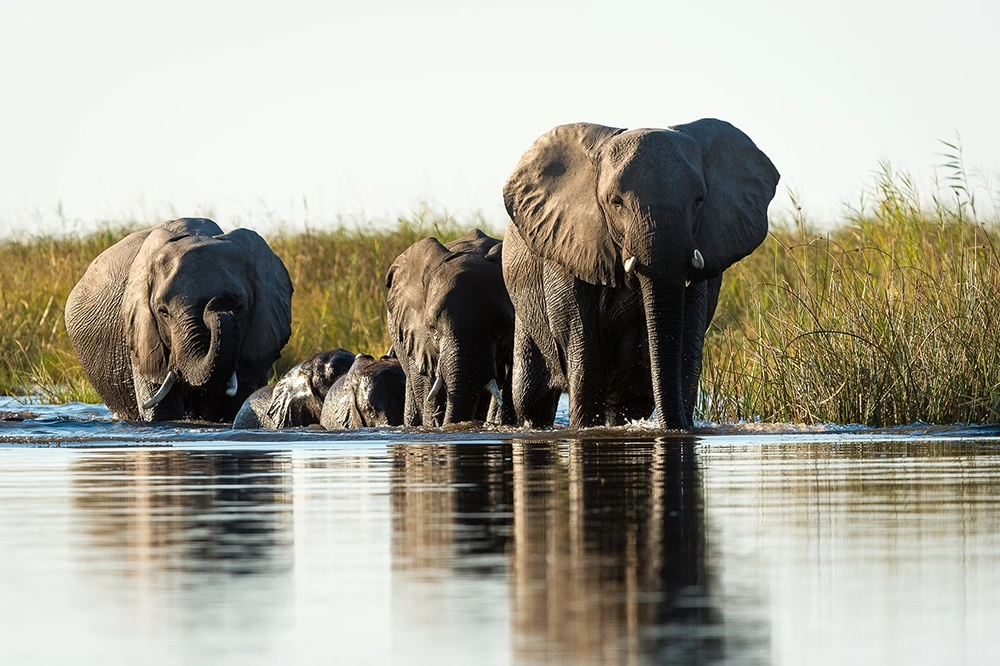
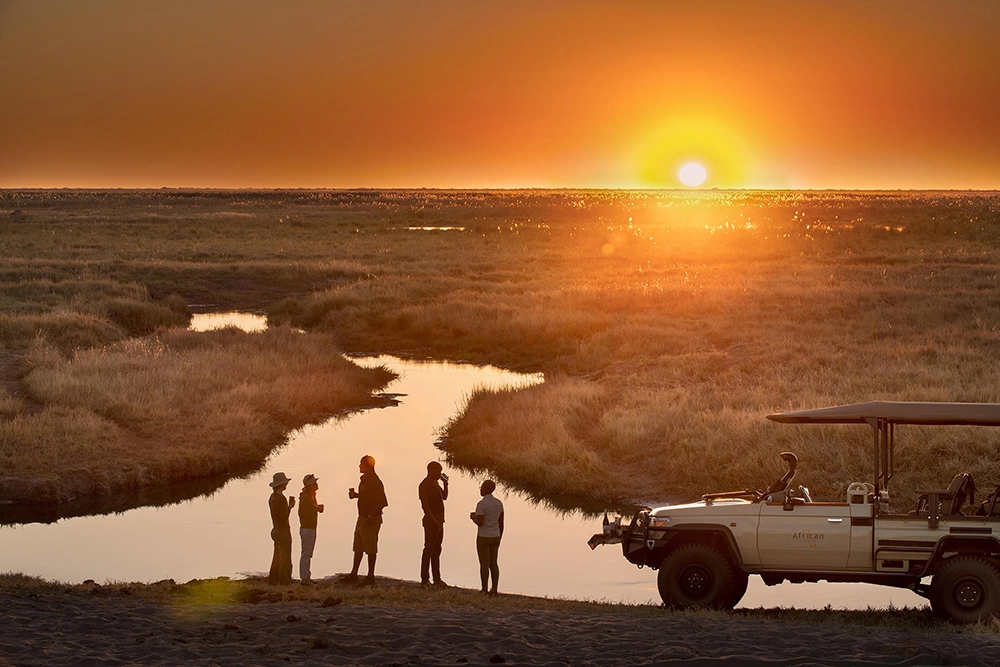
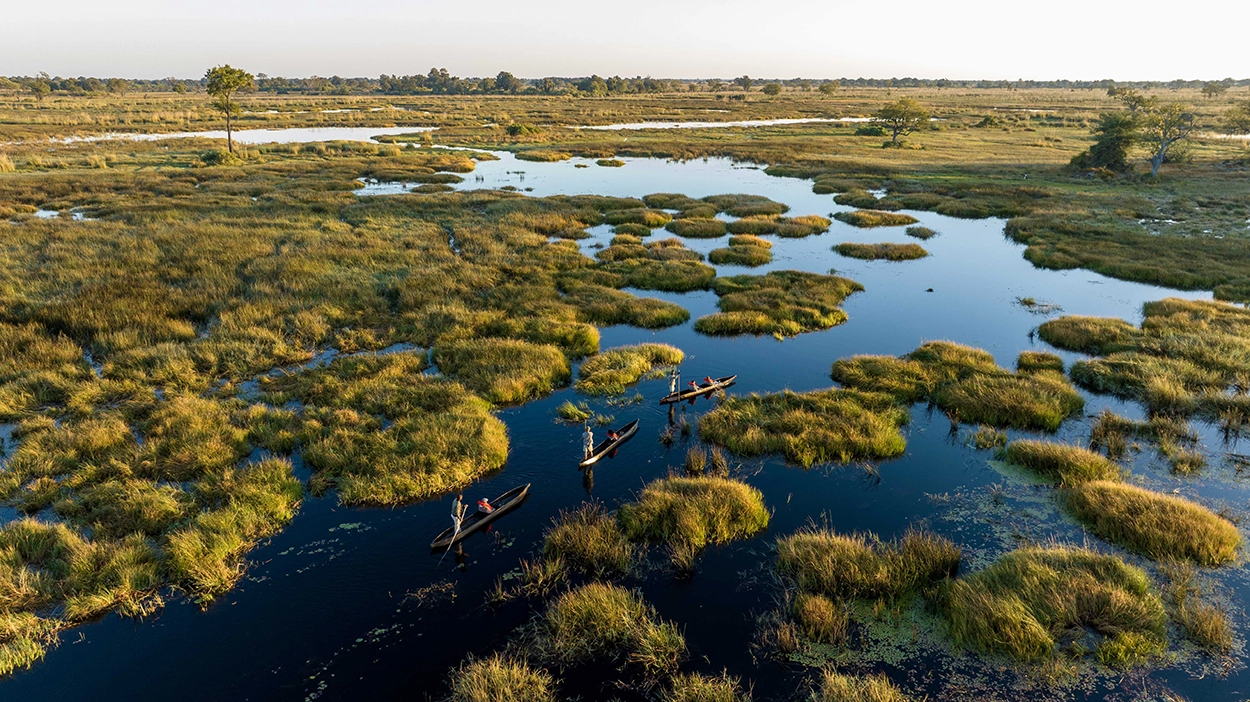
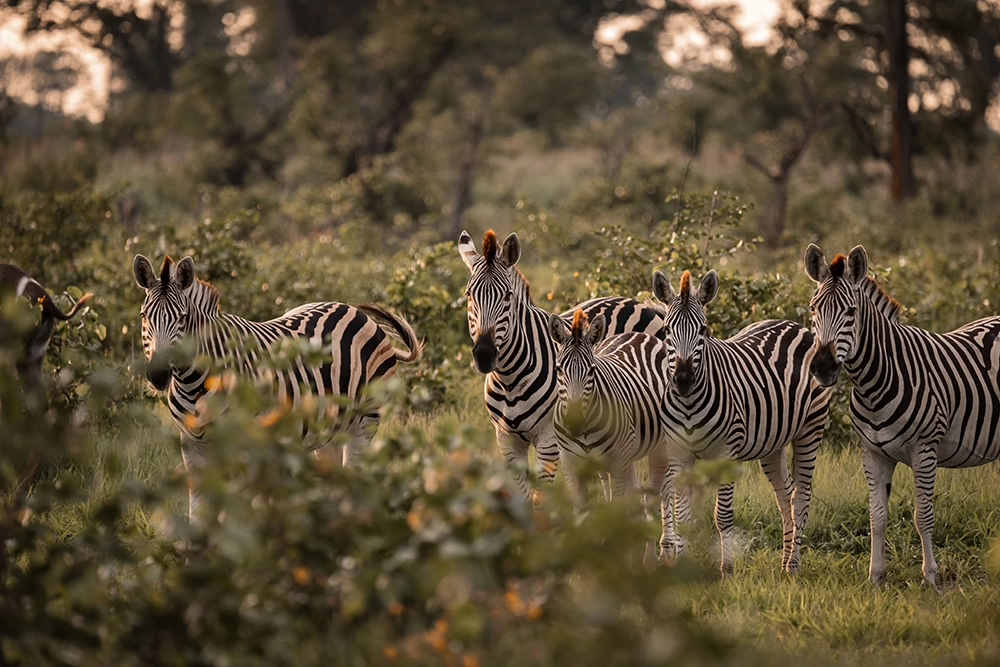
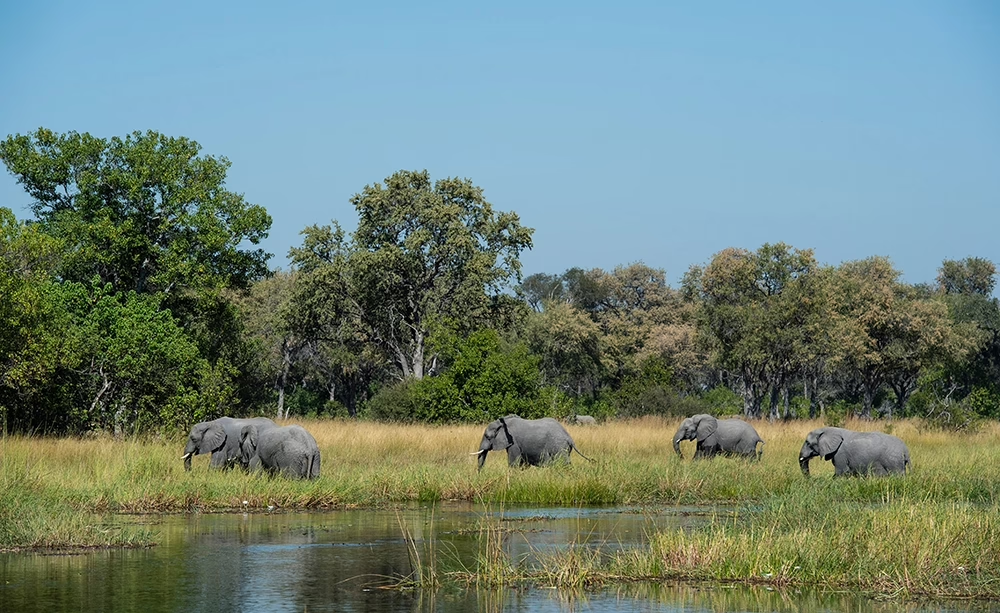
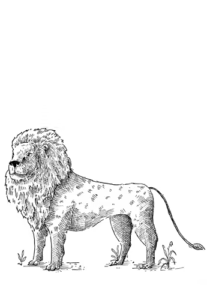
Elephant and buffalo herds arrive by the thousand, trailed by lion, leopard and those wide-ranging wild dogs. Overhead and along the reedbeds, the reserve is full to the brim with birdlife. See it by mokoro, gliding silently through the wetlands; by vehicle; or on foot, tracking at ground level. And on any given game drive, there’s a fair chance you won’t see another vehicle at all.
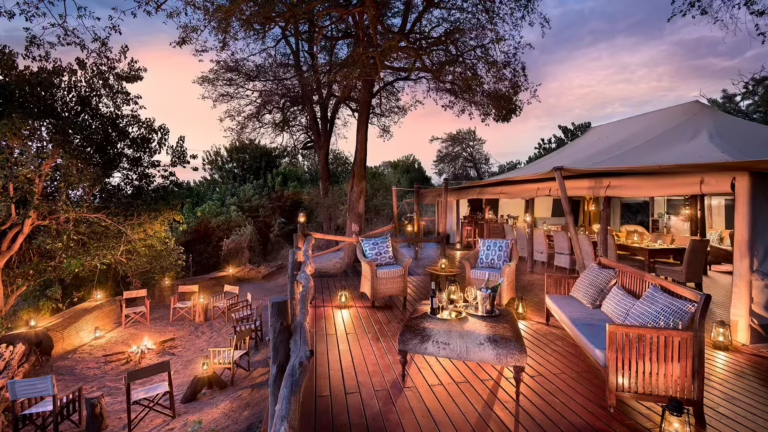
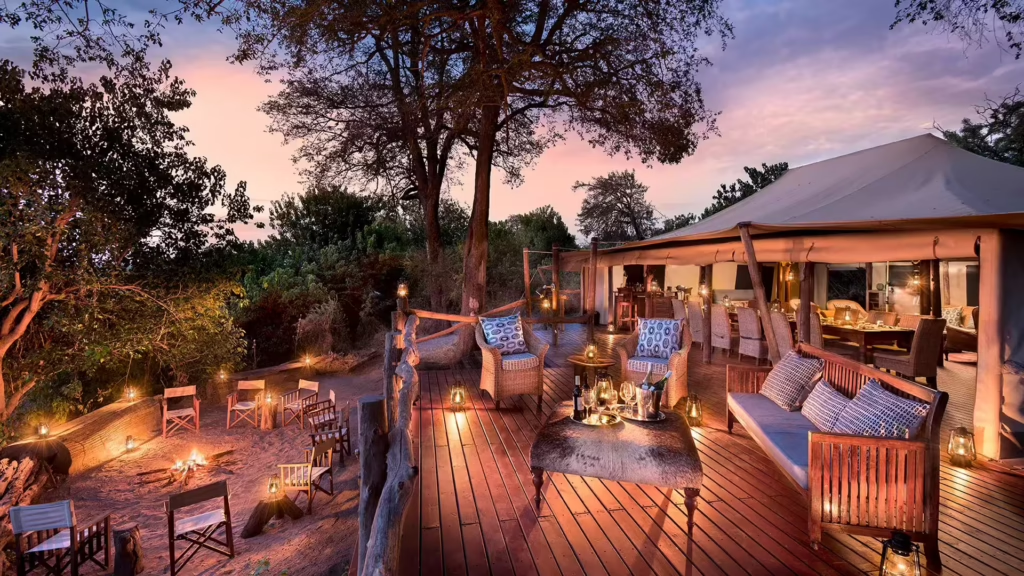
Home to some of Southern Africa’s most coveted safari camps, Linyanti Wildlife Reserve may just ruin all future safaris.