Serengeti
Start Planning
What you'll see Serengeti Gallery
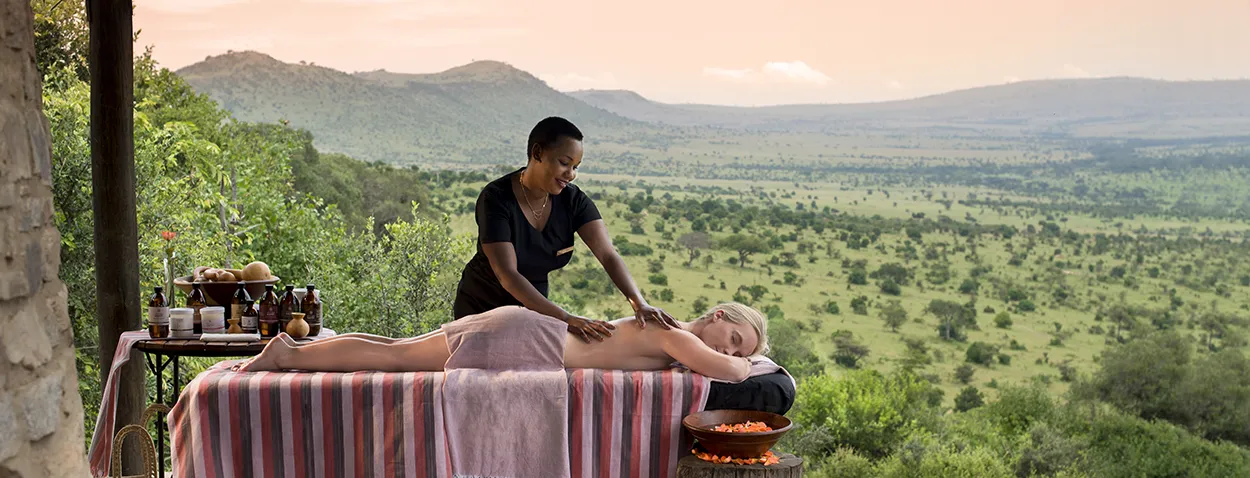
Lodges in Serengeti
Showing page 1 of 1 — 6 lodges
Frequently asked Questions
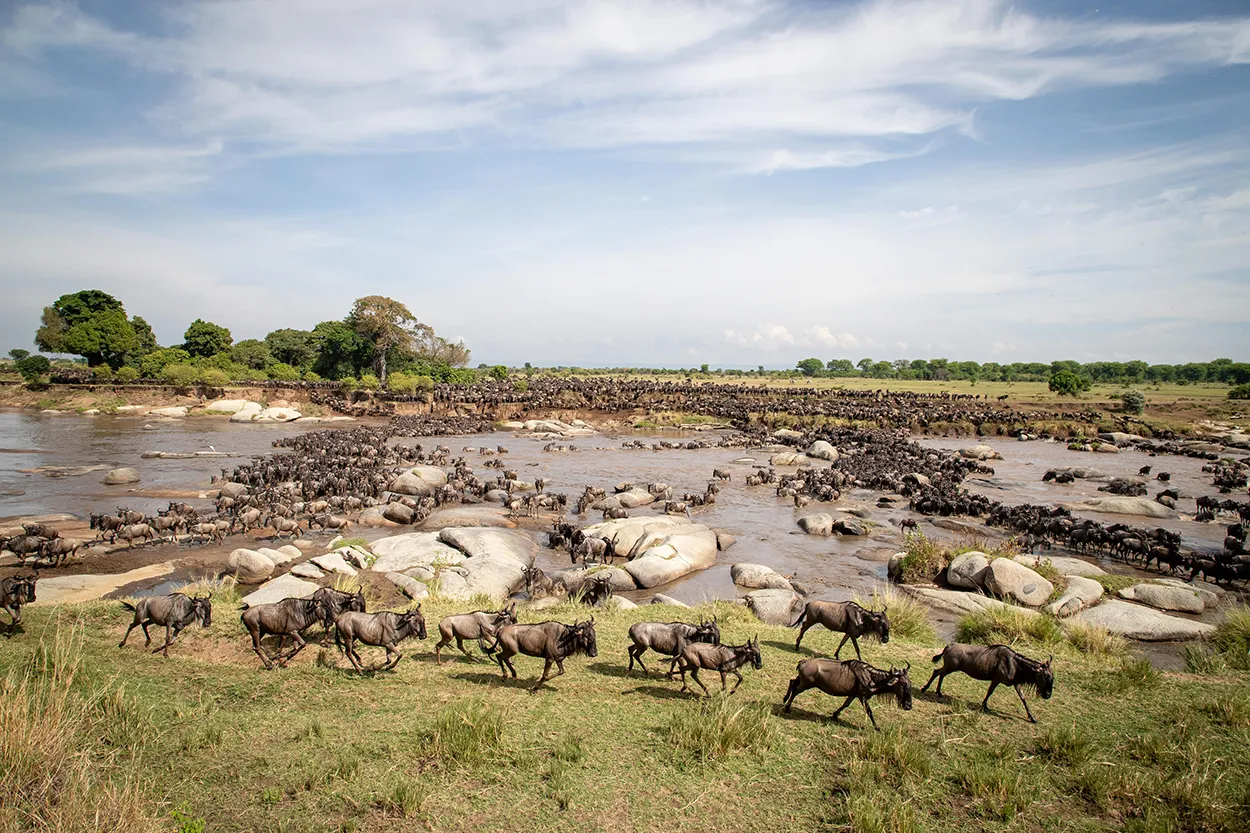
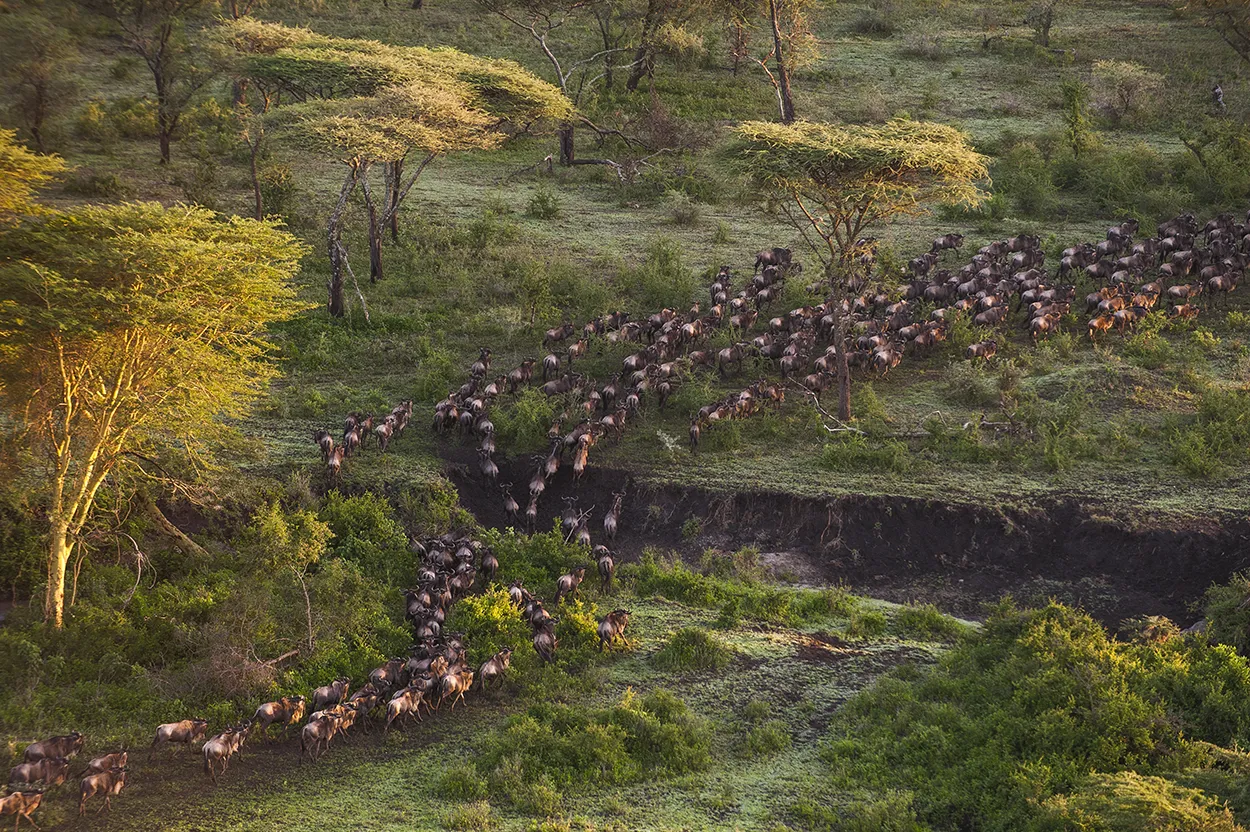
The Great Migration isn’t a single moment — it’s a year-round cycle of movement:
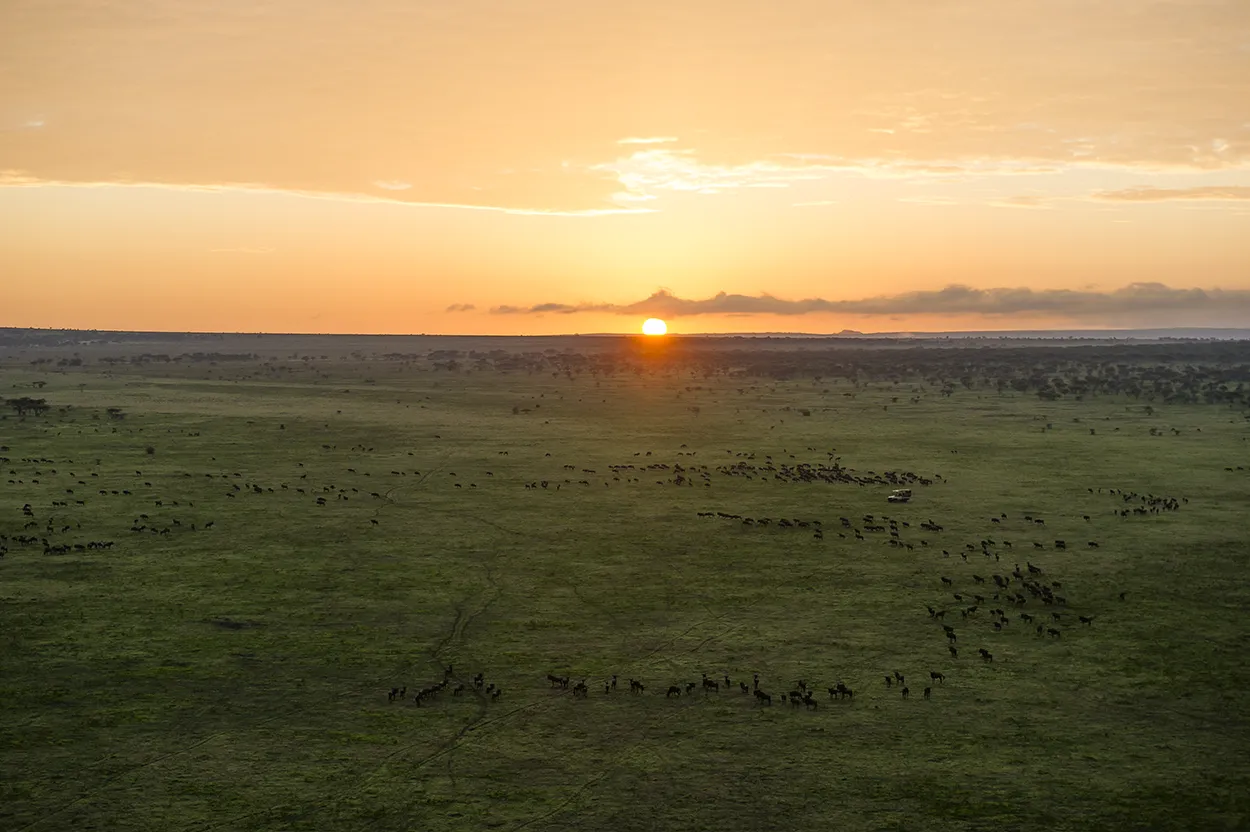
- Dec–Mar (Southern Serengeti & Ndutu) — Calving season. The plains turn green, 8,000 wildebeest calves arrive daily, and predators circle like paparazzi.
- Apr–Jun (Western Corridor & Grumeti) — Herds push north, sometimes pausing around the Grumeti River, where crocodiles lurk in ambush.
- Jul–Oct (Northern Serengeti & Mara River) —The famous river crossings — wildebeest hurling themselves into crocodile-filled chaos while safari-goers clutch telephoto lenses.
- Oct -Nov — Rains return, and the herds start looping south again.
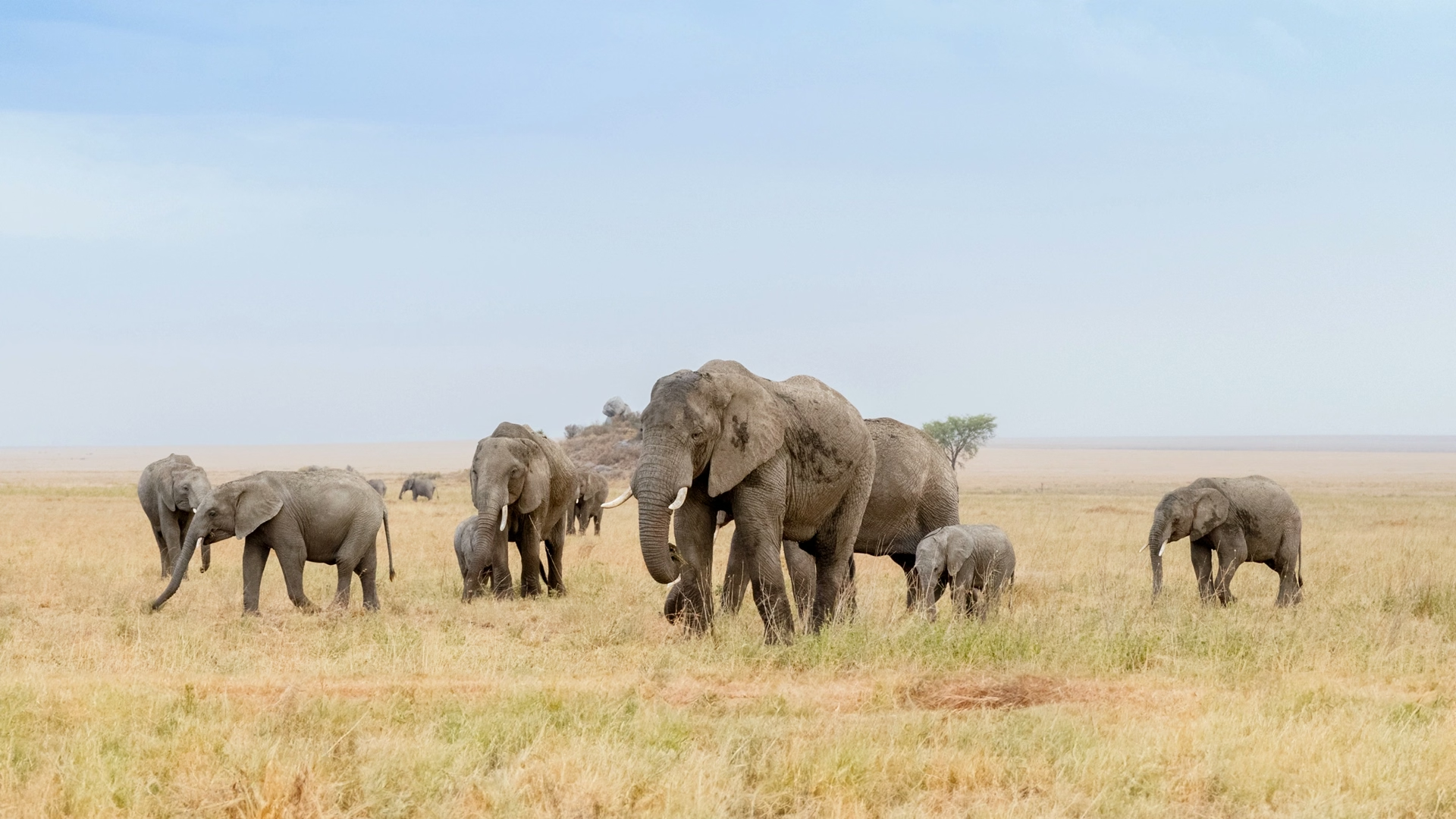
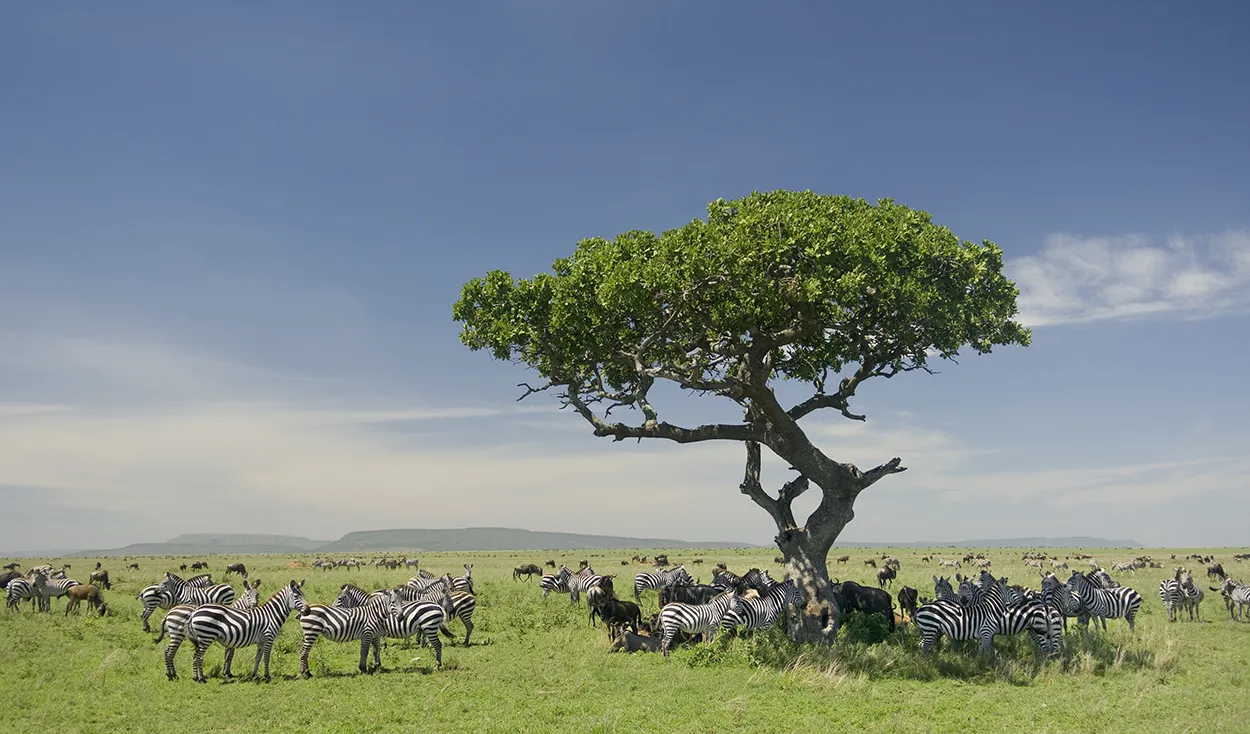
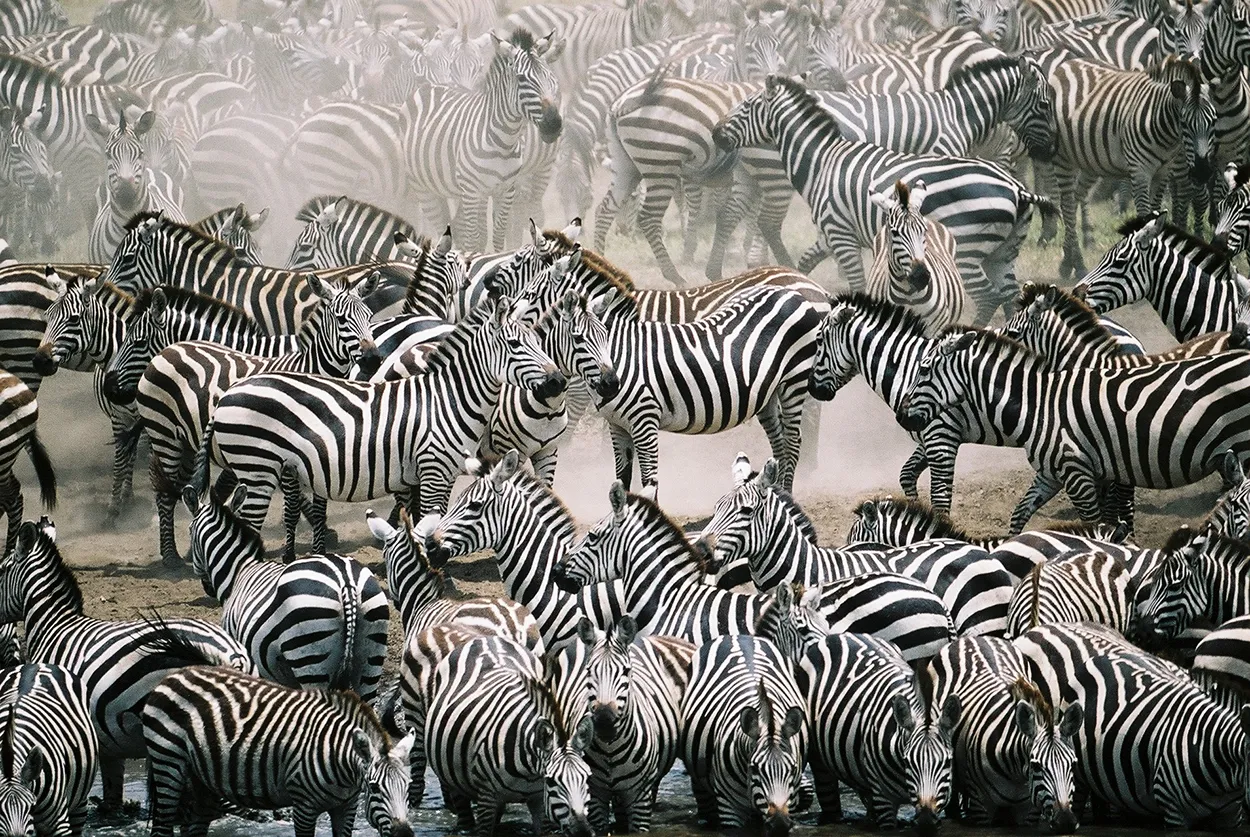
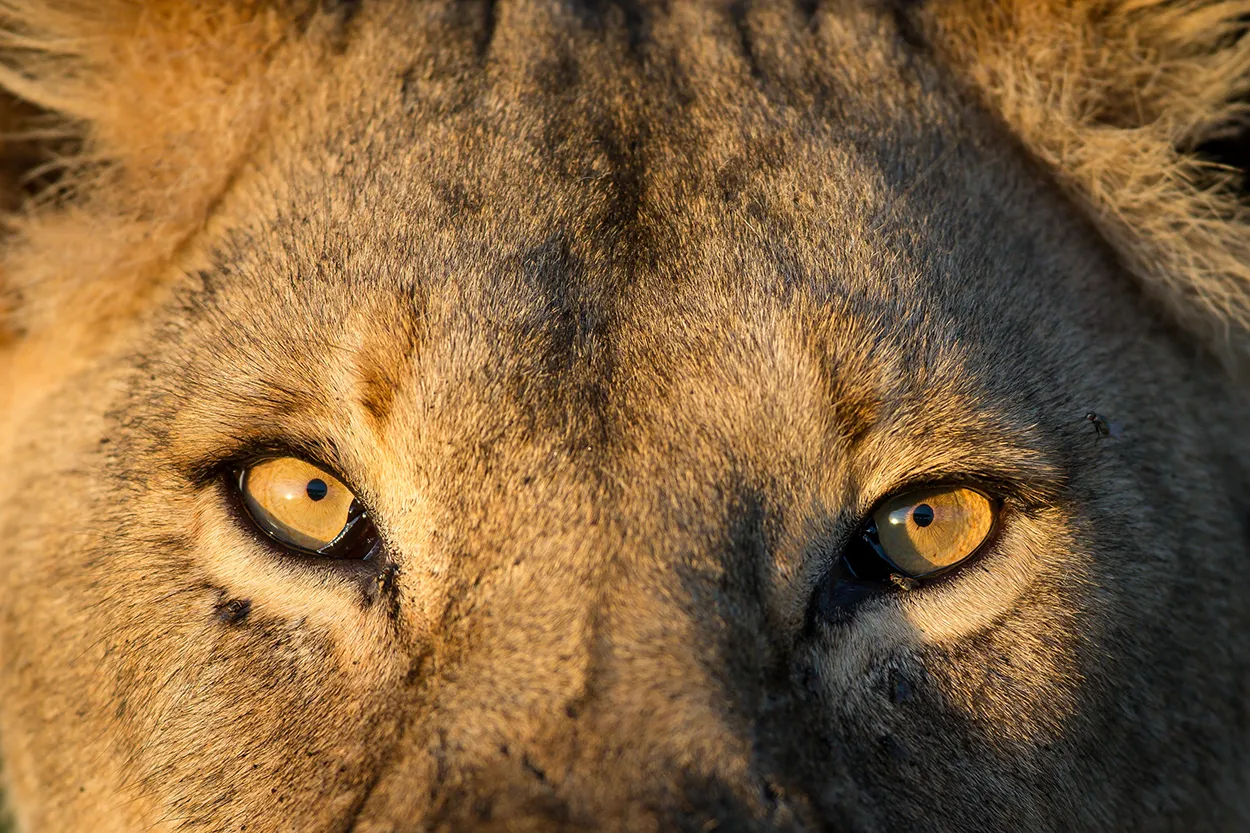
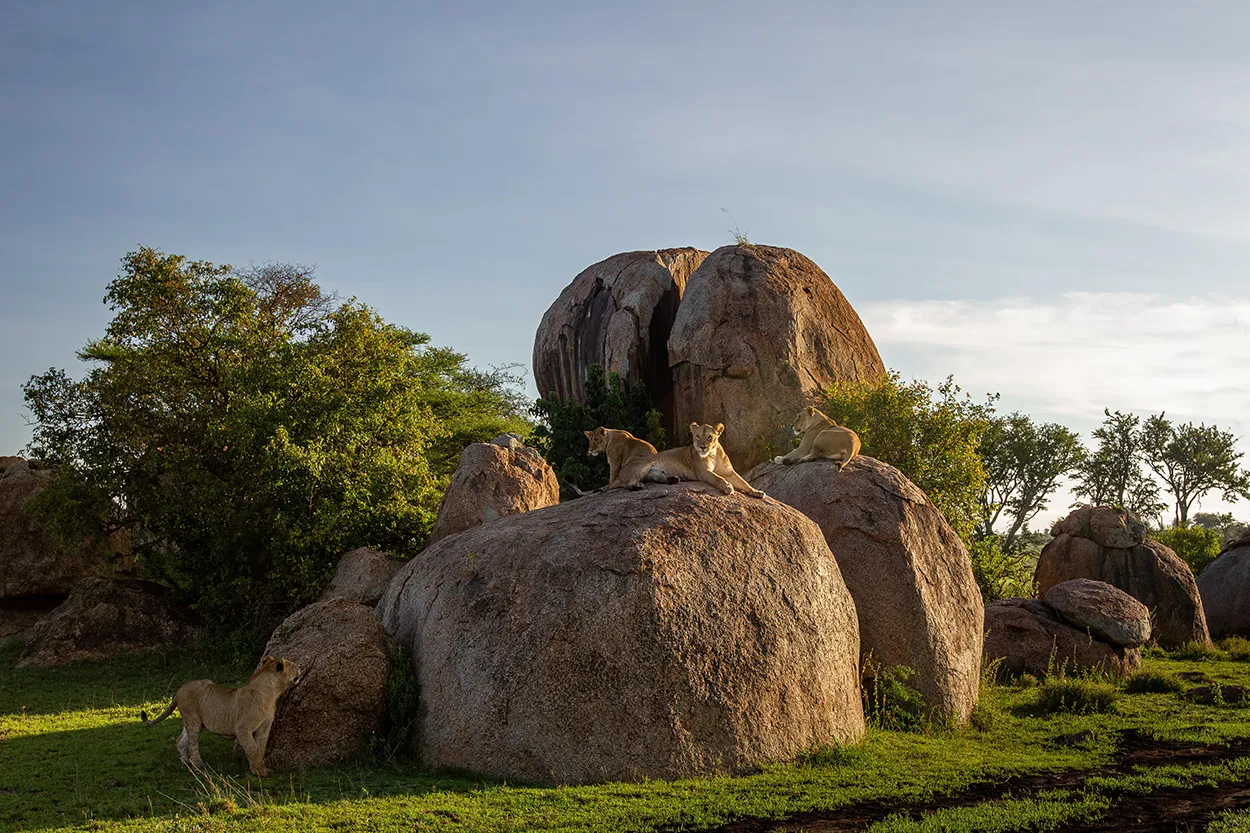
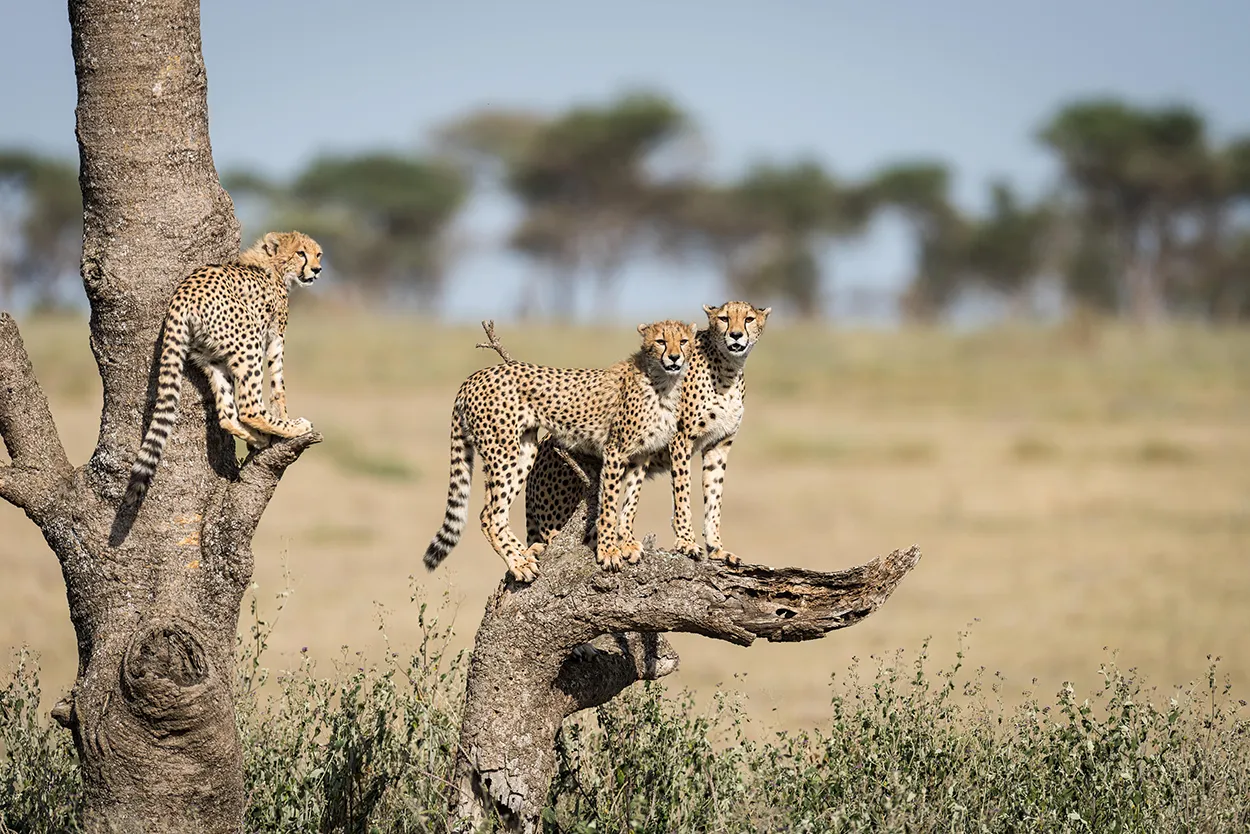
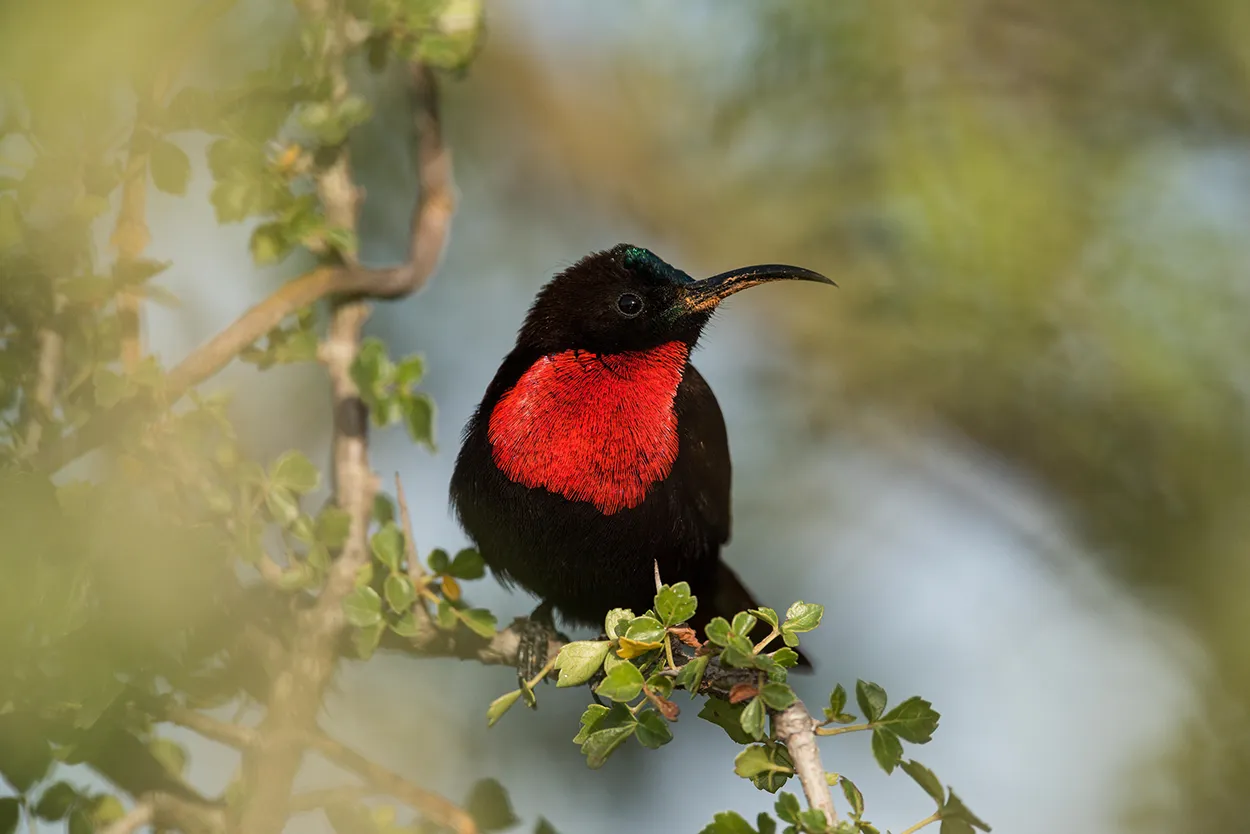
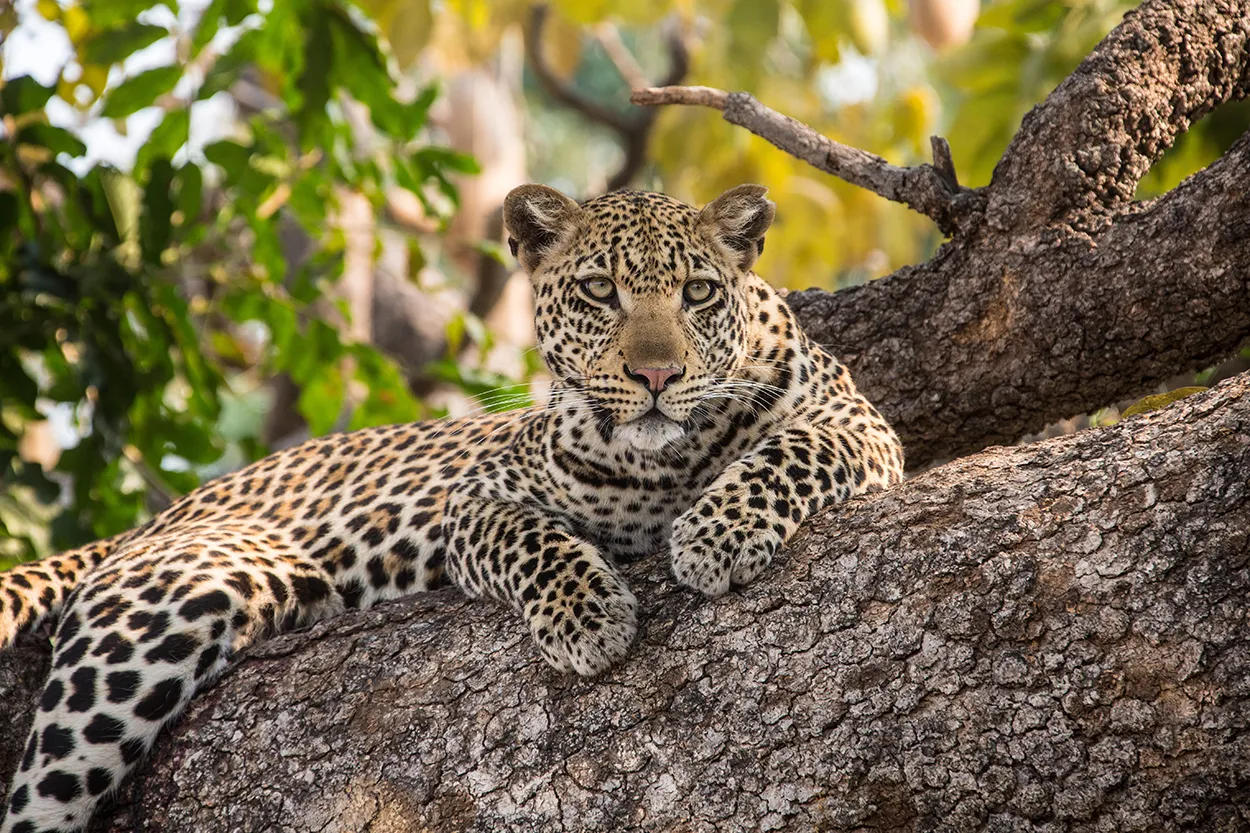
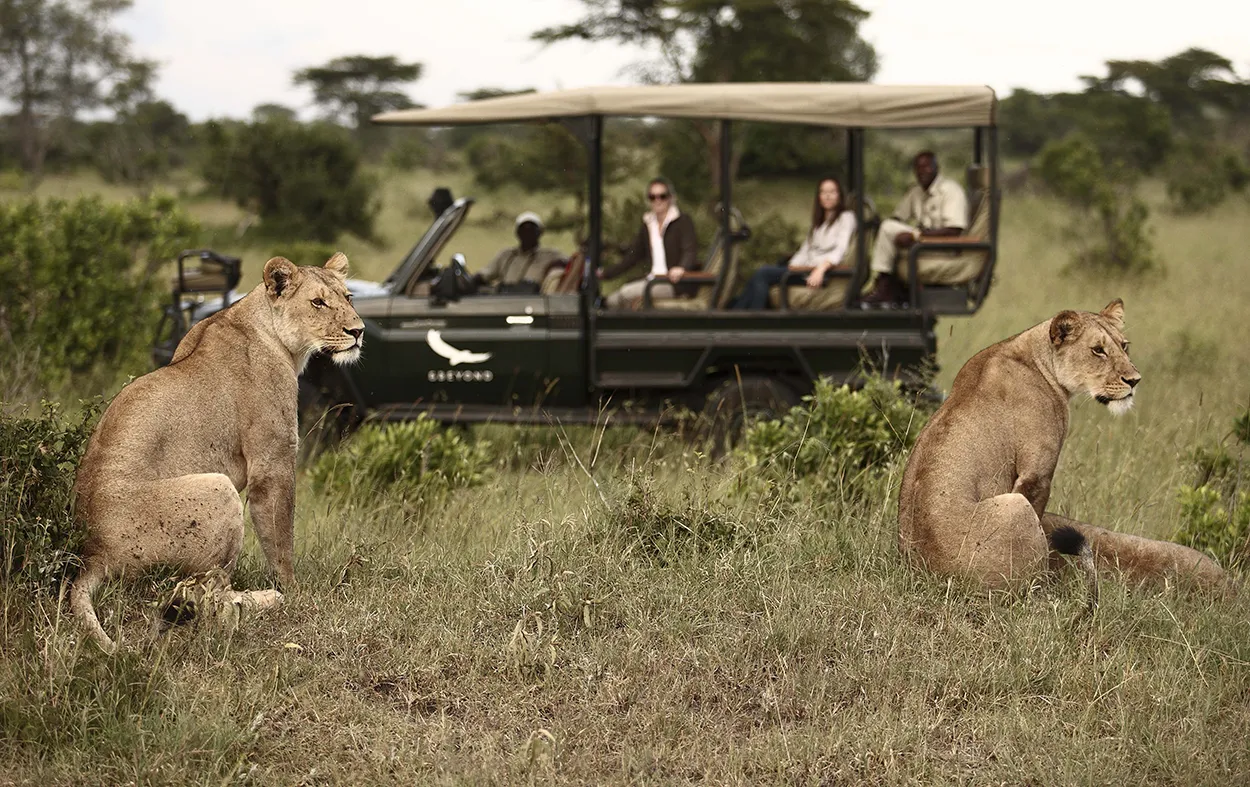
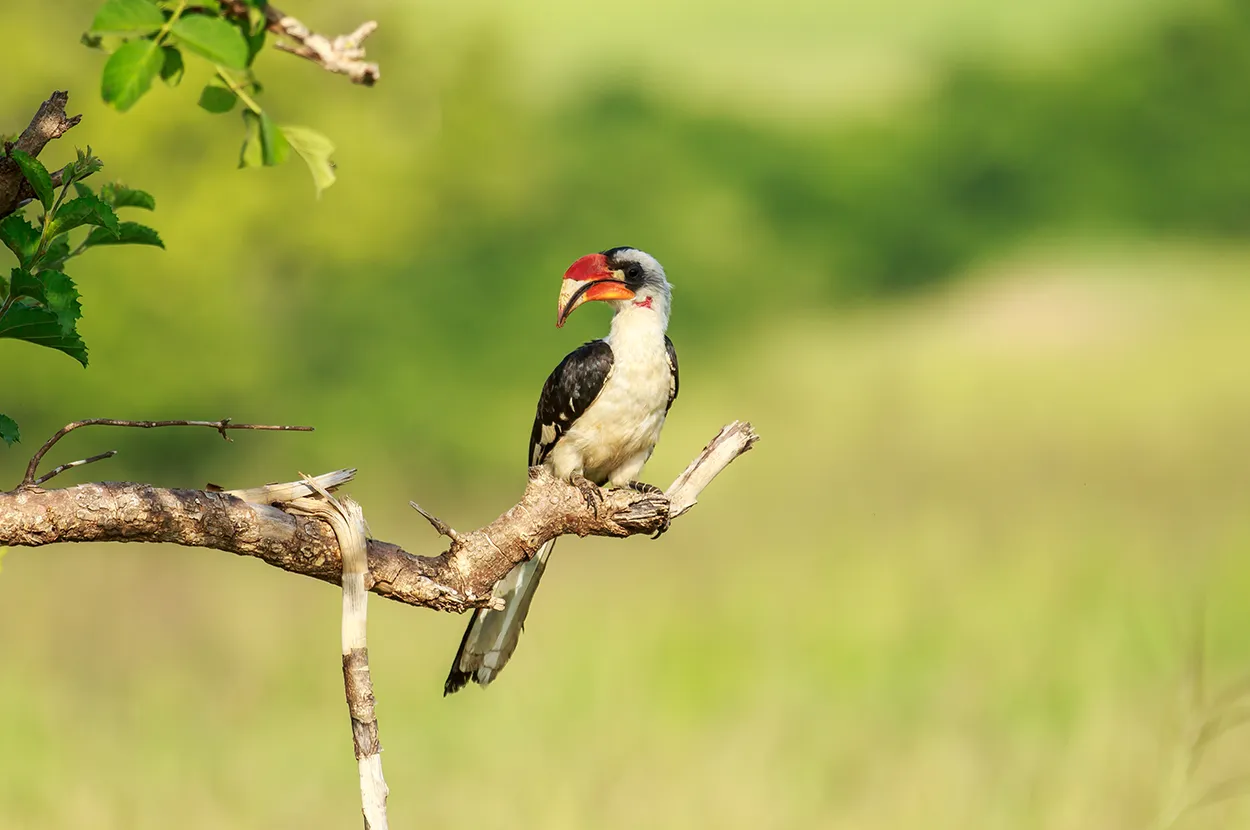
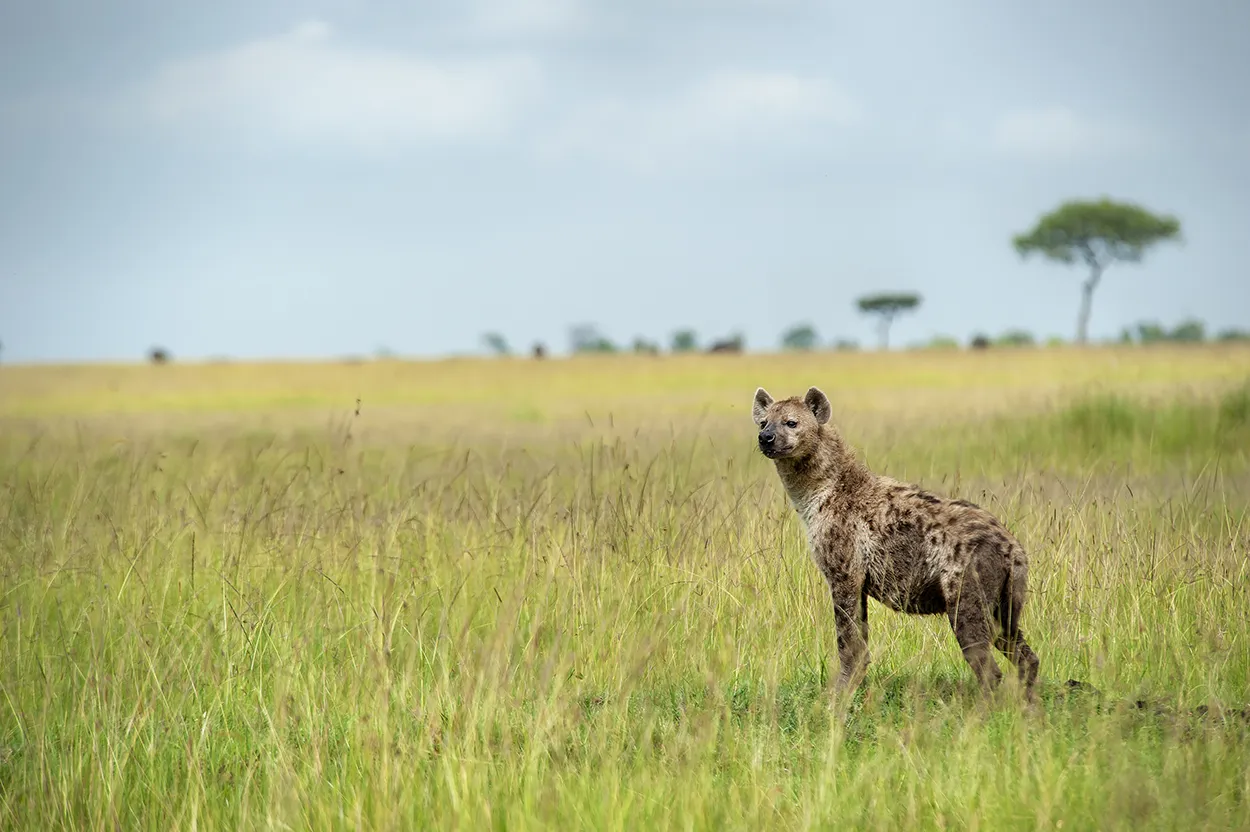
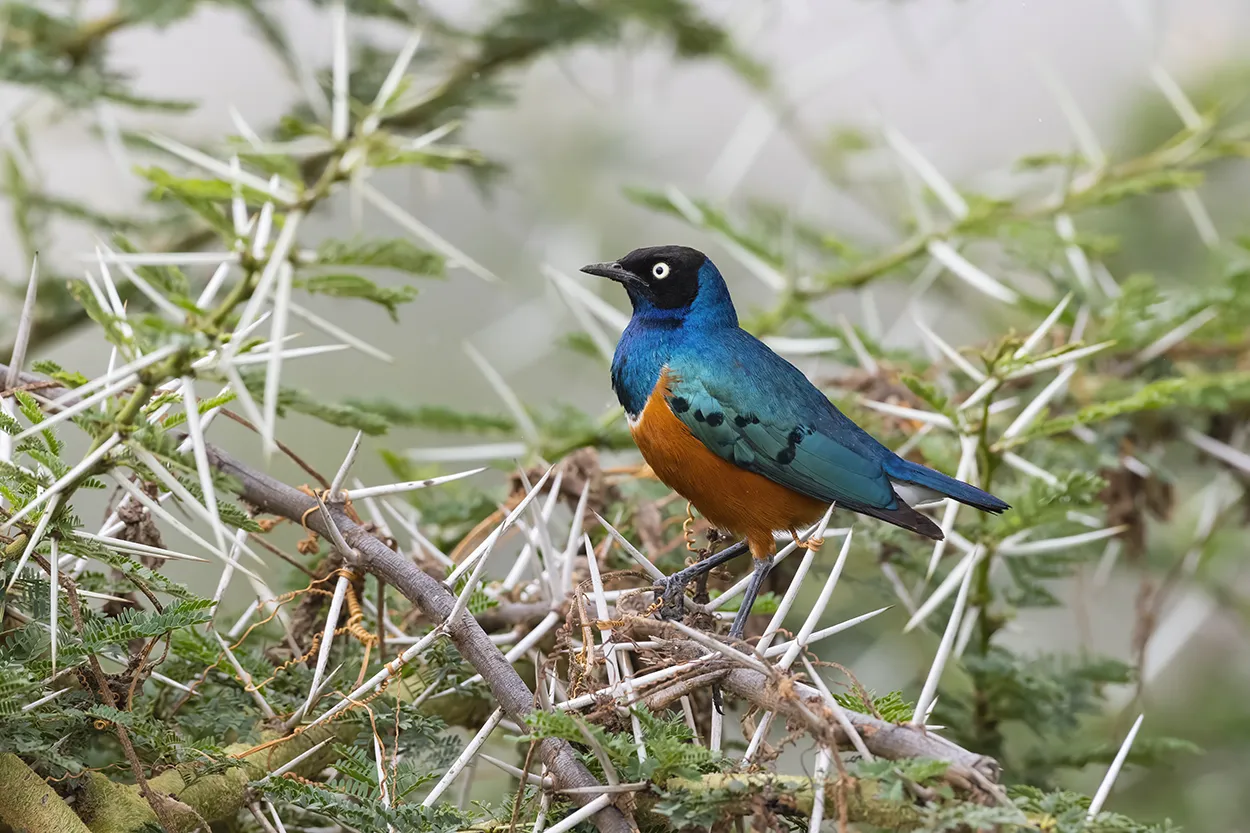
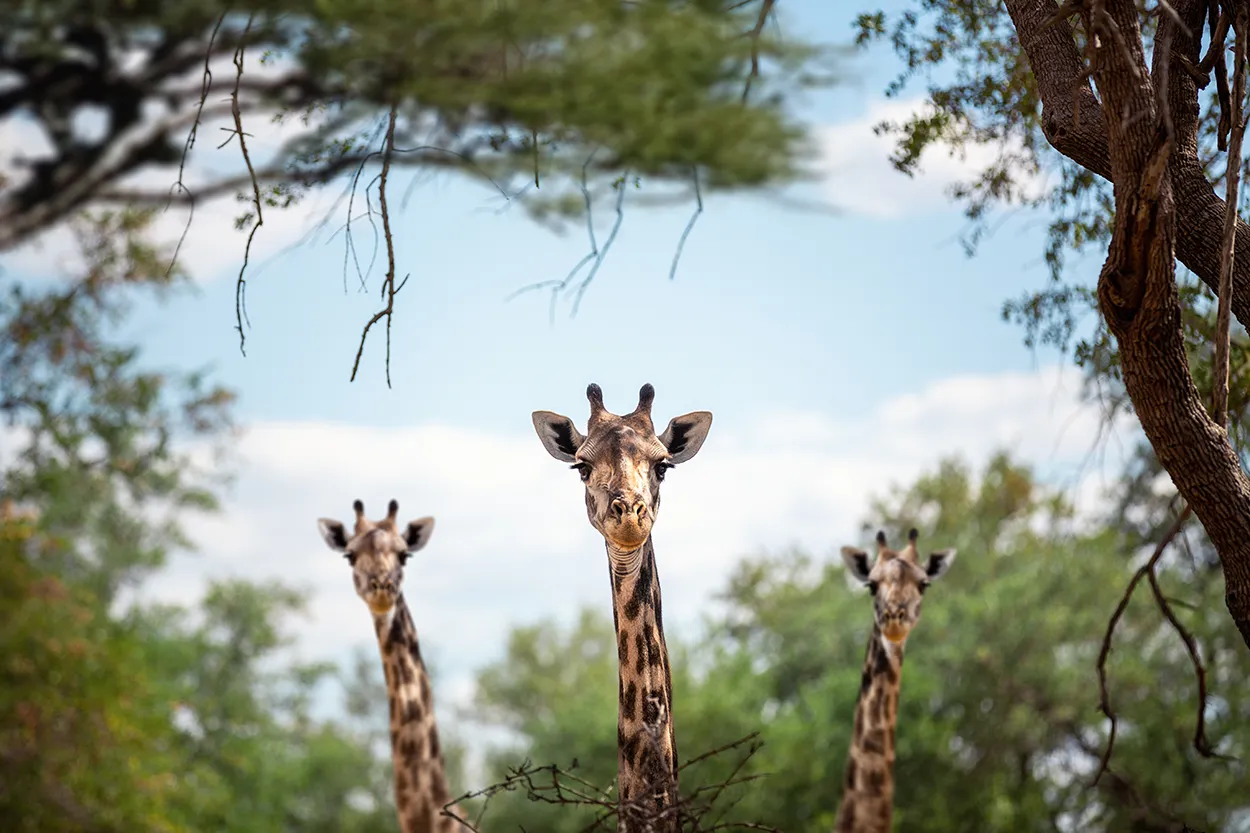
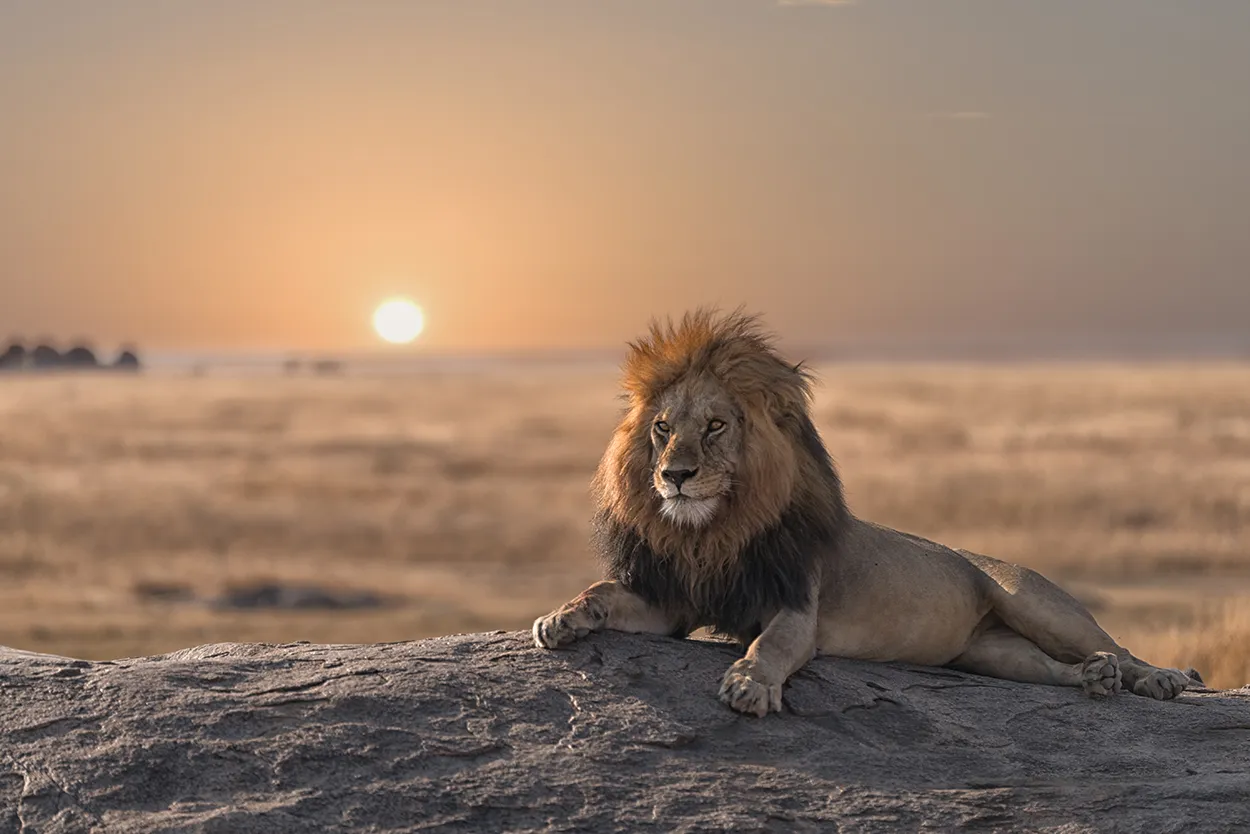
The Serengeti is a big-cat magnet! With more than 3,000 lions, you’re bound to see many lounging in the shade between kills. You might see cheetahs in the plains, or leopards sprawled elegantly across acacia branches. Add to that elephants, giraffes, hippos, buffalo, crocodiles, hyenas, jackals, and over 500 bird species. Even when the herds are elsewhere, the Serengeti is far from “quiet”. There’s always something to see.
- Southern Serengeti & Ndutu — Short grass, wildebeest calving season (Dec–Mar), and prime predator territory.
- Western Corridor — Grumeti River crossings (May–Jun), woodlands, and fewer vehicles.
- Central Serengeti (Seronera) — Leopard central and year-round wildlife — great for first-timers.
- Northern Serengeti — Home to the Mara River crossings (Jul–Oct), with fewer crowds and big-sky drama.
- Choosing where to stay depends entirely on when you’re going; the herds won’t wait for you.
Go big or go home: 4–6 nights is ideal, longer if you’re following the migration. Spend a few nights in one region, then hop to another for a different perspective.
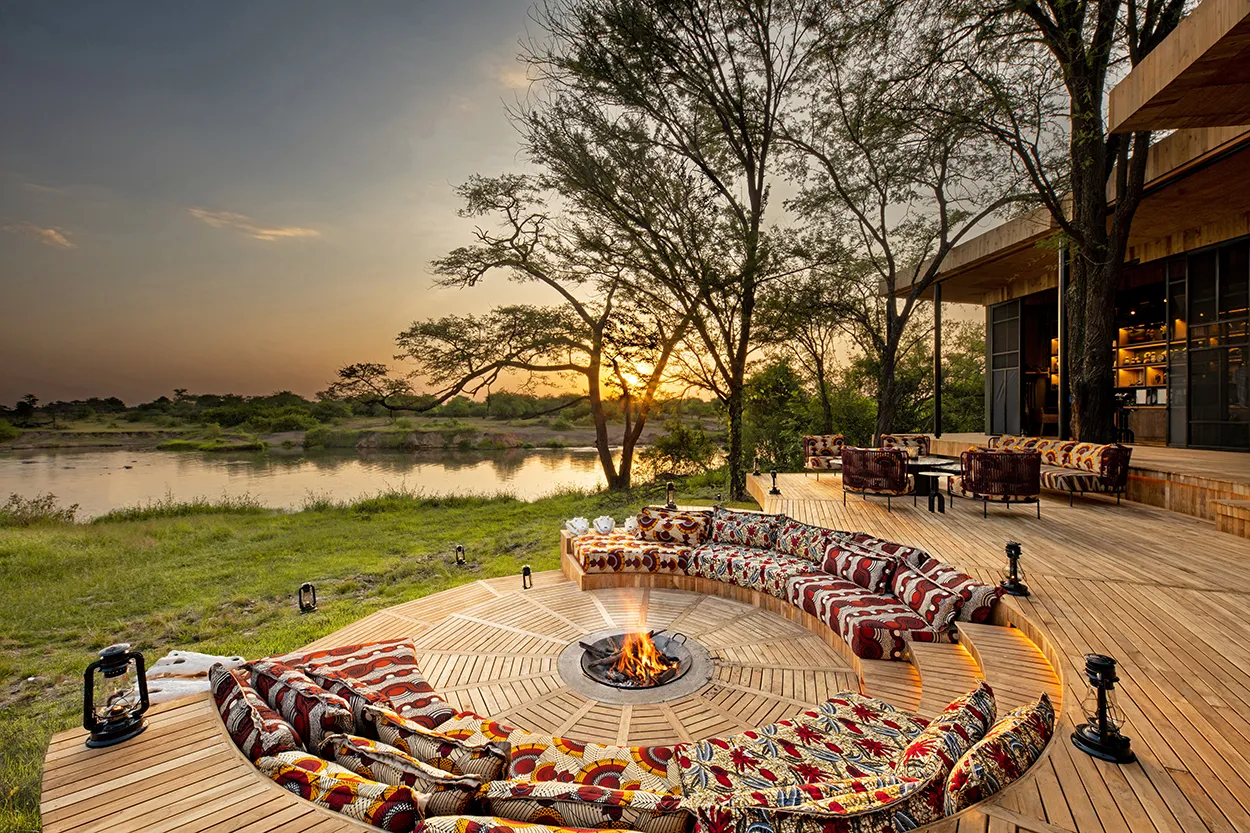
The Serengeti offers everything from stargazing tents to five-star infinity pools. Think luxury lodges with private plunge pools, fine dining, and wine cellars in the wild. Or migration camps — the ultimate insider move. These camps follow the herds, giving you front-row seats to the crowds.
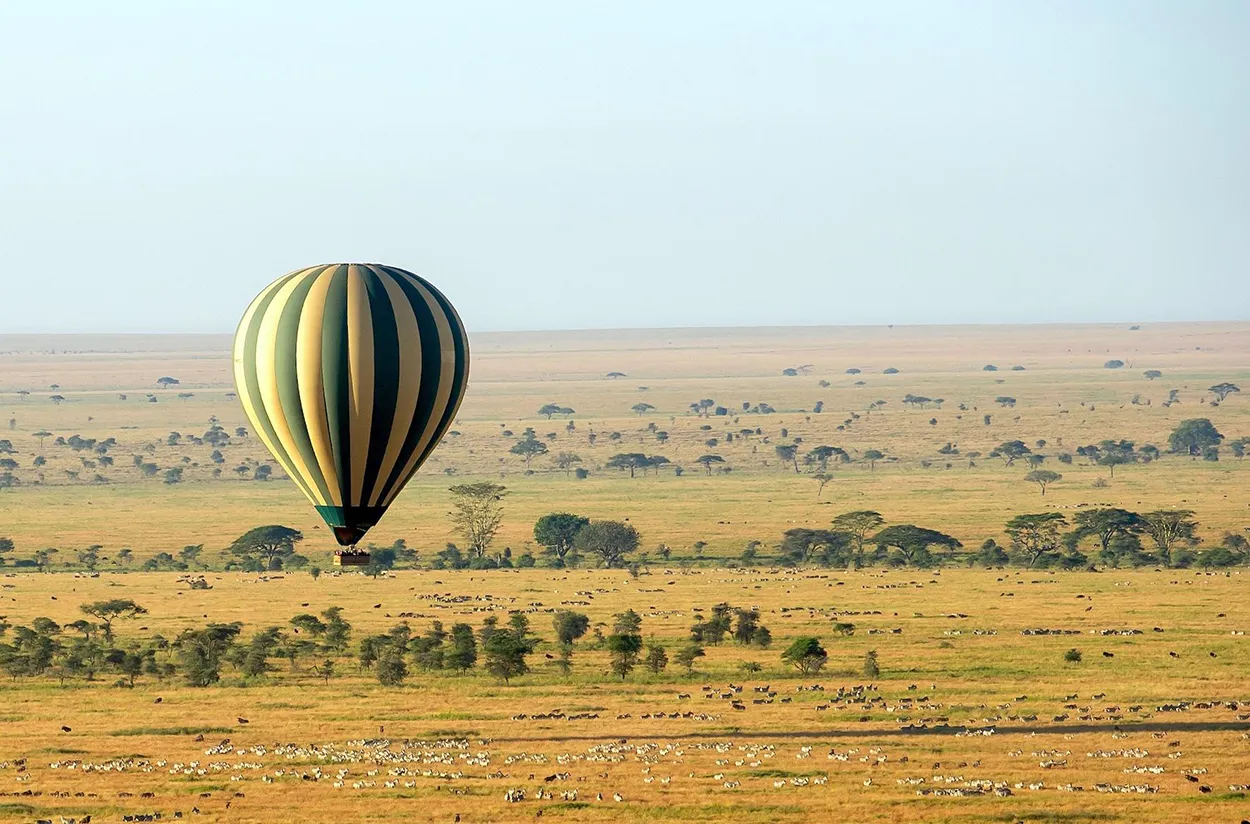
Yes! The Serengeti has become well-known for them. Hot air balloons operate mainly in the Central Serengeti and the Northern plains. Imagine floating above endless wildebeest herds as the sun spills across the horizon. Touch down to a champagne breakfast in the middle of the savannah. Romantic, cinematic, and unforgettable.
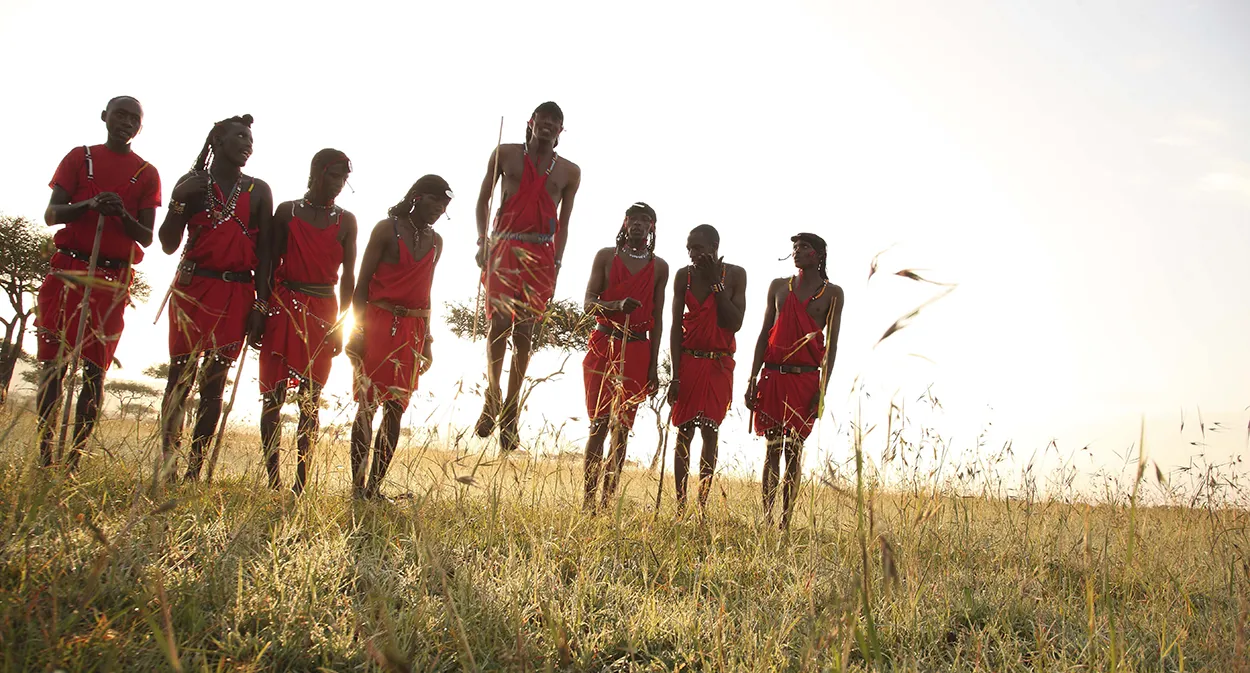
Daily flights from Arusha or Kilimanjaro whisk you to Serengeti airstrips in 1–2 hours. Otherwise, it’s a 6-8 hour drive through Masai villages, with wildlife along the way!
Absolutely! Families can opt for lodges with private villas, shorter game drives, and guides who know how to keep little ones engaged. Honeymooners, think private sundowners, candlelit dinners, and secluded mobile camps where it feels like it’s just the two of you.
Our Reviews
People are talking about us.
The most famous safari co. you've (probably) never heard of.
Hidden Africa

I cannot recommend Hidden Africa and Chad highly enough! From the very first conversation, Chad was attentive, knowledgeable, and genuinely … read more

Chad at Hidden Africa was absolutely wonderful to work with. We worked together to fully customized our 2 week elopement … read more

Simply amazing. We have had 2 trips of a lifetime with Hidden Africa now, and plan on many more. Their … read more

Geraldine worked with my friend Cheryl to arrange the most amazing Southern Africa trip. Geraldine even worked around some of … read more
HOW IT WORKS
Take a look around for a bit of inspiration.
Tell us what your dream safari looks like.
Next, your Personal Travel Planner will schedule a call to plan the perfect adventure.
Confirm your trip and get packing.
LET’S GET THIS SAFARI STARTED
Ready to go? Give us a shout and let’s start planning your next adventure. We’re almost as excited as you are.