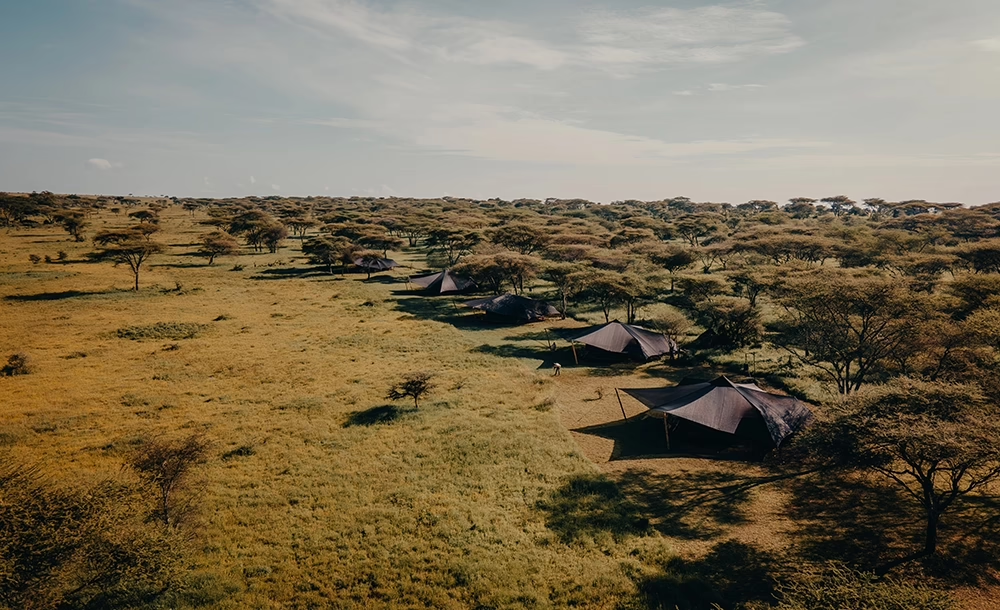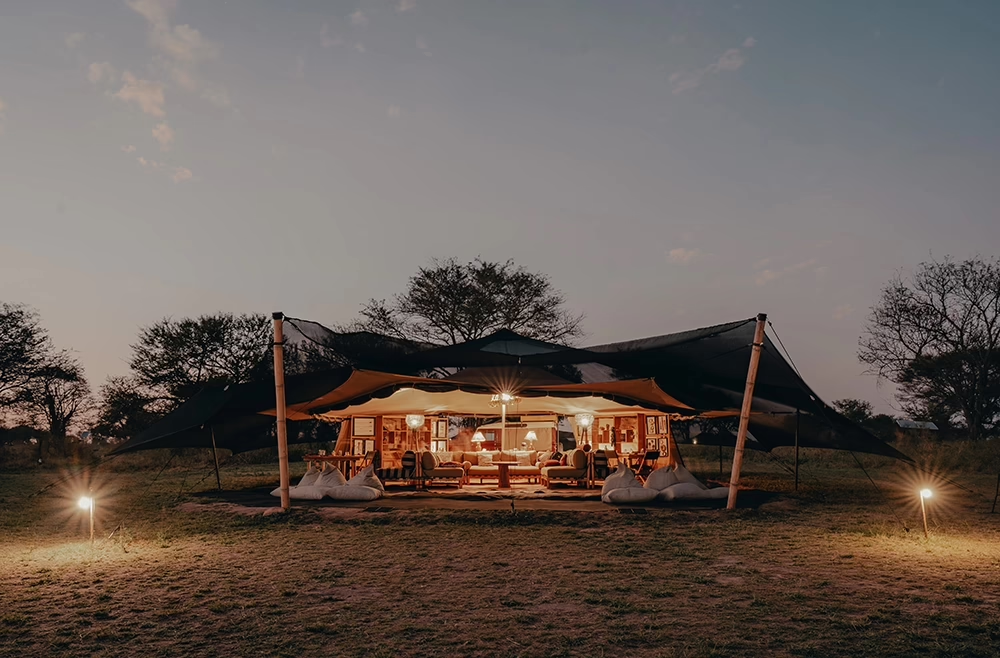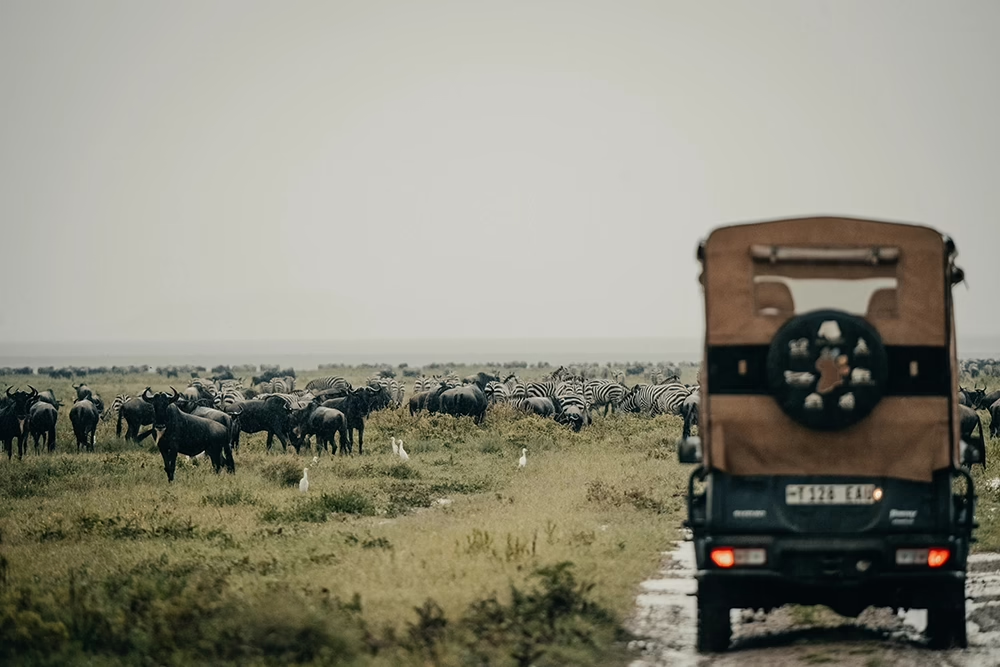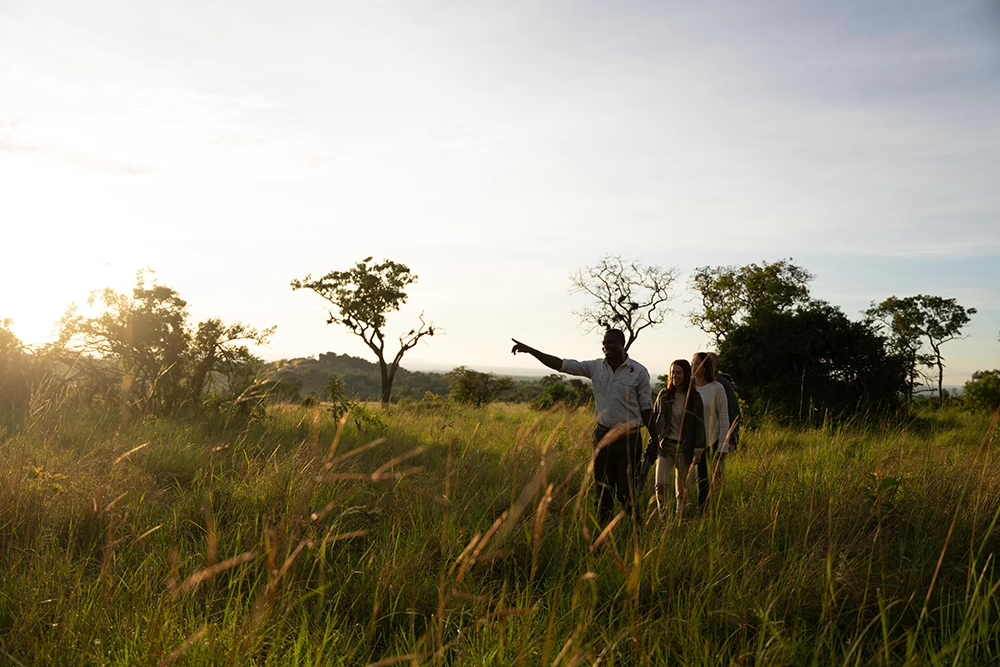
This light-impact camp follows the Great Migration wildebeest herds around the Serengeti – so no matter when you visit, you’ll have a front-row seat to all the action. Wayo Serengeti Green Camp is a bush camp – but you’re not exactly roughing it with king-size beds and en-suite bathrooms. Let’s call it “wild-ish camping”. Spend your days watching the herds, maybe catching a river crossing if you’re travelling between June and October. Or head out on foot (accompanied – that’s critical) to walk with giraffes and partake in a spot of birding.
Nesting arrangements
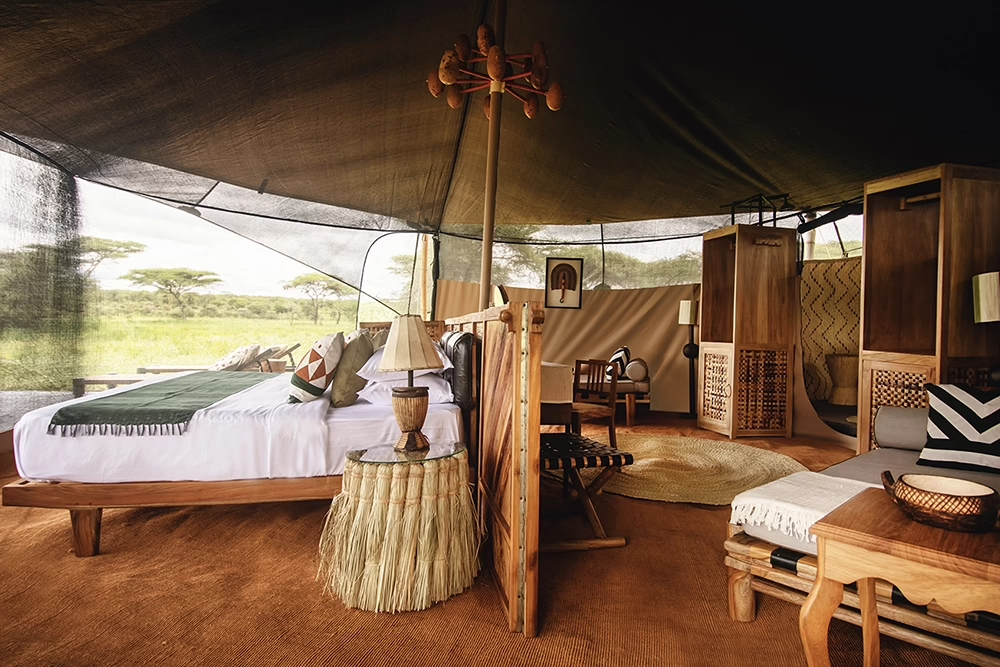
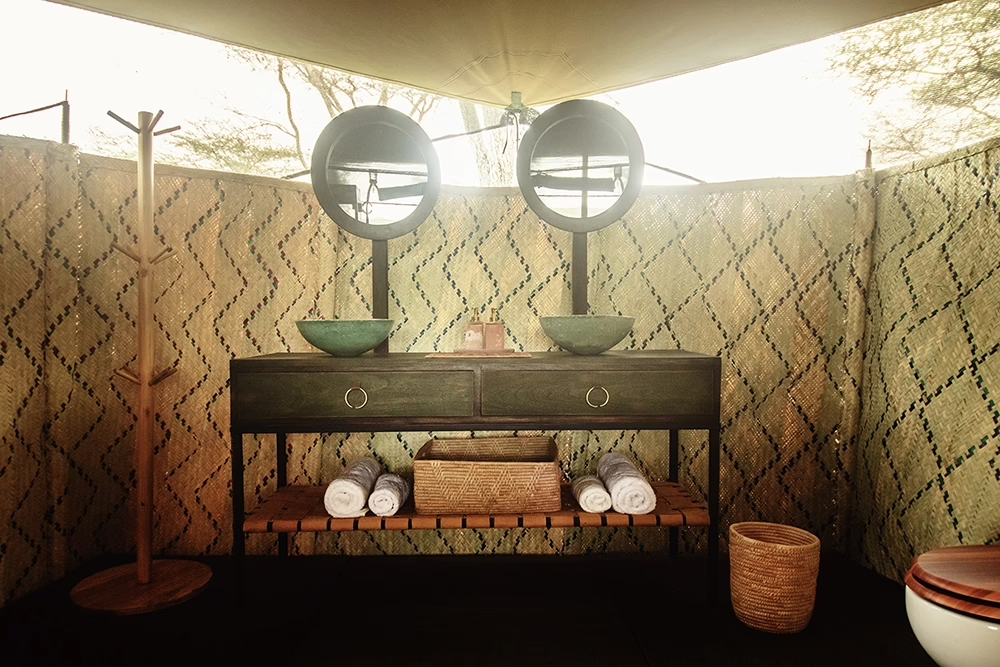
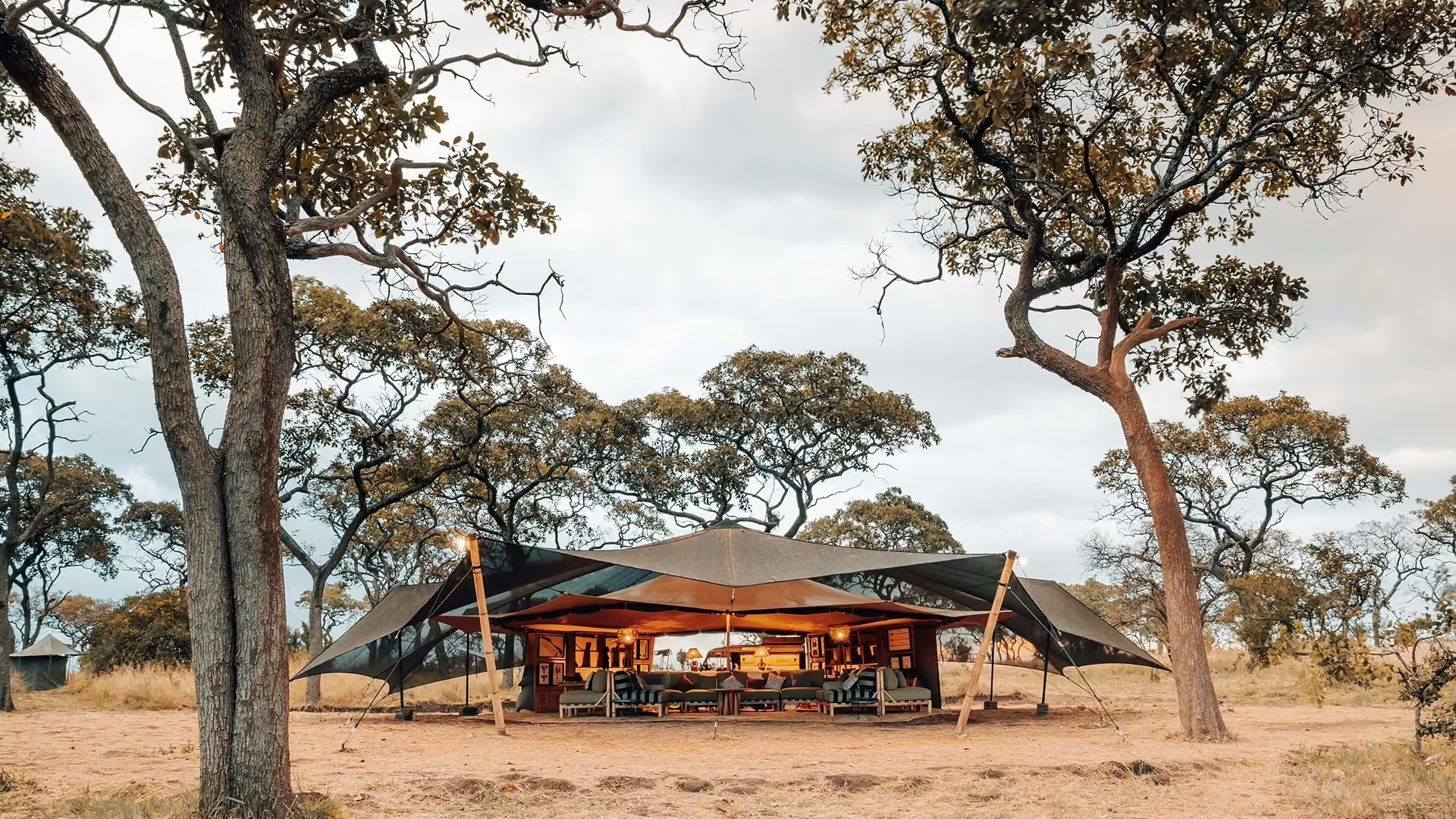
The ten tents at Wayo Serengeti Green Camp were hand-stitched by a team based outside Arusha National Park, with gauze sides to keep a breeze running through during the day. They’re relatively small, but this is a bush camp – everything you need, nothing you don’t.
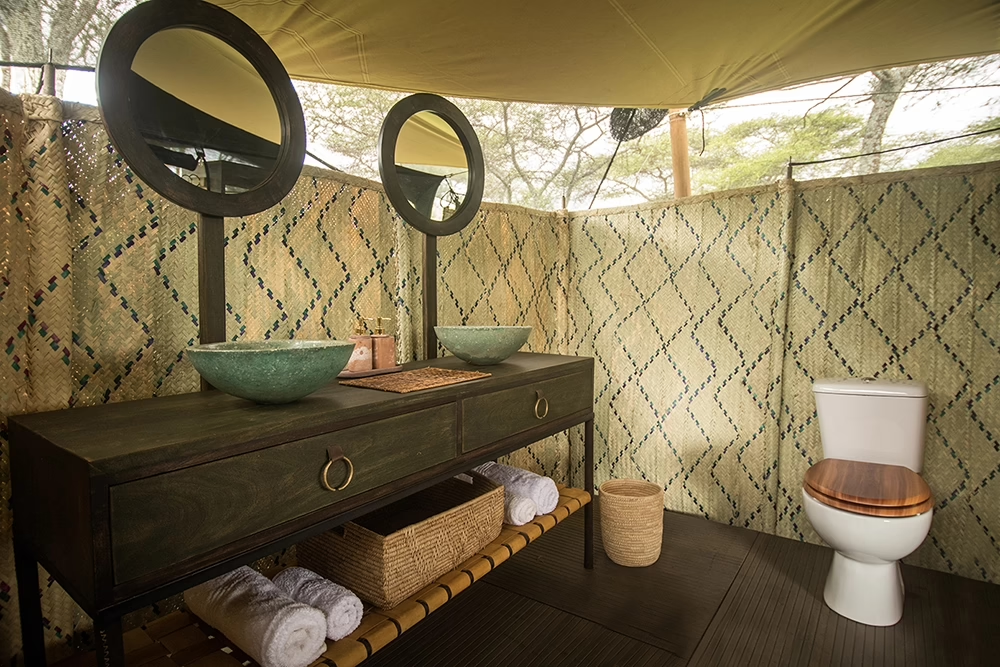
Behind king-sized beds, the en-suite bathrooms are as low-impact as possible, with bucket showers and toilets that use minimal water. When it comes to décor, local is the name of the game, with dried banana leaf headboards, Maasai beaded cushions and chaga tea cup chandeliers.
Food philosophy
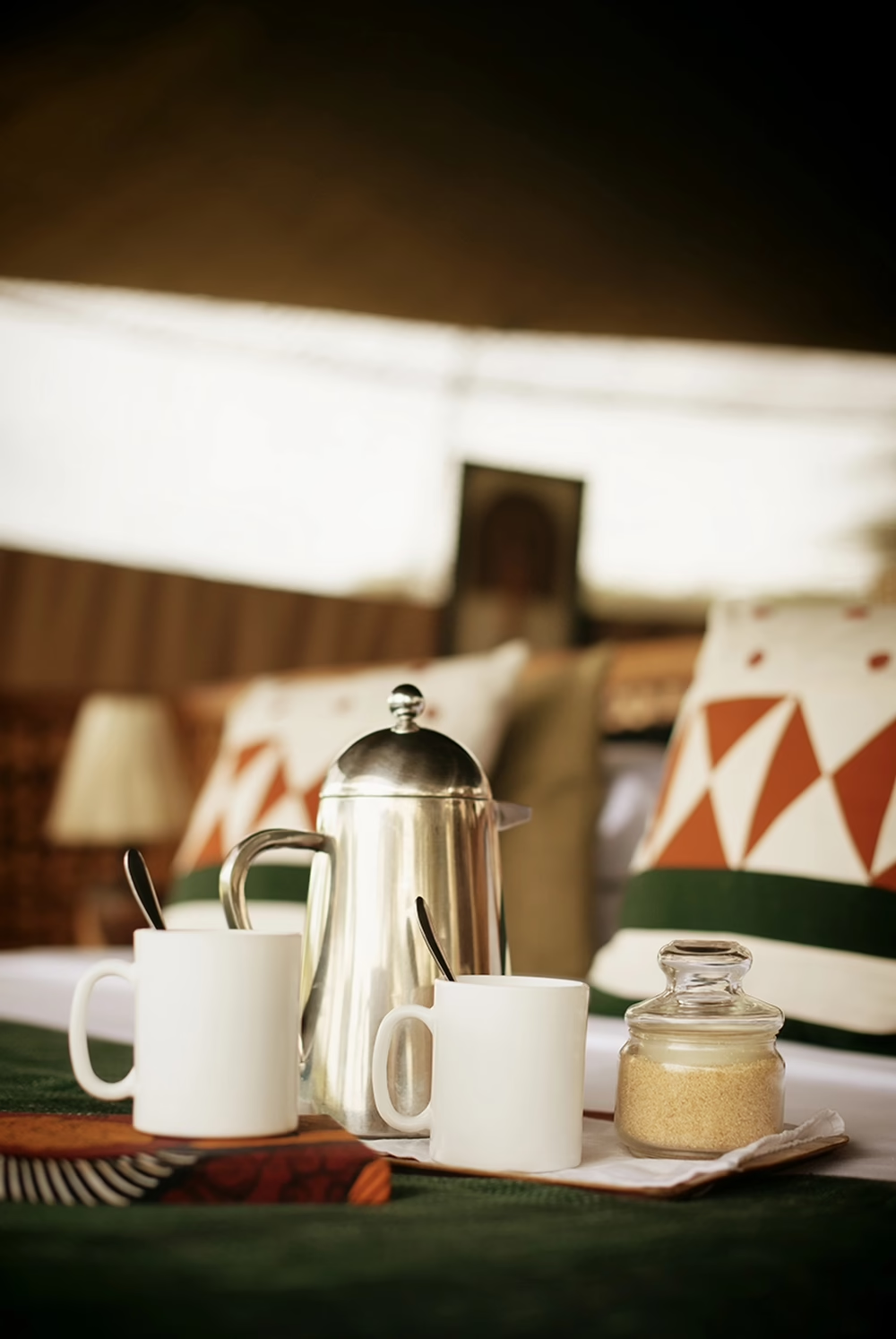
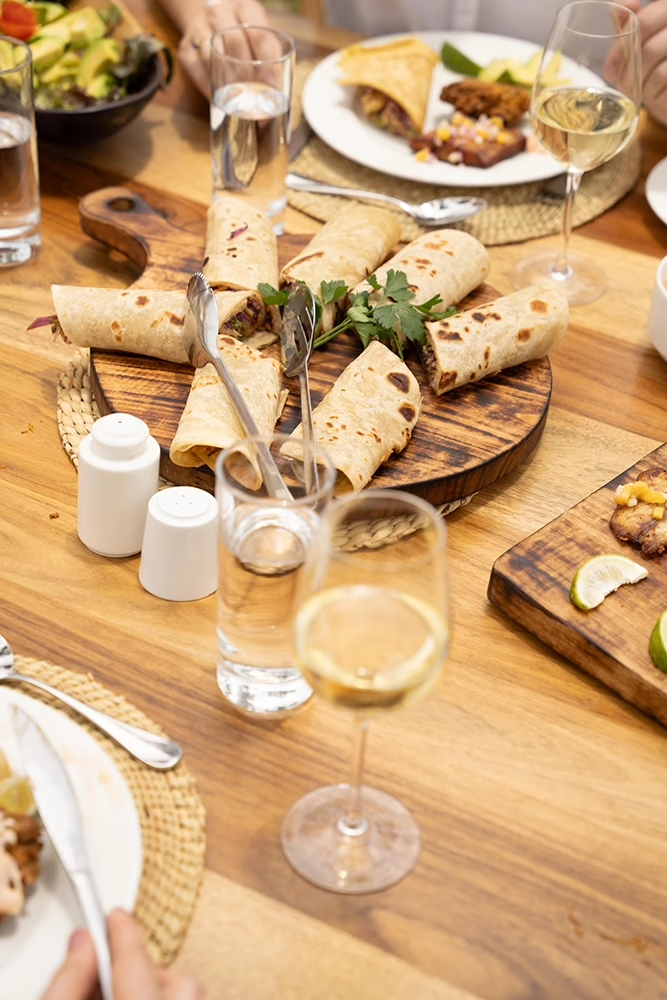
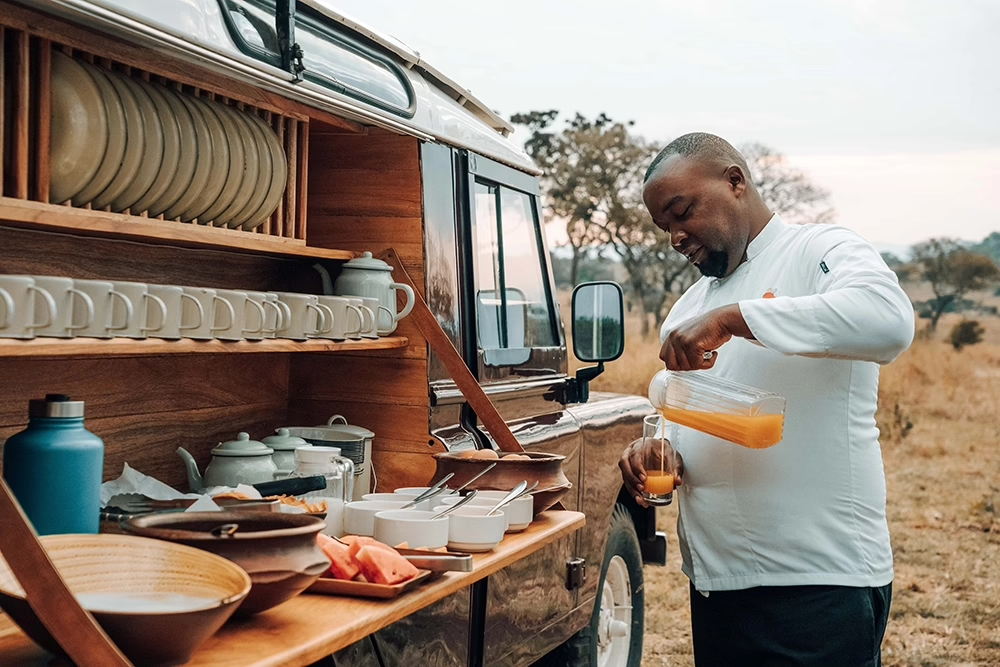
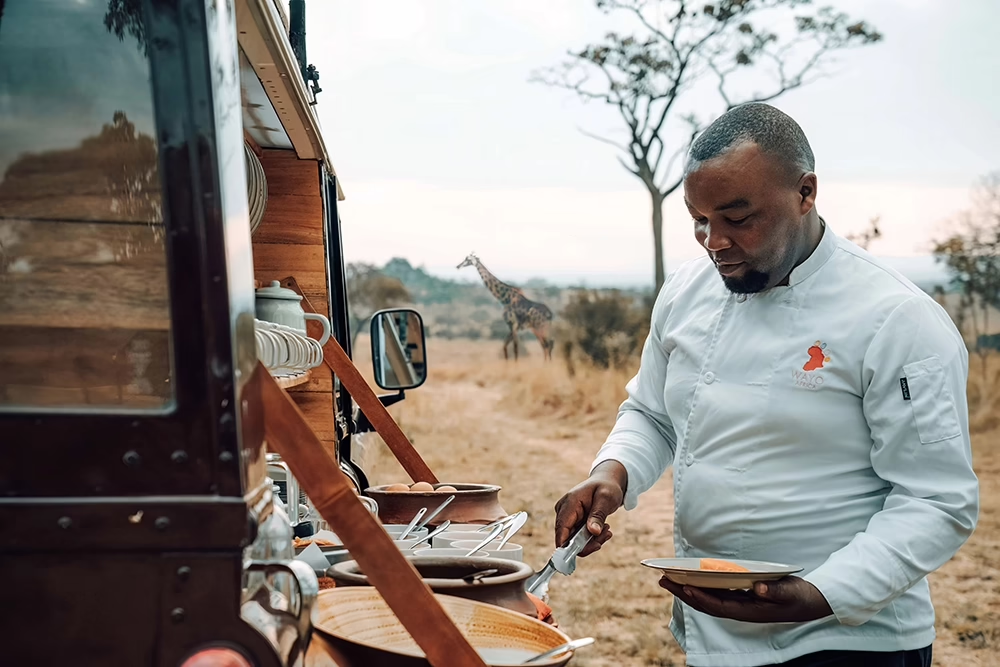
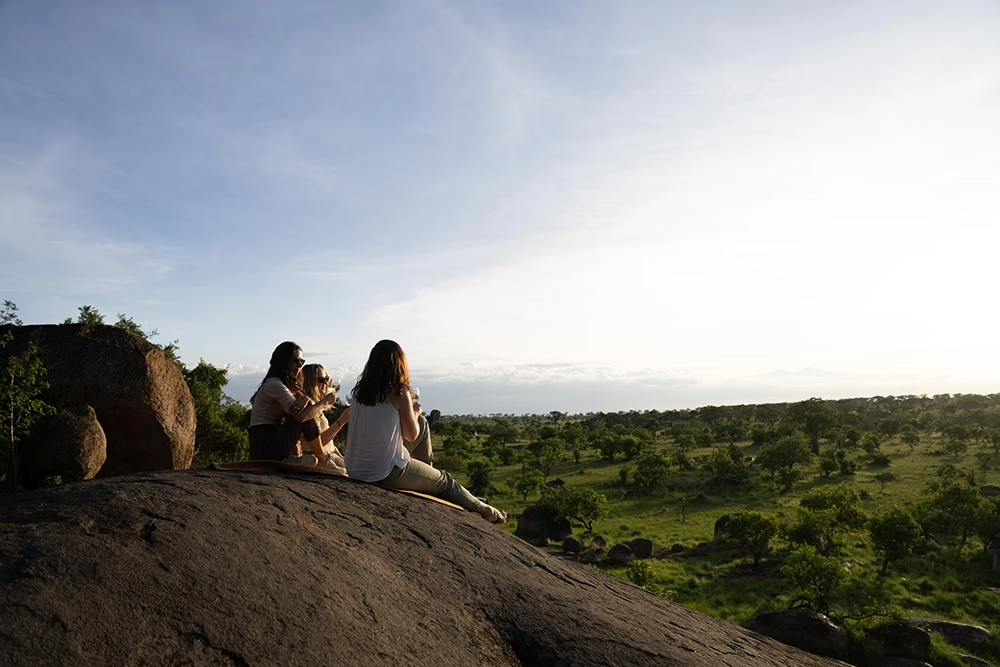
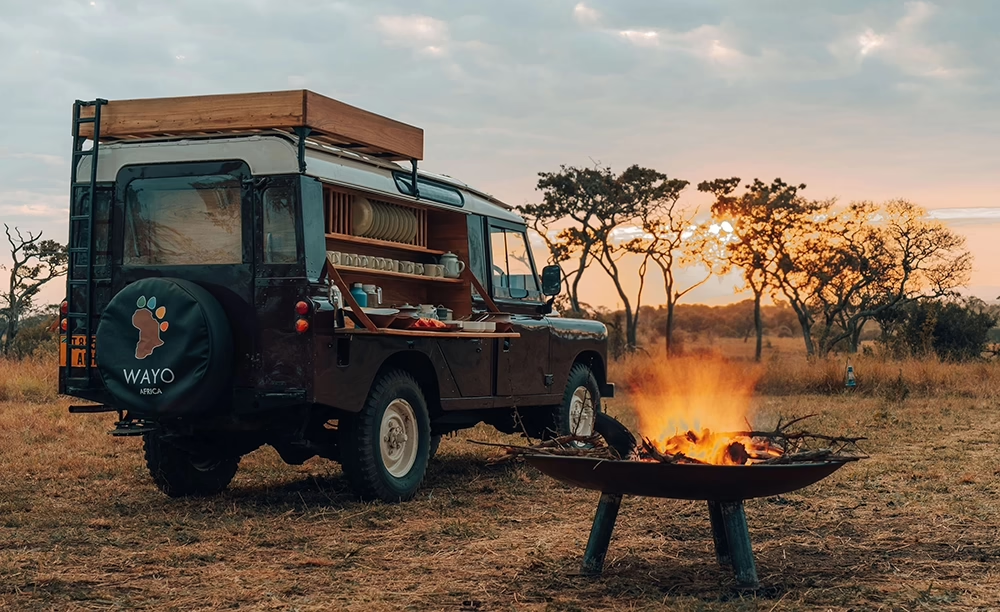
The centre of camp is, of course, the campfire – around which you’ll sit for coffee first thing in the morning and sundowners in the evening. Meals are often prepared on the fire and served al fresco under the stars.
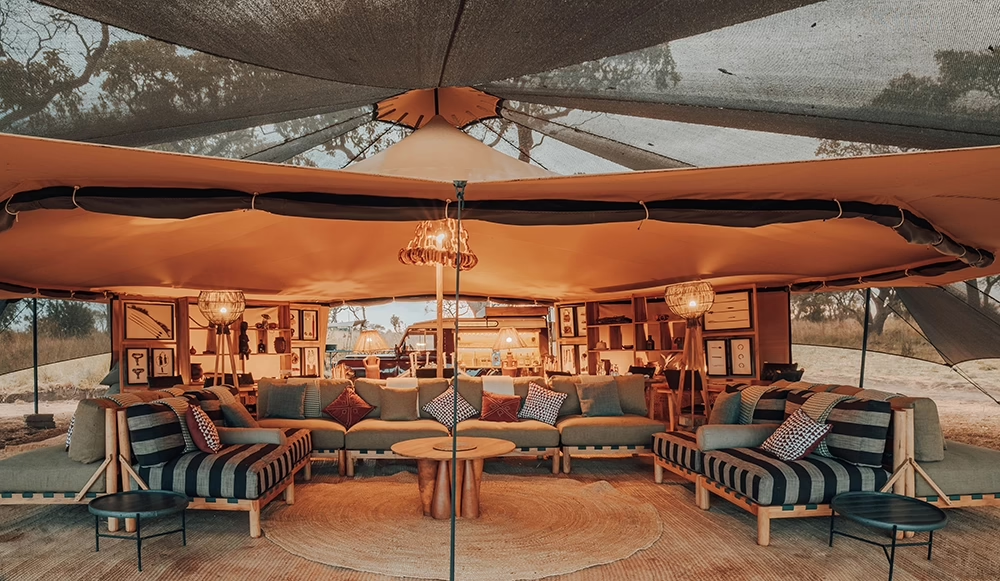
The open-sided mess tent also has a covered dining area, plus a bar and lounge. If you’re out for a full day, a picnic lunch will be prepared for you. Kids are welcome, and simple meals can be prepared for them with advance notice (with dinner served earlier if necessary).
Secret sauce
Wayo Serengeti Green is a mobile camp with two locations, based on the movements of the Great Migration herds (made up mainly of wildebeest, but also gazelles and zebras).
From December until April, the camp is in the southern Serengeti’s Kusini area. At this time of year, the wildebeest are calving in the lush grasslands. It’s what we often call “secret season” because it’s a quieter time in the Serengeti. The cute babies are reason enough for us to visit, but the youngsters also attract the predators, too – lions, leopards and cheetahs skulking around the edge of the herds, waiting for an opportunity.
From June to October, the camp reappears in the northern Nyamalumbwa area, when the herds are moving from the Serengeti into Kenya’s Maasai Mara. During this part of the migration, they must cross the Mara River, dodging explosive crocodile attacks and keeping their heads above water, while posing for the paparazzi on the opposite bank. It’s a lot.
One more thing…
Aside from game drives, you can do walking safaris from Wayo Serengeti Green Camp, heading out with a guide and a Serengeti park ranger in the morning or afternoon for a short walk – or taking a full day for a longer trek, accompanied by a private vehicle. There’s nothing like getting your feet on the ground, toe-to-toe with dung beetles and close enough to the stampeding wildebeest herds to feel the ground shake.