Setting the Scene
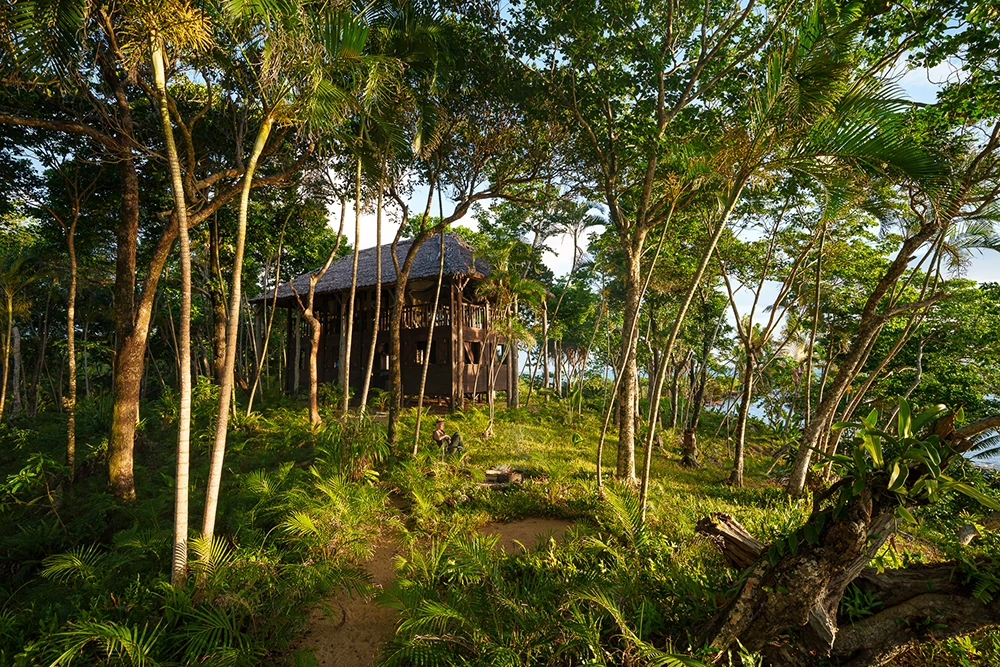
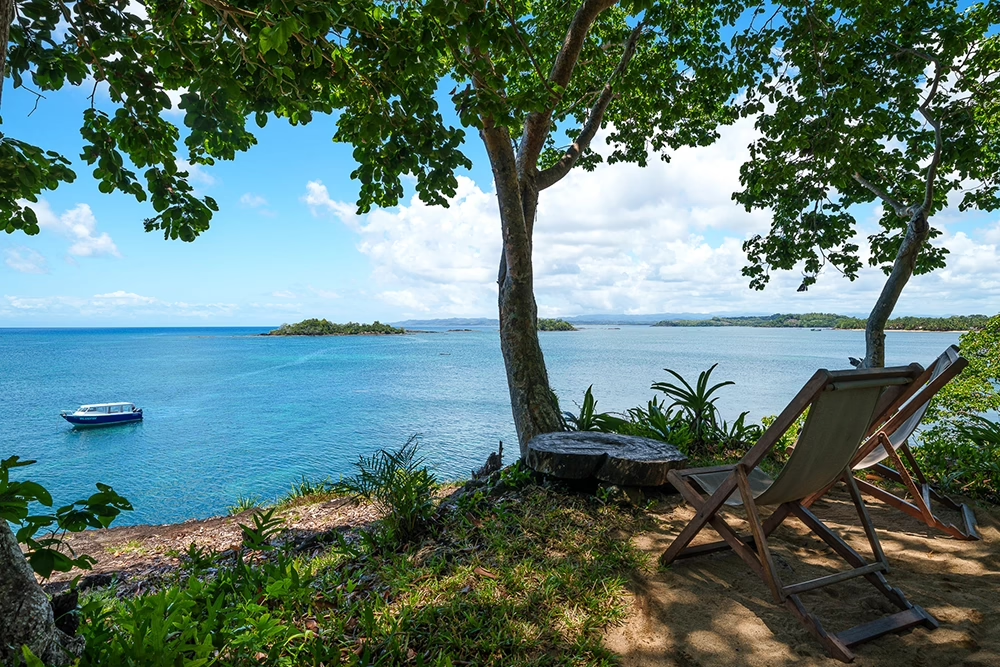
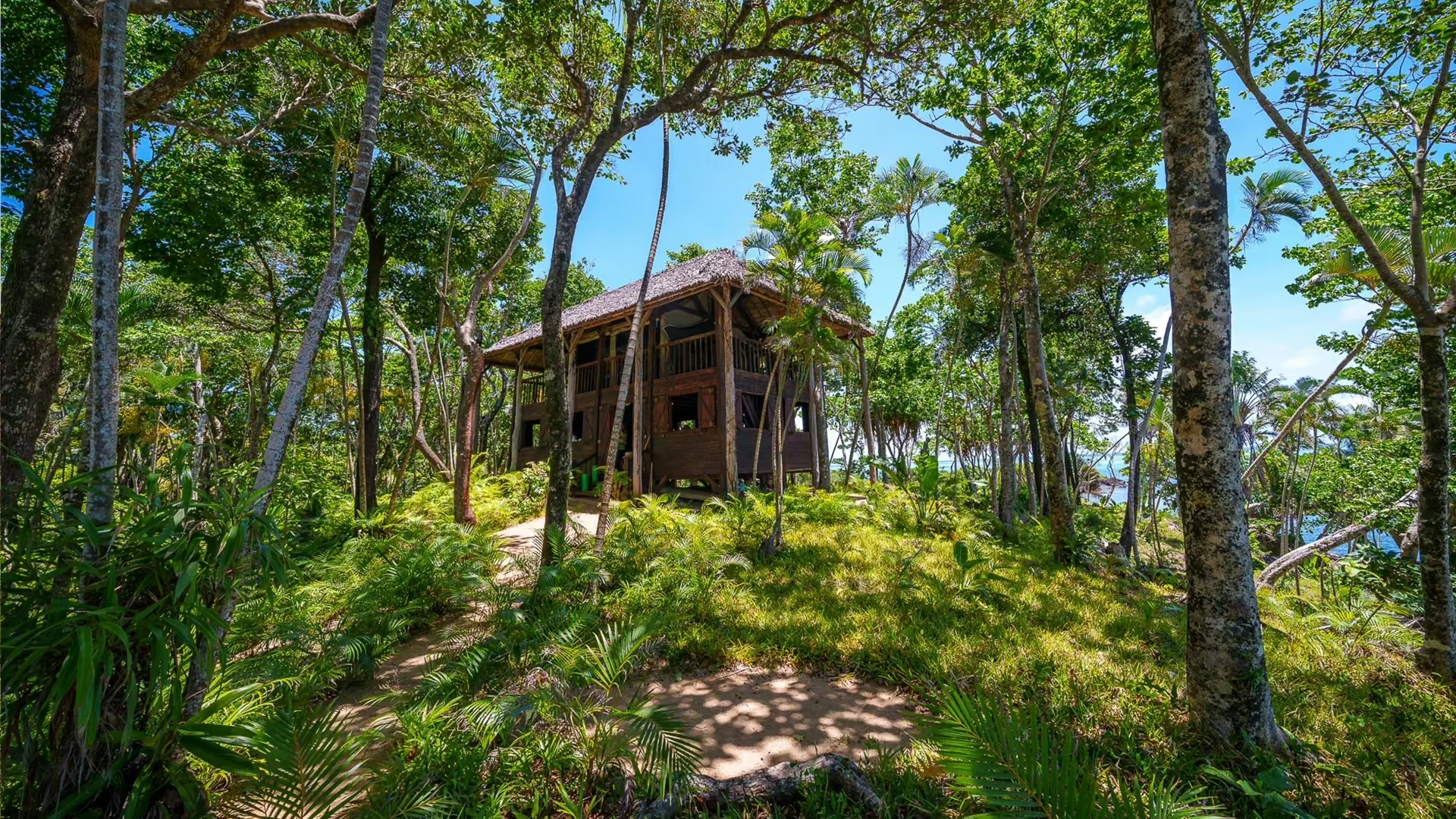
On a hill above a lonely stretch of Madagascar’s northeast coast stands a two-storey timber cabin. Hidden among overgrown ferns, leafy trees, and clove plantations, you won’t find it by chance. It’s open only to guests on a Blue Lagoon Expedition from Masoala Forest Lodge, so you’ll be the only guests there, and we can promise it’s every bit as special as it sounds.
Nesting arrangements
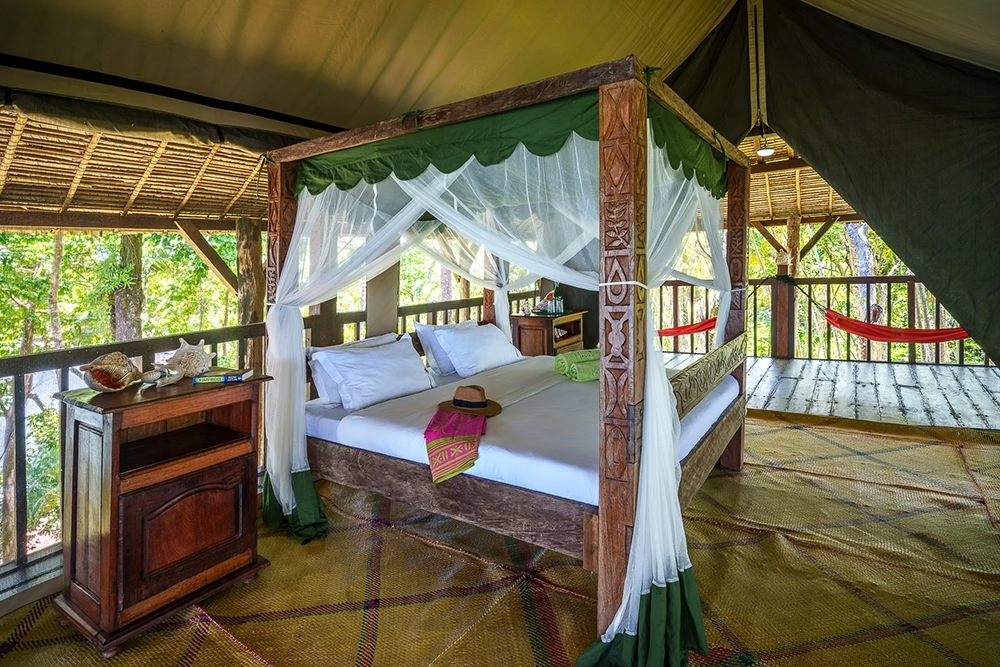
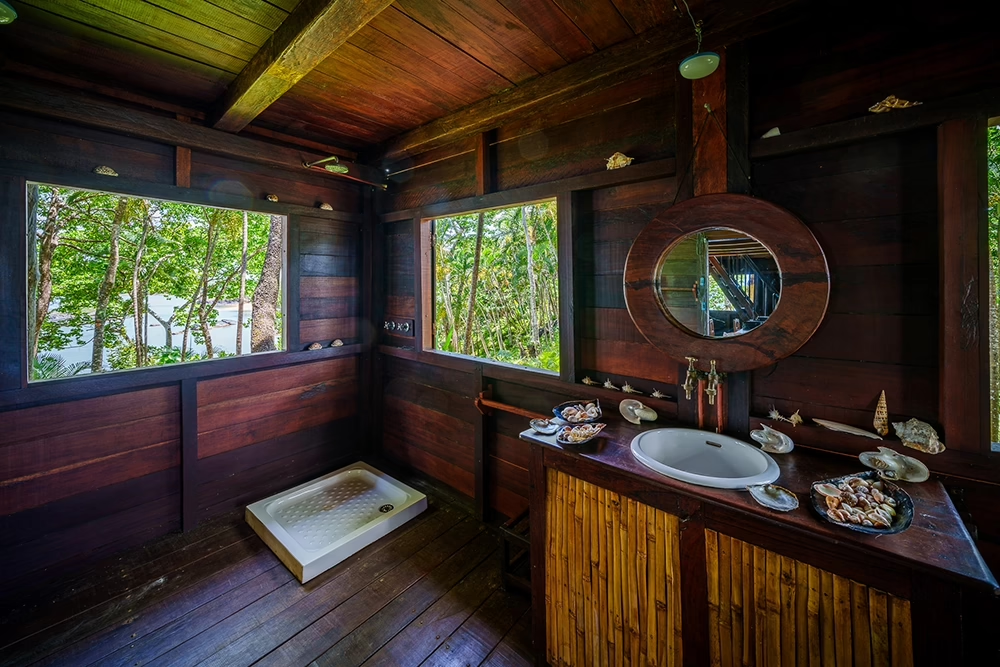
Up on the first floor, the bedroom has done away with walls and gone for mesh instead. That lets in the breeze and the hush of the waves, and keeps out anything with more than four legs. Your bed is a hand-carved four-poster wrapped in nets, the sort of bed an explorer would write home about. Upstairs, the decks are kitted out with a table, chairs and a couple of hammocks, and the afternoon snooze they invite is a battle you’ll happily lose. Then there’s the bathroom, with running water and a flush loo – all a tad comfier than Robinson’s experience of castaway life.
Food philosophy
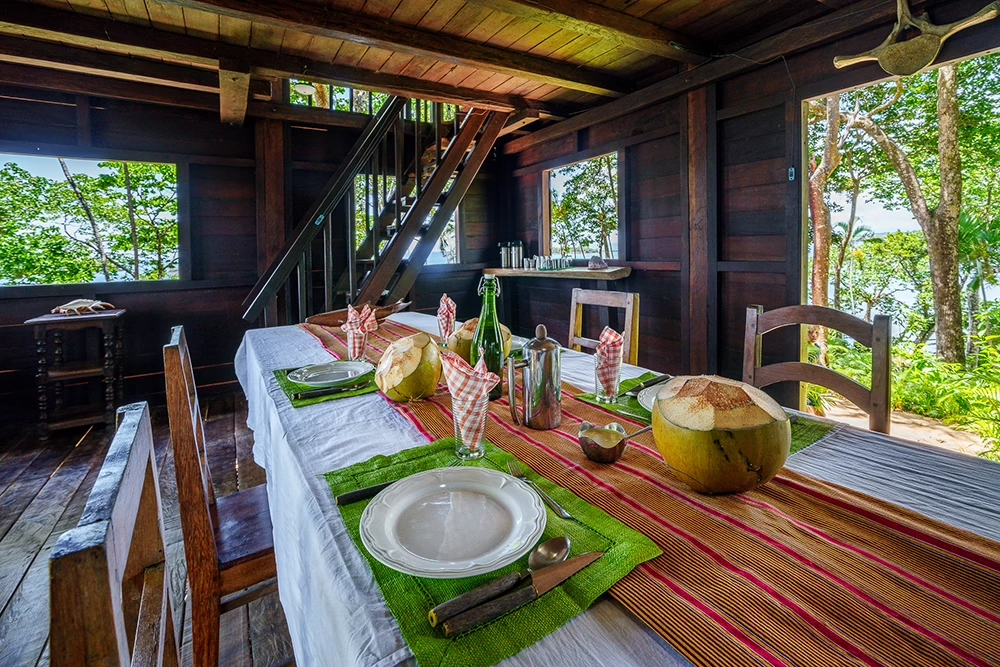
Meals are served on the ground floor, facing the sea. Nobody is foraging for truffles here, and nobody needs to. It’s tropical fruit, fish that was swimming that morning, and a coconut with a straw stuck in it. It’s simple, it’s fresh, and it comes from right outside, which is everything you need and not a thing more.
Secret sauce
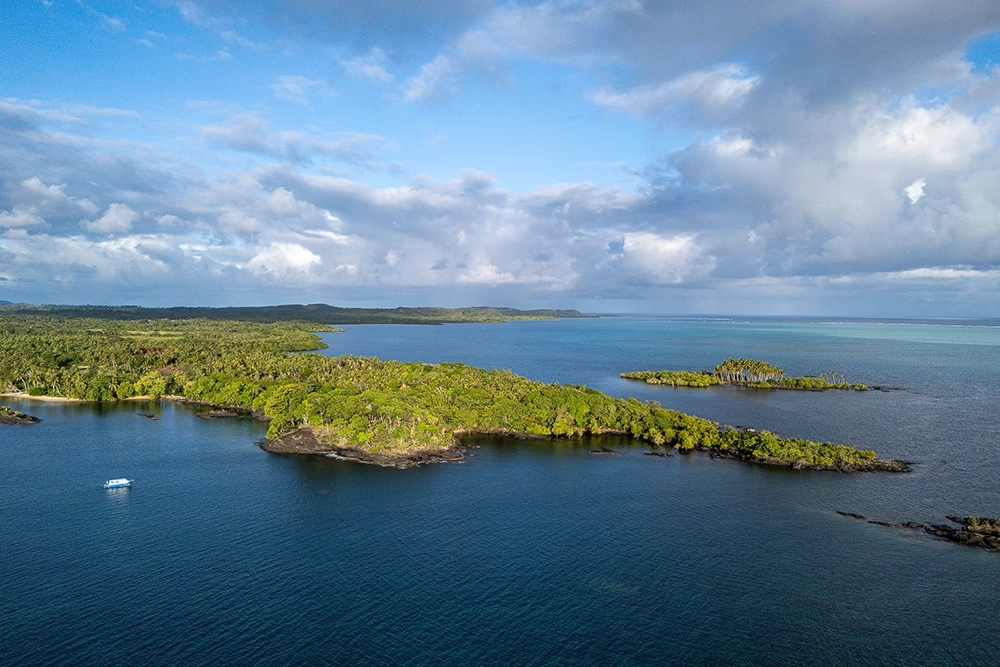
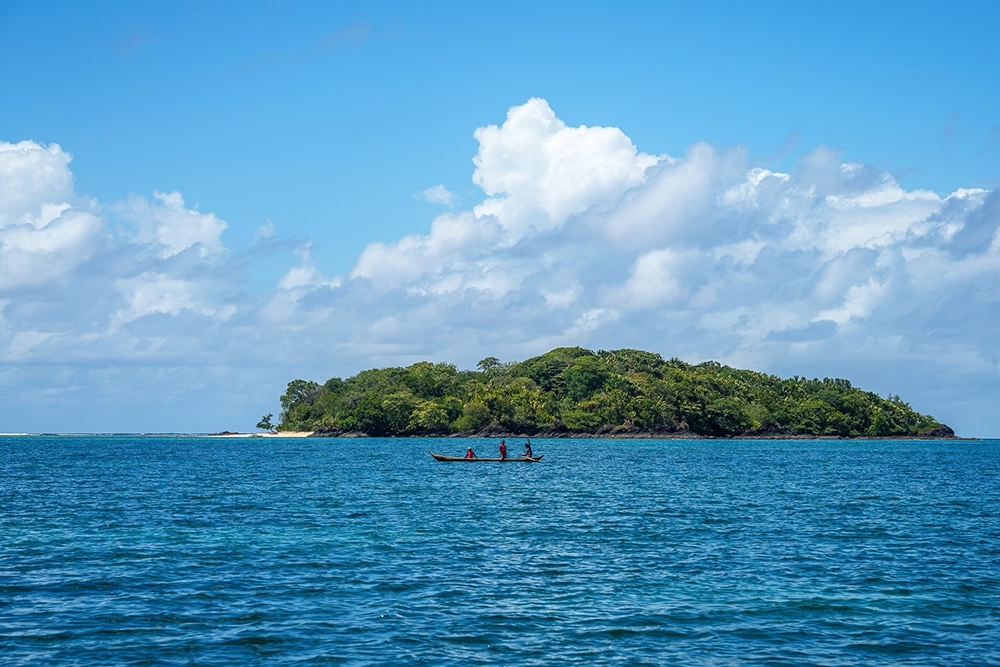
No roads lead to Crusoe’s Cabin. You arrive the old-fashioned way, on a 40km (25-mile) boat trip down the coast from Masoala Forest Lodge. The Cap Masoala community lives off the land and the sea, and anything else arrives by boat once a fortnight. Calling it far-flung is an understatement, and that’s exactly why we love it.
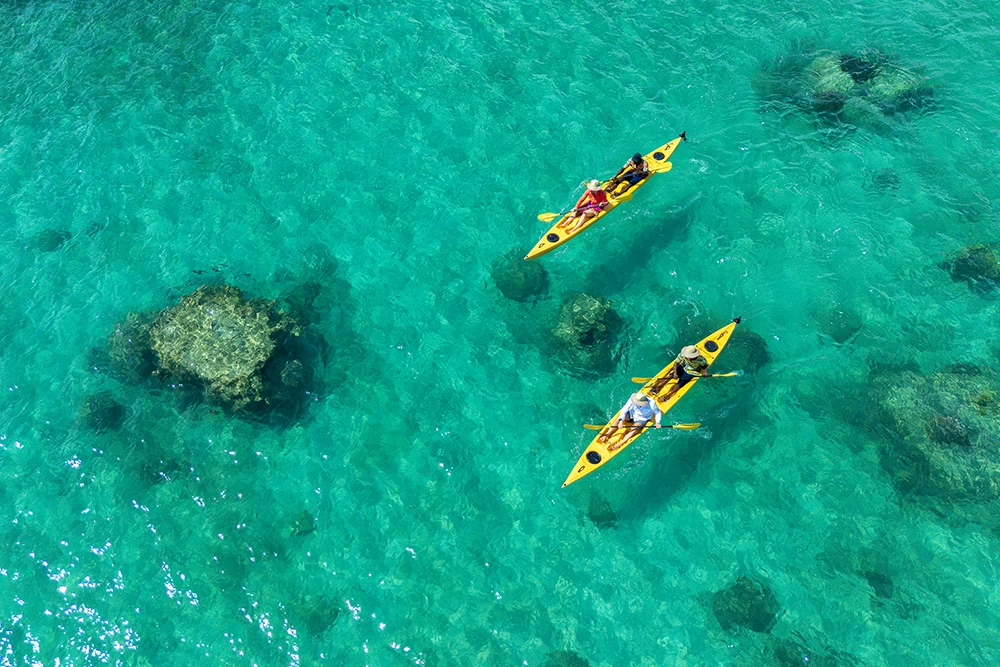
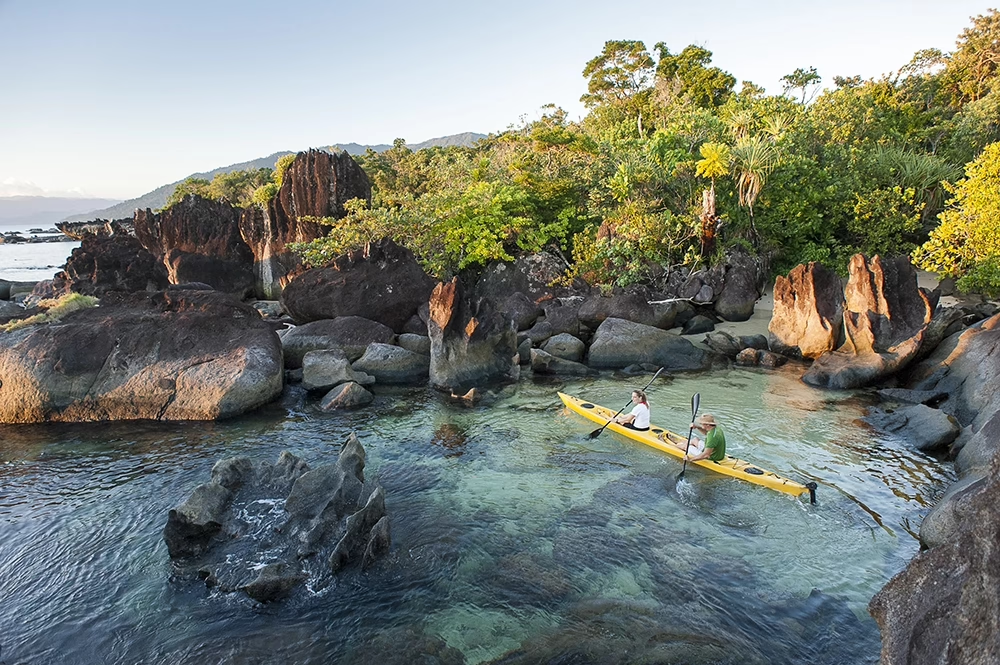
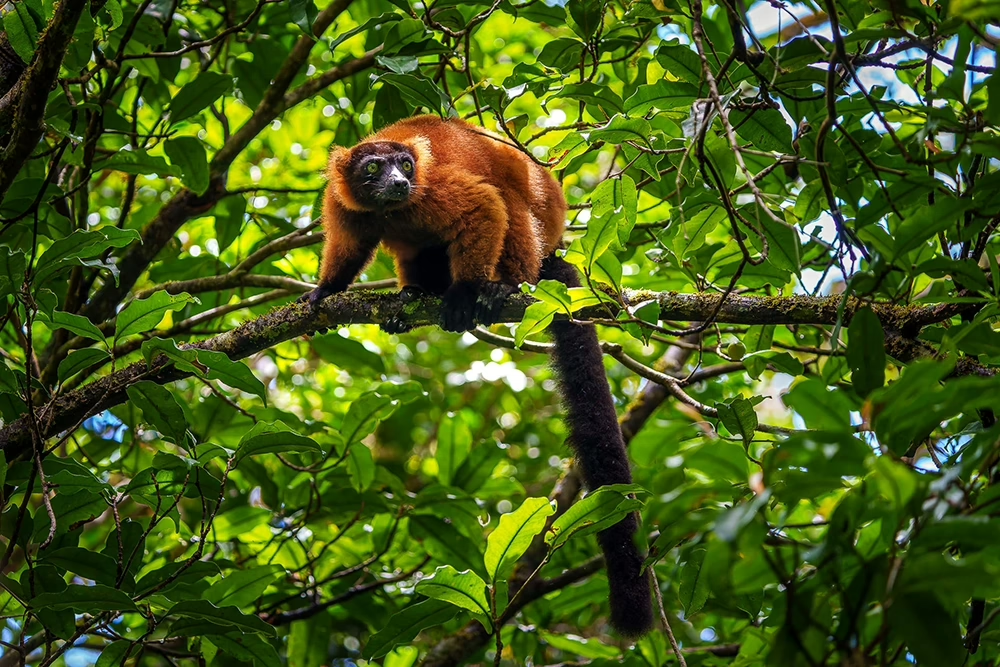
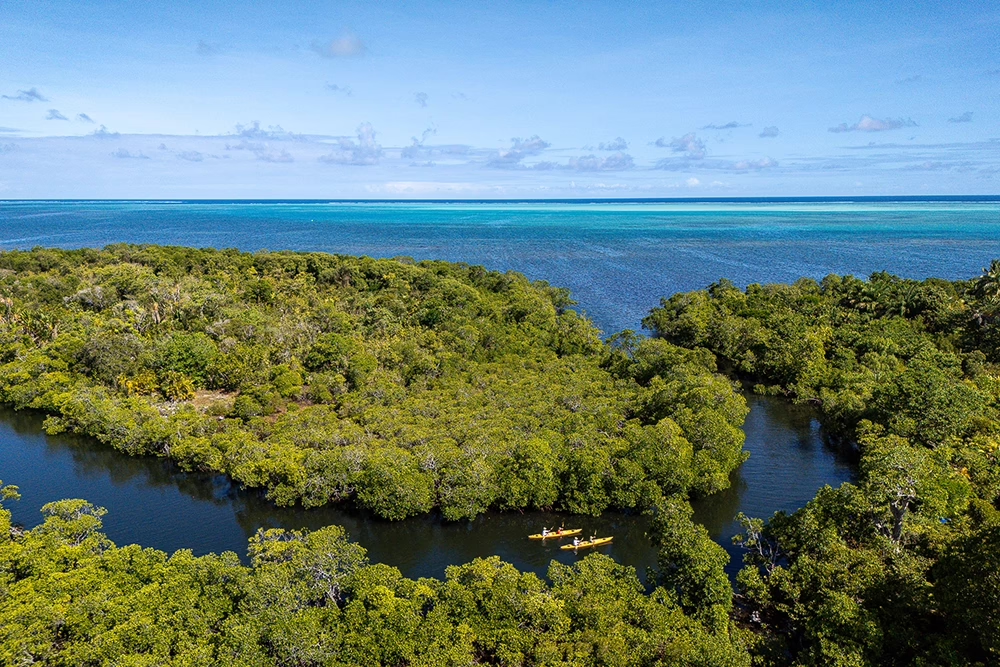
Days here are for exploring. Swim in the Blue Lagoon of the Ambodilaitry Masoala Marine Reserve, which is every bit as blue as the name promises. Wander white-sand, palm-fringed beaches with no one else on them. Kayak over to Nosy Behento, where you’ll find a secret snorkelling spot and an abandoned lighthouse. Wave to the fishermen along the shore, since they’re the closest thing you’ll have to neighbours. After dark, grab a torch and look for nocturnal lemurs and chameleons, who are far more sociable once the sun’s gone down.