
Setting the Scene
Three hours from Fort Dauphin, where the tar thins out and the landscape begins to look a bit defiant, the Mandrare River winds its way through one of Madagascar’s most peculiar and least understood ecosystems. This is the deep south. Dry, dramatic and elemental.
Mandrare River Camp sits in the hard-to-come-by tamarind shade that lines the banks of the Mandrare River. Beyond the river’s green ribbon, the landscape is pretty much bone-dry, but the cactus-like, spiny forest has learned to thrive in defiance of the elements. Set within the grounds of a colonial sisal plantation and opposite the sacred ancestral forest of the Antandroy people, it’s the kind of place you half expect to reach by compass rather than coordinates.
Wild Origins
The camp is set amongst one of the island’s most endangered habitats, the spiny forest. The landscape feels sculpted rather than grown. Octopus trees twist skyward as if caught mid-stretch. Baobabs defy gravity, and absolutely everything seems to have thorns, just to keep you on your toes. As inhospitable as it all sounds, it is wildly alive!
Ring-tailed lemurs move through the tamarind canopy with practised confidence, and endangered Verreaux’s sifakas perform their famous sideways dance. As dusk settles, tiny mouse lemurs dart between branches, chameleons materialise from bark, and the Madagascan hissing cockroach may even show up looking improbably glossy and self-assured. (You’ll cope. We promise).
Nests for the Night
Nine rather lovely safari tents line the riverbank, each angled towards the lazy bend of the Mandrare as it meanders through the valley. And just so we’re absolutely clear — this is not “roughing it”. No character-building in sight. You’ve got a private verandah made for unhurried coffee and the important business of staring at the view, plus a bed with proper crisp linen that feels deeply sympathetic to your day’s dusty adventures. At night, the whole canvas affair glows softly, while the stars overhead go so bright, they may just warrant an eye mask. Come morning, birdsong drifts through the tamarind trees and does a far better job than your phone ever has.
Food Philosophy
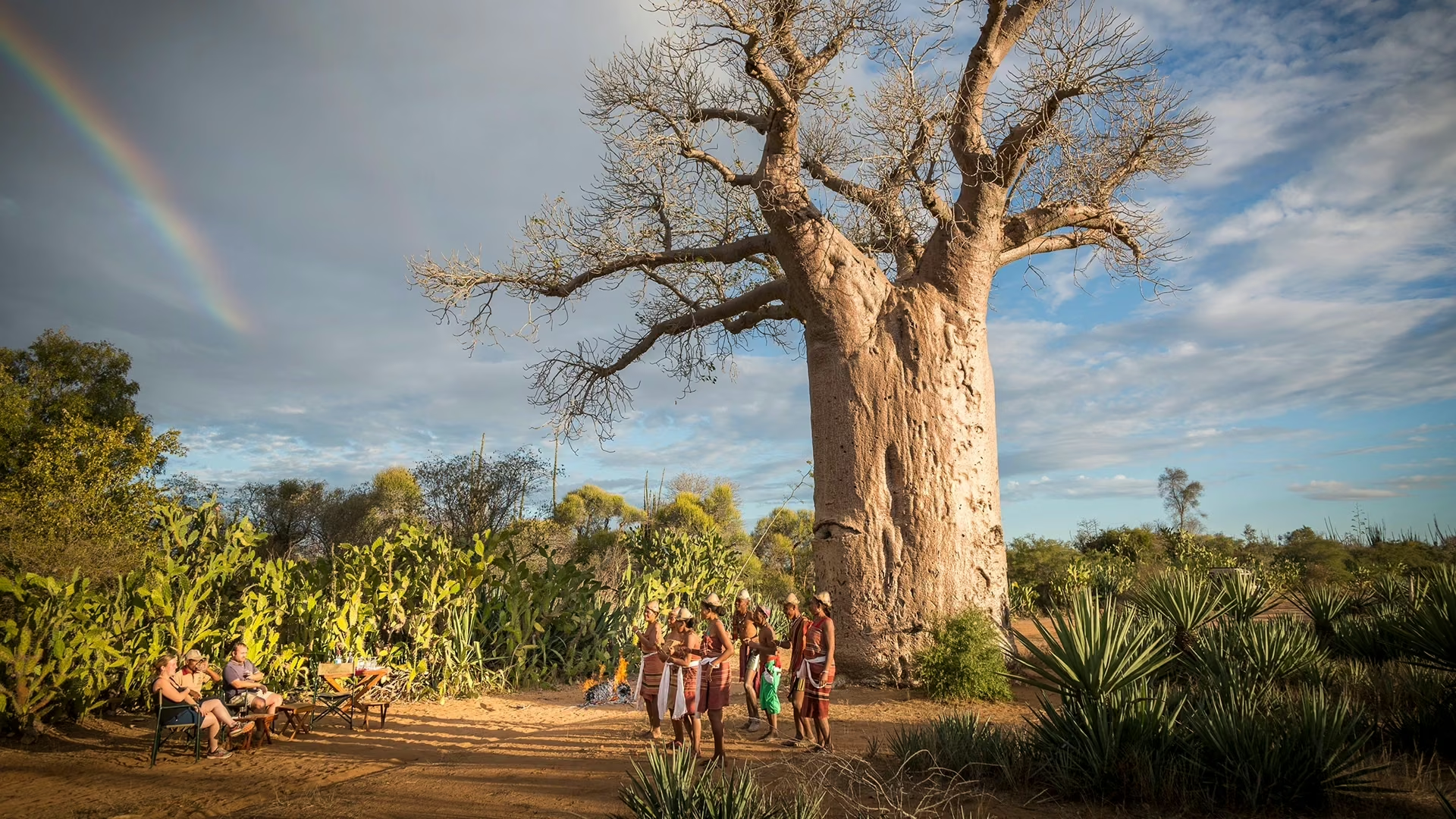
Dining here is like the most exciting game of musical chairs you’ve ever played. One evening you’re dining beneath tamarind trees, the next you’re beside the river as the sky turns molten pink. Or out in the baobab forest, where over a hundred ancient trees frame a picture-perfect sunset.
The philosophy is simple. Celebrate Madagascar. Local ingredients. Seasonal produce. Generous flavours that reflect the land you are standing on. And then there are the moments in between. A cheeky gin and tonic overlooking the river. Coffee at sunrise. A poolside beveragino – because you’ve earned it.
One More Thing
When you’ve exhausted the very serious business of poolside loafing and extended lunches, you might consider doing something mildly adventurous — like leaving your sun lounger.
Cross the river to the Sacred Gallery Forest for a stroll under the lemur-filled tamarind trees. Take a local tracker with you through the spiny forest and you’ll start seeing things you’d otherwise walk straight past — hidden ancestral tombs, medicinal plants, and the quiet threads of Antandroy culture. Pop into the Ifotaka village market — a cheerful swirl of fabrics, chatter and daily life that feels entirely unfiltered. And then there’s Lac Anony. Vast sand dunes dramatically divide a saltwater lake from the Indian Ocean, where flamingoes gather in their pretty pink frocks.
As dusk rolls in, head out again — this time with a torch and a sense of occasion – for a night walk!


