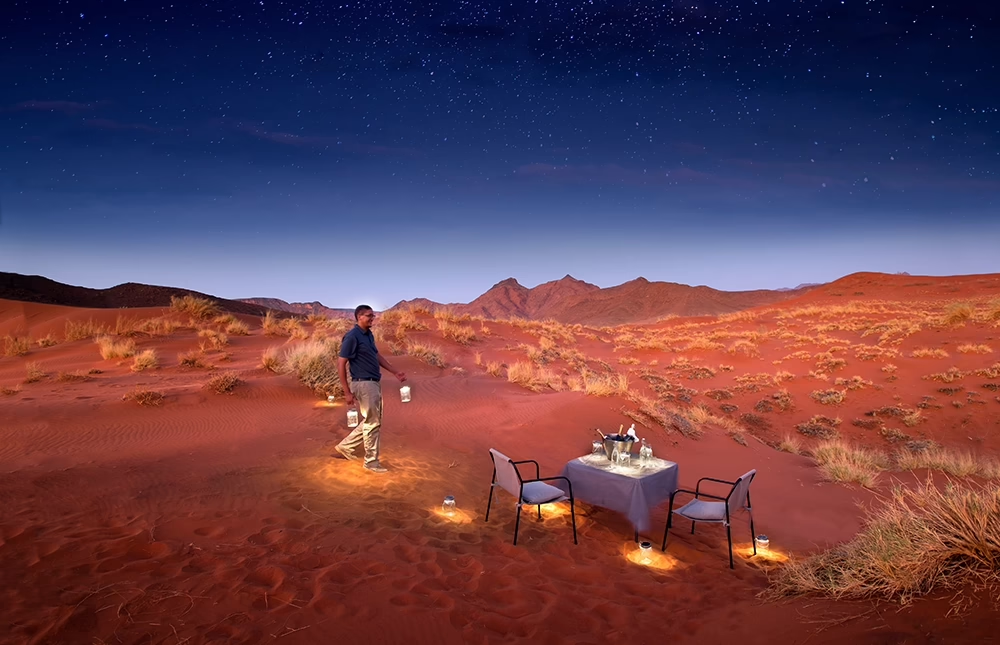
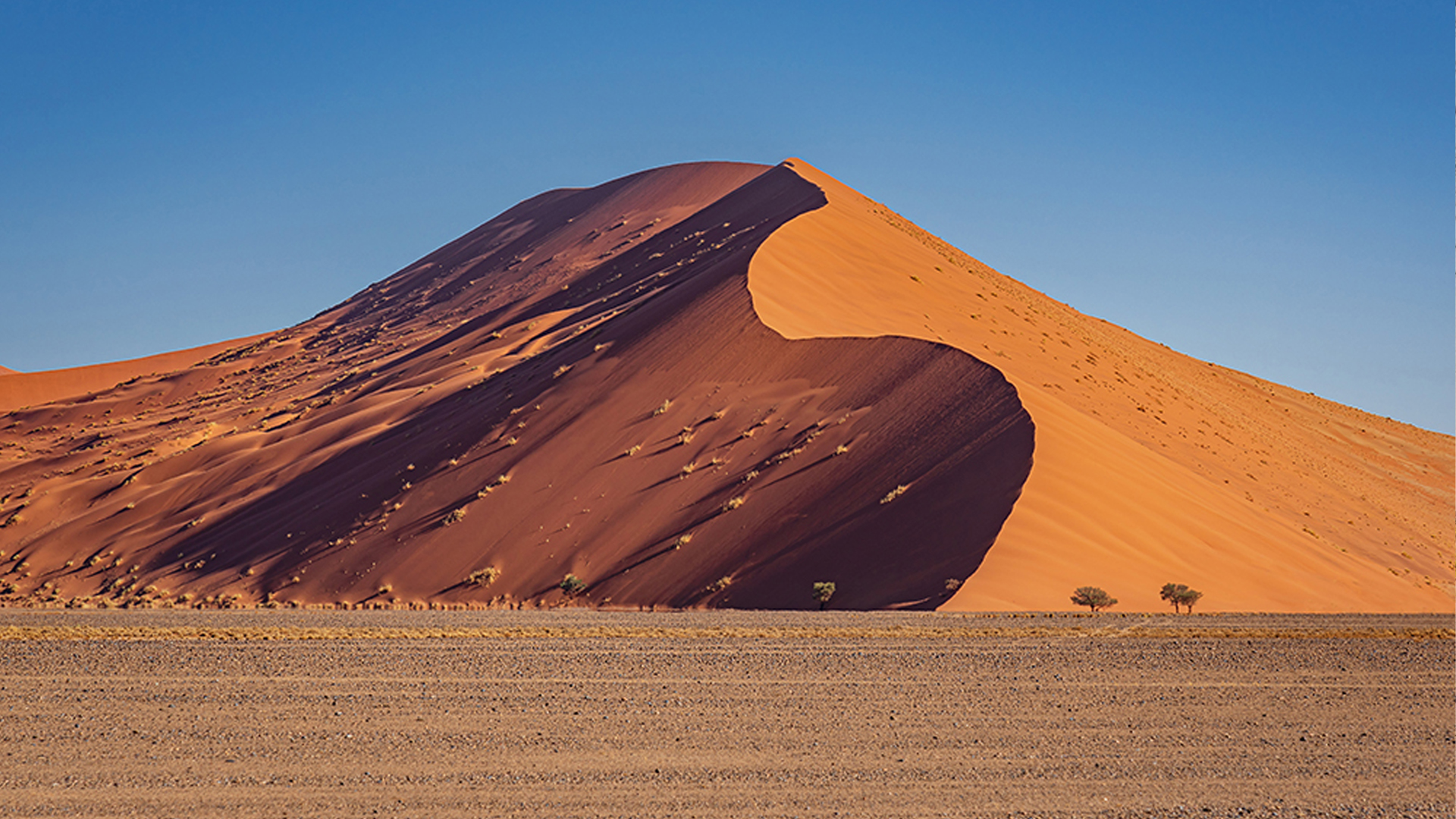
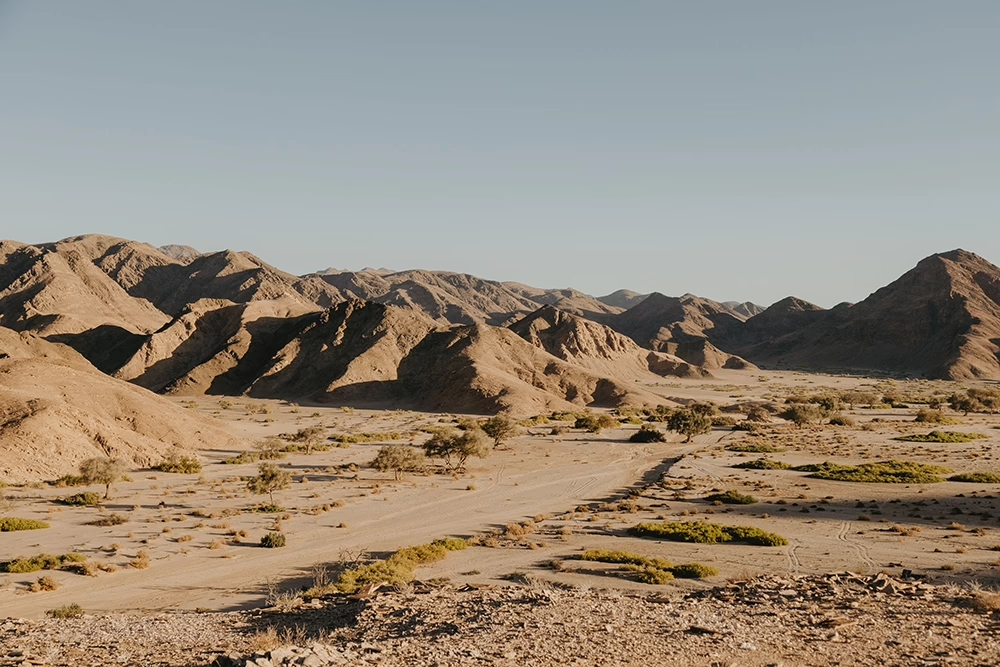
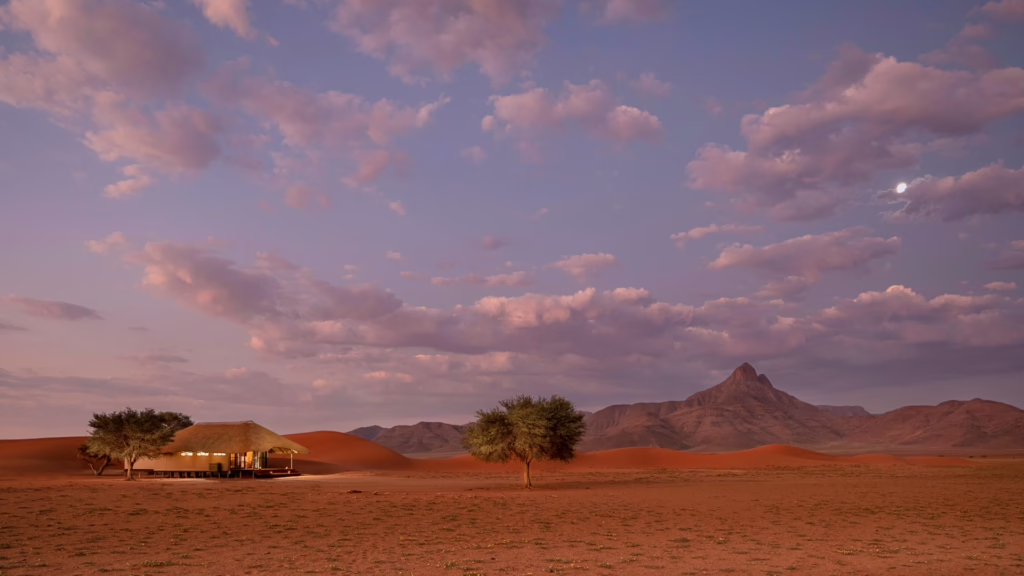
What is Sossusvlei? Its horizon-tickling, rippling red dunefield isn’t called the Namib Sand Sea for nothing. Even UNESCO has inscribed these towering star-dune edifices on its World Heritage Site list.
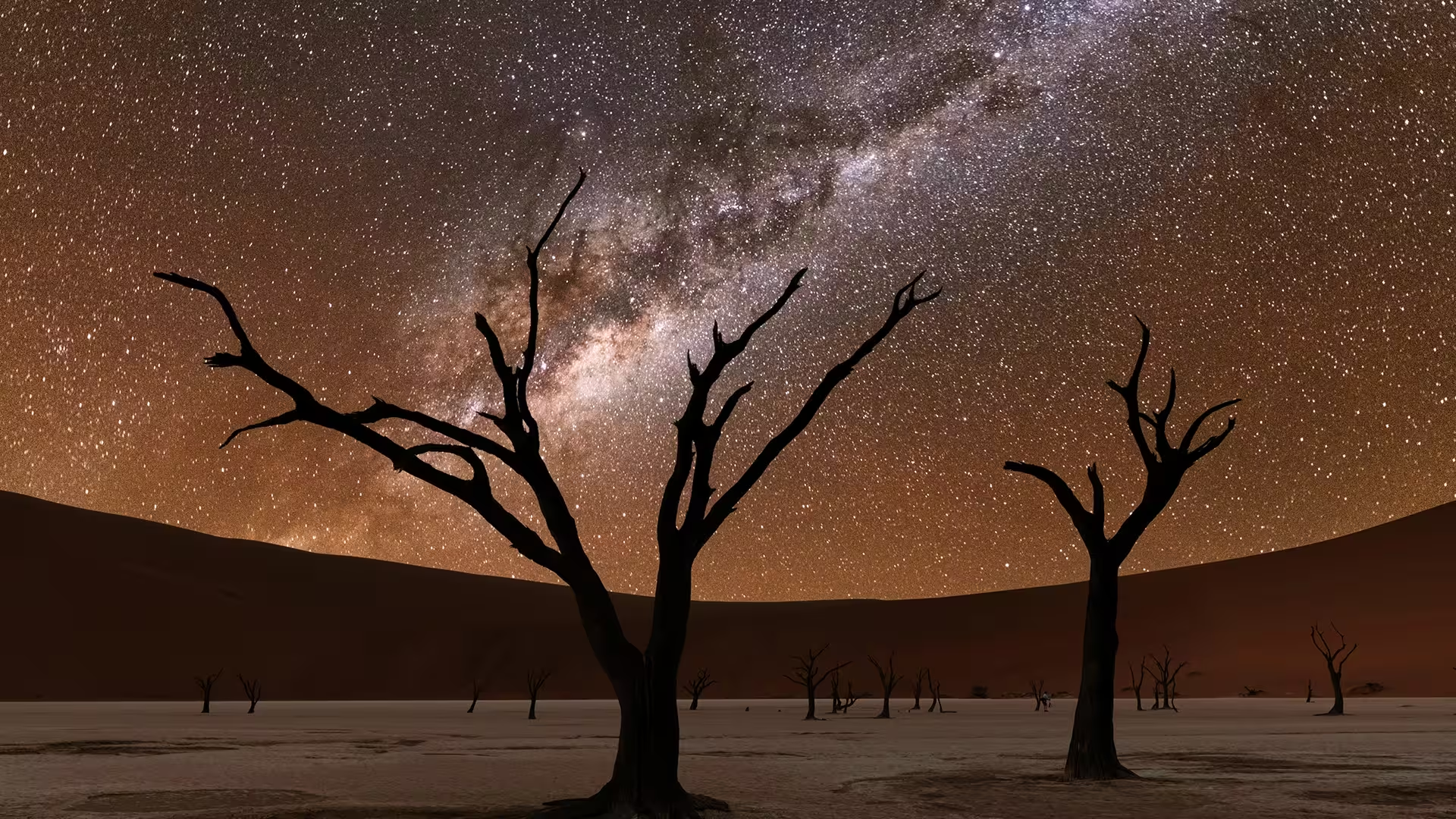
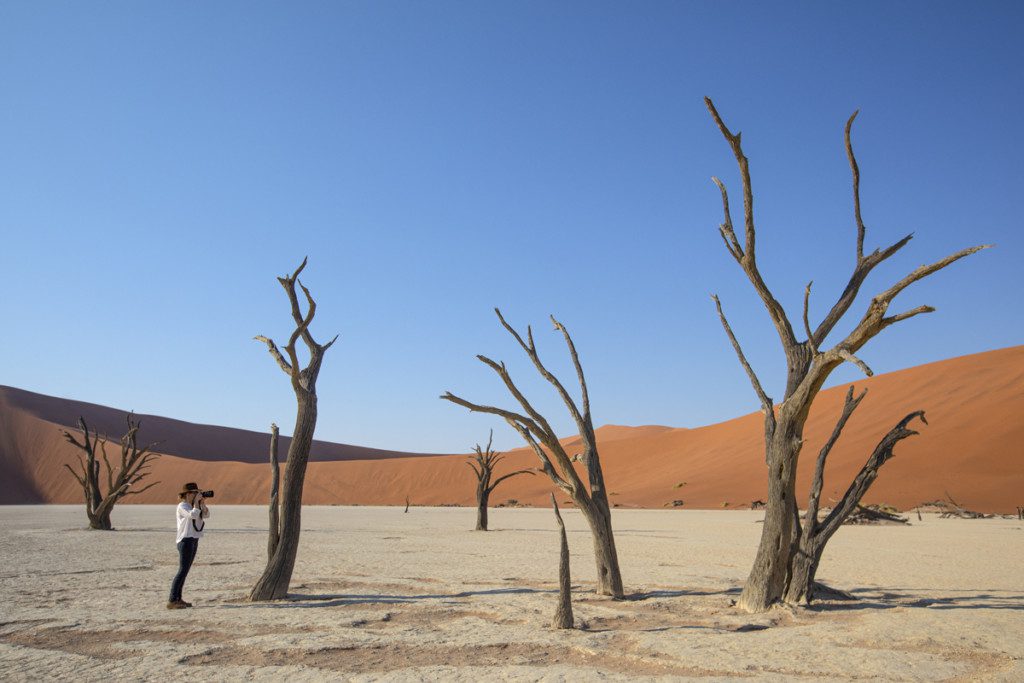
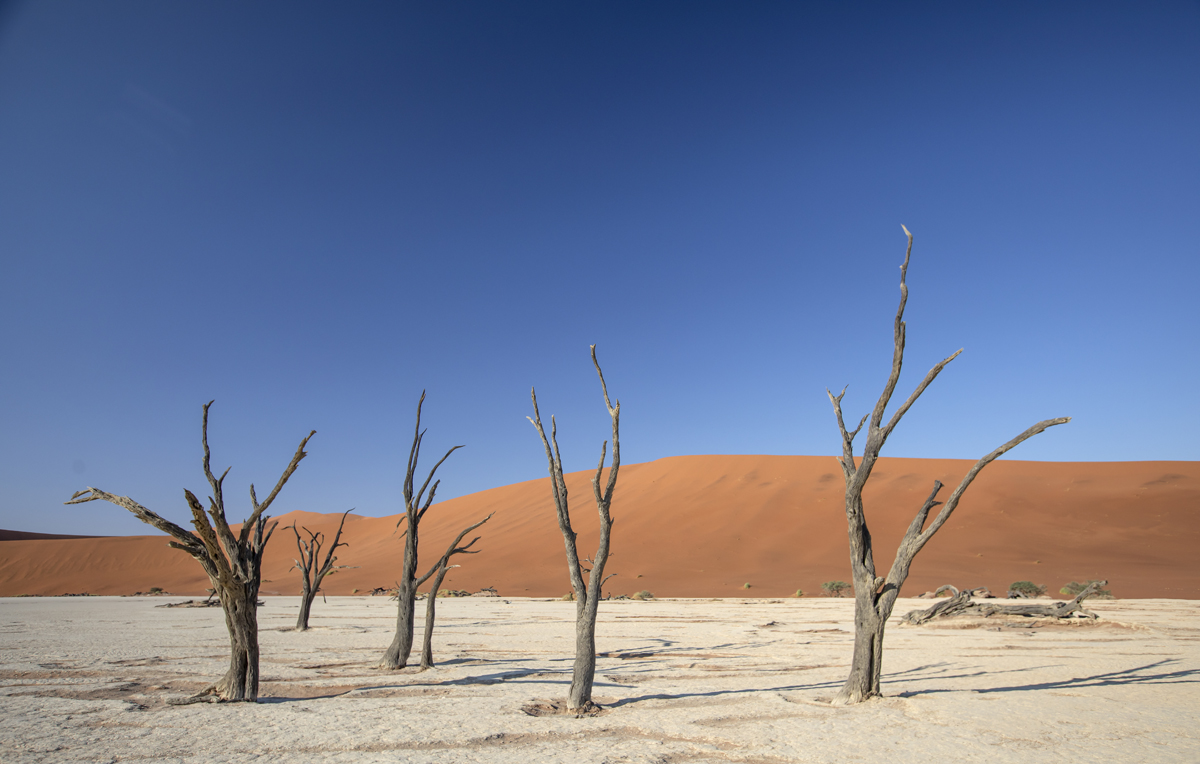
Some of these giants are among the tallest on Earth, and climbing one is a rite of passage. Running, sliding and tumbling back down? Practically compulsory. Big Daddy is the boss of them all, over 300 metres of sand looming above Dead Vlei. Below it lies a bone-white clay pan cracked like old porcelain, where a ghostly forest of camelthorn trees has stood, dead and blackened, for centuries. It’s eerie, silent and strangely beautiful. Many say it’s the most surreal sight in all of Namibia.
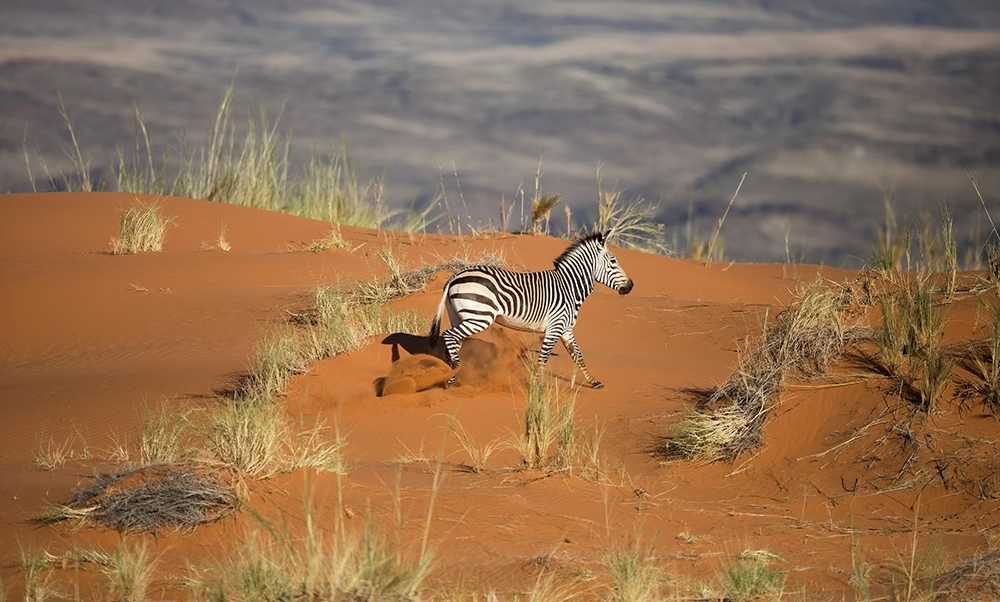
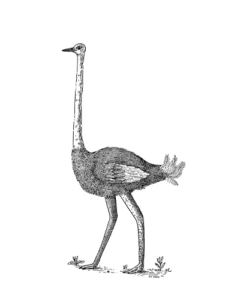
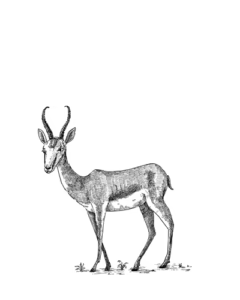
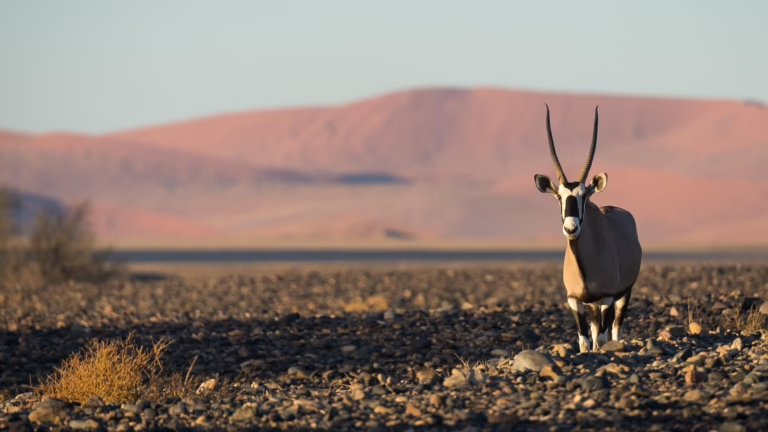
And this desert is far from lifeless. Gemsbok stride across the sand with their sabre horns, zebra herds drift through the haze, and curious jackals trot by to check you out. Look up and you might spot a kori bustard, the heaviest bird that can still take to the sky. Bring your camera and your sense of wonder, because on this delightfully unusual African safari every turn is a photograph waiting to happen.
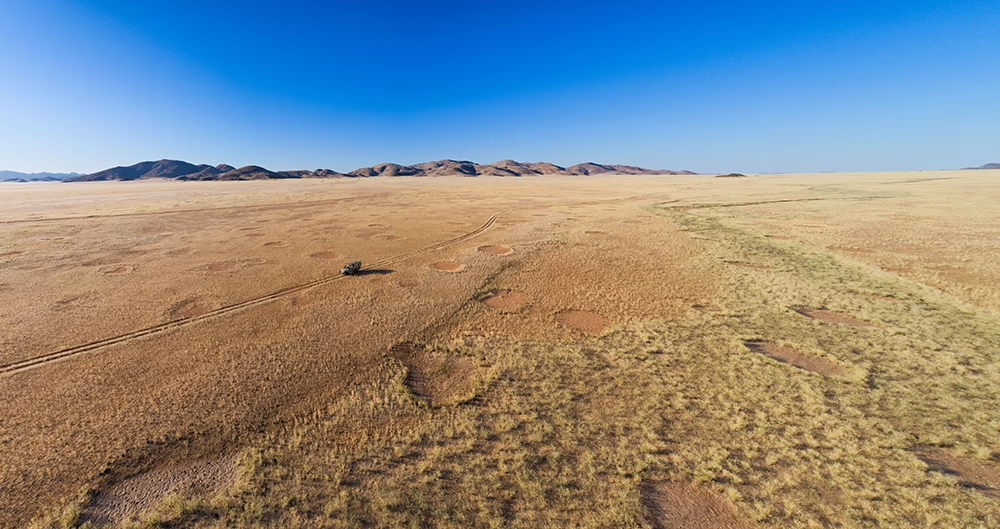
Arrive after a rare wet summer, and the desert pulls off a magic trick. Shimmering grasses sweep across the ochre plains in unexpected swathes of green. The Tsauchab River, which set out for the Atlantic just 50 km to the west and never made it, pools on the white clay pan. Stand at its edge, and you may catch your own reflection, mirrored in the water in the middle of one of the driest places on Earth.