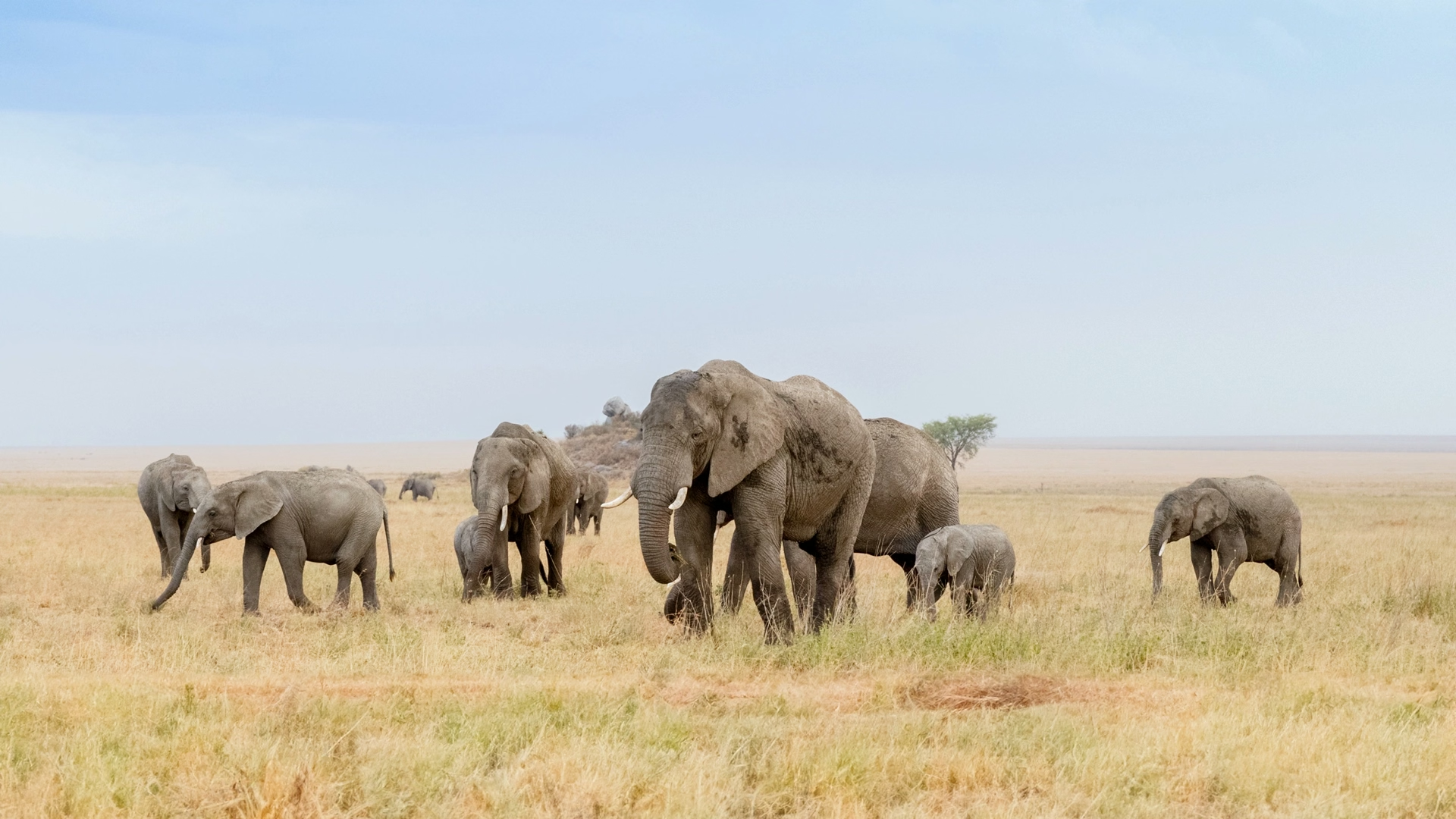

a herd of elephants on the flat grassy plains of the Serengeti

Serengeti

Start Planning

Endless Plains

A true safari icon. Land that runs on forever, flat-topped acacias and more than a million wildebeest: an all-you-can-eat buffet for hungry predators.

It’s the evocative name that likely drew you to Tanzania first, and the Serengeti can be as iconic as you imagined. It is, in documentaries and real life, a place of big, open plains punctuated by flat-top acacia trees. Look closer, and you might see a solitary leopard sprawled in the shady branches. Stately giraffes pick their way across the plains, from one tasty tree to the next. Cheetahs are in their element, with plenty of space to reach their electrifying top speeds as they race after unfortunate gazelles.

The great migration.

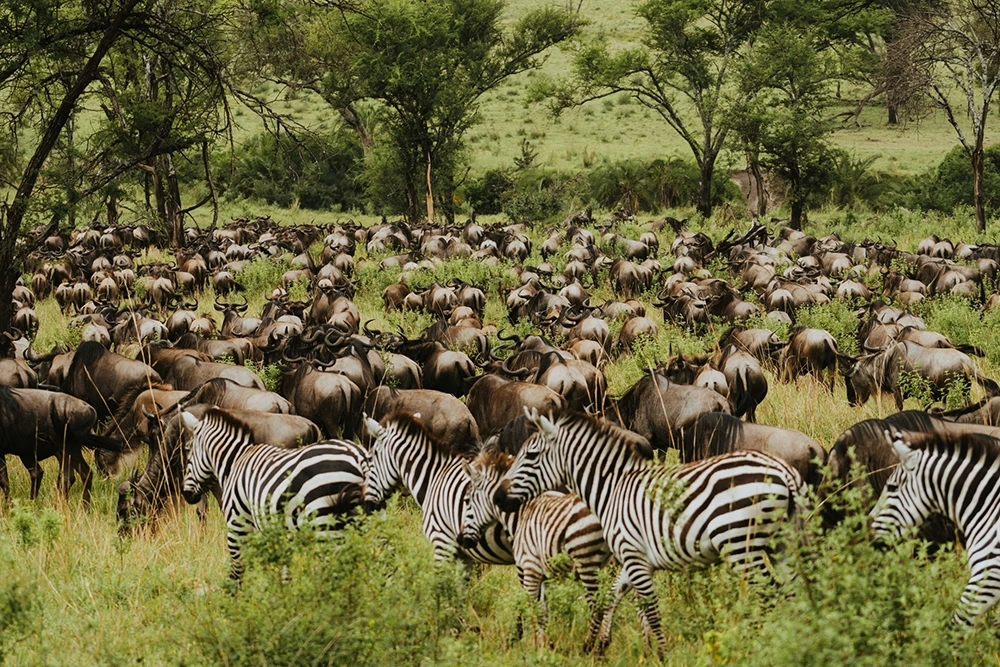
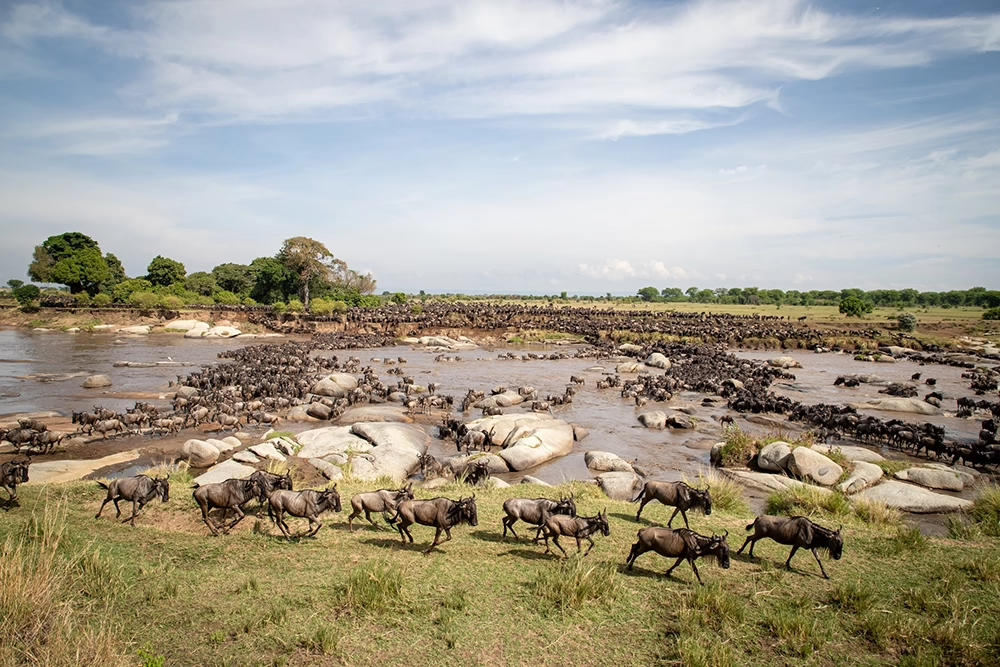
And then there is the wildebeest migration. At any given moment on Earth, millions of animals are on the move, whether to feed, breed, or find a new home. The largest and most extraordinary of these migrations occurs in the Serengeti. It’s a spectacular journey of almost 3 million antelope, mostly wildebeest, migrating in search of fresh grazing. It also attracts a few thousand bristling telephoto lenses, especially in July and August, when these khaki-clad safari-goers flock to the northern Serengeti for an annual migration that’s becoming more (in)famous than the wildebeest’s. They’ve come for the Mara River crossings. We’re not saying avoid it like a vegan triathlete at a cocktail party. There are smart ways to enjoy the Serengeti. The good news is you can see the migrating wildebeest herds year-round. After the November and December rains, the migration heads to the southern Serengeti to feast on fresh grass. Some consider this the best time to experience the migration. February marks the start of the calving season. The area is looking beautifully green, colourful migrant birds have returned, and every day, over 8000 newborn babies arrive – and blinking, step into the sun (sorry, couldn’t resist). The predators that follow the herds are a highlight of the migration. In April (after the rains end), they leave the south, and the migration officially starts. This is when the herds are at their most impressive. Some years, the animals move northwest into the Grumeti River area and stay there for much of May and June. In years of plentiful rainfall, they tend to linger in central Serengeti.

Are you coming?

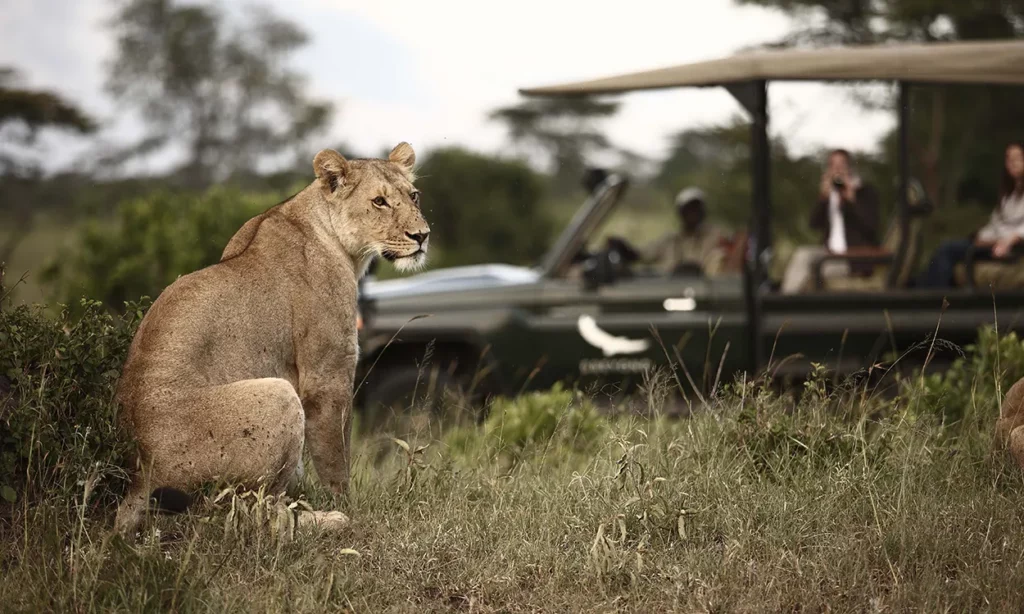
In the Serengeti, wake early to a pride of lions roaring in camp and unwind around the campfire (bush TV) under starlit skies. Feel the earth rumble as the wildebeest migration rolls by. This isn’t just a safari; it’s the setting for epic stories you’ll tell for years.

WHEN YOU'LL GO

When to Go to the Serengeti

The Best Time to Visit the Serengeti for a Luxury Safari

In the Serengeti, the question isn’t really when to go, it’s which bit of the show you want to see. Calving season brings half a million newborns and some very attentive lions. Summer brings crocodile-filled river crossings, and the rest of the year is herds on the move and plains that never sit still. The wildebeest set the schedule, you pick your scene, and we’ll get you a front-row seat.

January

Secret Season

The herds are back on the short-grass plains of the southern Serengeti and Ndutu, grazing on mineral-rich grass brought to life by the short rains. Days are hot, sunny, and clear, and calving season is underway (the annual peak of zebra foal births), with newborns appearing by the thousand and predators following close behind.

Why it’s special: Calving season kicks off on the southern plains.
Best for: The Great Migration, predators and wildlife photography.
Ave. daytime temperatures 15°C – 28°C (59°F – 82°F)

WHAT YOU'LL SEE

Main Habitats

Savannah Spectacle

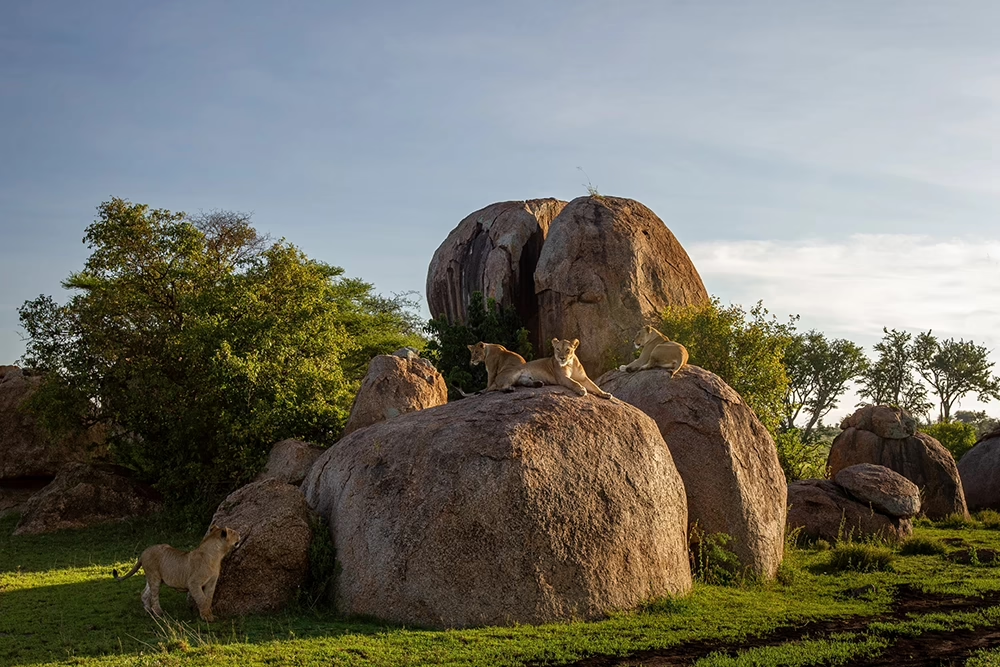
A Grazing ground, hunting ground and hiding place, all rolled into one of the most famous wildlife areas on Earth. Endless grasslands keep the herds fed and give predators a clear view of the menu. Acacia woodlands offer shade, browsing and a handy branch for a leopard’s lunch. Then there are the kopjes, ancient granite islands, where lions lounge like royalty and cubs stay hidden.

Savanna – Serengeti

Savanna

Acacia Woodland – Serengeti

Acacia Woodland

Kopjes – Serengeti

Kopjes

Rivers & Riverine Forests – Serengeti

Rivers & Riverine Forests

WHAT YOU'LL SEE

Meet the Locals

What You'll See and How Likely You Are to See Them

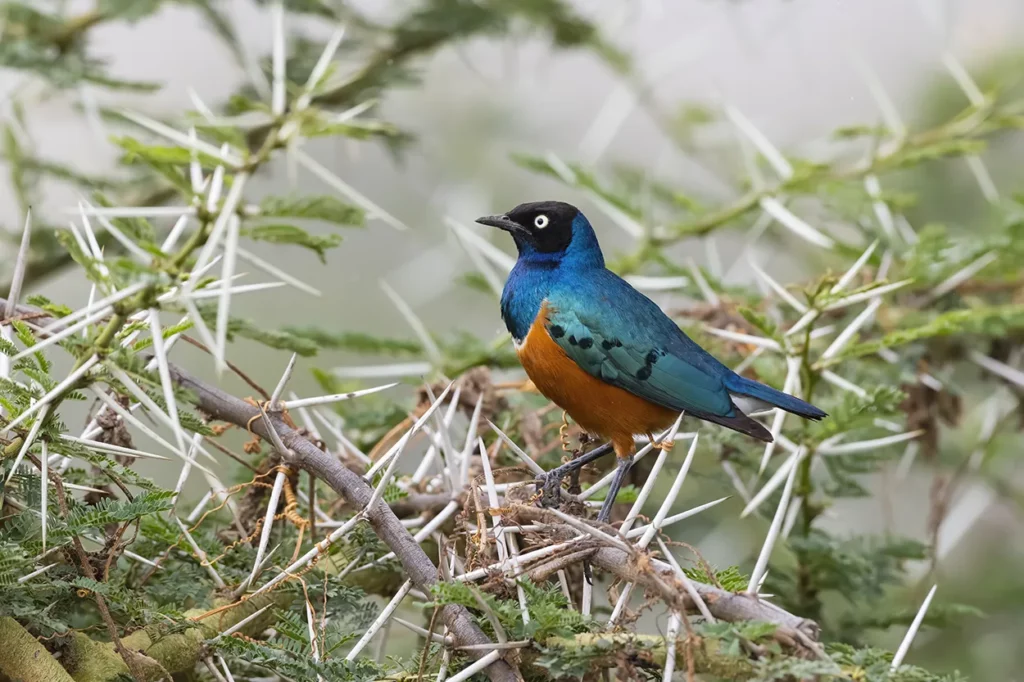
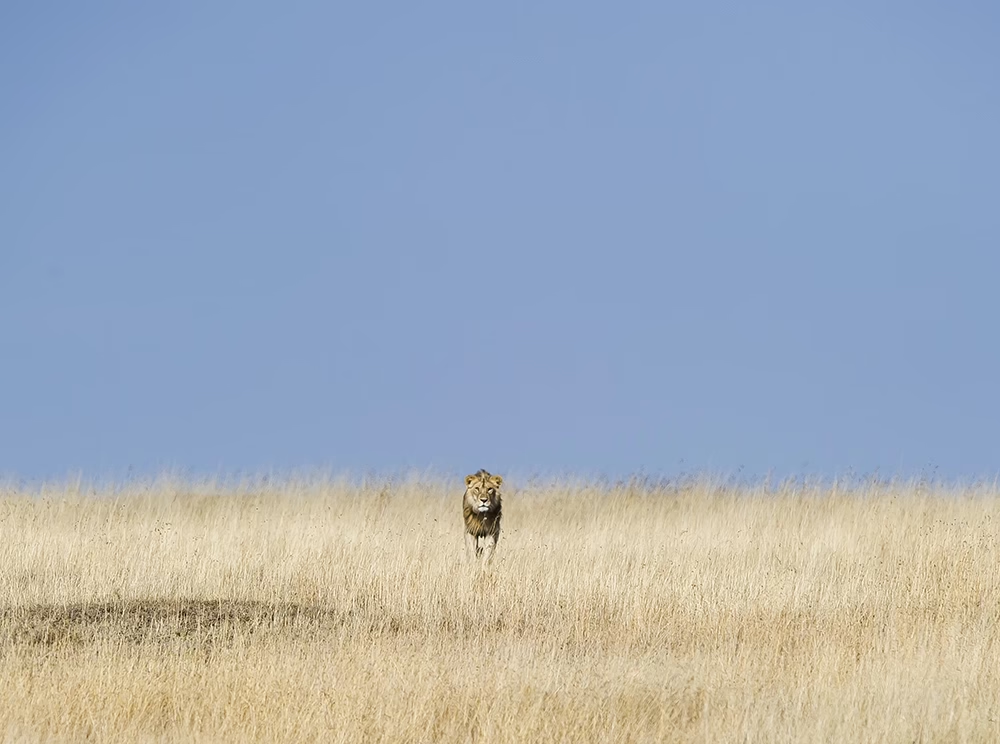
The Serengeti has Africa’s largest lion population, so the cats are never short of company or snacks. Over a million wildebeest and hundreds of thousands of zebra keep the plains busy, while cheetahs sprint, leopards lounge and hyenas loiter hoping for leftovers. Add elephants, giraffes, and more than 500 bird species, and it’s easy to see why the Serengeti is safari’s poster child.

Giraffe

Giraffe

95% Chance

Lion

Lion

95% Chance

Zebra

Zebra

95% Chance

Elephant

Elephant

95% Chance

Impala

Impala

95% Chance

Warthog

Warthog

90% Chance

Wildebeest

Wildebeest

100% Chance

Cape Buffalo

Cape Buffalo

90% Chance

Spotted Hyena

Spotted Hyena

88% Chance

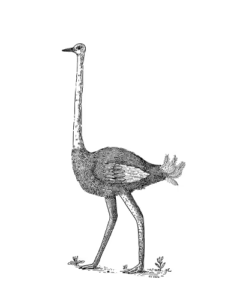
Ostrich

Ostrich

80% Chance

Baboon

Baboon

85% Chance

Vervet Monkey

Vervet Monkey

85% Chance

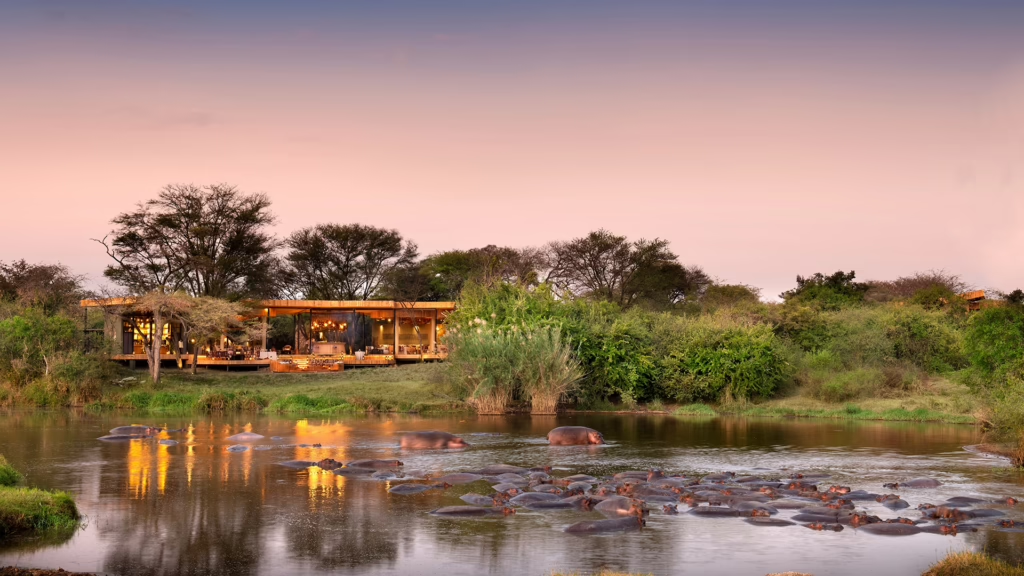
Hippo

Hippo

80% Chance

Leopard

Leopard

75% Chance

Eland

Eland

75% Chance

Aardvark

Aardvark

3% Chance

Cheetah

Cheetah

70% Chance

Black Rhino

Black Rhino

14% Chance

African Wild Dog

African Wild Dog

7% Chance

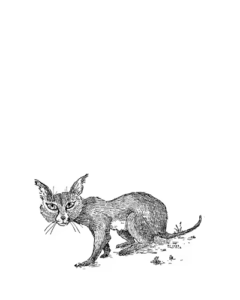
Caracal

Caracal

3% Chance

Pangolin

Pangolin

1% Chance

Our Safari Experts

Chat to an Expert

Get advice and suggestions to make this your perfect trip. We’re just a bunch of Africa-obsessed travellers ourselves, so you can rest assured that we’re trying to give you the best experience possible.

Start your journey
Chad Le Helloco

Nothing beats the magic of the Delta. Wild waterways, unbelievable wildlife, and that feeling that you’ve completely disappeared into nature.

Contact
Black-and-white portrait of Geraldine Anderson, Senior Travel Planner at Hidden Africa

For me, safari is all about the small things. The quiet sunrise drives, the stories around the fire, and the feeling that Africa gets under your skin.

Contact

WHERE YOU'LL STAY

The Serengeti's Luxury Safari Camps & Lodges

Hideaways in the Endless Plains

Frequently Asked Questions

The Great Migration isn’t a single moment. It’s a year-round cycle of movement:

Dec–Mar (Southern Serengeti & Ndutu): Calving season. The plains turn green, 8,000 wildebeest calves arrive daily, and predators circle like paparazzi.

Apr–Jun (Western Corridor & Grumeti): Herds push north, sometimes pausing around the Grumeti River, where crocodiles lurk in ambush.

Jul–Oct (Northern Serengeti & Mara River): The famous river crossings, with wildebeest hurling themselves into crocodile-filled chaos while safari-goers clutch telephoto lenses.

Oct–Nov (Eastern Serengeti): Rains return, and the herds start looping south again.

The Serengeti is a big-cat magnet! With around 4,000 lions, you’re bound to see many lounging in the shade between kills. You might spot cheetahs on the plains or leopards sprawled elegantly across acacia branches. Add to that elephants, giraffes, hippos, buffalo, crocodiles, hyenas, jackals, and over 500 bird species. Even when the herds are elsewhere, the Serengeti is far from “quiet”. There’s always something to see.

Southern Serengeti & Ndutu: Short grass, wildebeest calving season (Dec–Mar), and prime predator territory.

Western Corridor: Grumeti River crossings (around June), woodlands, and fewer vehicles.

Central Serengeti (Seronera): Leopard central and year-round wildlife, so great for first-timers.

Northern Serengeti: Home to the Mara River crossings (Jul–Oct), with fewer crowds and big-sky drama.

Where you stay depends on when you go; the herds won’t wait for you.

Go big or go home: 4–6 nights is ideal; longer if you’re following the migration. Spend a few nights in one region, then hop to another for a different perspective.

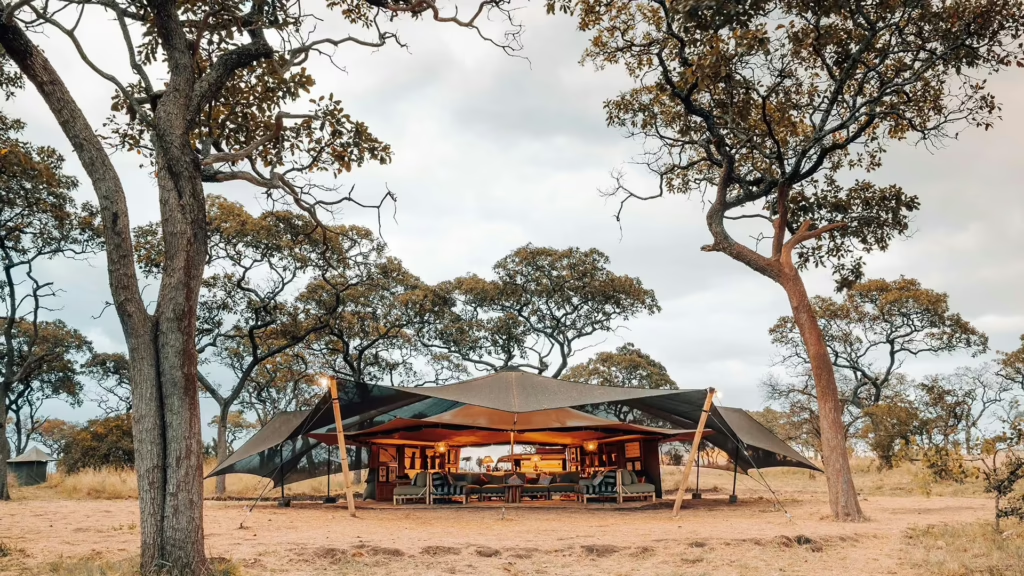
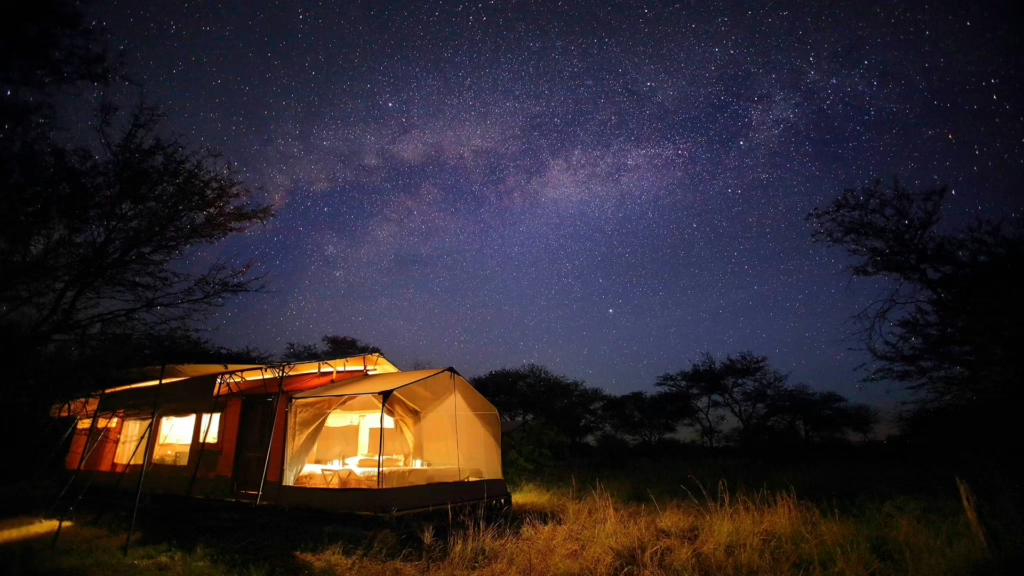
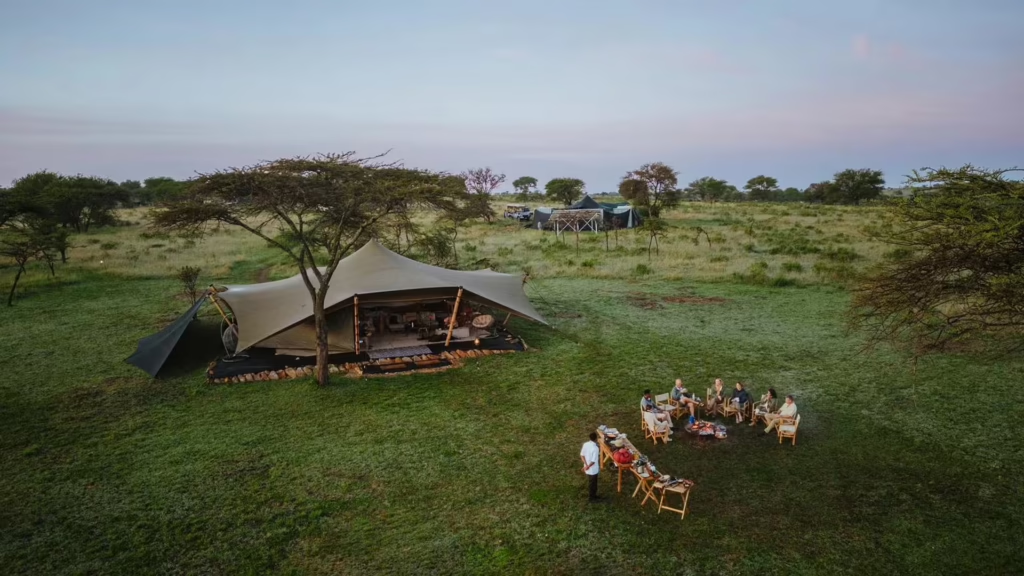
The Serengeti offers everything from stargazing tents to five-star infinity pools. Think luxury lodges with private plunge pools, fine dining, and wine cellars in the wild. Or migration camps- the ultimate insider move. These camps follow the herds, giving you front-row seats.

Yes! The Serengeti is well known for them. Hot air balloons operate mainly in the Central Serengeti and the Northern plains. Imagine floating above endless wildebeest herds as the sun spills across the horizon. Touch down for a champagne breakfast in the middle of the savannah. Romantic, cinematic, and unforgettable.

Daily flights from Arusha or Kilimanjaro whisk you to Serengeti airstrips in 1–2 hours. Otherwise, it’s a 6–8-hour drive through Maasai villages, with wildlife along the way!

Absolutely! Families can choose lodges with private villas, shorter game drives, and guides who keep little ones engaged. Honeymooners can enjoy private sundowners, candlelit dinners, and secluded mobile camps where it feels like it’s just the two of you.

Our Reviews

People are talking about us.

The most famous safari co. you've (probably) never heard of.

Hidden Africa
5.0 43 reviews
out of 5
Sumana Moole
Sumana Moole
a year ago

I cannot recommend Hidden Africa and Chad highly enough! From the very first conversation, Chad was attentive, knowledgeable, and genuinely … read more

Evyan Metzner
Evyan Metzner
a year ago

I can not say enough wonderful things about Chad and Hidden Africa . Being a Travel Advisor myself , I … read more

Sonia Kolar
Sonia Kolar
6 months ago

Geraldine worked with my friend Cheryl to arrange the most amazing Southern Africa trip. Geraldine even worked around some of … read more

Owen Brenner
Owen Brenner
2 years ago

Chad at Hidden Africa was absolutely wonderful to work with. We worked together to fully customized our 2 week elopement … read more

HOW IT WORKS

Take a look around for a bit of inspiration.

Tell us what your dream safari looks like. 

Next, your Personal Travel Planner will schedule a call to plan the perfect adventure.

Confirm your trip and get packing.

LET’S GET THIS SAFARI STARTED

Ready to go? Give us a shout and let’s start planning your next adventure. We’re almost as excited as you are.

Conservation partners