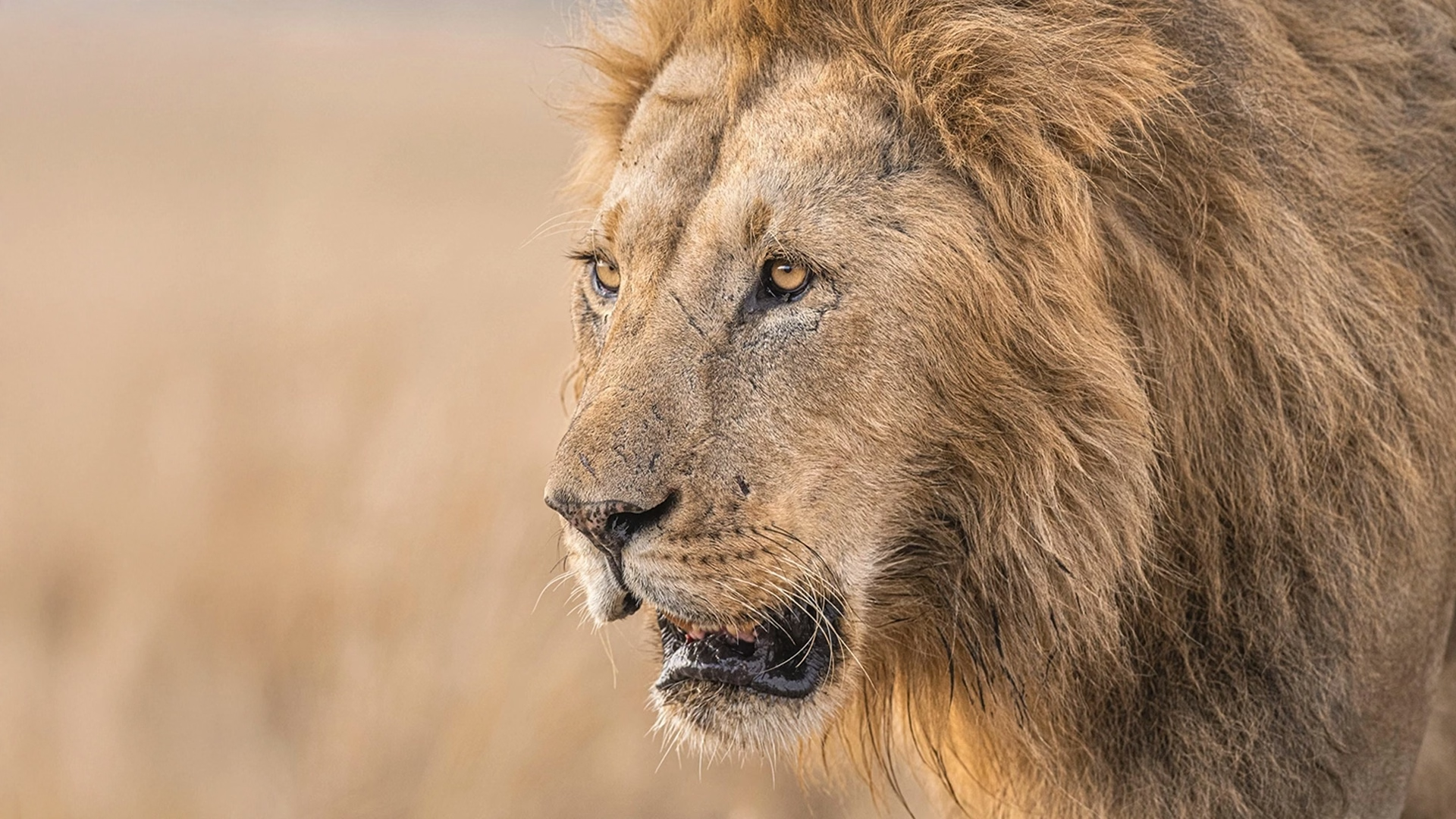
Close-up of a male lion in the Masai Mara

Masai Mara

Start Planning

Wild Plains & Great Migrations

With big cats, black rhinos, and the heart-stopping river crossings of the Great Migration, the Masai Mara’s golden plains and acacia-studded hills are Africa at its wildest.

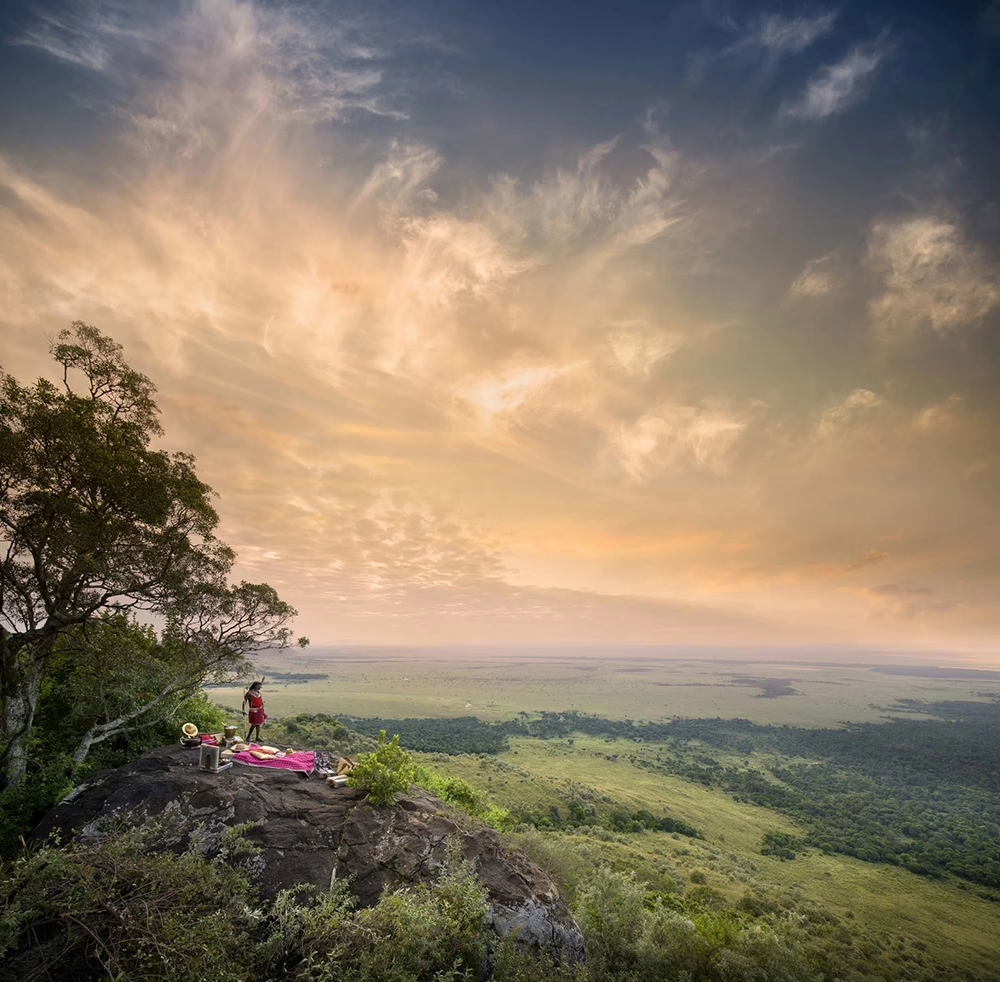
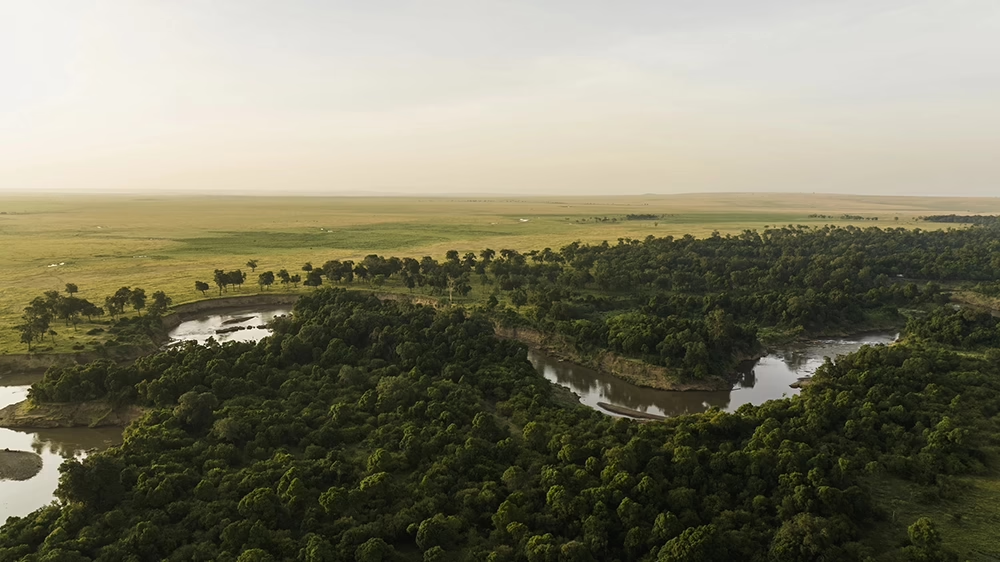
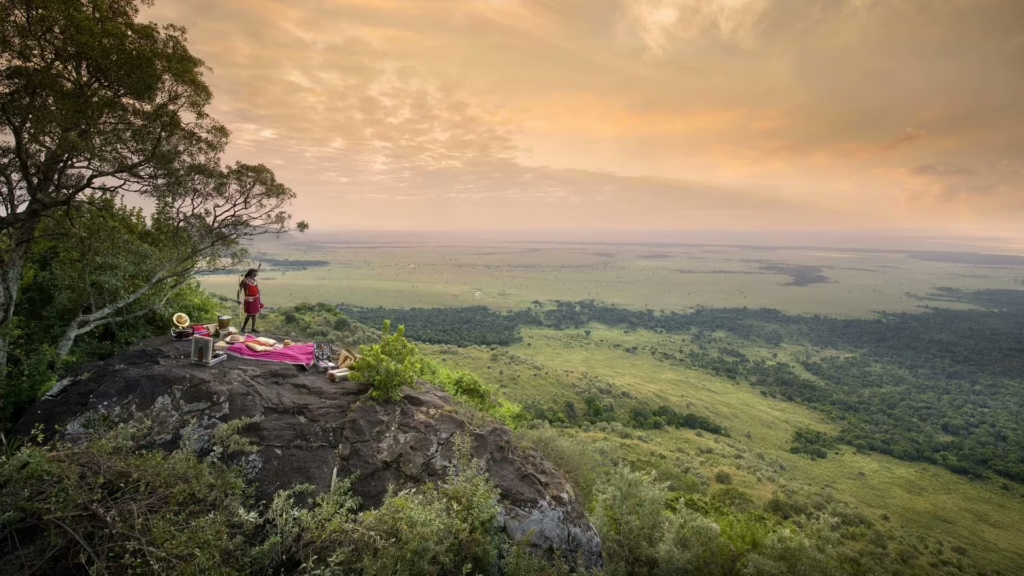
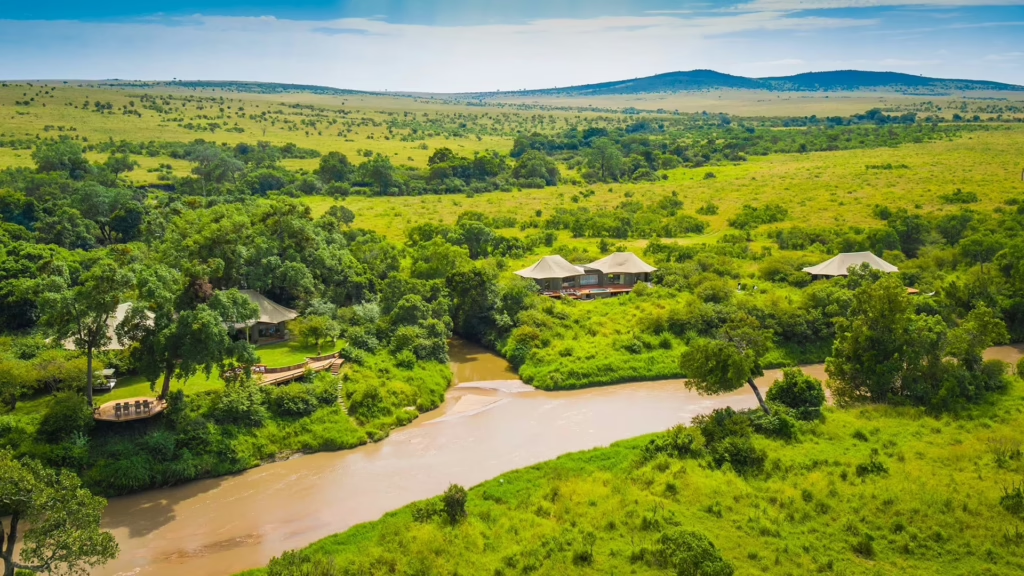
The density and diversity of wildlife in the Masai Mara can be overwhelming – in the best possible way. Just across the border from Tanzania’s vast Serengeti, the landscape is equally alluring, with a patchwork of golden plains peppered with umbrella acacias, bushy thickets, rocky kopjes (hills), and, of course, the Mara River (the area’s lifeblood, and a croc-related death trap). Add an array of camps and easy access from Nairobi and Tanzania, and you’ve got a destination worthy of its reputation, and a visit, too.

Wild times

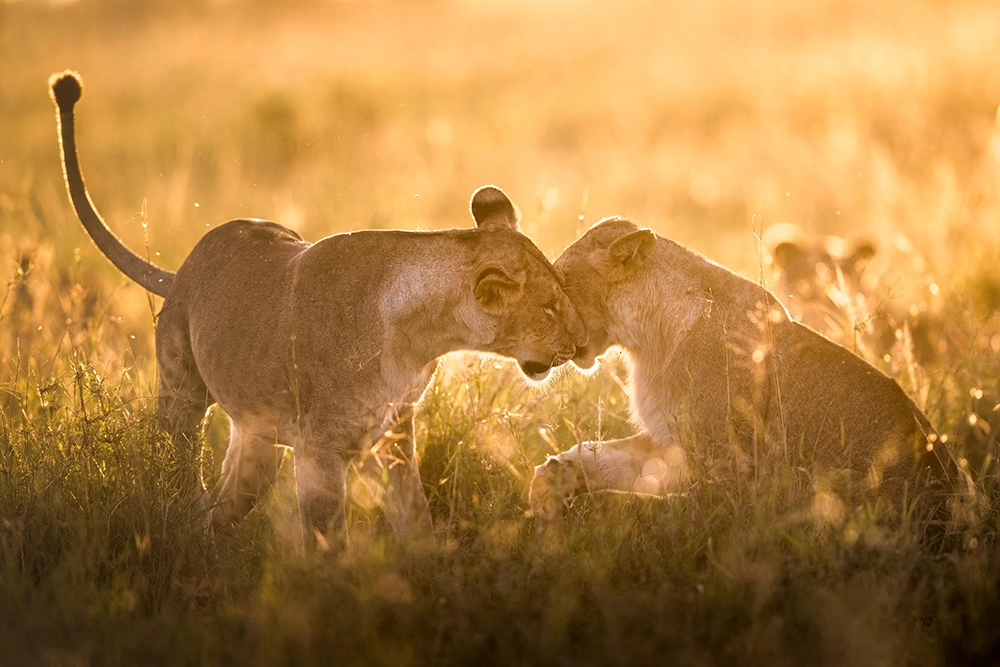
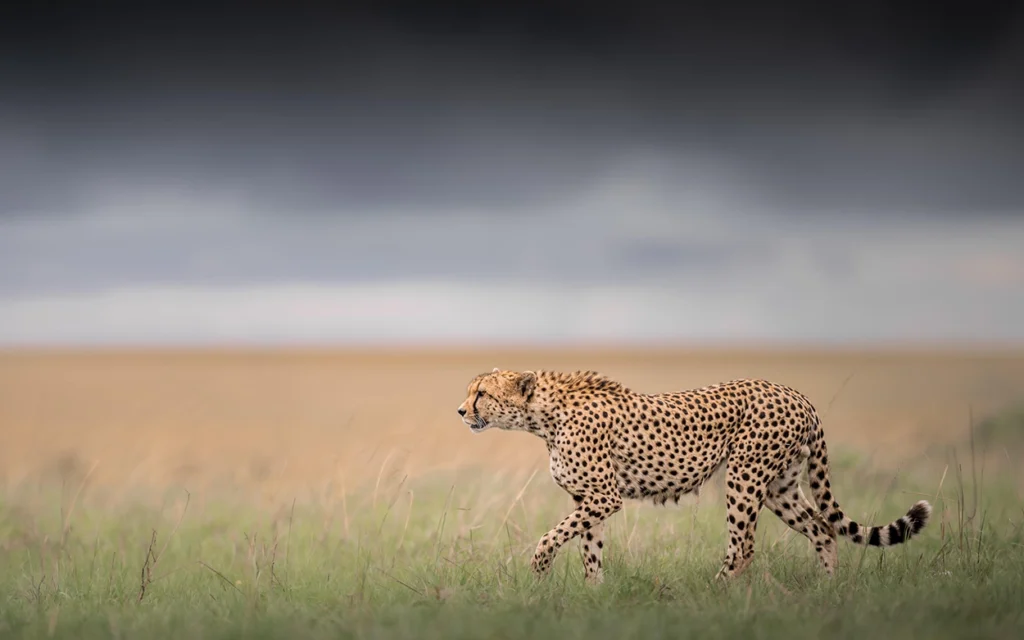
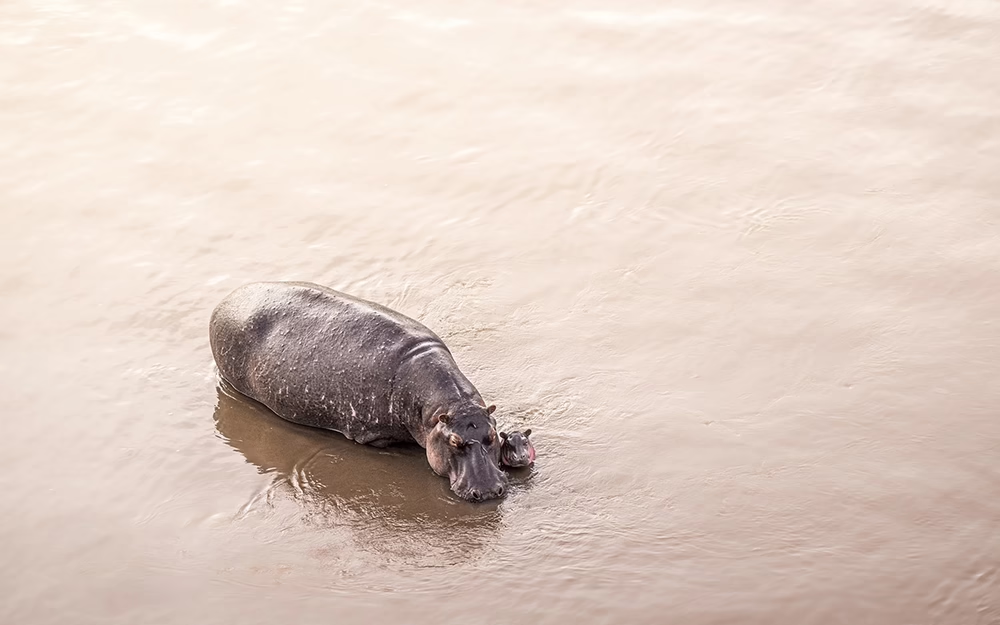
The Mara is known as one of the best places in Africa to see wildlife. And you better believe it. This is big cat country. Leopards – usually so elusive – are commonly spotted here (sorry). Meanwhile, cheetahs use the open plains for their explosive hunting style. Scanning the bushes, you might spot the bulky backside of a black rhino disappearing into the thicket. At camp, listen for the throaty, supervillain chuckle of hippos in the nearby waterhole.

Migration matters

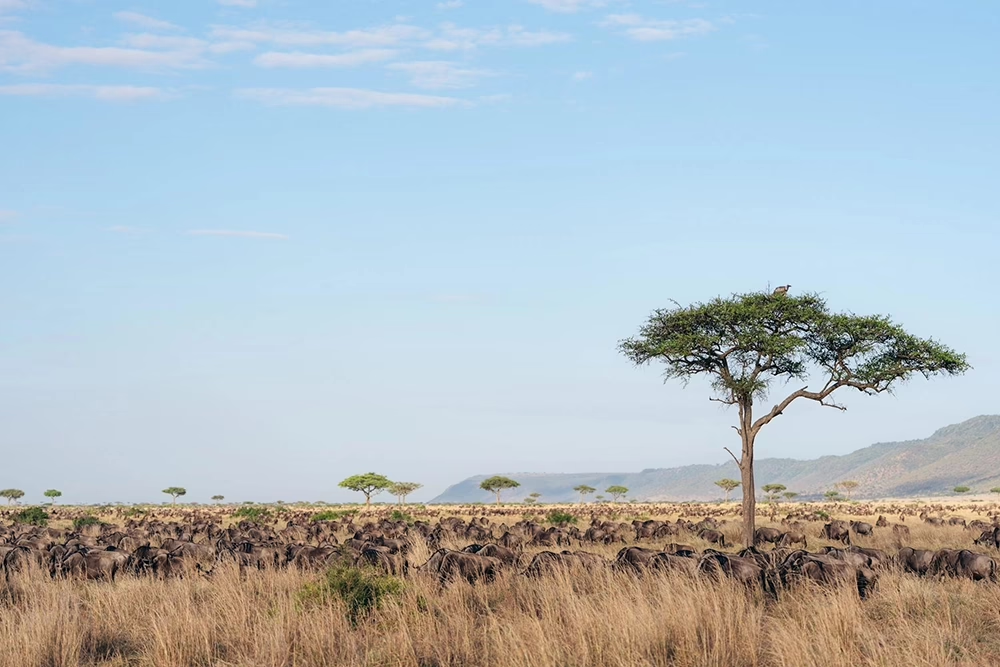
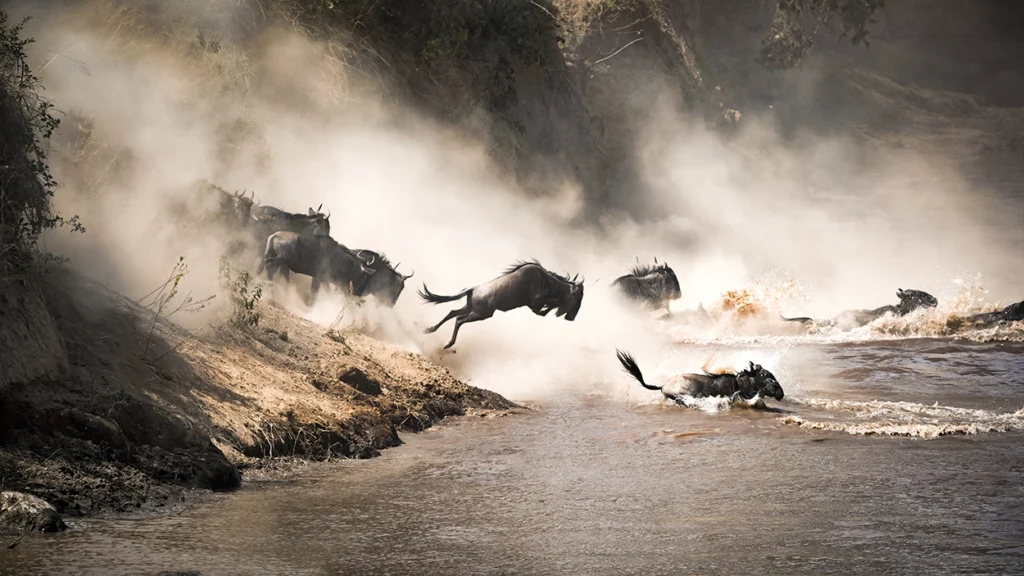
August to October bring wildebeest herds from Tanzania’s Serengeti, which borders the Mara. If you thought immigration queues were tedious, you should see what these animals endure as they cross the border. The river crossings at this time of year are the most harrowing part of the migration. Thundering herds crash across the water, dodging crocs (the reptiles, not the shoes – although, same) who patiently wait months for this feast. You’ll face less jostling from other vehicles in the NGO-run Mara Triangle (as opposed to government-run areas of the reserve – more on that below…).

Reality bites

We love the Mara but there are parts that are best avoided – namely the areas where the largest hotels are found. A little insider intel goes a long way here, whether it’s suggesting the best sections of the main reserve or recommending the adjacent private, community-run conservancies, which allow activities such as walking and night drives

WHEN YOU'LL GO

When to Go to the Masai Mara

The Best Time to Visit the Masai Mara for a Luxury Safari

Migration madness or big-cat bliss? In the Mara, it all depends on when you go. July to October is the headline act, but the quieter months have serious charm of their own: fewer crowds, better rates and wildlife that’s every bit as wild.

January

Secret Season

A short dry spell between the rains brings warm, sunny days and the odd afternoon shower. The resident herds of wildebeest, zebra, topi and gazelle are dropping their young, so the Mara’s famous big cats are well fed and wonderfully active. Migrant birds from Europe and North Africa are also in town.

Why it’s special: Big cats and baby animals
Best for: Predators, birding and value.
Ave. daytime temperatures 12°C – 27°C (54°F – 81°F)

WHAT YOU'LL SEE

Main Habitats

Mara Magic

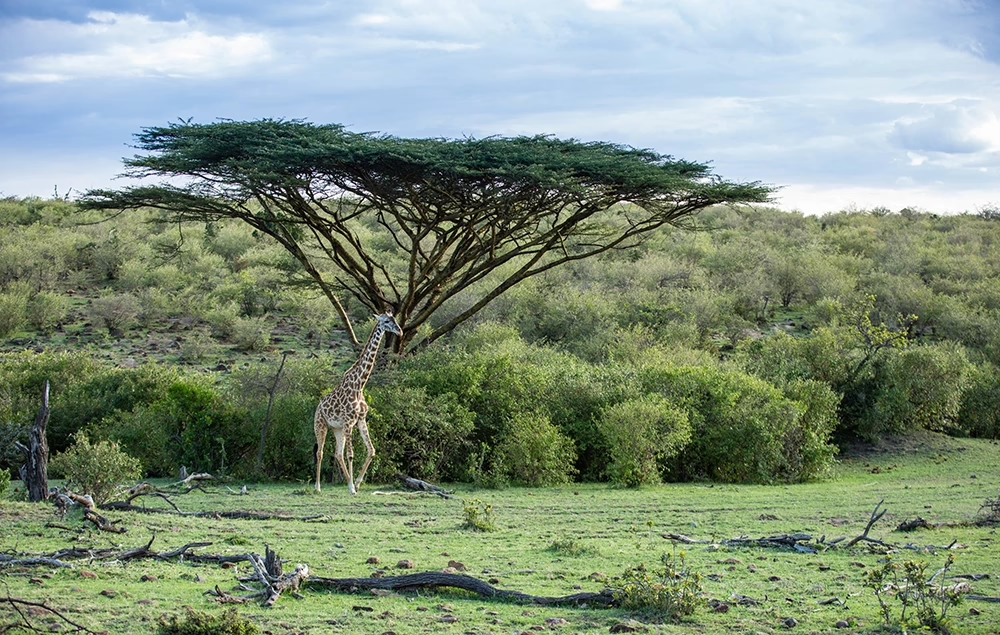
The perfect ingredients for the greatest show on earth. Plains for the herds, rivers for the drama, thickets for the stealthy types, plus a marsh and an escarpment for good measure. The Mara has every habitat a wildlife spectacular could ask for.

Acacia Woodland & Croton Thickets – Masai Mara

Acacia Woodland & Croton Thickets

Escarpment & Rocky Ridges – Masai Mara

Escarpment & Rocky Ridges

Savanna – Masai Mara

Savanna

Rivers & Riverine Forests – Masai Mara

Rivers & Riverine Forests

Swamps & Marsh – Masai Mara

Swamps & Marsh

WHAT YOU'LL SEE

Meet the Locals

What You'll See and How Likely You Are to See Them

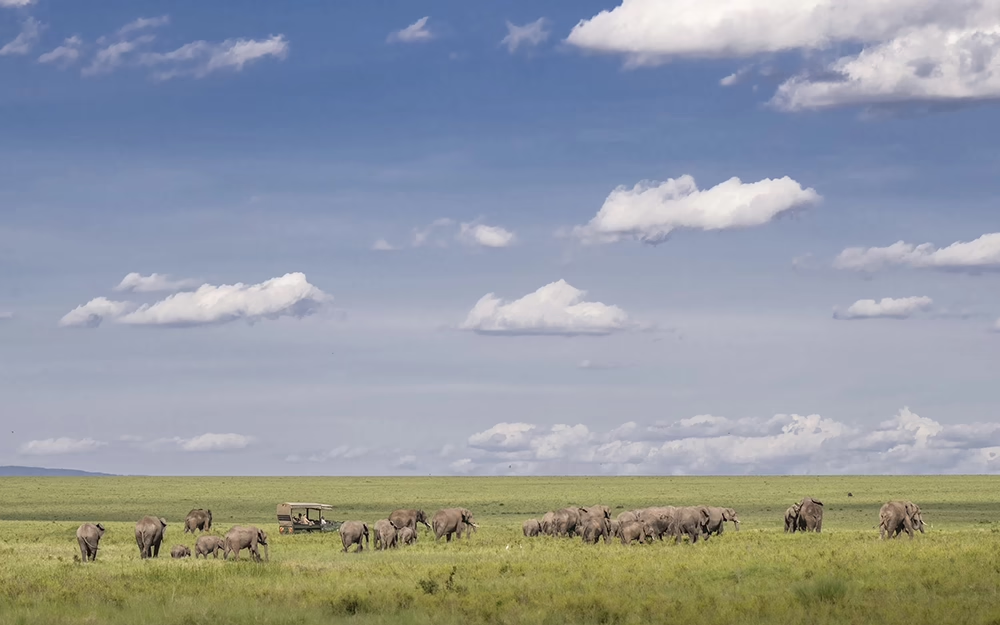
What the Mara lacks in size, it makes up for in sheer numbers. Nearly 240 large herbivores per square kilometre keep the plains packed and the predators very well fed. And then there’s the heaving, grunting, crocodile-dodging spectacle that is the Great Migration, when more than a million wildebeest and their zebra sidekicks roll into town.

Cape Buffalo

Cape Buffalo

100% Chance

Cheetah

Cheetah

82% Chance

Vervet Monkey

Vervet Monkey

85% Chance

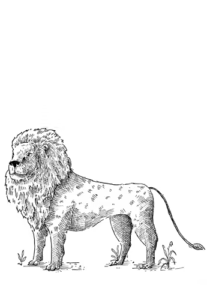
Lion

Lion

100% Chance

Hippo

Hippo

95% Chance

Spotted Hyena

Spotted Hyena

95% Chance

Zebra

Zebra

100% Chance

Aardvark

Aardvark

1% Chance

Giraffe

Giraffe

100% Chance

African Wild Dog

African Wild Dog

7% Chance

Eland

Eland

85% Chance

Leopard

Leopard

70% Chance

Black Rhino

Black Rhino

20% Chance

Pangolin

Pangolin

1% Chance

Elephant

Elephant

100% Chance

Wildebeest

Wildebeest

95% Chance

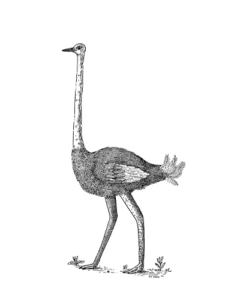
Ostrich

Ostrich

80% Chance

Baboon

Baboon

90% Chance

Our Safari Experts

Chat to an Expert

Get advice and suggestions to make this your perfect trip. We’re just a bunch of Africa-obsessed travellers ourselves, so you can rest assured that we’re trying to give you the best experience possible.

Start your journey
Chad Le Helloco

Nothing beats the magic of the Delta. Wild waterways, unbelievable wildlife, and that feeling that you’ve completely disappeared into nature.

Contact
Black-and-white portrait of Geraldine Anderson, Senior Travel Planner at Hidden Africa

For me, safari is all about the small things. The quiet sunrise drives, the stories around the fire, and the feeling that Africa gets under your skin.

Contact

WHERE YOU'LL STAY

The Masai Mara's Luxury Safari Camps & Lodges

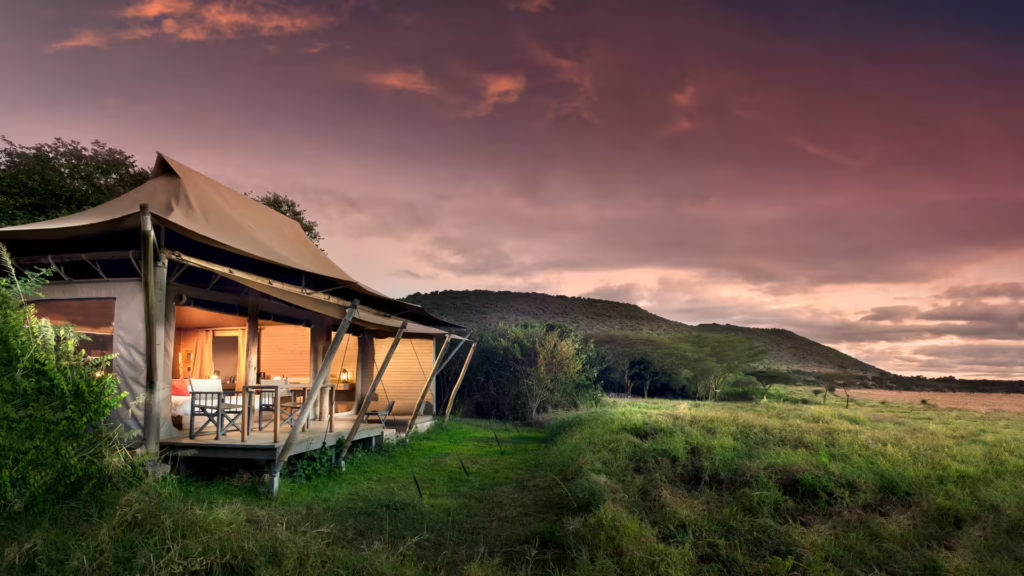
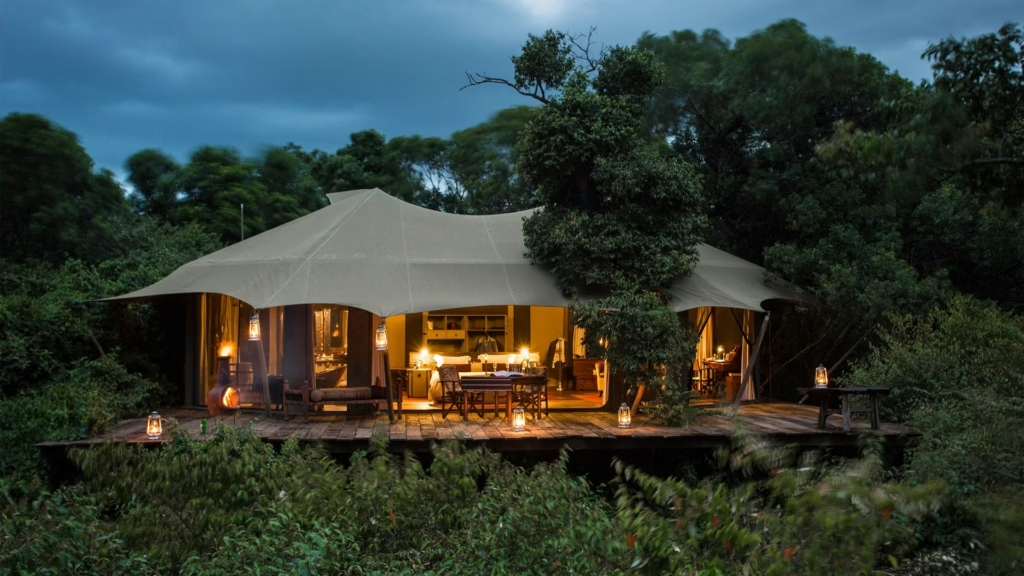
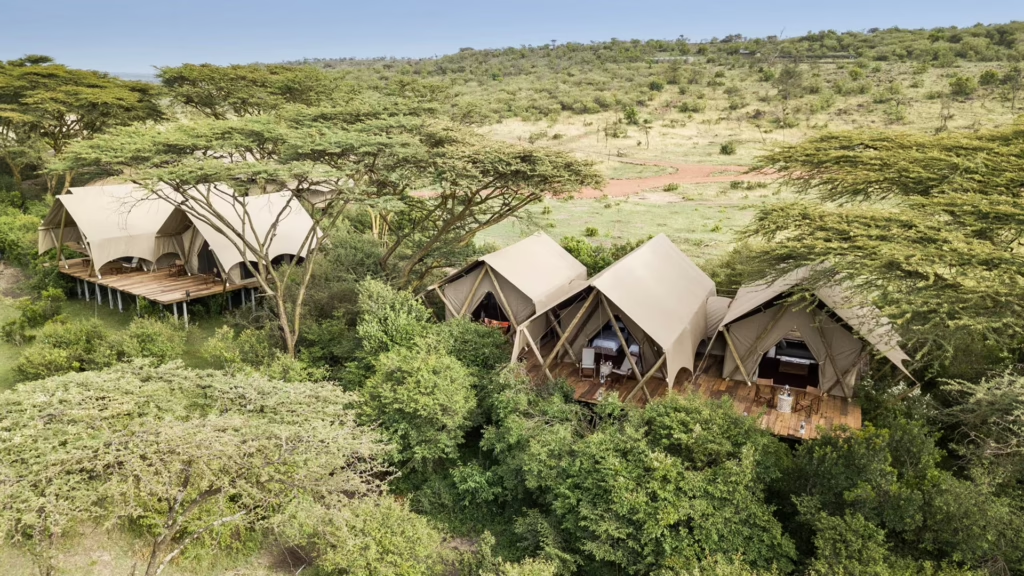
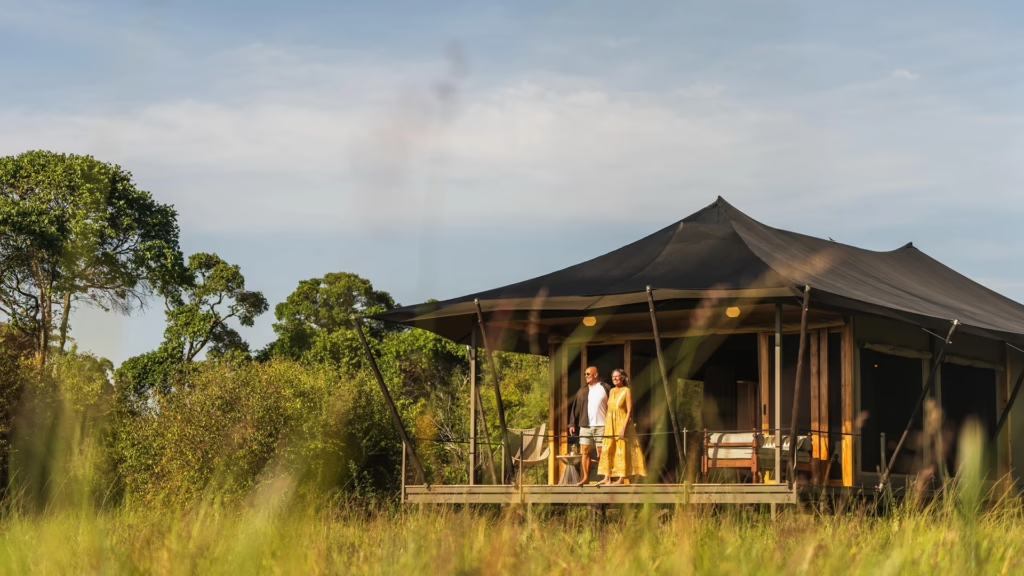
Classic Canvas & Wide Open Pains

Masai Mara

Bateleur Camp

View
Bateleur Camp

Masai Mara

Angama Mara

View
Angama Mara

Frequently Asked Questions

The best time to visit the Masai Mara is generally from July to October (dry season), when the Great Migration is in full swing. This period offers the best wildlife-viewing opportunities, and if you’re lucky, you may witness dramatic river crossings (though this is not an exact science). Super-herds of wildebeest typically arrive in the Masai Mara from the Serengeti around July–August and start moving south by October.

This is Big Cat Central: lions, cheetahs and leopards are all on the cards (and often all on the same day). Add elephant, buffalo and, with a bit of luck, black rhino, and you could tick off the Big Five. During migration season, add hundreds of thousands of wildebeest, zebra, and gazelle into the mix.

They’re neighbours: the Mara is the northern extension of the Serengeti ecosystem, and the two share an unfenced border for wildlife. The Serengeti (in Tanzania) is larger and more remote, whilst the Mara (in Kenya) is smaller, more concentrated and easier to access. The Mara also has private conservancies where night drives and walking safaris are routine, while the Serengeti is more restricted.

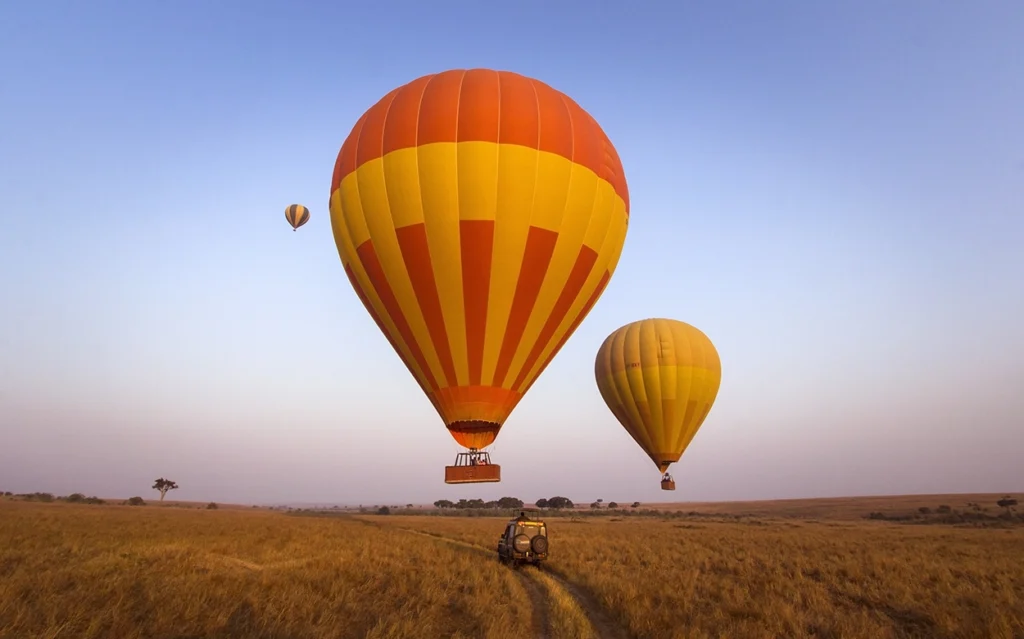
Yes, and they’re unforgettable! You’ll drift silently over golden plains as the sun rises, watching herds below from a bird’s-eye view. The landing often ends with a champagne breakfast in the bush (because why not?).

Everything from intimate camps hiding in conservancies to luxury lodges with plunge pools and butlers. At the other end, there are bigger hotels in the busier reserve areas, but we steer you toward smaller, stylish camps that keep the wild feeling intact.

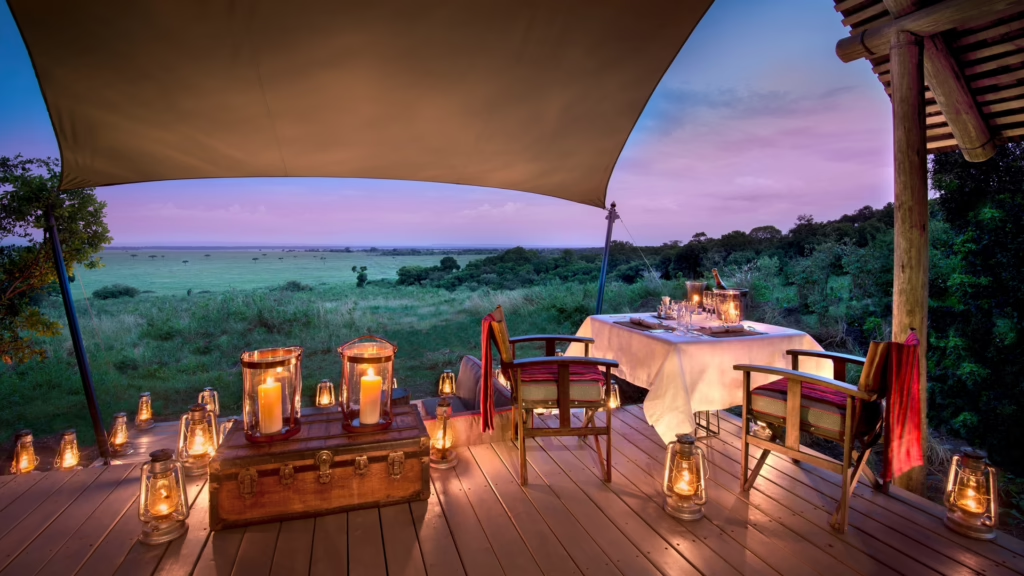
Absolutely. Families love the wildlife density (there’s rarely a dull drive), and many camps cater with family suites, kids’ activities, and flexible schedules. For honeymooners, the Mara is pure romance: candlelit dinners in the bush, hot air balloon rides, and private sundowners on endless plains.

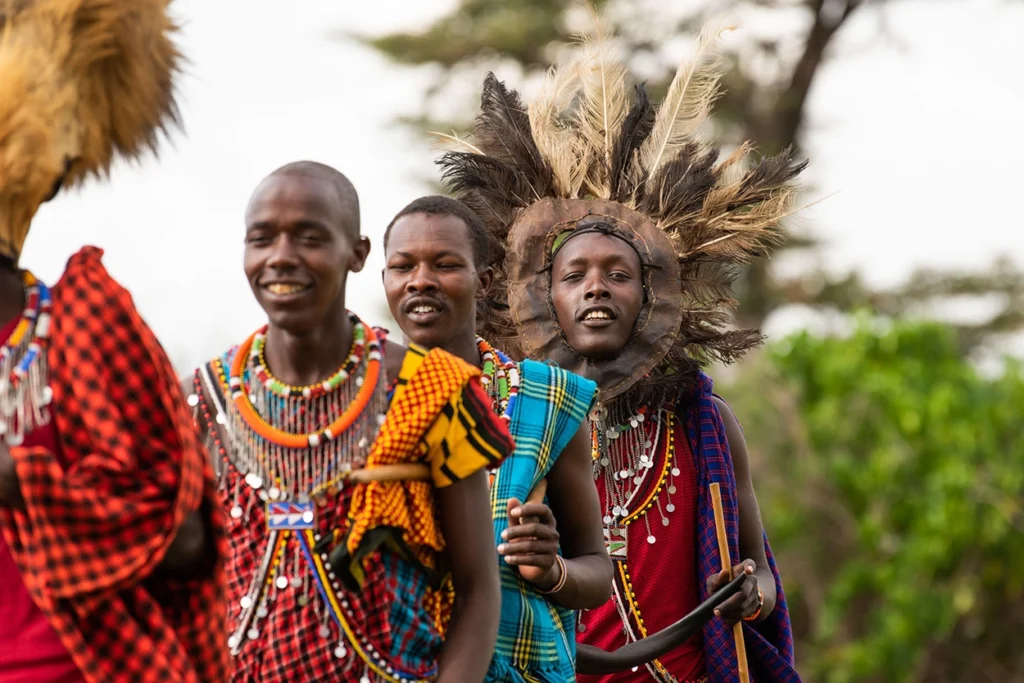
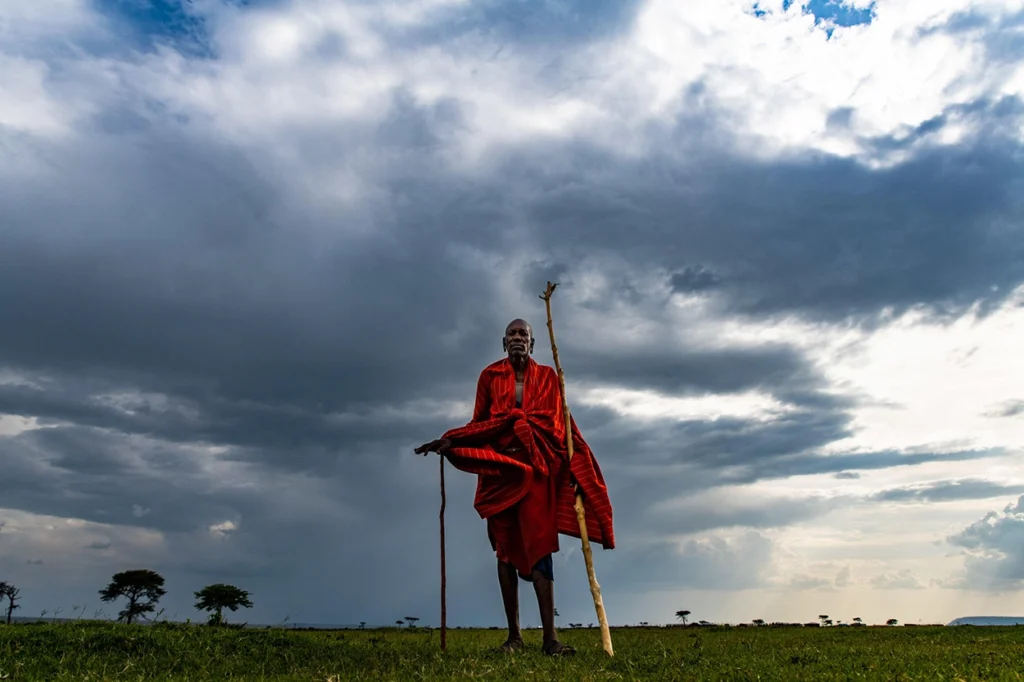
Private conservancies border the main reserve. The upside? Fewer vehicles, more space, and extra activities like walking safaris, off-roading, and night drives, which aren’t allowed inside the reserve. Staying in a conservancy also directly supports local Maasai communities: a win for both wildlife and people.

You’ve got two options: by air or by road. A short 45-minute bush flight from Nairobi drops you straight onto an airstrip in the Mara: fast, scenic, and hassle-free. By road, it’s about a 5–6 hour drive, bumpy in parts, but a great way to see rural Kenya along the way. Many travellers fly in, then drive out for a change of scenery (and a few roadside markets along the way).

Our Reviews

People are talking about us.

The most famous safari co. you've (probably) never heard of.

Hidden Africa
5.0 43 reviews
out of 5
Evyan Metzner
Evyan Metzner
a year ago

I can not say enough wonderful things about Chad and Hidden Africa . Being a Travel Advisor myself , I … read more

Scott Glowinski
Scott Glowinski
2 years ago

My wife and I had the absolute best experience with Hidden Africa! Booked a fairly last minute trip and Chad … read more

Danny Watkins
Danny Watkins
2 years ago

The best decision we made for our trip to Africa was allowing Chad ( Hidden Africa) to curate our itinerary. … read more

Sonia Kolar
Sonia Kolar
6 months ago

Geraldine worked with my friend Cheryl to arrange the most amazing Southern Africa trip. Geraldine even worked around some of … read more

HOW IT WORKS

Take a look around for a bit of inspiration.

Tell us what your dream safari looks like. 

Next, your Personal Travel Planner will schedule a call to plan the perfect adventure.

Confirm your trip and get packing.

LET’S GET THIS SAFARI STARTED

Ready to go? Give us a shout and let’s start planning your next adventure. We’re almost as excited as you are.

Conservation partners