Masai Mara
Start Planning
Masai Mara gallery
Lodges in Masai Mara
Showing page 1 of 1 — 10 lodges
Frequently asked Questions
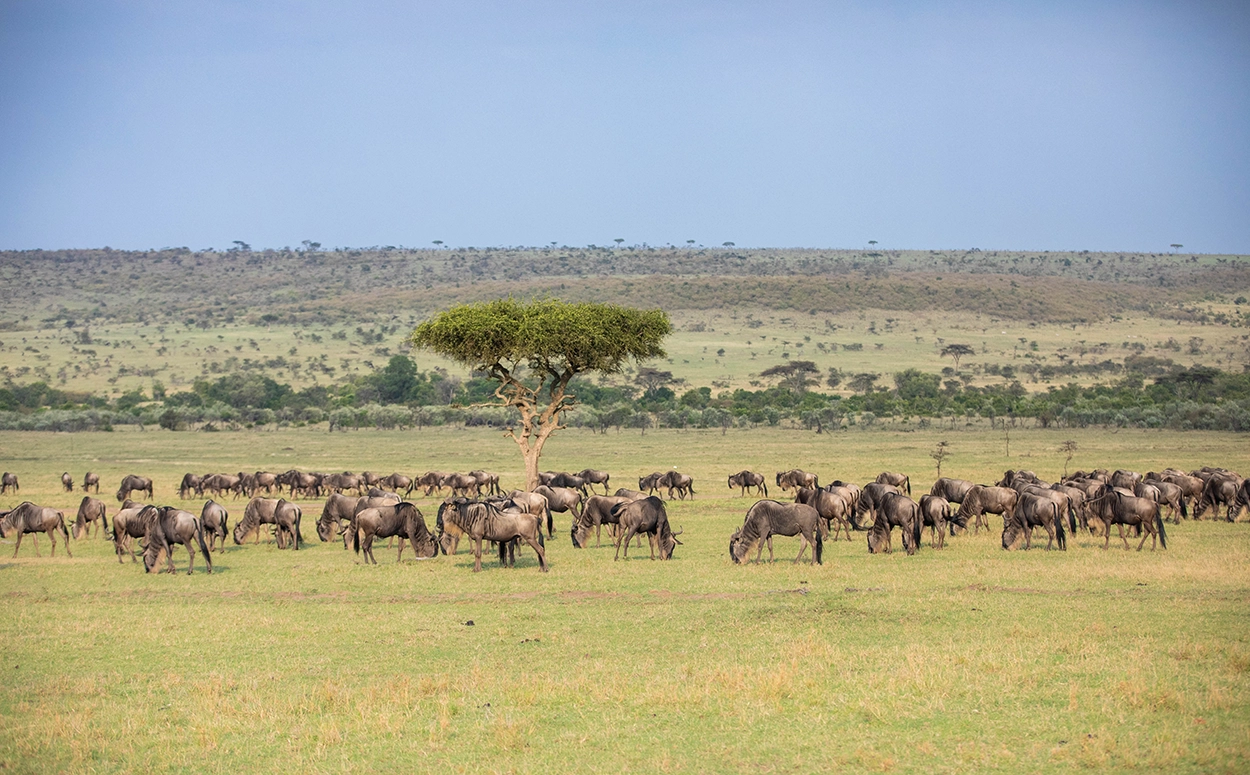
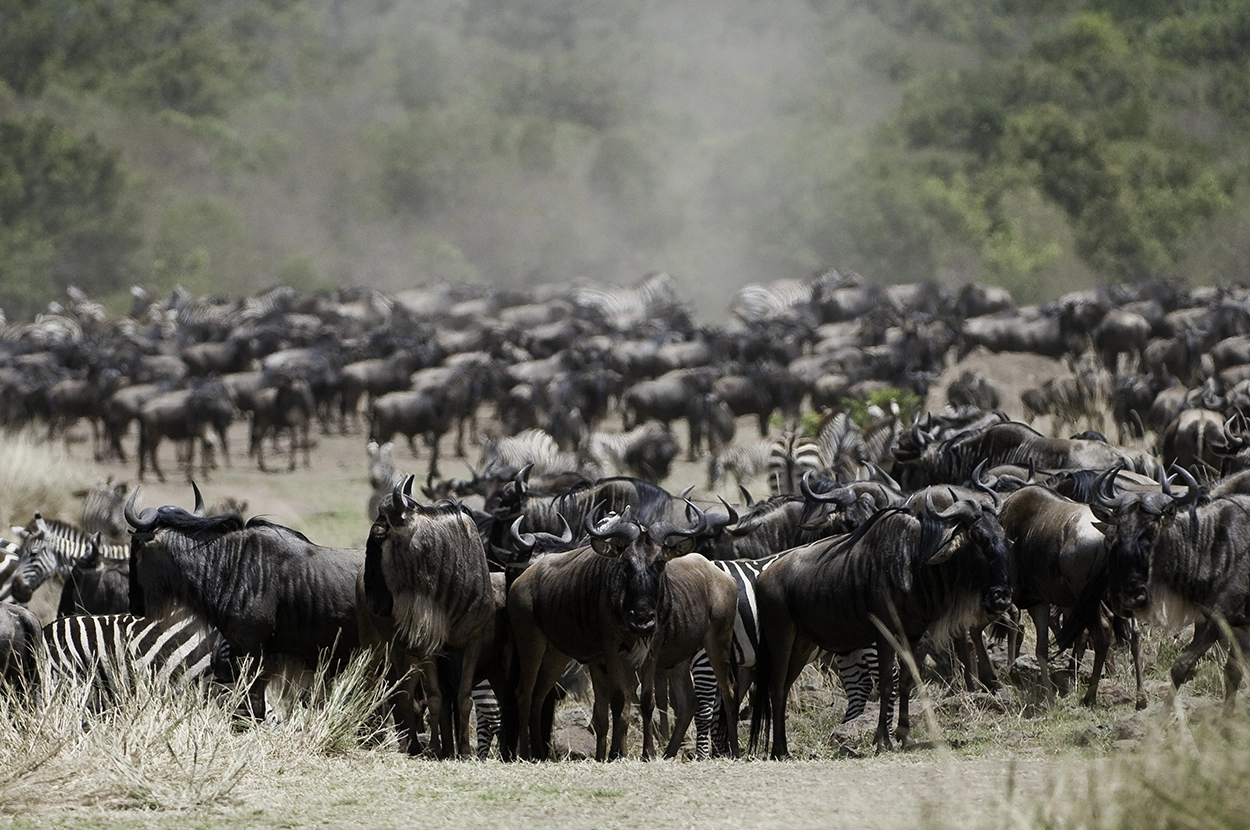
The best time to visit the Masai Mara is generally from July to October (dry season), when the Great Migration is in full swing. This period offers the best opportunities for wildlife viewing, and if you’re lucky, you may witness the dramatic river crossings (although this is not an exact science). The super-herds of wildebeest typically arrive in the Masai Mara from the Serengeti around July-August and start moving back south by October.
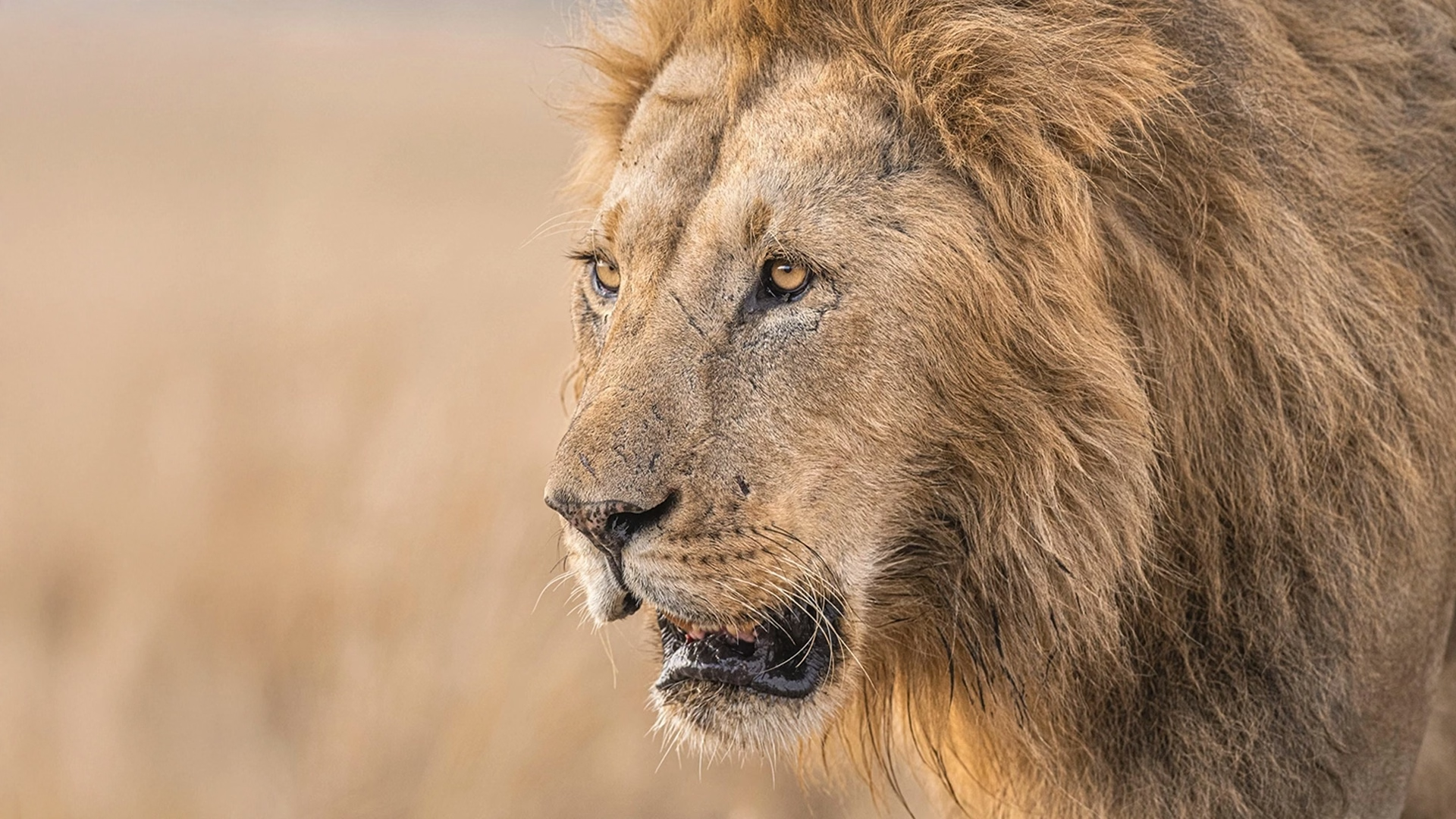
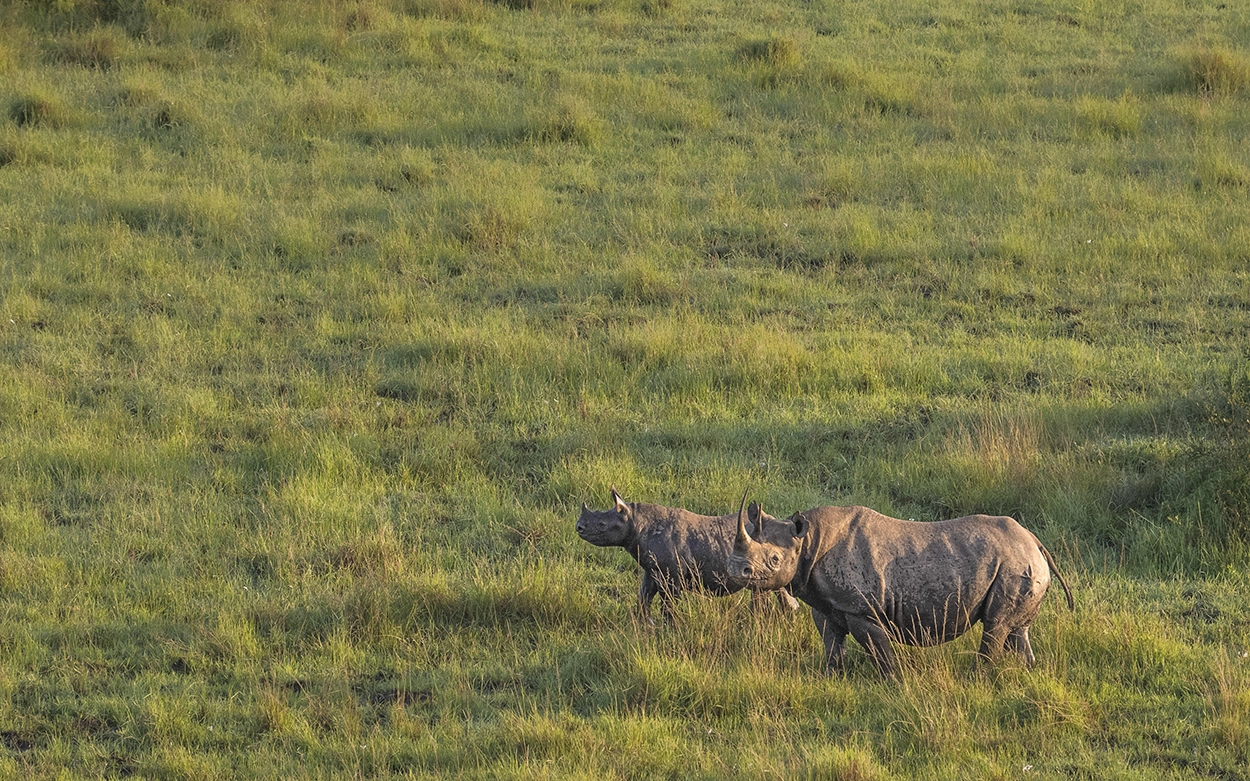
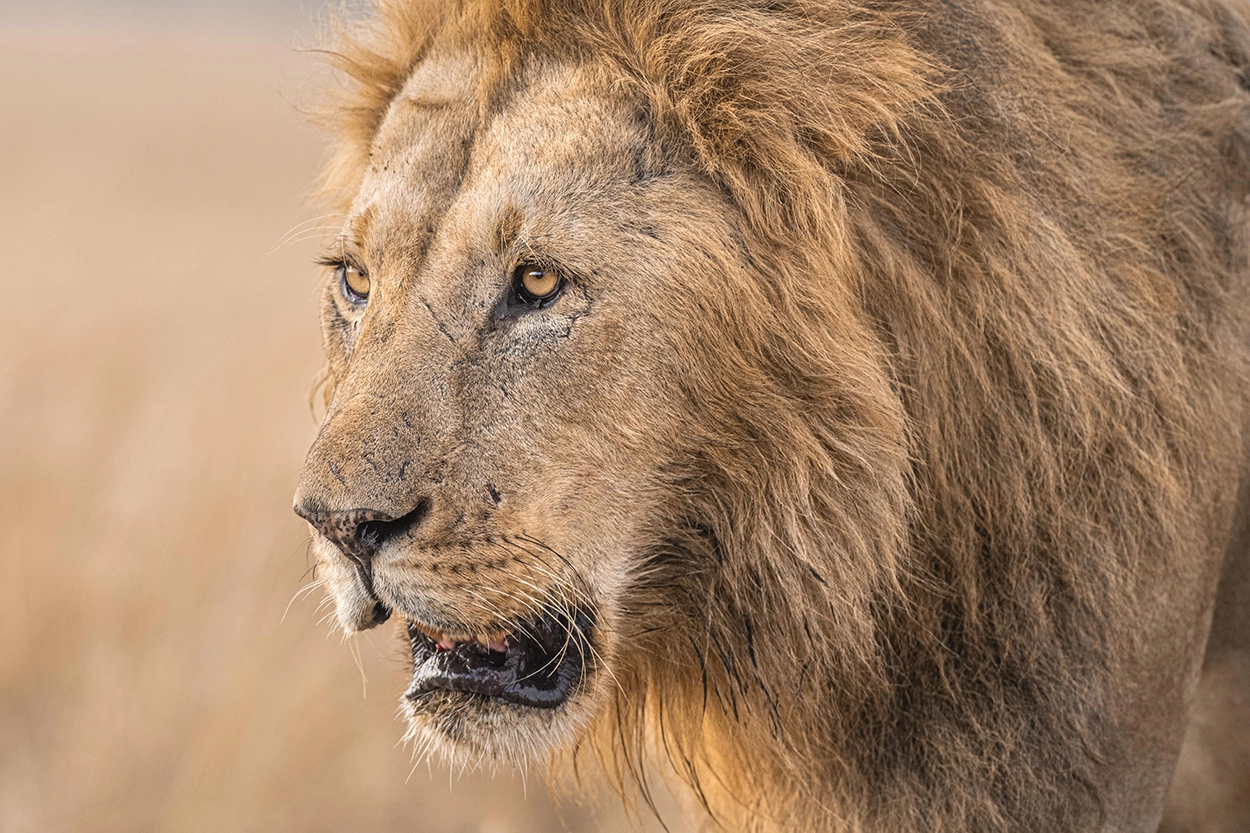
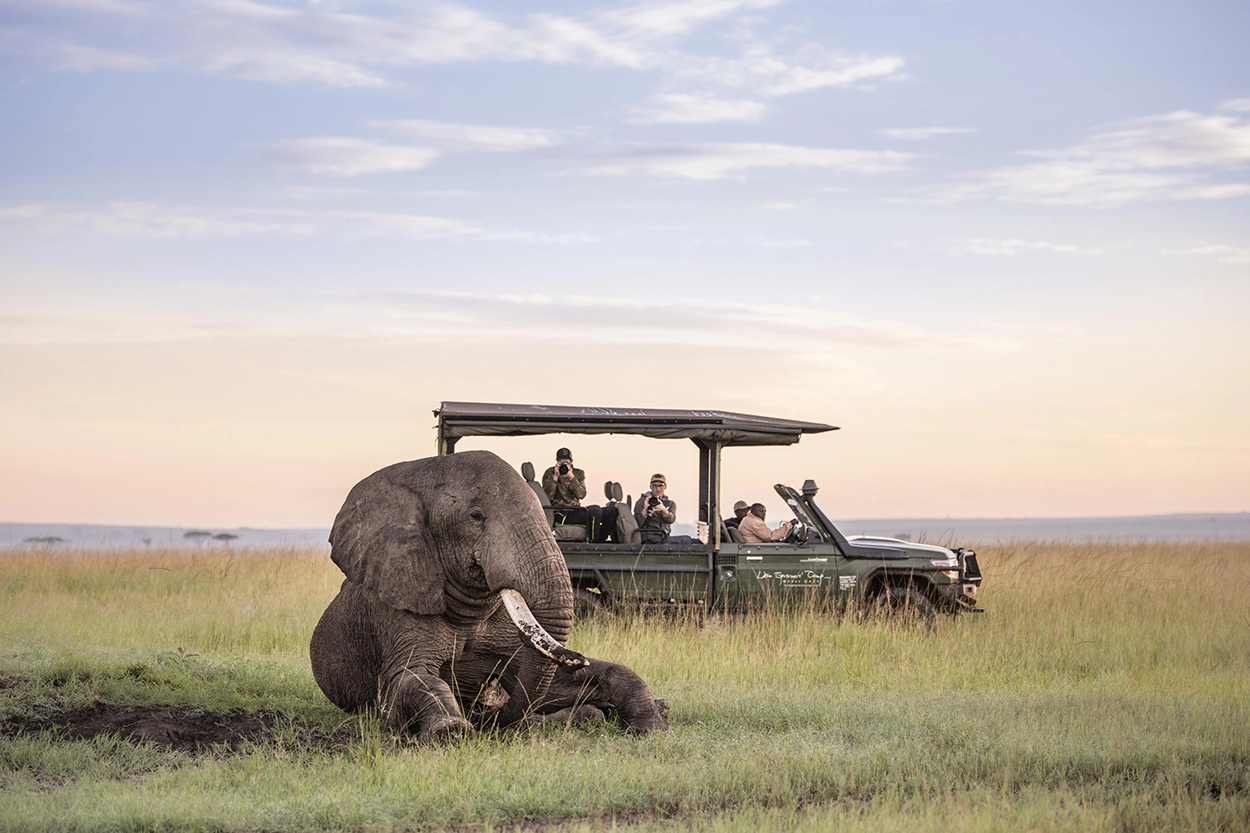
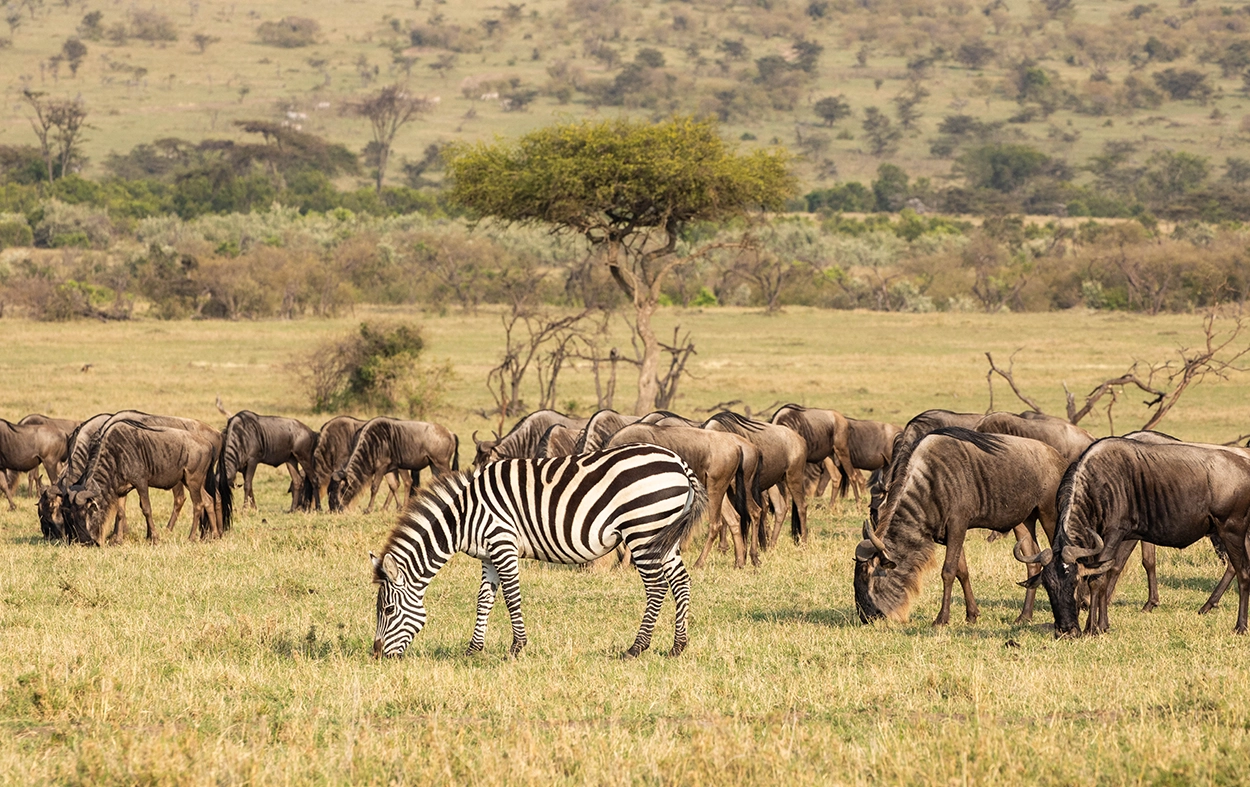
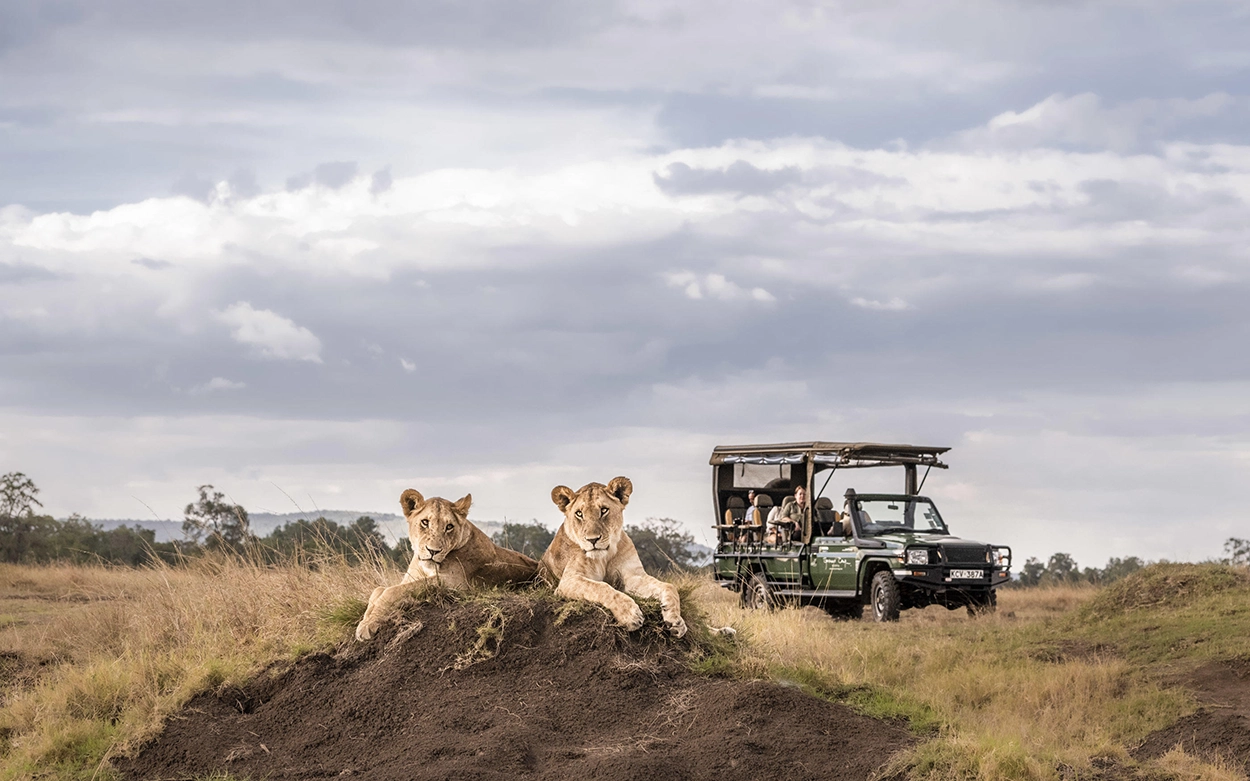
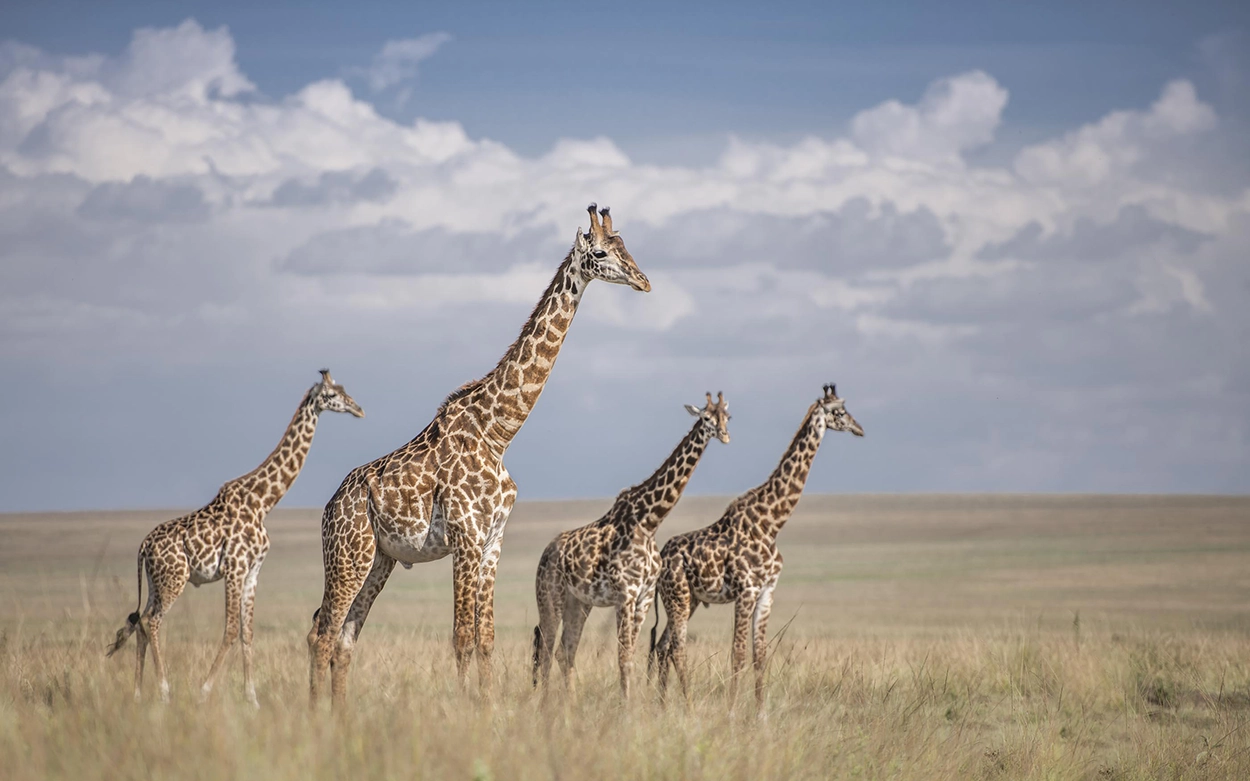
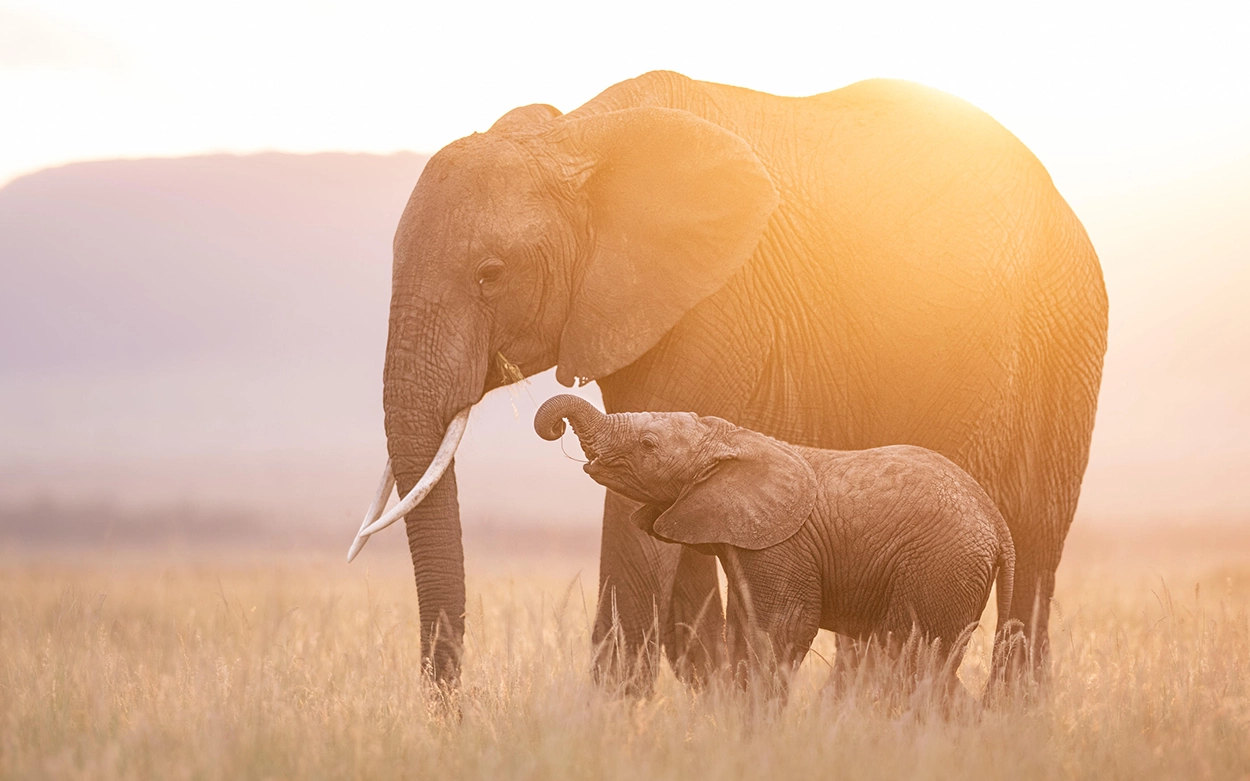
This is Big Cat Central — lions, cheetahs and leopards are all on the cards (and often all on the same day). You’ll have the chance to tick off the Big 5 with the addition of Rhino, Elephant and Buffalo to that big cat line-up. During migration season, add hundreds of thousands of wildebeest, zebra, and gazelle into the mix.
They’re neighbours — the Mara is the northern extension of the Serengeti ecosystem, and the two share an unfenced border for wildlife. The Serengeti (in Tanzania) is larger and more remote, whilst the Mara (in Kenya) is smaller, more concentrated and easier to access. The Mara offers private conservancies where you can go night-driving and walking, which aren’t allowed inside the Serengeti.
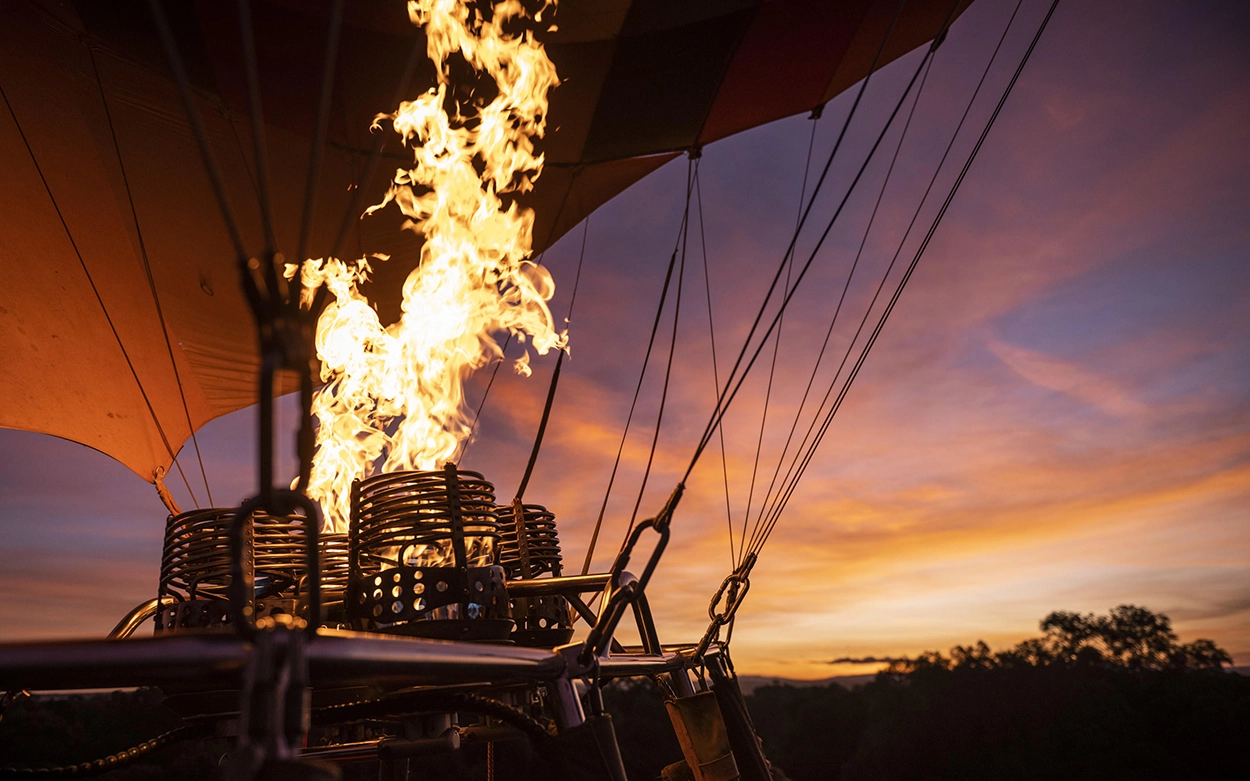
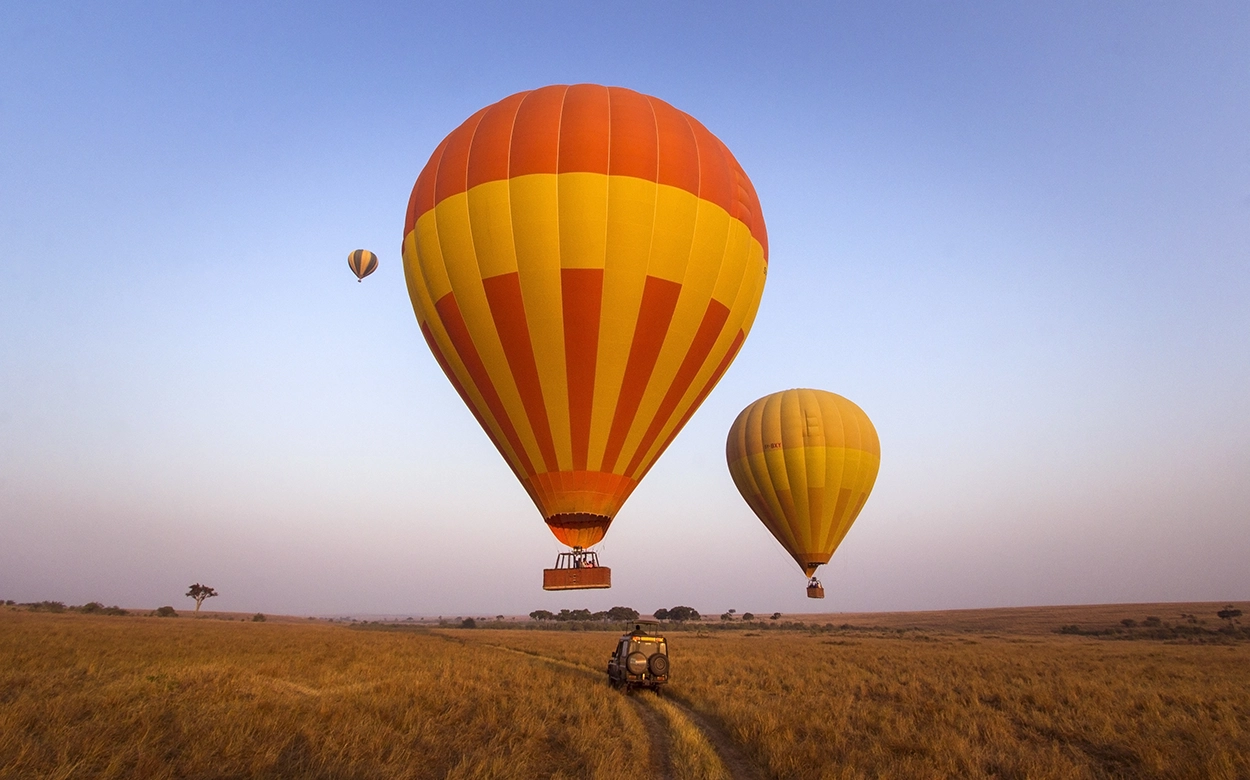
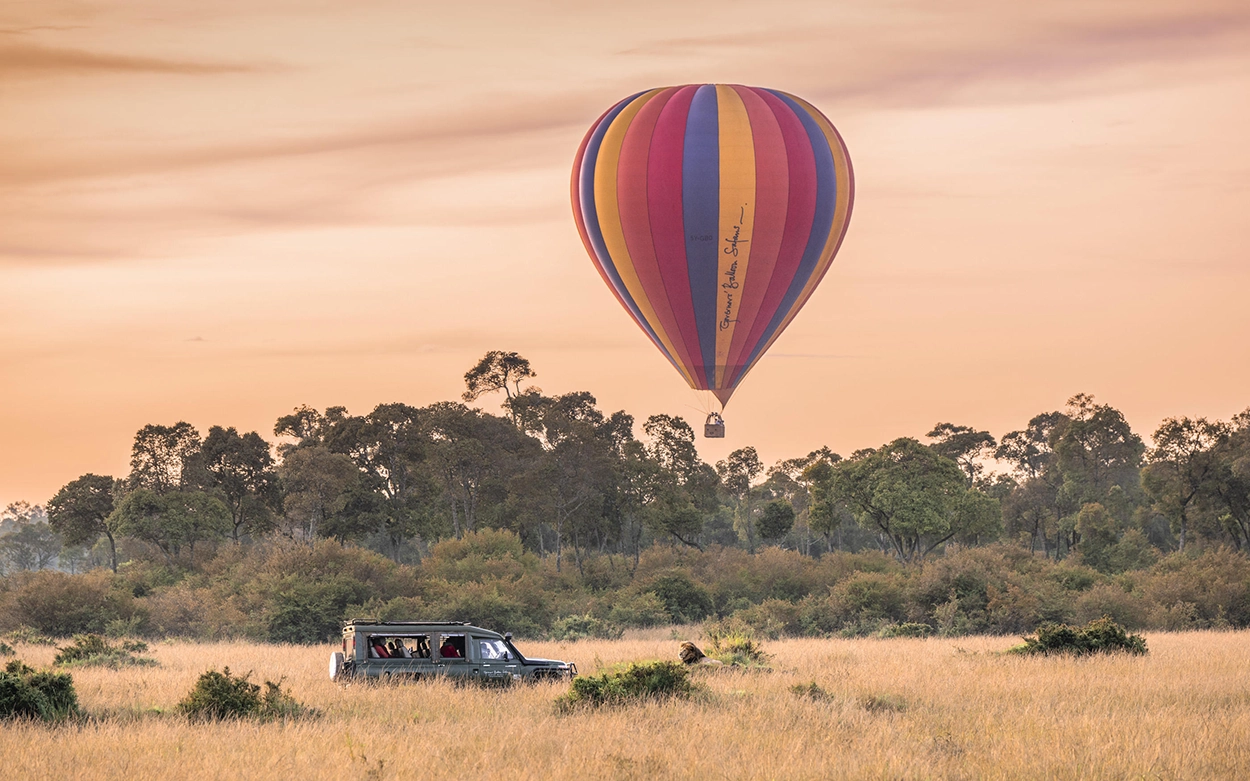
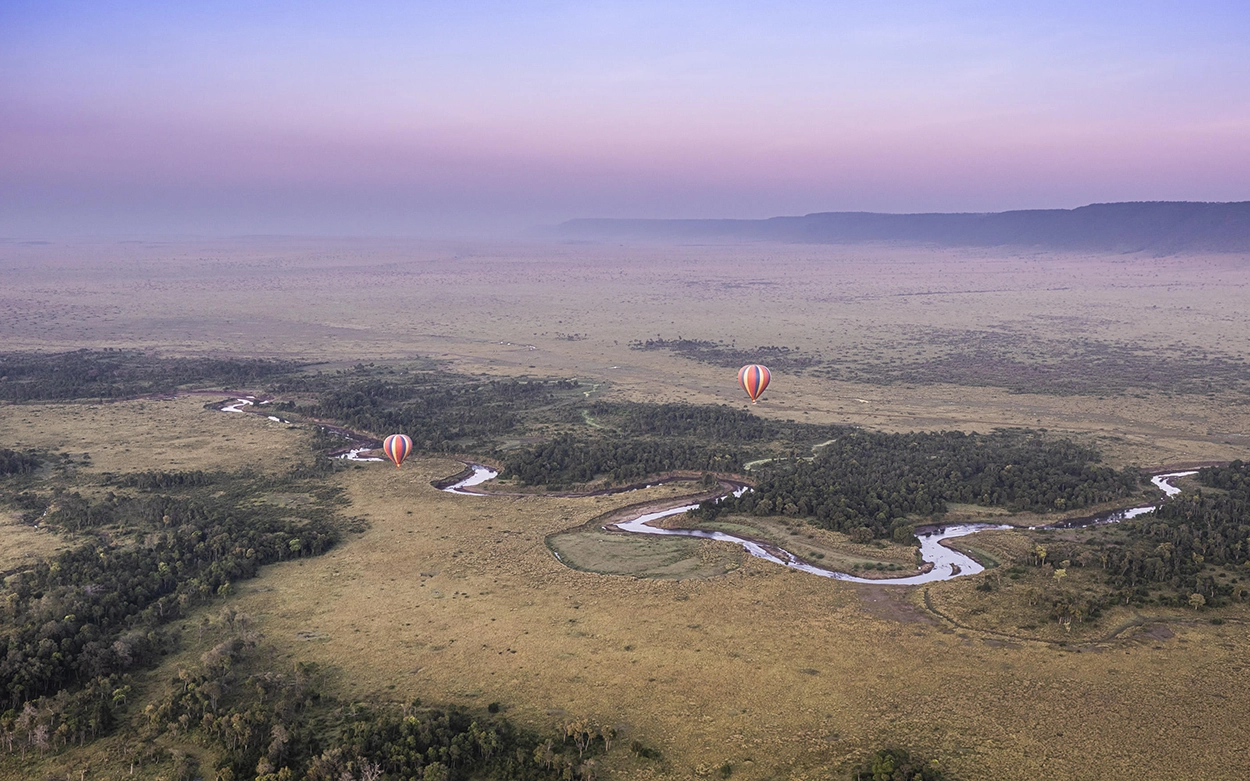
Yes, and they’re unforgettable! You’ll drift silently over golden plains as the sun rises, watching herds below from a bird’s-eye view. The landing often ends with a champagne breakfast in the bush — because why not?
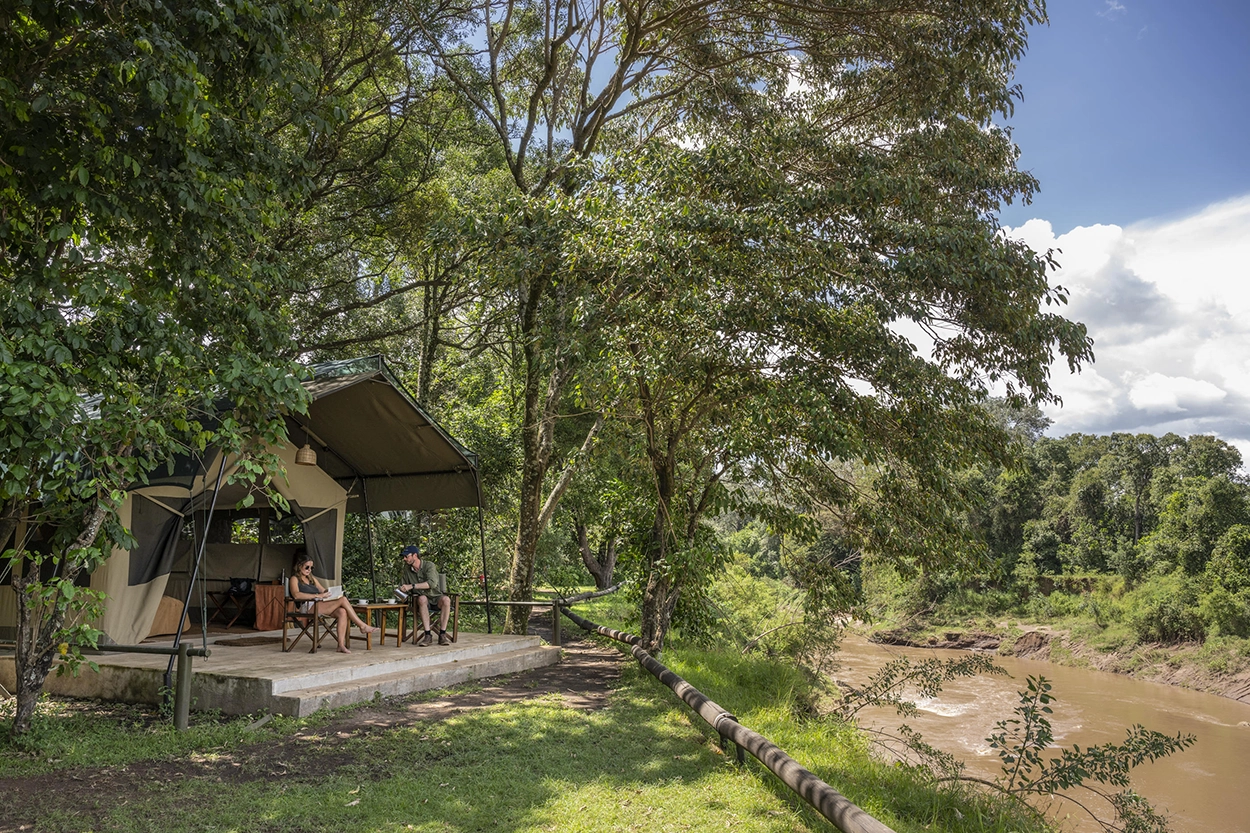
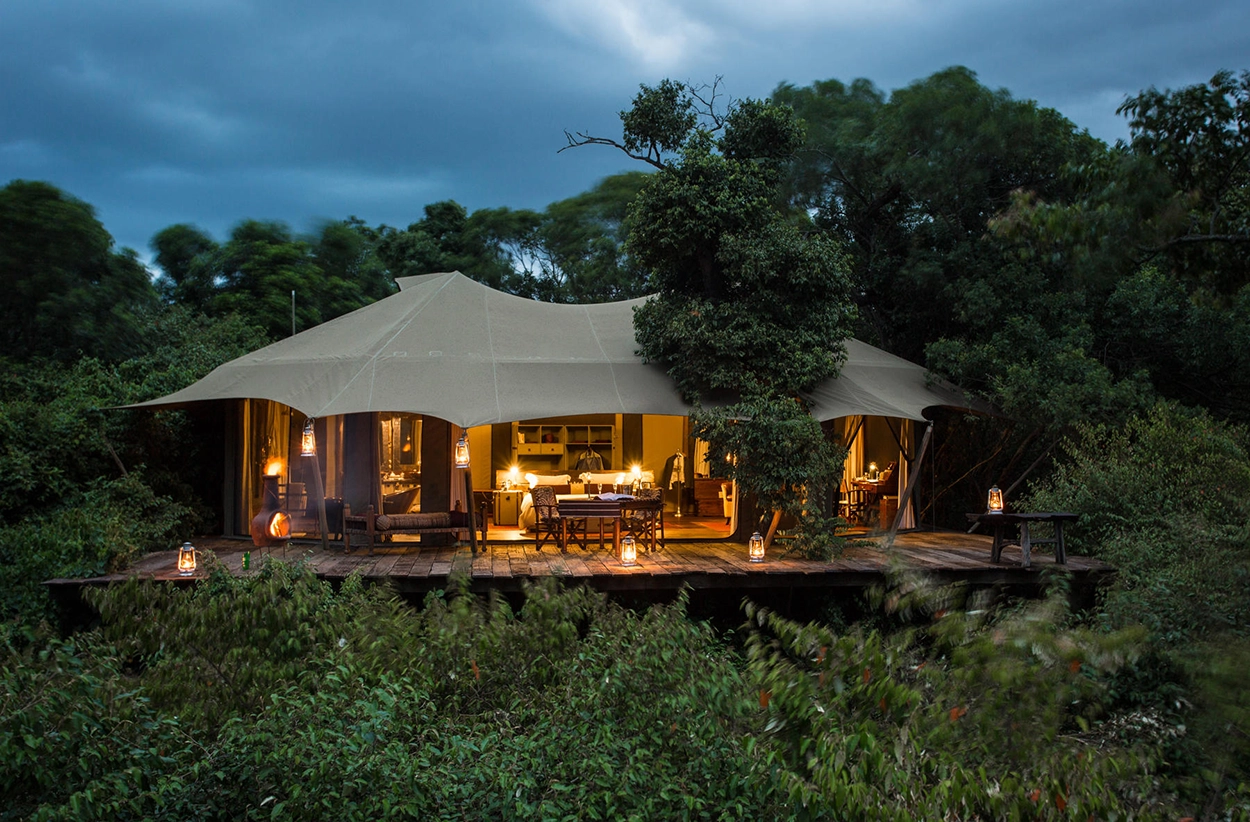
Everything from intimate camps hiding in conservancies, to luxury lodges with plunge pools and butlers. At the other end, there are bigger hotels in the busier reserve areas — but we steer you toward smaller, stylish camps that keep the wild feeling intact.
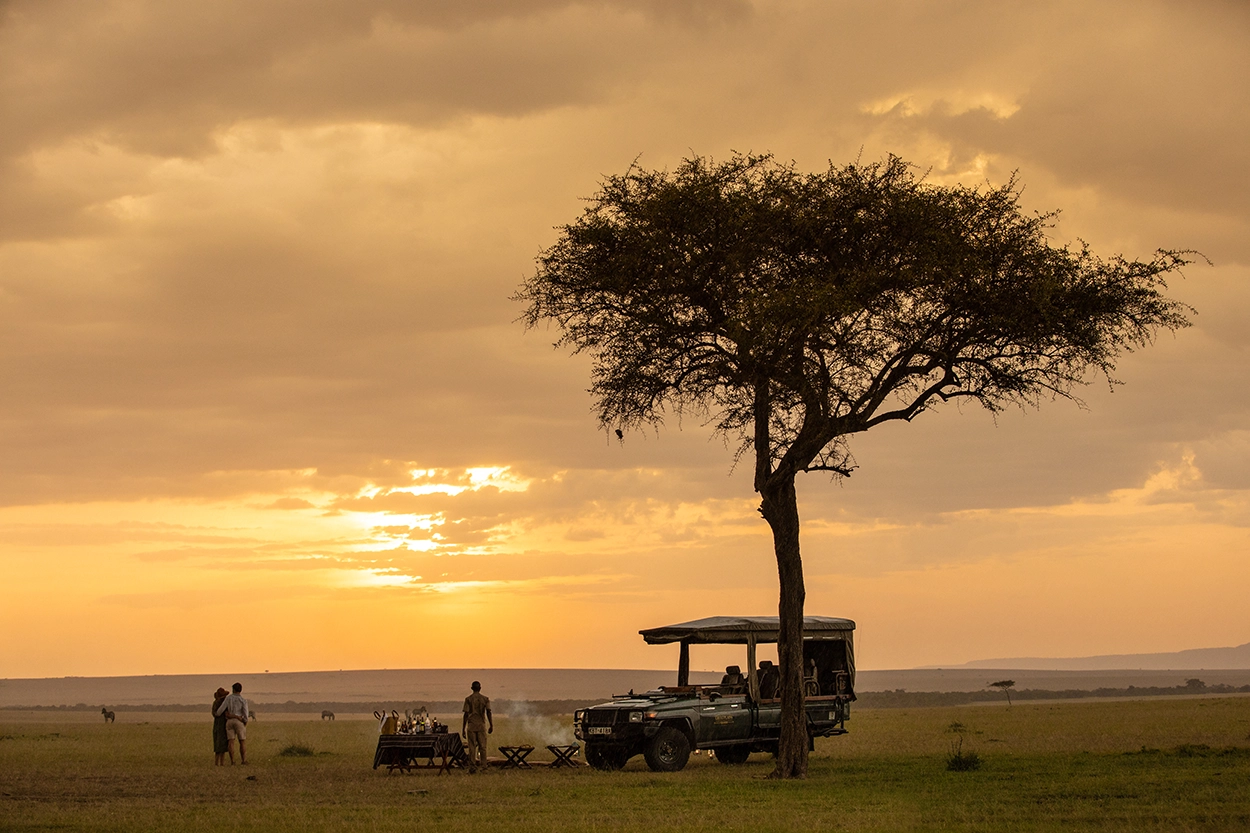
Absolutely. Families love the wildlife density — there’s rarely a dull drive — and many camps cater with family suites, kids’ activities, and flexible schedules. For honeymooners, the Mara is pure romance: candlelit dinners in the bush, hot air balloon rides, and private sundowners on endless plains.
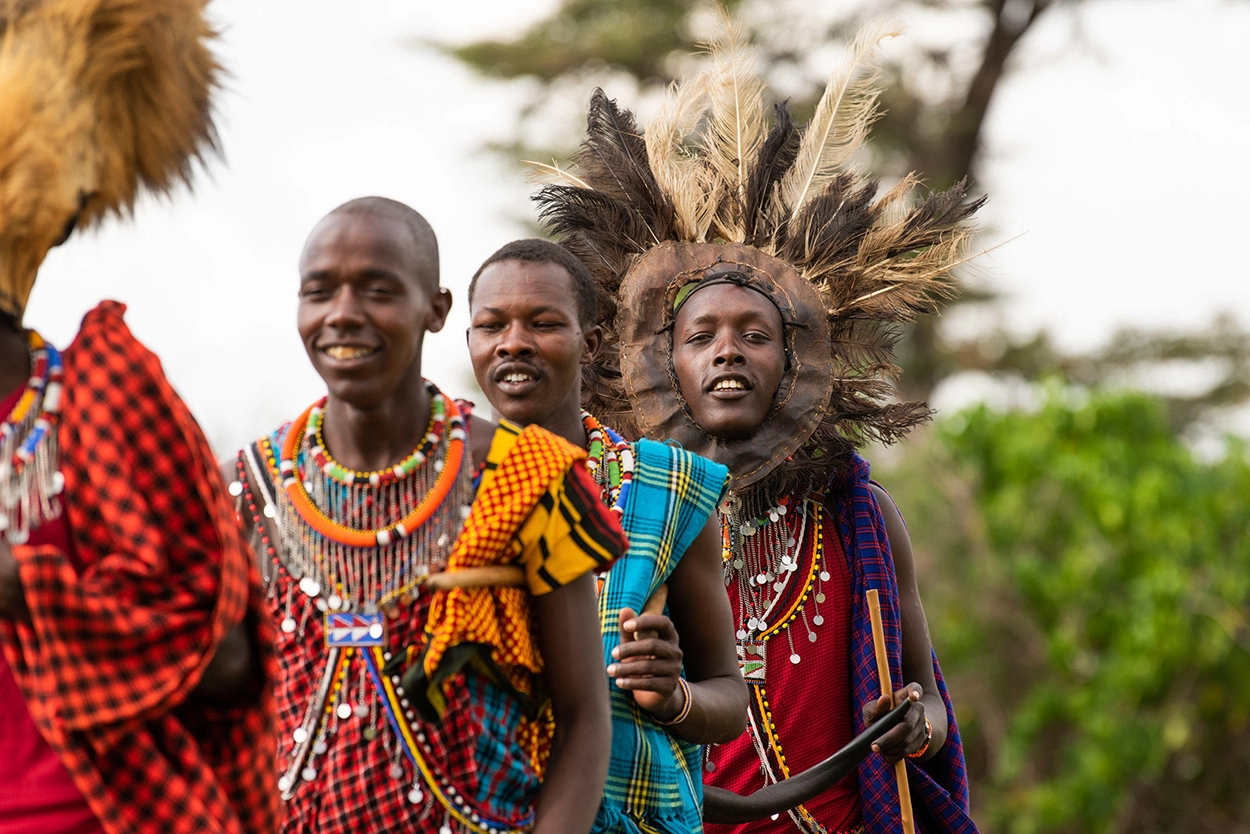
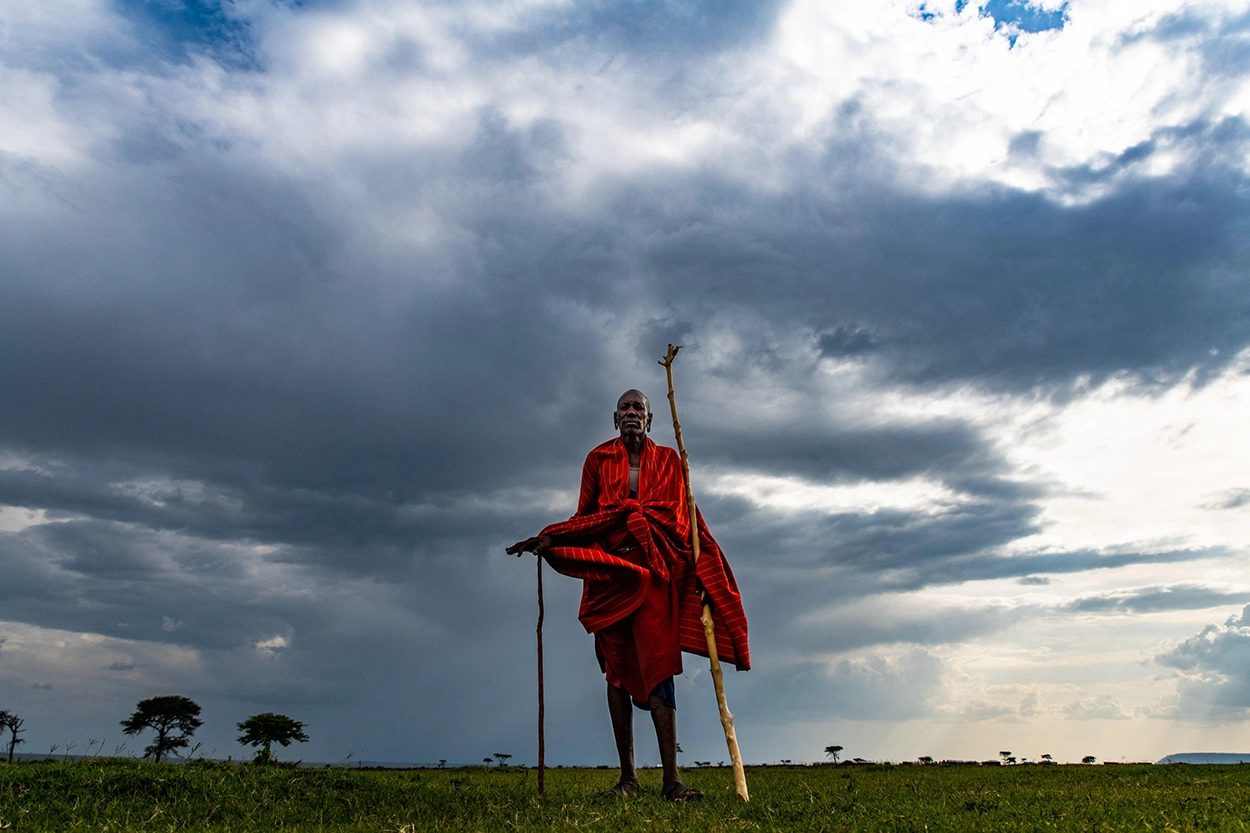
Private conservancies border the main reserve. The upside? Fewer vehicles, more space, and extra activities like walking safaris, off-roading, and night drives, which aren’t allowed inside the reserve. Staying in a conservancy also directly supports local Maasai communities — a win for both wildlife and people.
You’ve got two options: by air or by road. A short 45-minute bush flight from Nairobi drops you straight onto an airstrip in the Mara — fast, scenic, and hassle-free. By road, it’s about a 5–6 hour drive, bumpy in parts, but a great way to see rural Kenya along the way. Many travellers fly in, then drive out for a change of scenery (and a few roadside markets en route).
Our Reviews
People are talking about us.
The most famous safari co. you've (probably) never heard of.
Hidden Africa

I cannot recommend Hidden Africa and Chad highly enough! From the very first conversation, Chad was attentive, knowledgeable, and genuinely … read more

How do you write a review for a travel agency that is above perfect? It's not hard! Hidden Africa listened … read more

Chad at Hidden Africa was absolutely wonderful to work with. We worked together to fully customized our 2 week elopement … read more

Simply amazing. We have had 2 trips of a lifetime with Hidden Africa now, and plan on many more. Their … read more
HOW IT WORKS
Take a look around for a bit of inspiration.
Tell us what your dream safari looks like.
Next, your Personal Travel Planner will schedule a call to plan the perfect adventure.
Confirm your trip and get packing.
LET’S GET THIS SAFARI STARTED
Ready to go? Give us a shout and let’s start planning your next adventure. We’re almost as excited as you are.