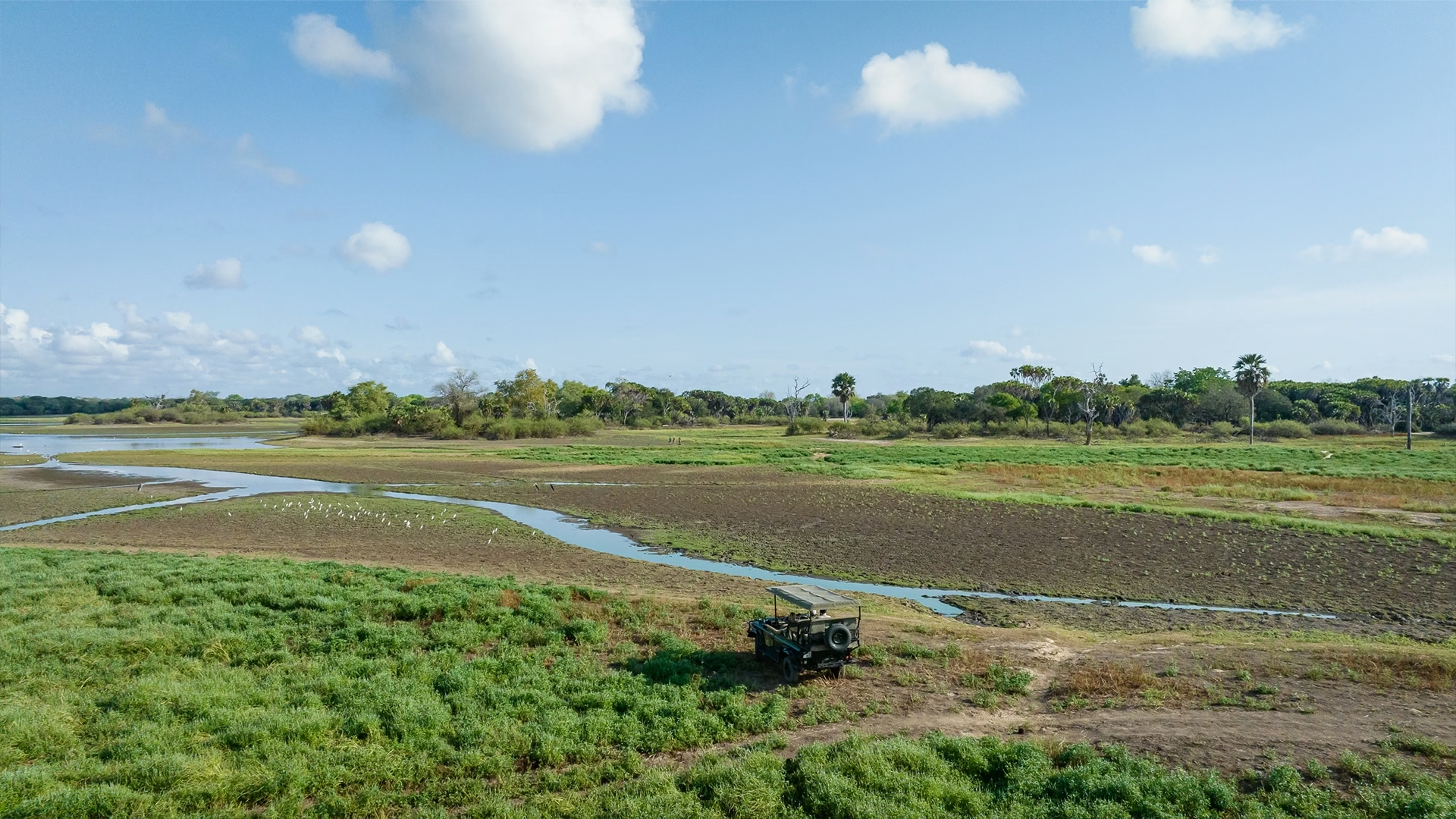
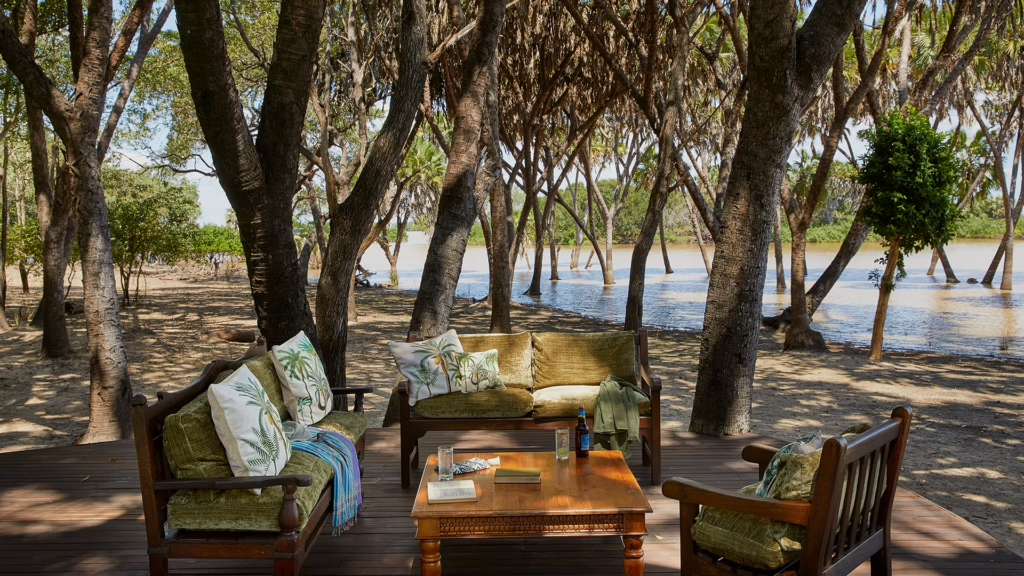
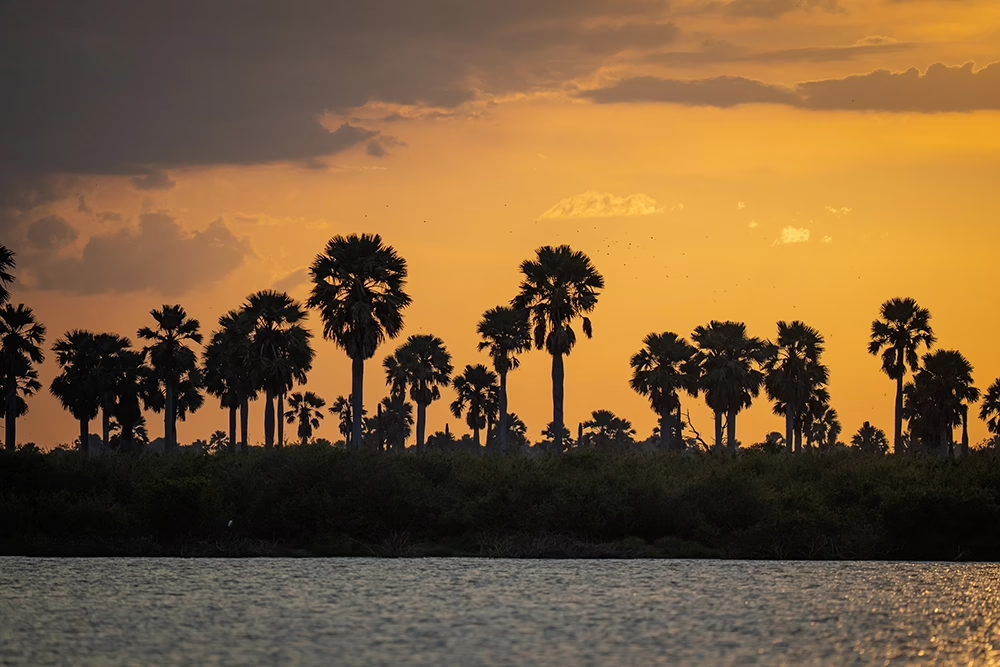
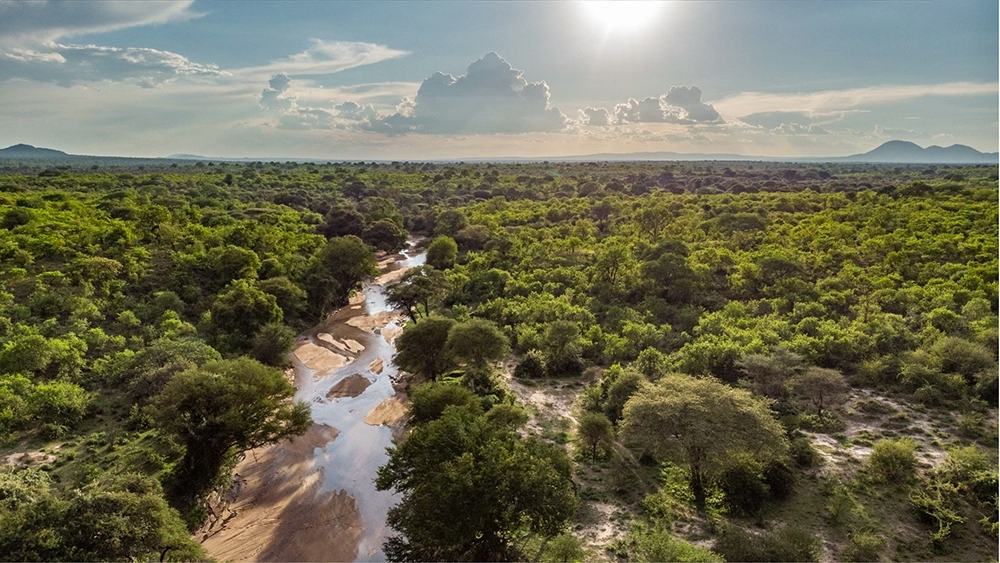
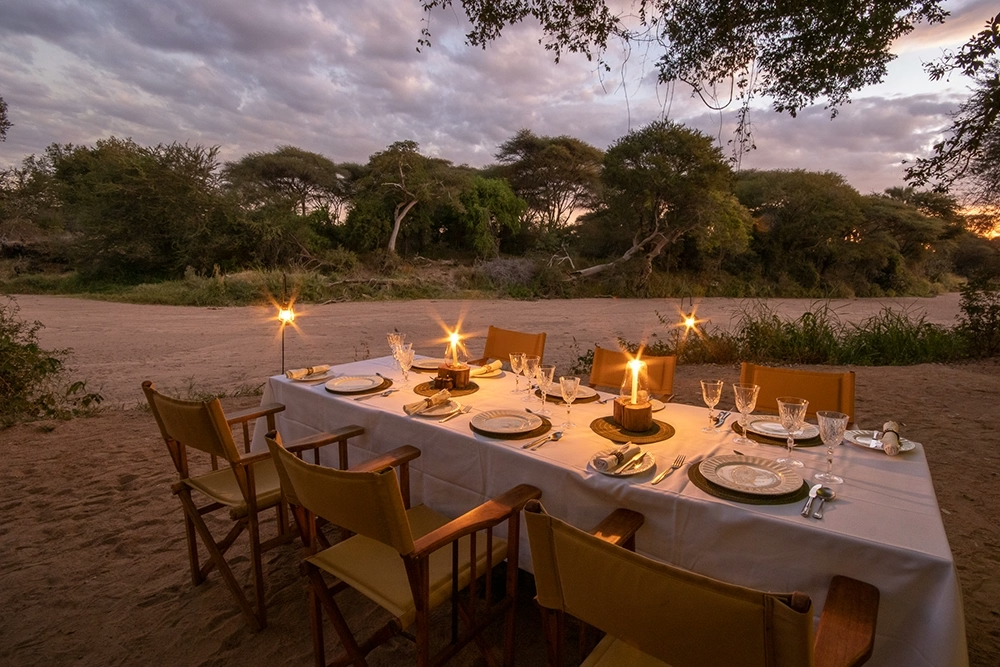
Open safari vehicle parked on green floodplains beside a lake channel in Nyerere National Park

Tanzania’s Secret South Safari Southern Safaris and Idyllic Islands

Start Planning

Tanzania's Quieter Side

Southern safaris and idyllic islands: get to know Tanzania’s quieter side over 10 nights. 

Enquire

AT A GLANCE

The Essentials

All the details you need to know about your journey

Starts

Dar es Salaam

Ends

Dar es Salaam

Visits

Tanzania

Duration

10 Nights

Style

Fly-in

Best time

Jun – Oct

Price From

TBC

Board basis

Fully-Inclusive
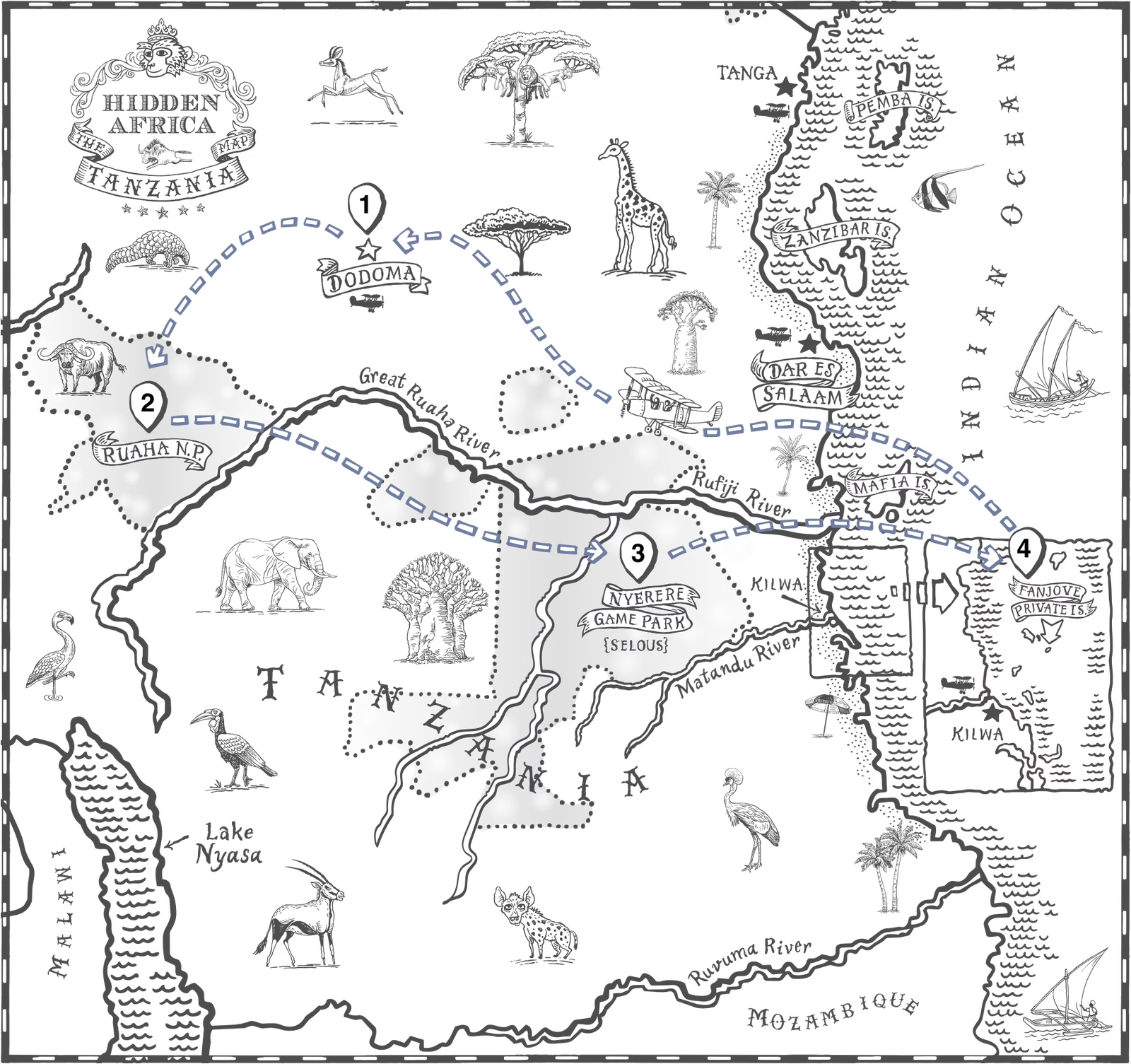
Illustrated Itinerary Map: Tanzania's Secret South.

OVERVIEW

Tanzania's Secret South Safri

Quiet Southern Safaris and Idyllic Islands

From sunset lake cruises with fizzing G&Ts and game drives tracking lions and elephants to white-sand beaches and Indian Ocean adventures, this southern Tanzania trip is so dreamy the phrase “bush to beach” doesn’t do it justice. The cherry on the cake (lemon in the gin?) is that this region is still rather hush-hush compared to the popular northern circuit, so you won’t have to battle for space at wildlife sightings or book aeons in advance. Prepare for insane scenery, elephant encounters, dolphin dives, and, of course, delicious food, refreshing beverages, and cute camps staffed by wonderful people who make you feel right at home.

This 10-day itinerary starts in Tanzania’s largest park, Nyerere National Park (formerly the Selous). After three nights by Lake Nzarakera, you’ll say ciao to the crocs and fly over to wildlife-rich, baobab-studded Ruaha National Park for another three nights at the gorgeous Jongomero Camp. Cap off the safari action with four nights on a pocket-sized private island where it’s all about beach strolls, coral reef snorkelling and fresh seafood feasts – it really doesn’t get much better.

ITINERARY

The Journey at a Glance

3 Nights
Laba Siwandu, Tanzania
Fully Inclusive
3 Nights
Laba Jongomero, Tanzania
Fully Inclusive
4 Nights
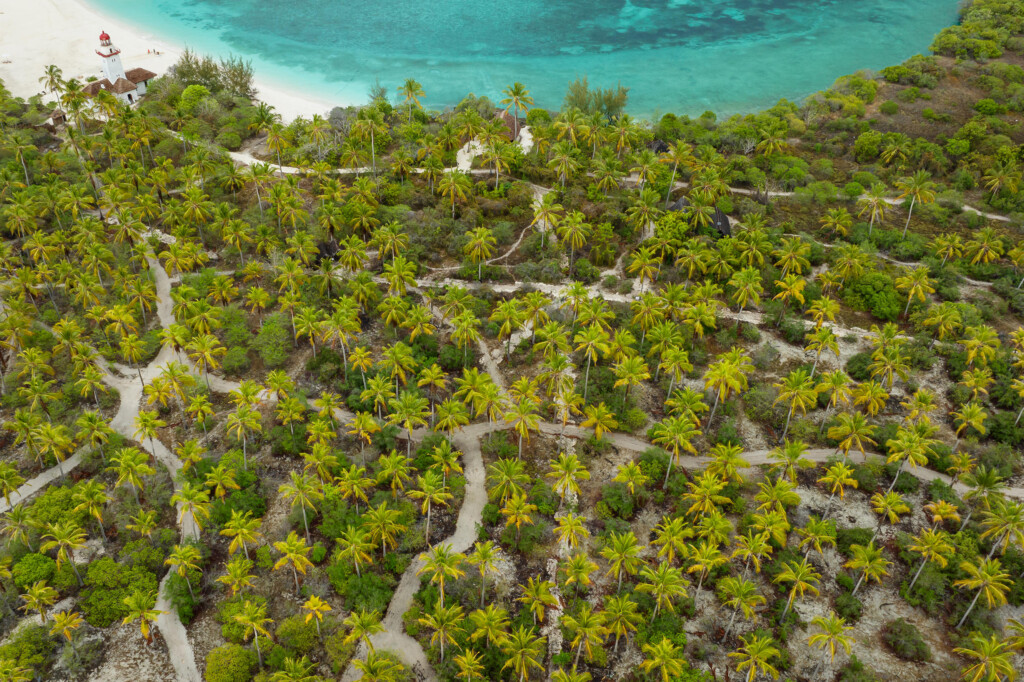
Fanjove Island, Tanzania
Fully Inclusive

YOUR STAY

Camps & Lodges

3 Nights

Laba Siwandu

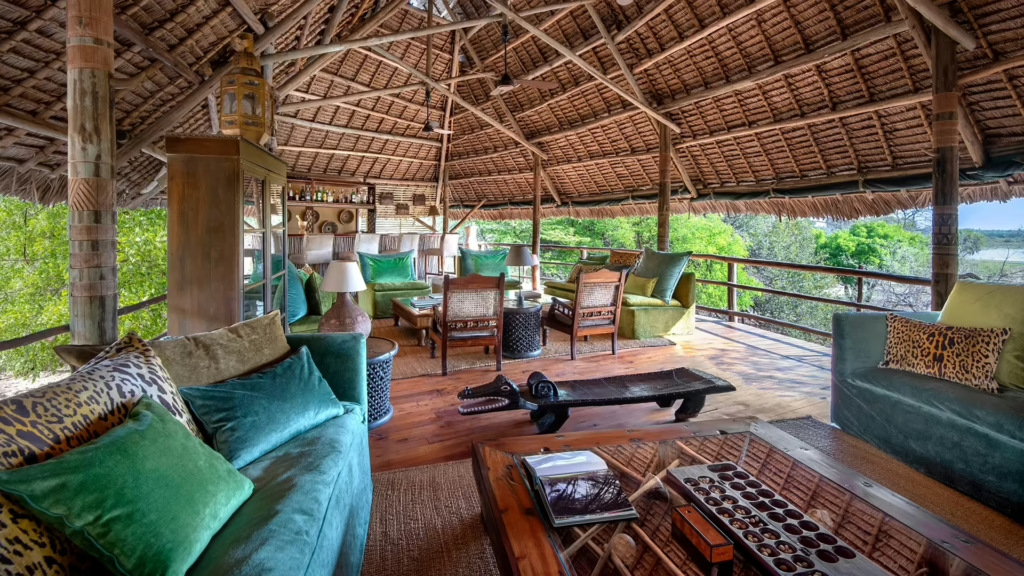
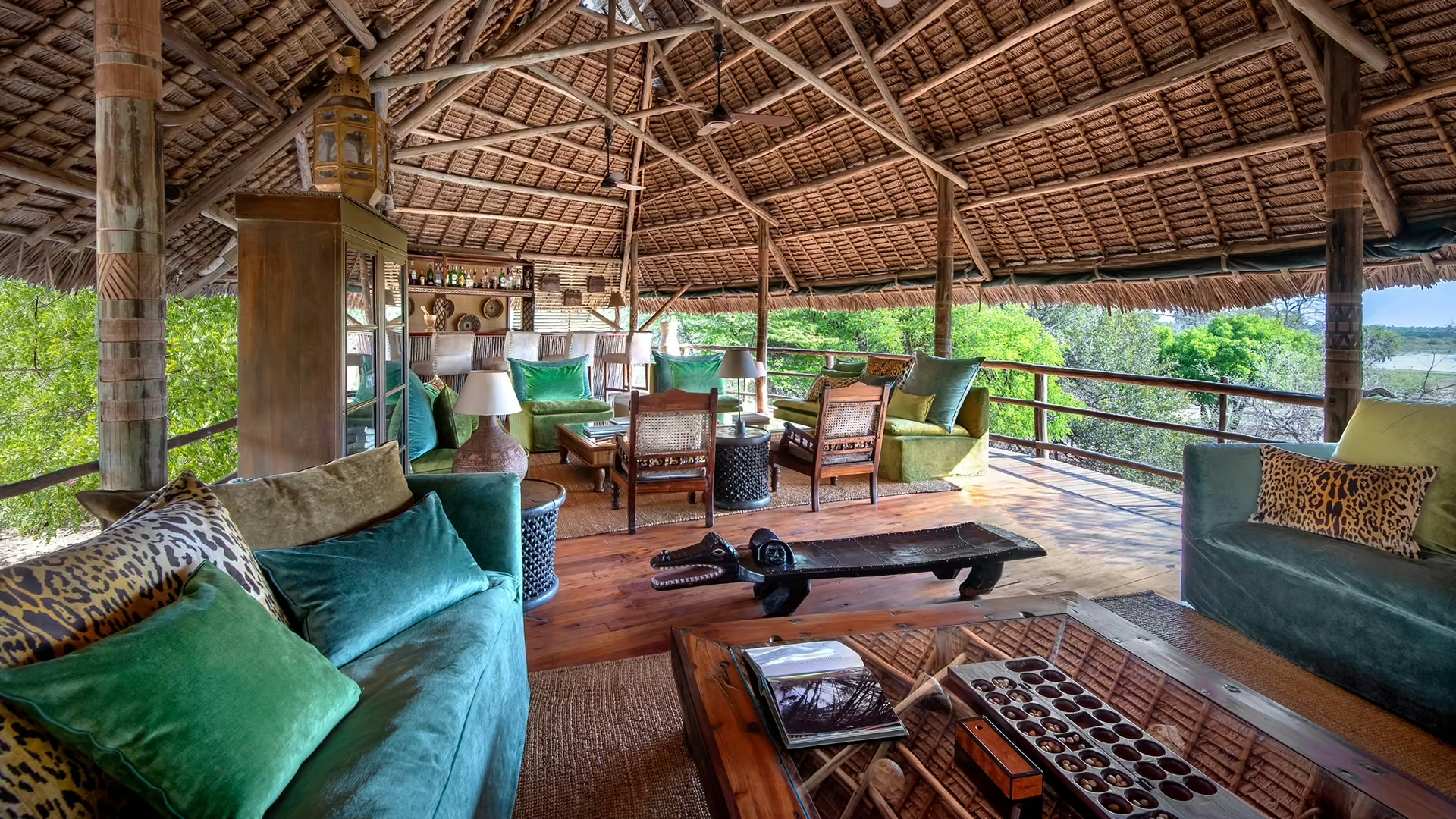
Thirteen tents strung along a lakeshore where elephants come down to drink. Siwandu is built around the water — boat safaris from the doorstep, breakfast drifting on the pontoon, sundowners on the sand bar. Every booking comes with a private...

EXPLORE
Thatched lounge with blue sofas at Laba Siwandu
3 Nights

Laba Jongomero

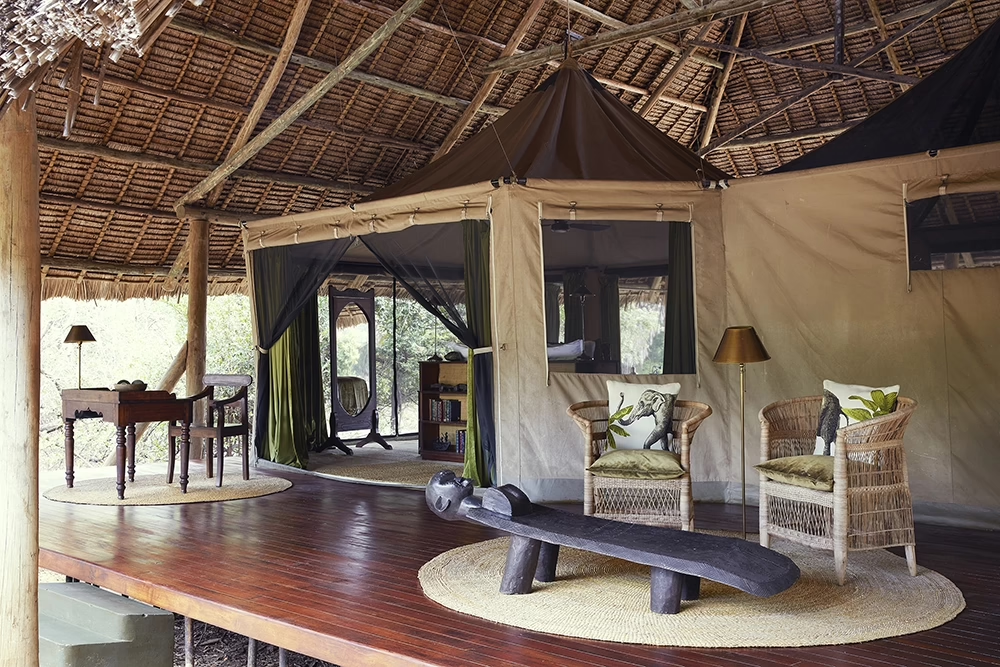
Tucked into Ruaha National Park’s far southwest, Laba Jongomero is one of the park’s most secluded camps. Think ten thatched tented suites above the river, lions and wild dogs with no queues, bush dinners on the dry riverbed, and the...

EXPLORE
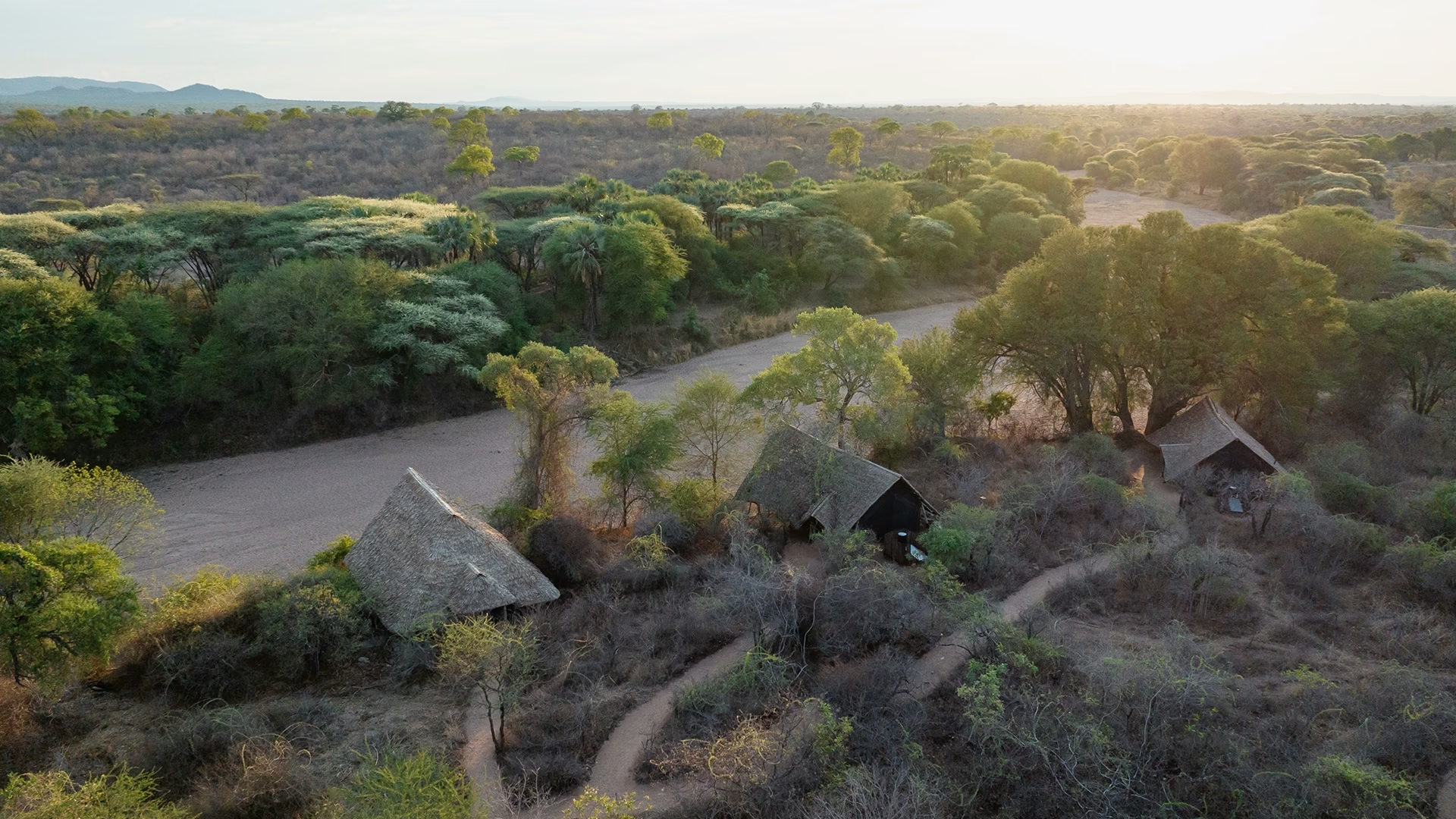
Aerial view of thatched Laba Jongomero tents beside the dry riverbed at sunrise, Ruaha
4 Nights

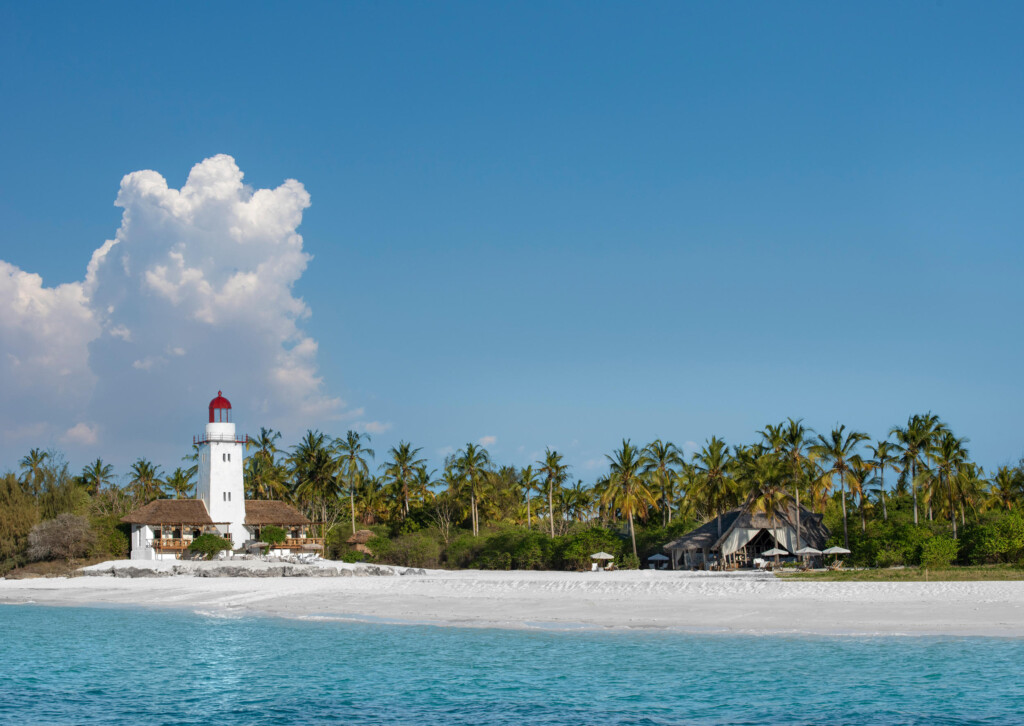
Fanjove Island

Discover Fanjove private Island, where the journey by wooden dhow feels like time travel, and your toughest decision is whether to snorkel or nap first.

EXPLORE
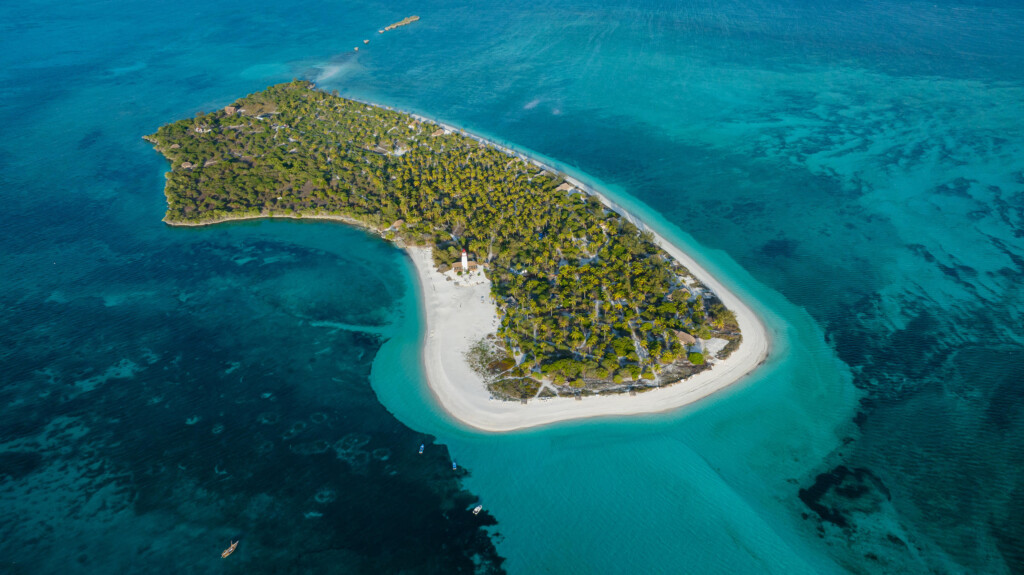
Aerial view of Fanjove Island, a palm-covered private island with a historic red-and-white lighthouse, fringed by white-sand beaches and turquoise shallows in the Indian Ocean, Tanzania.

Your Stay

Oh, the Places You’ll Go

Some of the Destinations You’ll be Visiting

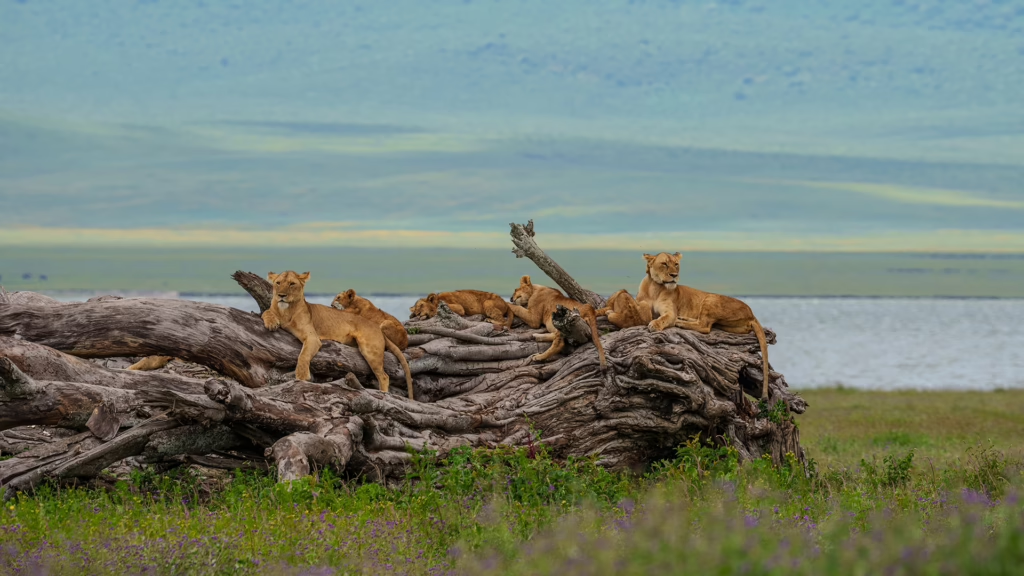
Pride of lions resting on a fallen tree in Tanzania

Tanzania

View Area
Two elephants beneath a large baobab in Tarangire National Park, Tanzania

Ruaha National Park

View Area

Details Matter

Day by Day Itinerary

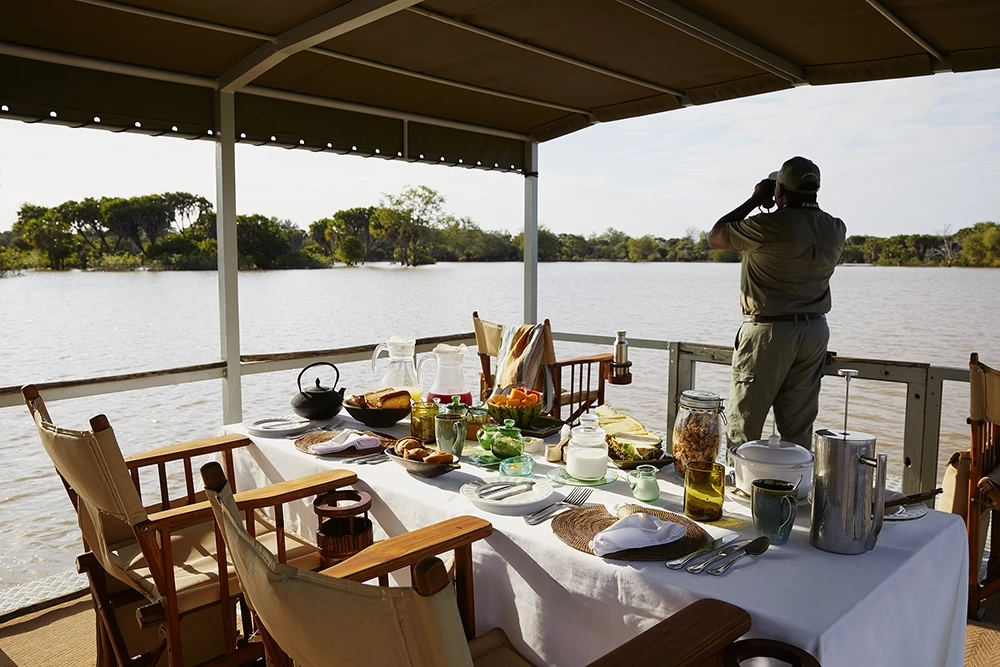
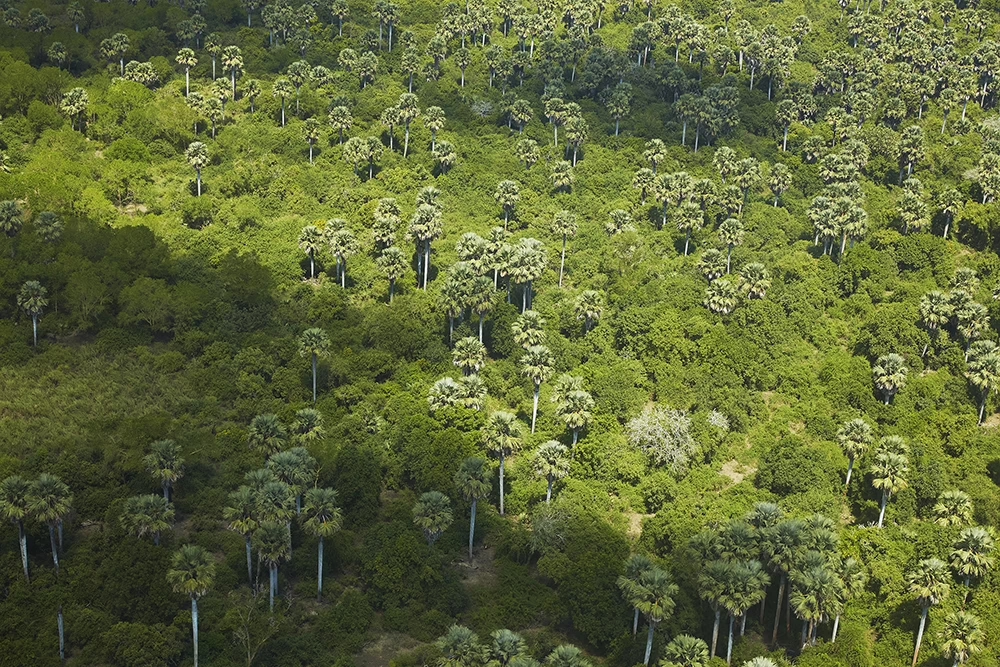
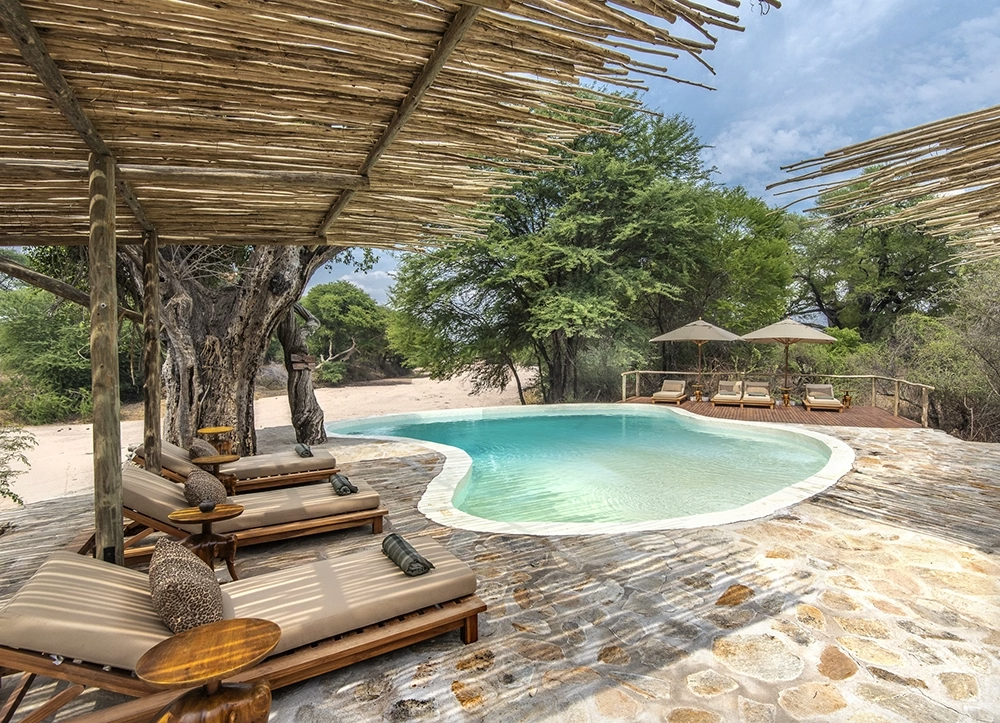
A 45-minute flight from Dar es Salaam takes you south to Nyerere National Park, followed by a short drive to Siwandu Camp. You'll be tucked into a palm grove on the shores of Lake Nzerakera for the next 3 nights. Unpack, then take a cold G&T (or 2, who's judging?) over to lunch while watching the lake. In the afternoon, head out on your first game drive to get the measure of this vast, wild park

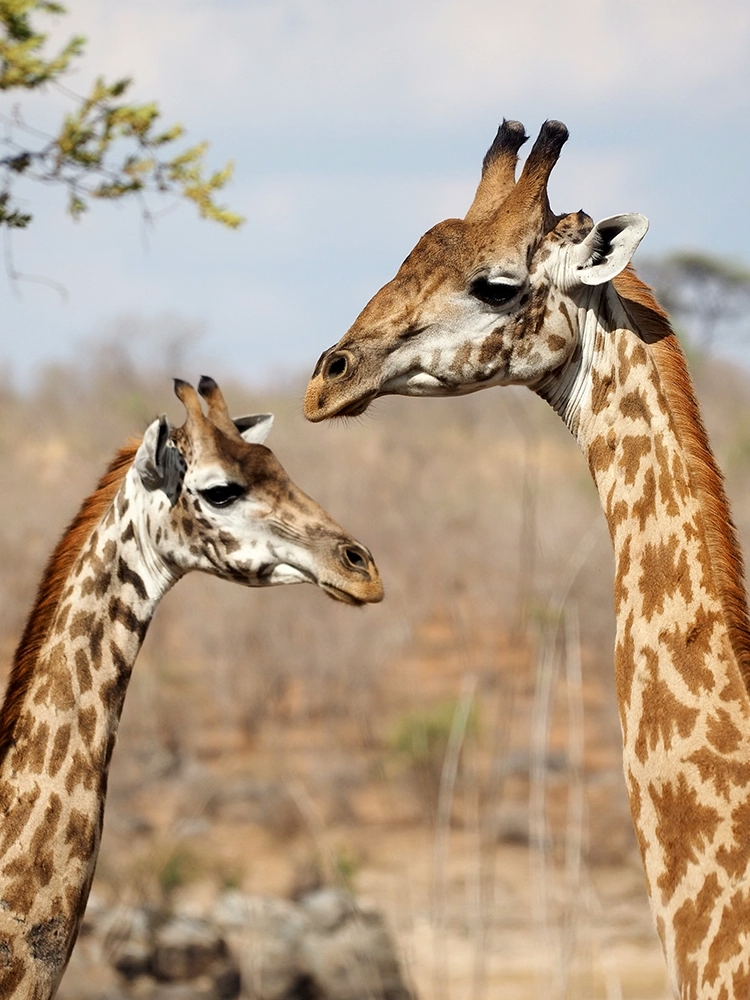
Coffee arrives at your tent before the sun is up, which is a perfectly civilised way to start a day. Spend the morning on a game drive, past big herds of elephant and buffalo and the odd giraffe nibbling the treetops. Back at camp, lunch is long and the pool is cold, so make use of both. In the afternoon, choose between another drive and your first boat safari.

Start the day on a bush walk, the way safari was done before anyone thought of vehicles. Your guide will point out the things you'd drive straight past: tracks, dung (more fascinating than you'd think), medicinal plants and the small creatures that keep this ecosystem ticking. Later, take the camp's pontoon onto the lake. You might have lunch on the water while hippos pop up for air and crocodiles pretend not to notice you. Evenings mean drinks by the fire, then dinner under a sky crammed with stars.

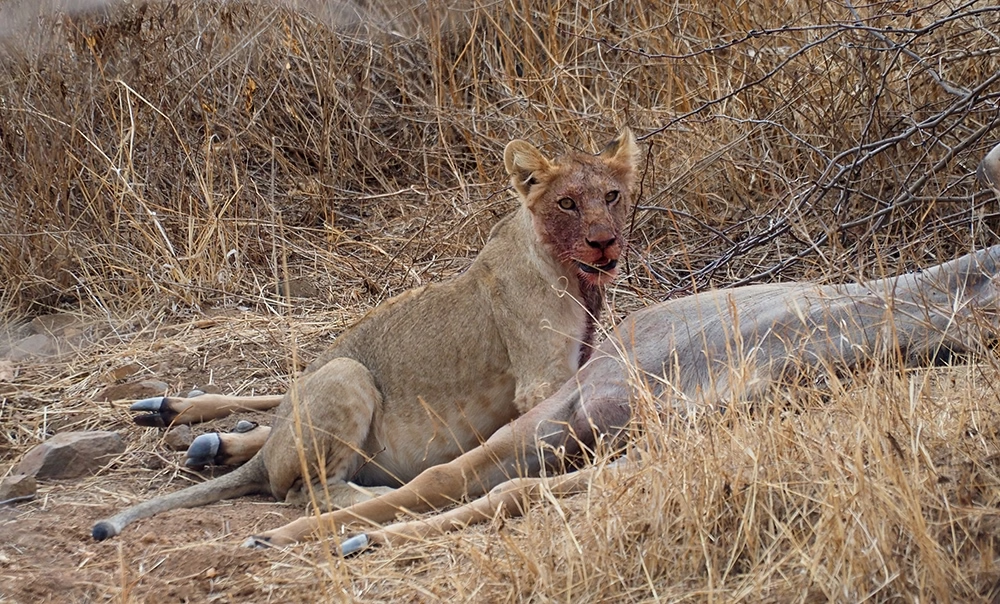
After breakfast, a 90-minute flight takes you west to Ruaha, Tanzania's wildest-feeling park. It's a five-minute drive from the airstrip to Laba Jongomero, which sits on the banks of the seasonal Jongomero Sand River. When the river runs dry, it becomes a highway for wildlife, and elephants are regulars, so the pool doubles as a viewing platform. In the afternoon, go out looking for Ruaha's lions, wild dogs and leopards.

Stay put and enjoy drives, walks and long afternoons doing very little, or swap your suite for a night of fly camping. After the afternoon drive, you'll arrive at a simple camp deep in the bush. There's a bucket shower (hot water, we're not animals), sundowners and dinner round the fire, followed by a night in a dome tent with only canvas and a well-trained guide between you and whatever is calling in the dark. You'll be back at Jongomero in time for breakfast.

Set off on foot before the heat arrives. Ruaha is one of Africa's great birding destinations, and walking is the best way to appreciate it, binoculars or not. Stop to put a hand on one of the park's famous baobabs and feel suitably small. In the afternoon, drive out to see what's about: elephant, buffalo, giraffe, zebra and impala, plus hippos and crocodiles along the river.

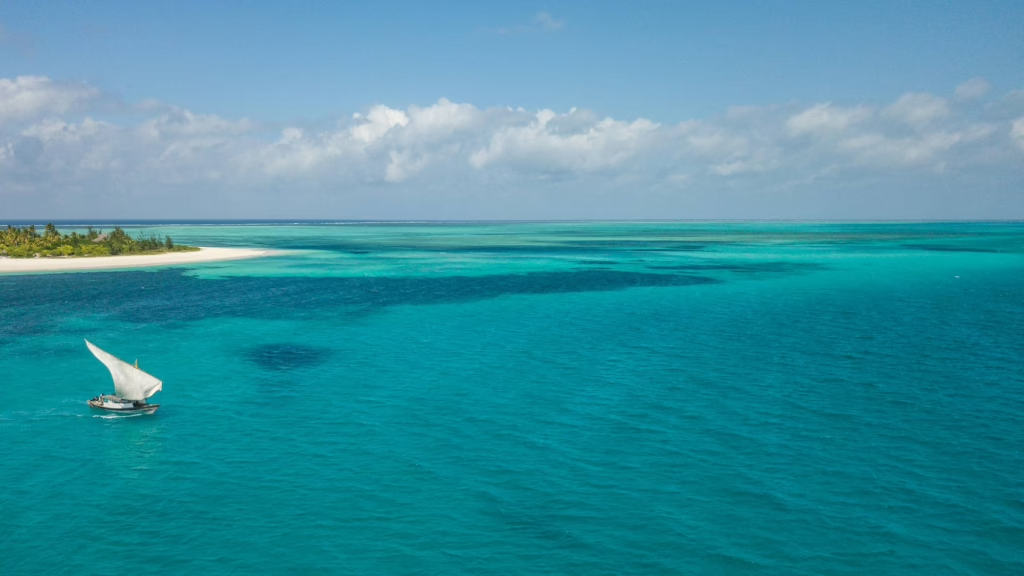
After six nights of early starts, it's time to swap khaki for a kikoi. It's a long travel day, but four nights on Fanjove will more than make up for it. You'll fly to Dar es Salaam, then on to Songo Songo Island via Mafia. A tuk-tuk runs you to the pier, and a traditional dhow sails you 40 minutes through the archipelago to Fanjove: a kilometre of white sand and palms, and barely half that wide. Take your shoes off (you won't need them again), have a fresh coconut and settle into your thatched banda. End the day with sundowners at the top of the old lighthouse.

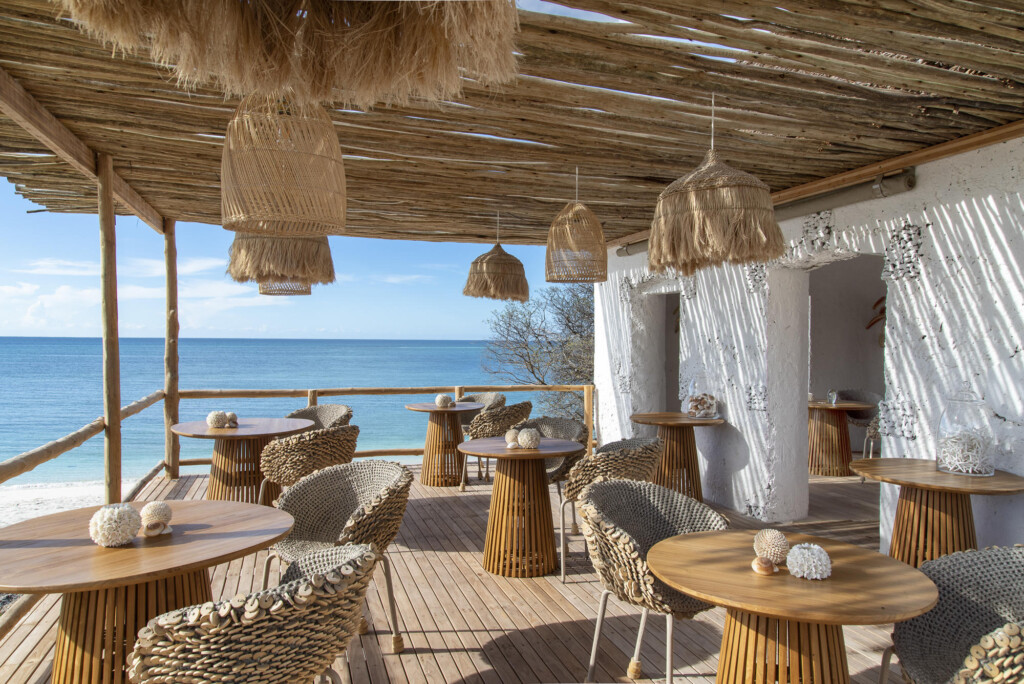
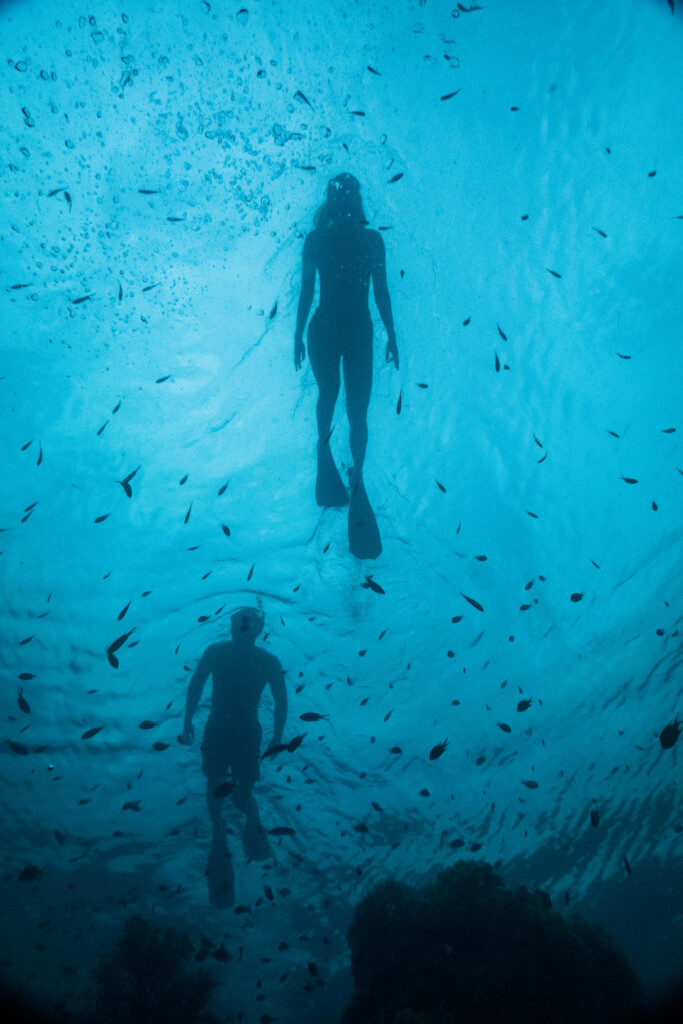
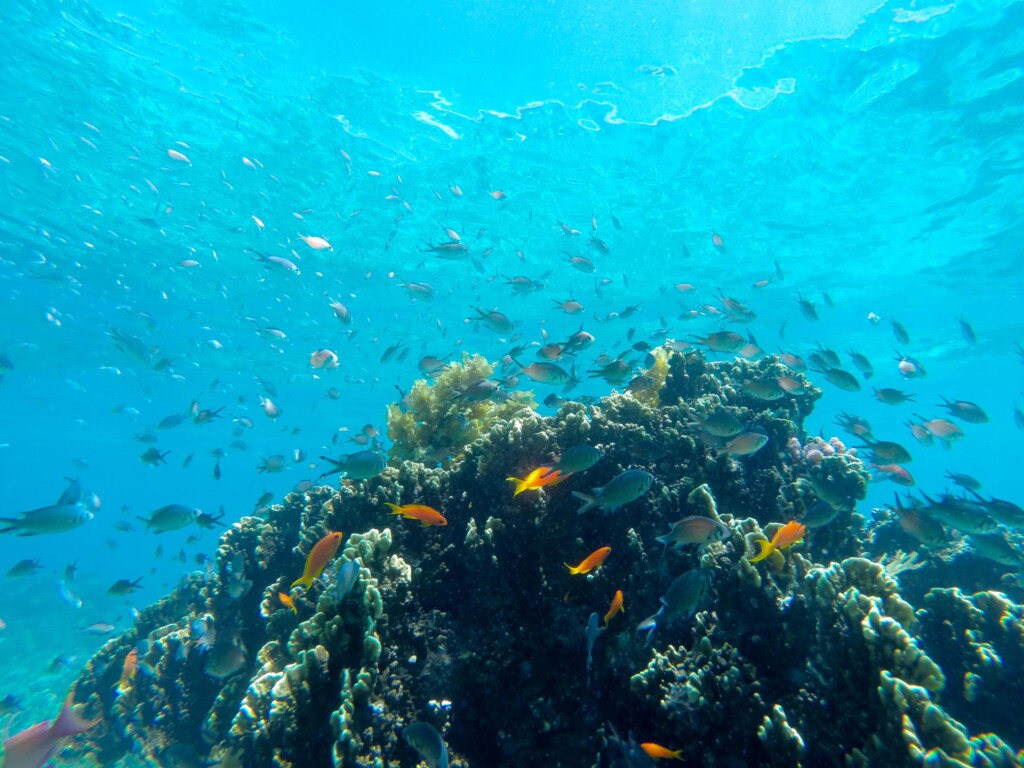
Morning tea arrives through a hatch in your banda wall, which is a delightful touch. Days on Fanjove are yours to shape, as busy or as idle as you like. Snorkel straight off the beach, take a boat out to the 11km coral reef, explore the shoreline by kayak, or try stand-up paddleboarding and test your balance (and your dignity).

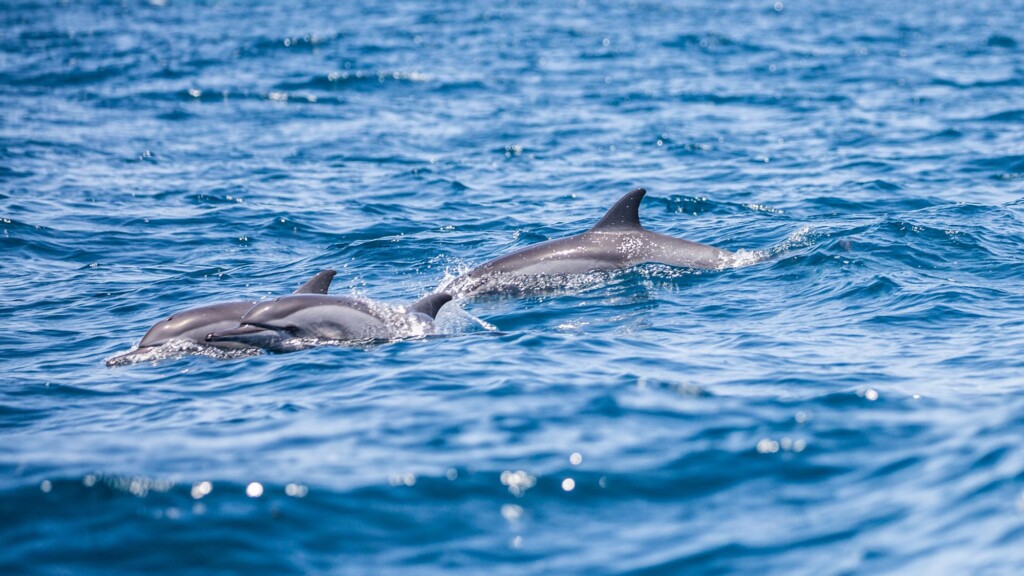
Walk the island through shady palm groves, stopping at the rock pools on the way. Bring binoculars between November and March, when migratory birds arrive in their hundreds. Alternatively, take a boat to Kilwa Kisiwani, a UNESCO World Heritage Site, to explore the remains of what was once one of East Africa's most powerful Swahili trading cities. Keep an eye out for dolphins on the way.

Many of Fanjove's activities are included, but there are extras if you want them: scuba diving, deep-sea fishing, or swimming with whale sharks off Mafia Island (October to March). Equally, you could do absolutely nothing, which is a perfectly respectable choice. In the evening, toast the trip with a candlelit seafood dinner on the beach.

Say goodbye (or, more likely, see you soon) to Fanjove and retrace your steps to Dar es Salaam for your flight home.

YOUR STAY

Unmissable Moments

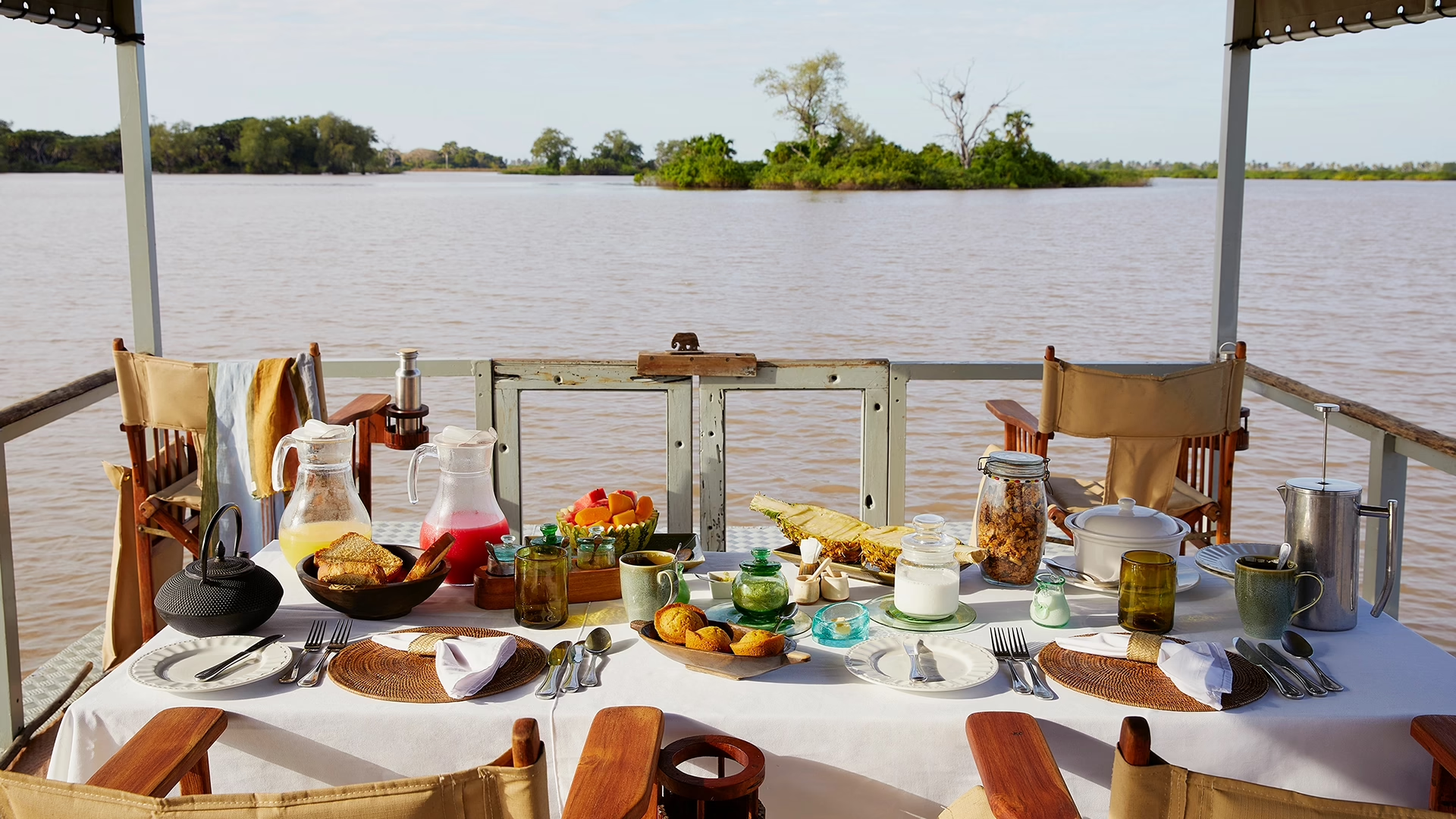
Breakfast table set on a deck overlooking the water at Laba Siwandu

Highlights

  • Boat safaris and floating breakfast on Lake Nzerakera.
  • Ruaha’s colossal baobabs and 570-odd bird species.
  • A private vehicle in both Nyerere and Ruaha, so you stop when you want, for as long as you want.
  • A night of fly camping in the Ruaha bush.
  • Snorkelling or diving among tropical fish and dolphins on Fanjove island.
  • Sundowners from the top of the island’s 19th-century lighthouse.

Cool & Unusual

Fly camping in Ruaha! For one night, you’ll leave your Jongomero suite to fly camp deep in the Ruaha bush. You’ll be back in time for breakfast, with a story nobody at home will top.

Frequently Asked Questions

The dry season, roughly June to October, is the best time for game viewing in Nyerere and Ruaha. The bush thins out, rivers shrink, and wildlife gathers around the remaining water. November to March brings green landscapes, baby animals and excellent birding. Many southern camps close during the long rains, which fall roughly in April and May.

Mostly, yes. In 2019, the northern part of the Selous Game Reserve became Nyerere National Park, named after Tanzania’s founding president, Julius Nyerere. It’s Tanzania’s largest national park, and it’s one of the few places in East Africa where you can go on a boat safari as well as game drives and walks.

Ruaha is big, wild and properly remote, and it gets only a small share of the visitors the northern parks see. It’s one of Africa’s most important lion strongholds, with healthy populations of elephants and wild dogs. It’s also one of the few places where you can see both greater and lesser kudu, and it has more than 570 bird species. And then there are the baobabs: enormous, ancient and best appreciated on foot.

It’s not better, just different. The northern circuit (the Serengeti and Ngorongoro) has the Great Migration and the crowds that come with it. The south offers fewer vehicles, more remote camps, and a wider mix of activities, including boat safaris, walking safaris and fly camping. If you’ve already done the north, or you’d simply rather not share your lions, the south is for you.

By light aircraft. Scheduled bush flights connect Dar es Salaam, Nyerere, Ruaha and the southern islands, and most legs take under two hours. Luggage is usually limited to around 15kg per person, in soft-sided bags. It’s tight, but most camps offer laundry, so you’ll need less than you think.

Fly camping means spending a night in a simple temporary camp deep in the bush, away from the main lodge. In Ruaha, that means a bucket shower, dinner round the fire, and a night in a dome tent. Experienced guides and camp staff stay with you throughout, so it’s safe. It’s also a wonderful reminder of how close the wild really is.

Fanjove is a small private island in the Songo Songo archipelago, off Tanzania’s southern coast, near Kilwa. To get there, fly to Songo Songo Island, take a short tuk-tuk ride to the pier, then sail about 40 minutes on a traditional dhow. The island is about a kilometre long, with one small lodge and a 19th-century lighthouse.

For anyone who wants peace and quiet, absolutely. Zanzibar has Stone Town, a lively food scene and plenty of resorts, along with plenty of people. Fanjove is the opposite: one lodge, barefoot days, coral reefs right off the beach, and few other guests. It also pairs naturally with a southern safari, without the long trek north.

Our Reviews

People are talking about us.

The most famous safari co. you've (probably) never heard of.

Hidden Africa
5.0 43 reviews
out of 5
Sumana Moole
Sumana Moole
a year ago

I cannot recommend Hidden Africa and Chad highly enough! From the very first conversation, Chad was attentive, knowledgeable, and genuinely … read more

Evyan Metzner
Evyan Metzner
a year ago

I can not say enough wonderful things about Chad and Hidden Africa . Being a Travel Advisor myself , I … read more

Owen Brenner
Owen Brenner
2 years ago

Chad at Hidden Africa was absolutely wonderful to work with. We worked together to fully customized our 2 week elopement … read more

Debbie Hottman
Debbie Hottman
9 months ago

Our group of 6 adults starting planning our South African experience 18 months before our actual travel date with Geraldine, … read more

HOW IT WORKS

Take a look around for a bit of inspiration.

Tell us what your dream safari looks like. 

Next, your Personal Travel Planner will schedule a call to plan the perfect adventure.

Confirm your trip and get packing.

LET’S GET THIS SAFARI STARTED

Ready to go? Give us a shout and let’s start planning your next adventure. We’re almost as excited as you are.

Conservation partners