Ngorongoro Crater
Start Planning
What you'll see Ngorongoro Crater Gallery
Lodges in Ngorongoro Crater
Showing page 1 of 1 — 3 lodges
Frequently asked Questions
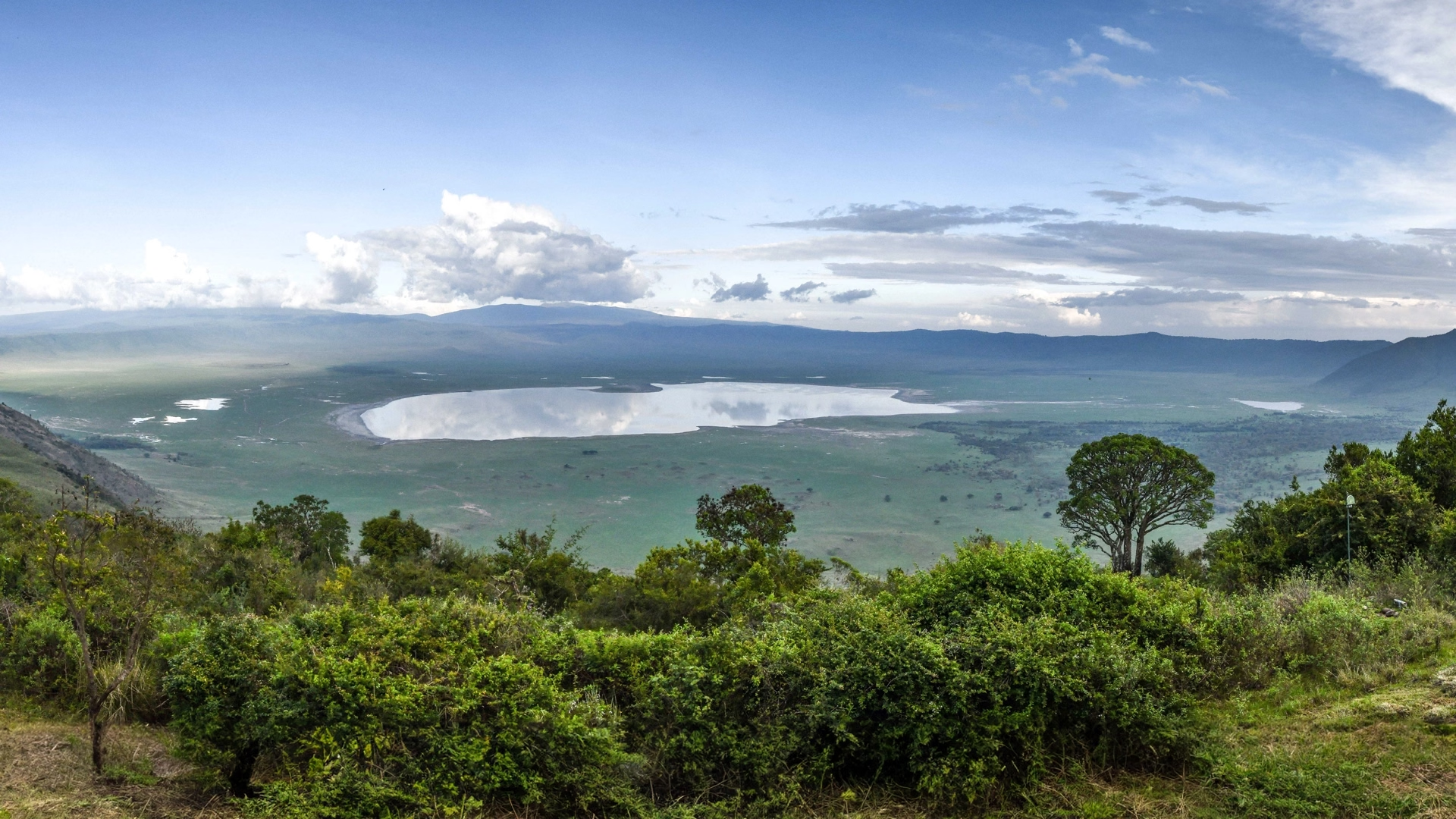
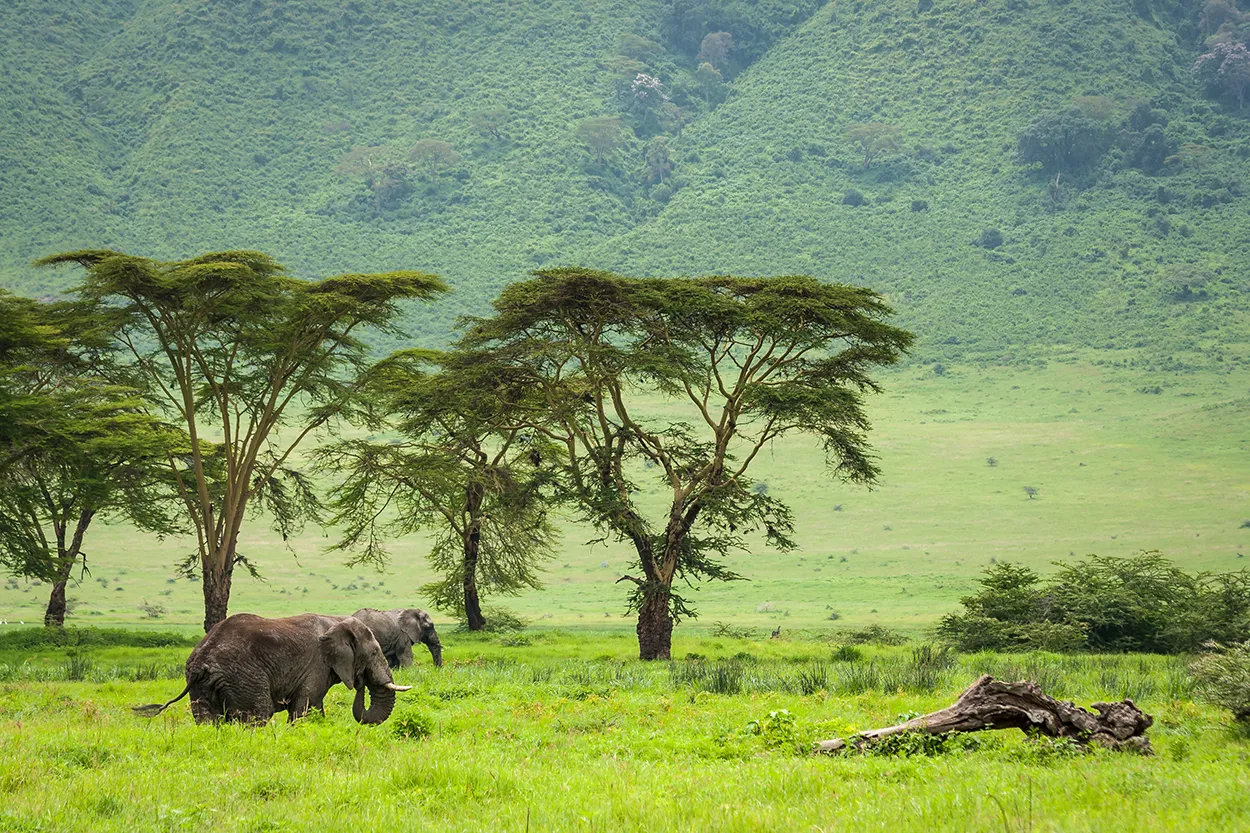
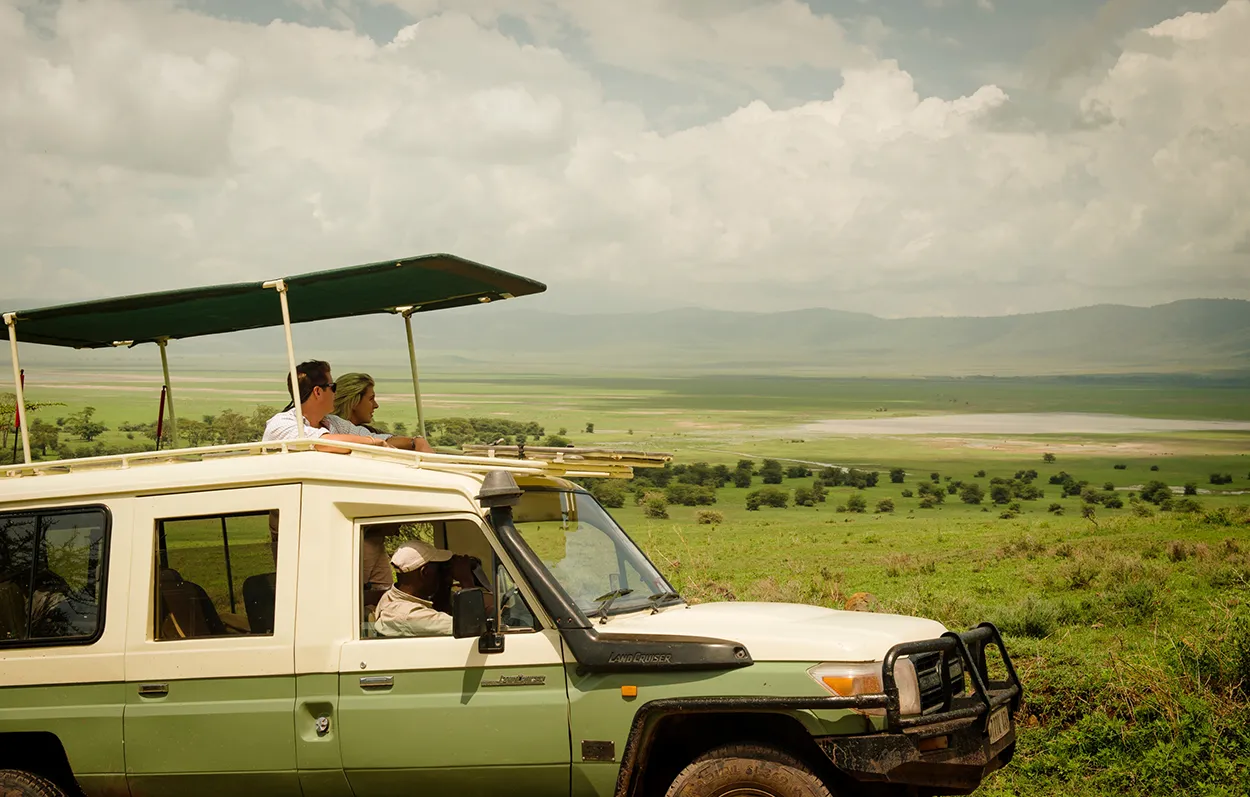
Ngorongoro is unlike anywhere else in Africa. Picture a 600-metre-deep volcanic caldera packed with an extraordinary concentration of wildlife — a self-contained ecosystem where lakes, grasslands, forests, and swamps collide in one dramatic setting. Beyond the sheer biodiversity, the scale of the landscape is breathtaking. Watching a sunrise over the crater rim feels like peeking into a lost world.
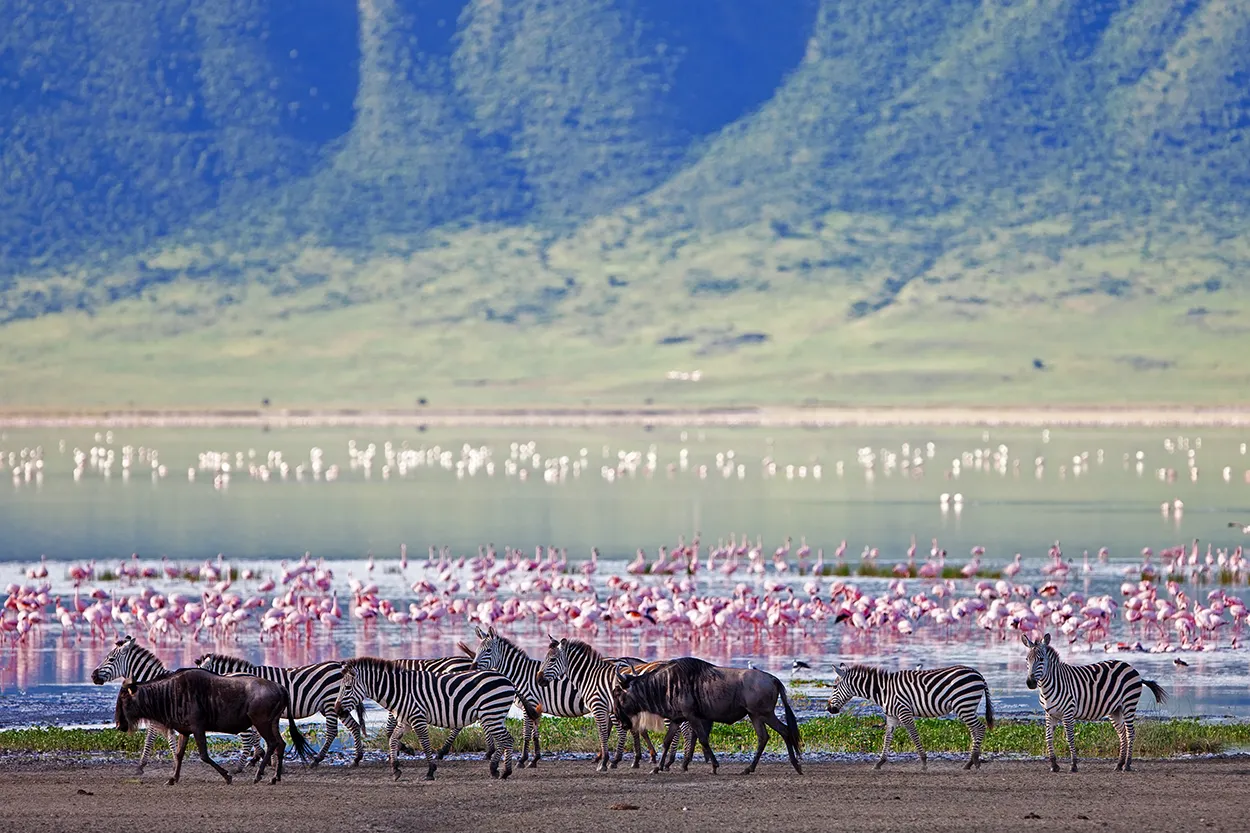
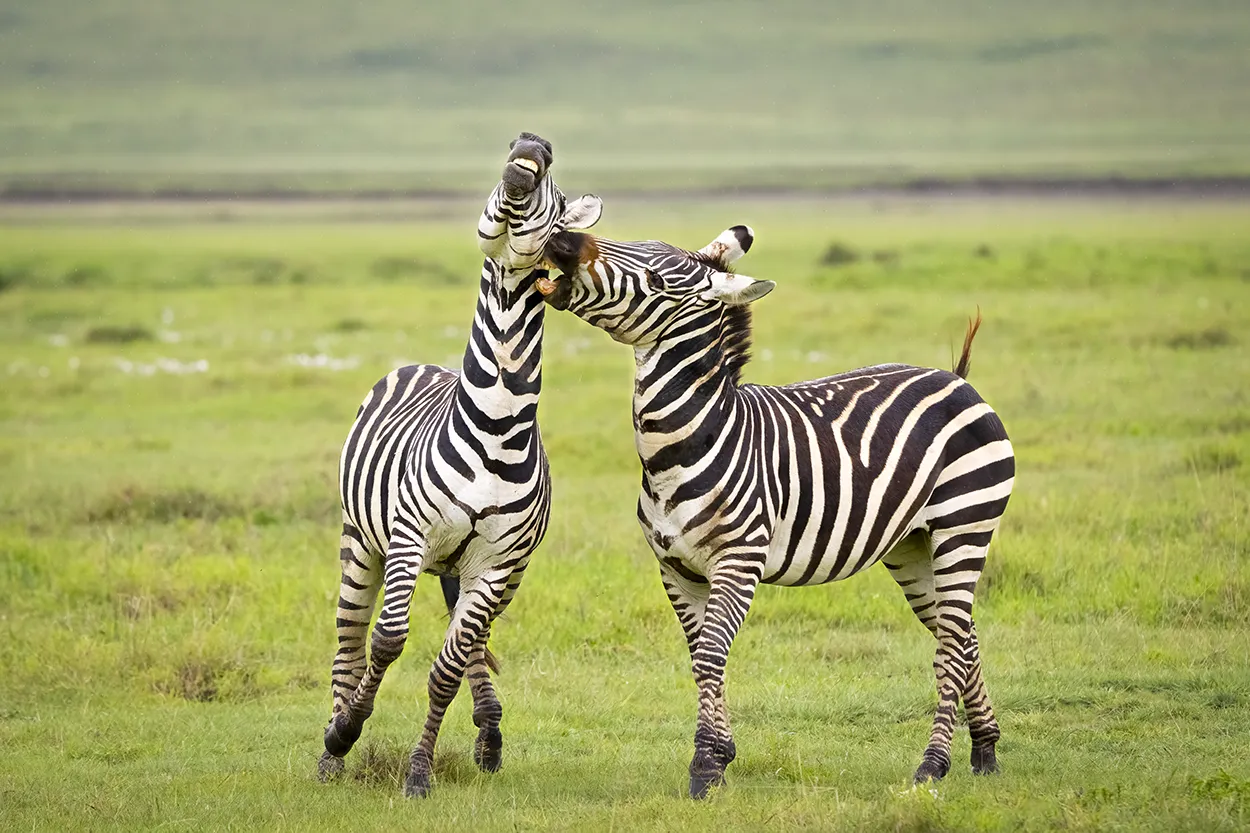
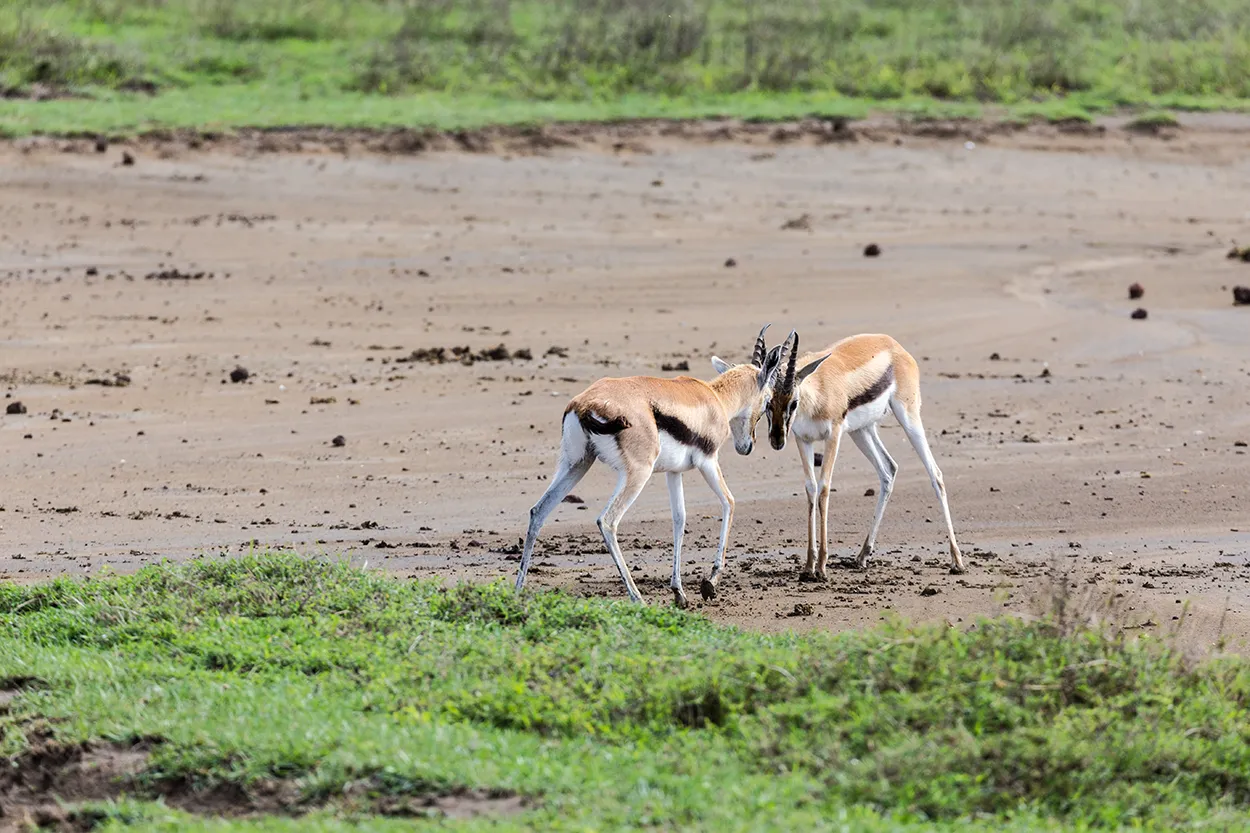
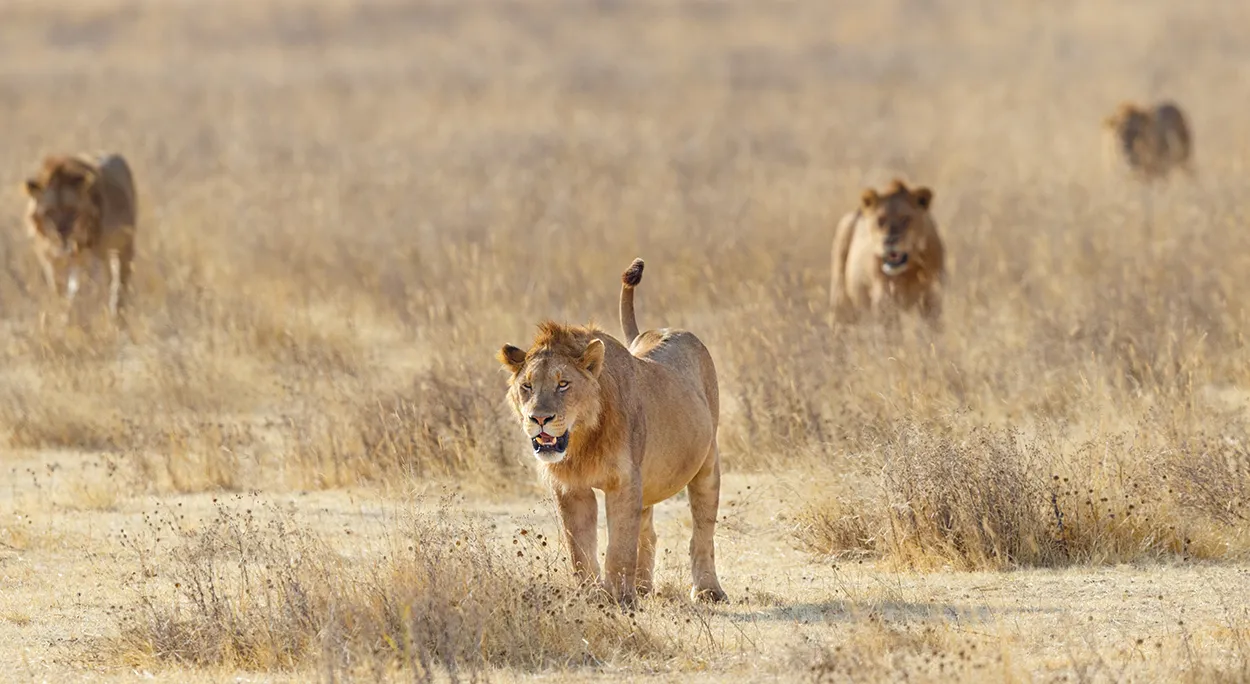
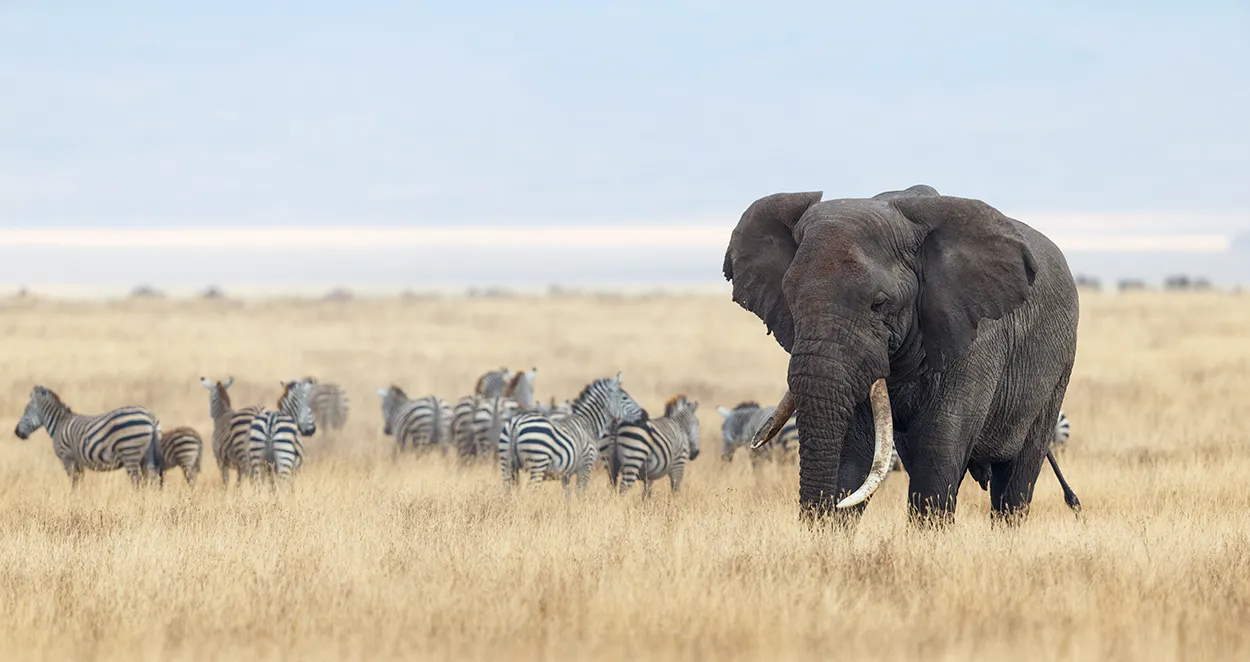
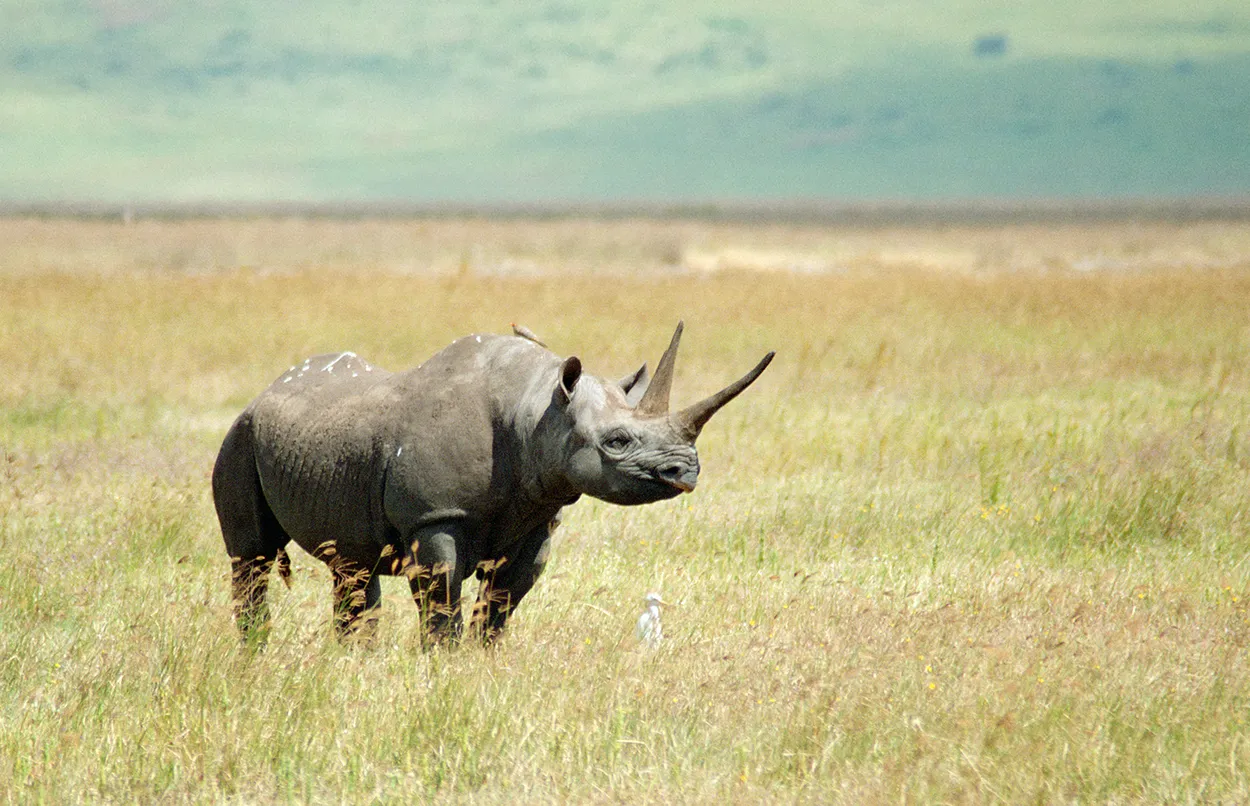
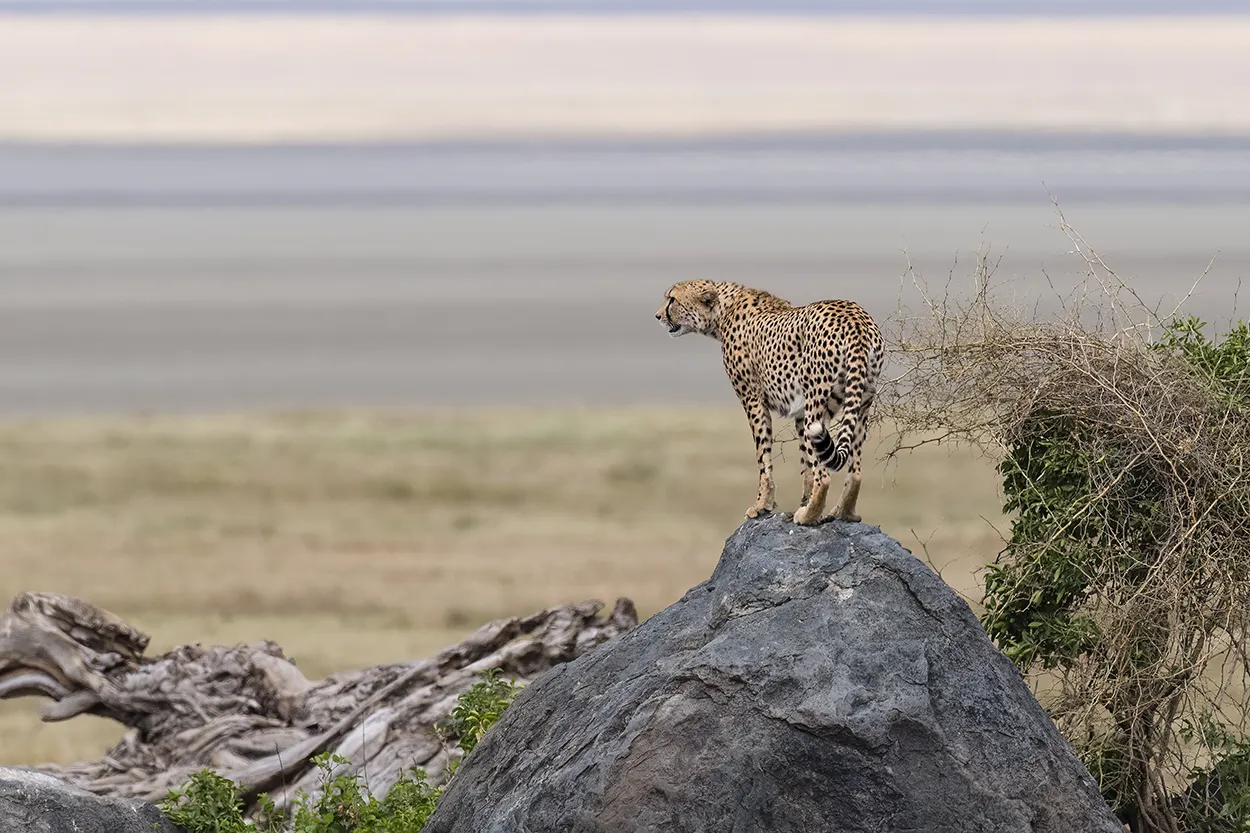
It’s Big Five heaven — lions, elephants, leopards, buffalo, and rare black rhino all roam the crater. You’ll also spot hippos wallowing in wetlands, wildebeest and zebras grazing the plains, and gazelles darting between predators.
The dry winter season (June to October) is prime for game viewing. The grasses are short, wildlife is easier to spot, and the weather is mild. The green summer season (November to May) brings lush landscapes, fewer crowds, and fantastic birding. The calving season (Jan–Feb) is especially spectacular as predators make the most of newborn wildebeest and zebra. For the best balance of wildlife and fewer vehicles, consider the shoulder months of May or October.
Yes — and they come with jaw-dropping views. Perched on the rim at 2,000 metres above sea level, these lodges overlook the entire caldera. Stay here to enjoy early VIP access into the crater before the day crowds arrive. Expect crackling fireplaces, cosy blankets, and red wine in hand at night, and fog-veiled coffee-scented mornings before you descend into the crater.
Ngorongoro is a key stop on the classic northern safari circuit, usually paired with Serengeti for the Great Migration and endless savannahs, Lake Manyara for flamingos, tree-climbing lions, and soda lakes, and Tarangire for huge elephant herds and baobab-studded landscapes. Most itineraries spend 1–2 nights at Ngorongoro before heading into the Serengeti or returning via Arusha.
Yes — the Ngorongoro Conservation Area is also home to semi-nomadic Maasai communities. Visiting a village offers insight into their traditions, cattle-based livelihoods, and vibrant culture. It’s an incredible opportunity to understand how wildlife and people coexist in this protected area.
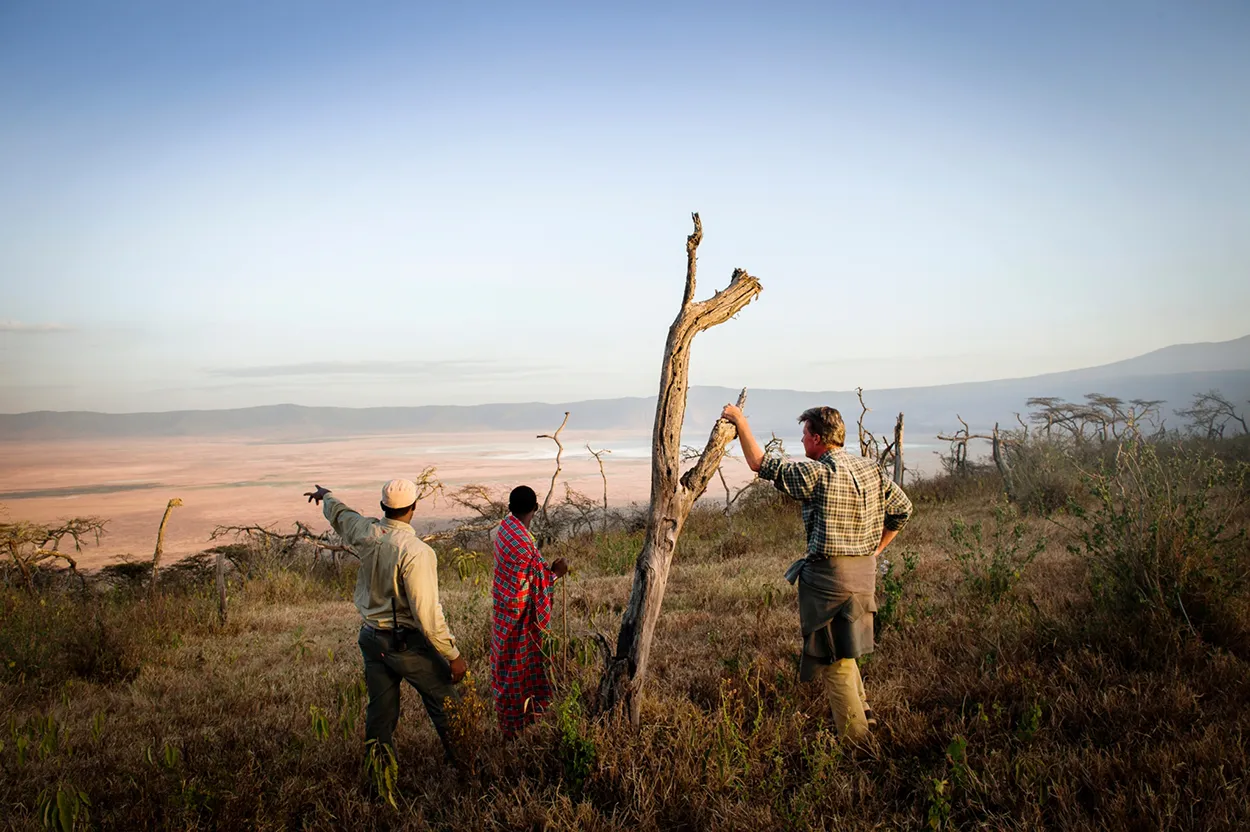
You can’t walk inside the crater itself, but guided walking safaris are available along the rim and surrounding highlands. These treks reveal hidden waterfalls, forested trails, and sweeping vistas, giving you a different perspective on the landscape away from the vehicle-bound safari.
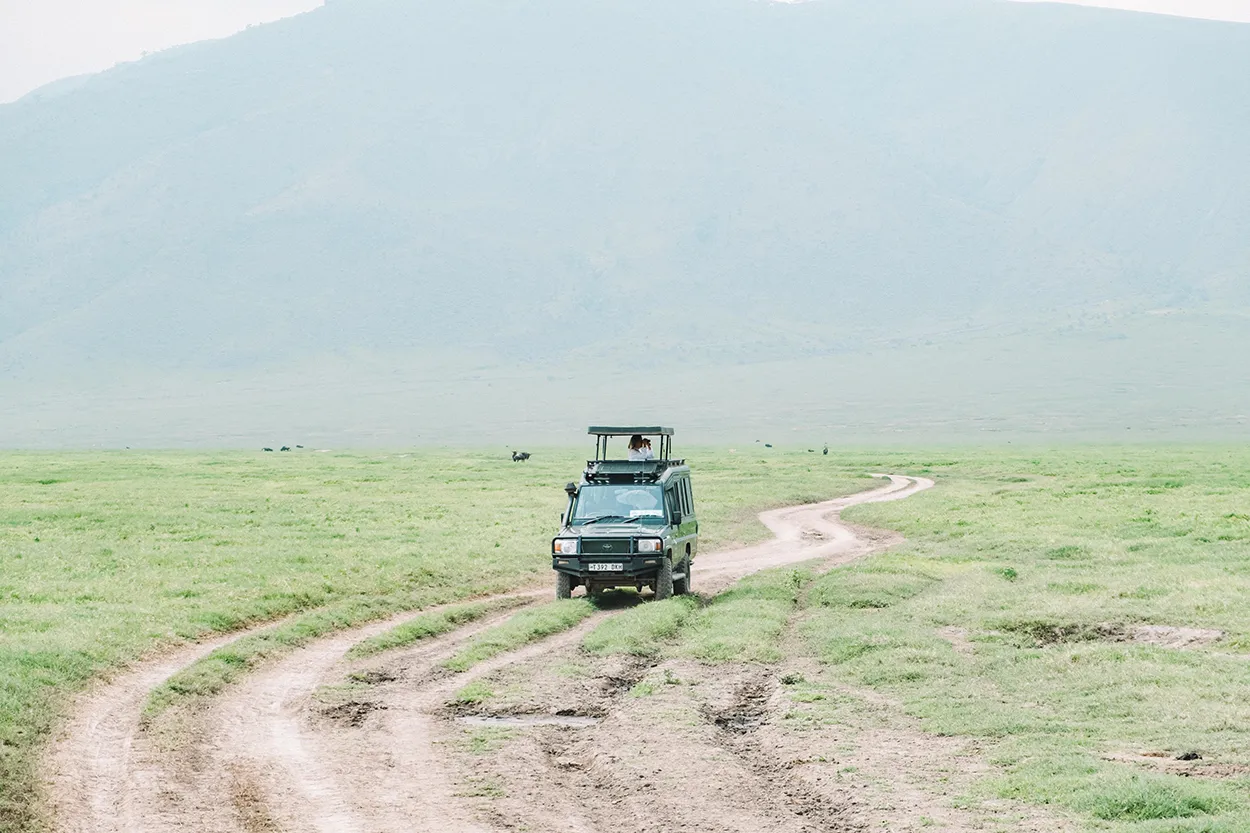
From Arusha, it’s a 3.5 to 4-hour drive on good roads or a short scheduled flight to nearby Lake Manyara or Karatu airstrips, followed by a transfer.
Our Reviews
People are talking about us.
The most famous safari co. you've (probably) never heard of.
Hidden Africa

Simply amazing. We have had 2 trips of a lifetime with Hidden Africa now, and plan on many more. Their … read more

I cannot recommend Hidden Africa and Chad highly enough! From the very first conversation, Chad was attentive, knowledgeable, and genuinely … read more

Geraldine worked with my friend Cheryl to arrange the most amazing Southern Africa trip. Geraldine even worked around some of … read more

How do you write a review for a travel agency that is above perfect? It's not hard! Hidden Africa listened … read more
HOW IT WORKS
Take a look around for a bit of inspiration.
Tell us what your dream safari looks like.
Next, your Personal Travel Planner will schedule a call to plan the perfect adventure.
Confirm your trip and get packing.
LET’S GET THIS SAFARI STARTED
Ready to go? Give us a shout and let’s start planning your next adventure. We’re almost as excited as you are.