The San are said to have called it “the land God made in anger.” Unfortunate early sailors gave it less poetic names, namely “the gates of hell”. Fog rolls in off the icy Atlantic, the wind never quite stops, and the beaches are scattered with the bleached bones of whales and the rusting ribs of ships that misjudged Namibia’s coastline. People say visitors cry twice here: once when they arrive, and again when they have to leave.
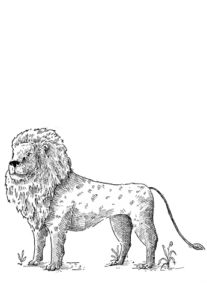
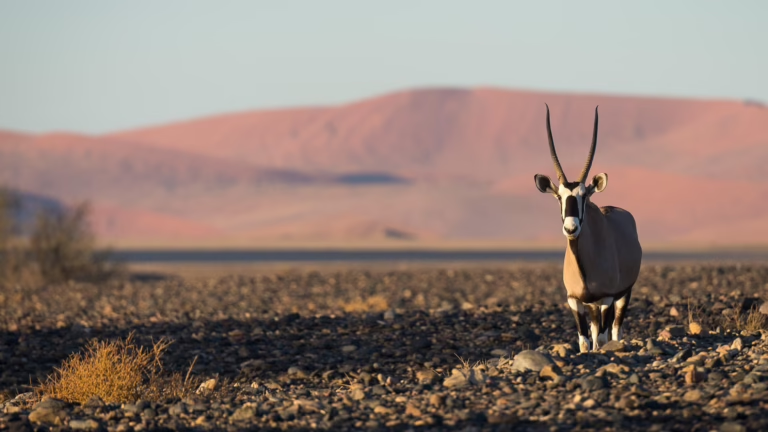
For somewhere so determined to look deserted, it’s remarkably busy. Cape fur seals gather in their thousands, barking and bickering at the water’s edge, while jackals and brown hyenas patrol the shoreline looking for an easy meal. Miraculously, the odd desert-adapted lion has even been seen, padding across the dunes here. Seeing a very big cat in a very, very big sandpit has a way of rearranging your sense of what’s possible.
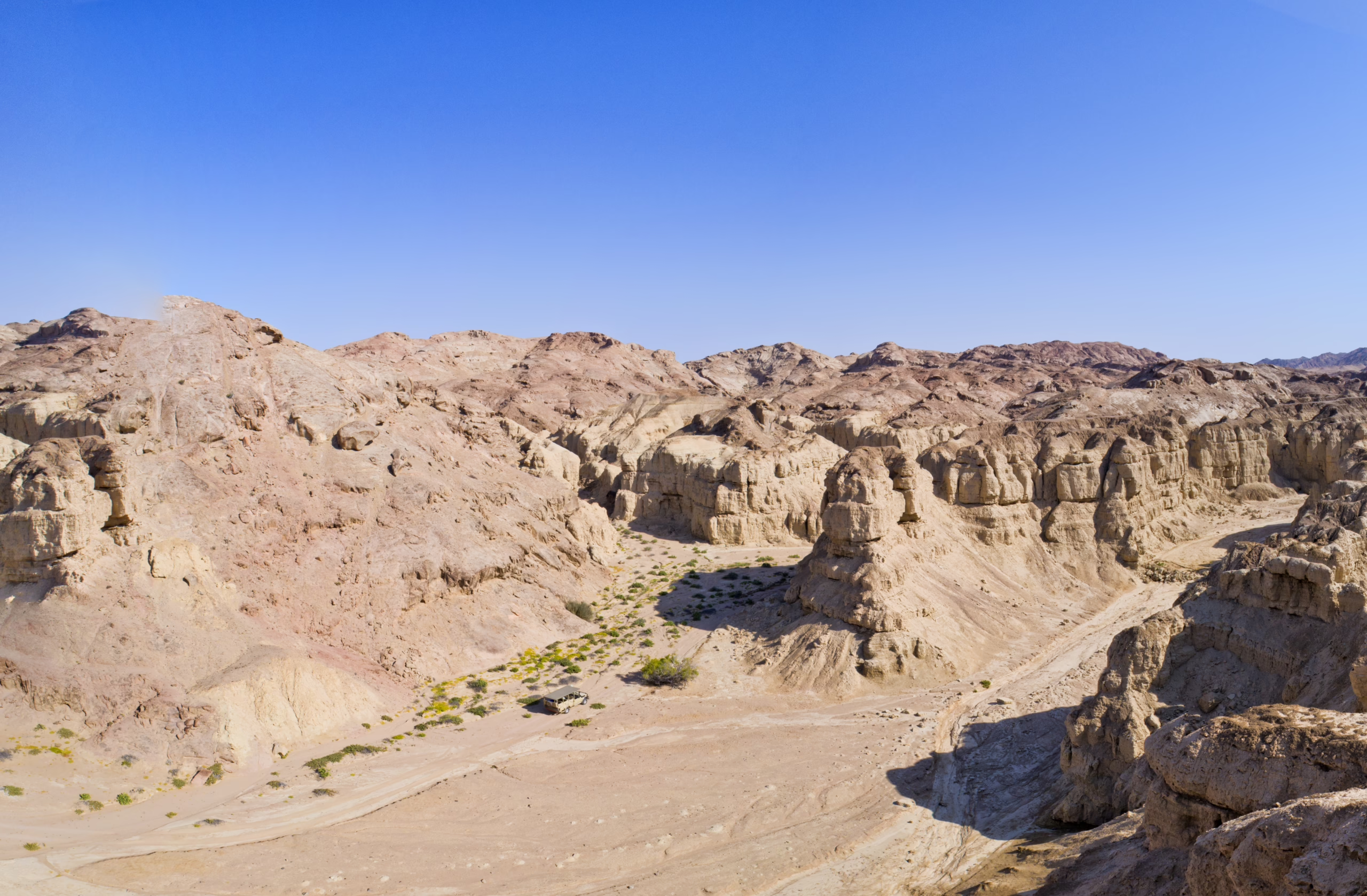
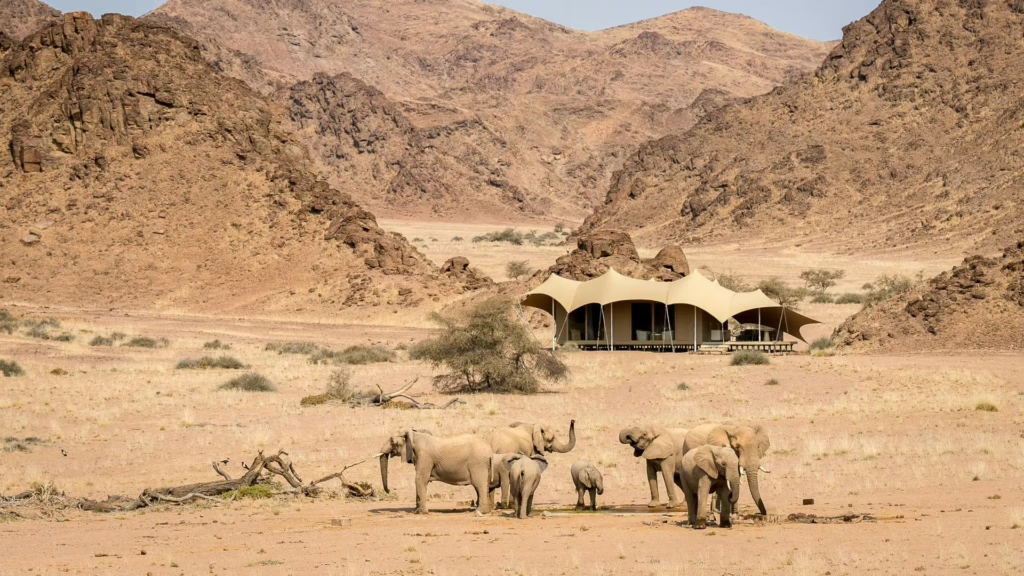
The Skeleton Coast National Park runs from the Ugab River in the south to the Kunene River on the Angolan border. Inland, the Kaokoveld unfolds in waves of rock and sand, broken only by thin ribbons of green where trees follow long-dry riverbeds down to the sea. Along these riverbeds, desert elephants, giraffes, and black rhinos come to browse. Elephants have even been known to rise on their hind legs to reach the ana tree’s prized seed pods – a sight to be seen.
This is also home to the semi-nomadic Himba, who have made a life in this harsh, beautiful land for centuries. Their cattle, ochre-red skin, and deep knowledge of the desert remind you that, out here, humans have had to adapt as cleverly as the wildlife. Eerie, magical and utterly unforgettable, this is Namibia at its most mysterious.