Welcome to the Lower Zambezi. In the great lexicon of innocent questions asked by first-time safari-goers, “How do you keep the grass and trees so neat?” ranks near the top. It comes from the purest of hearts, and the guides, who have heard them all, gently explain that it’s the impalas. They’re tidy grazers and browsers. Also very attractive. And very fast, especially with a pride of determined lionesses in hot pursuit.
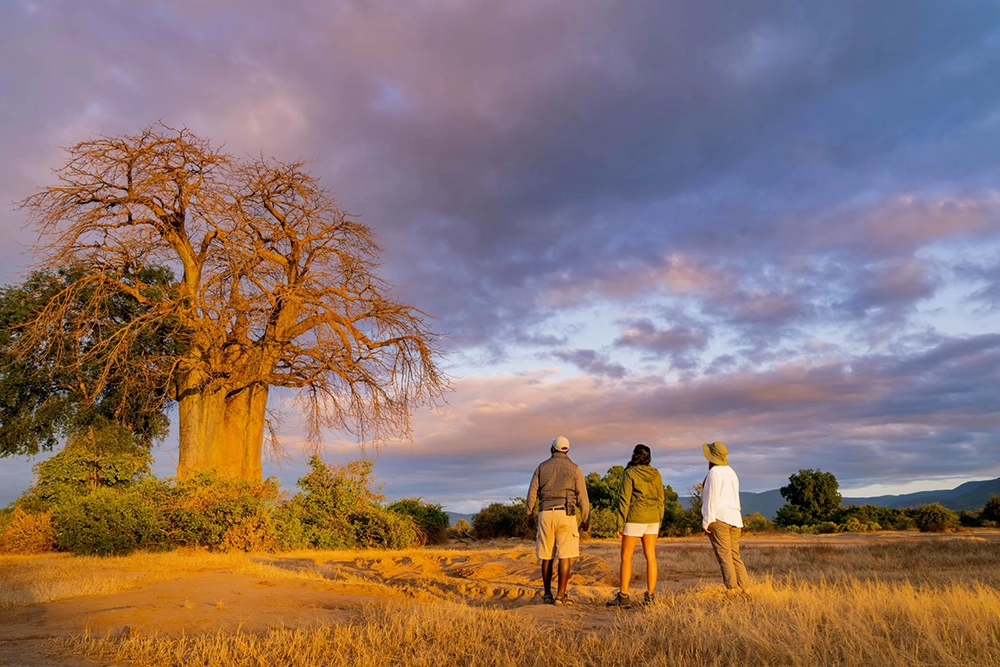
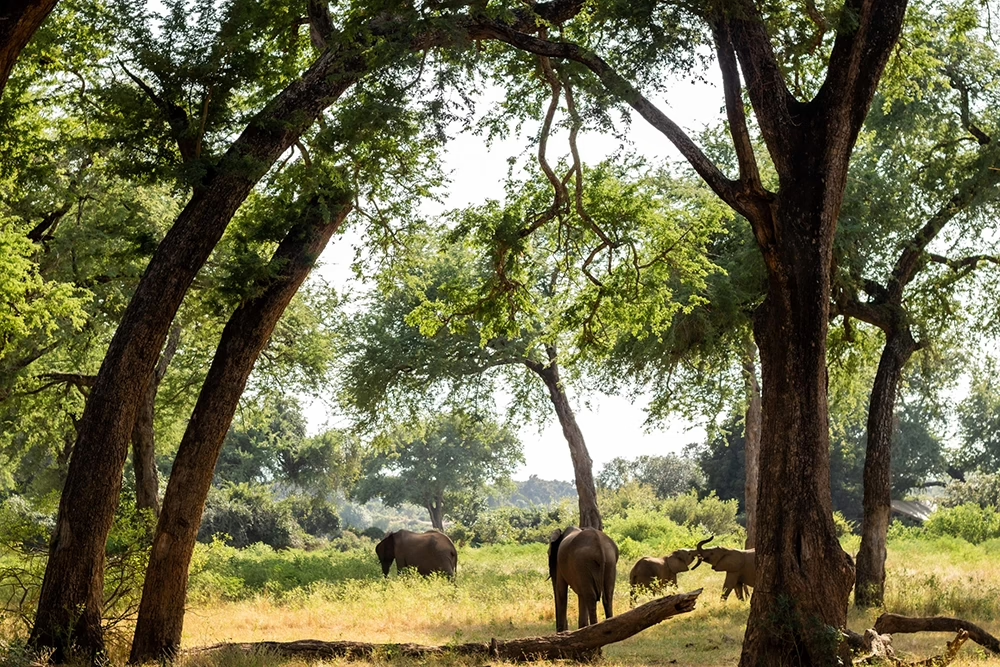
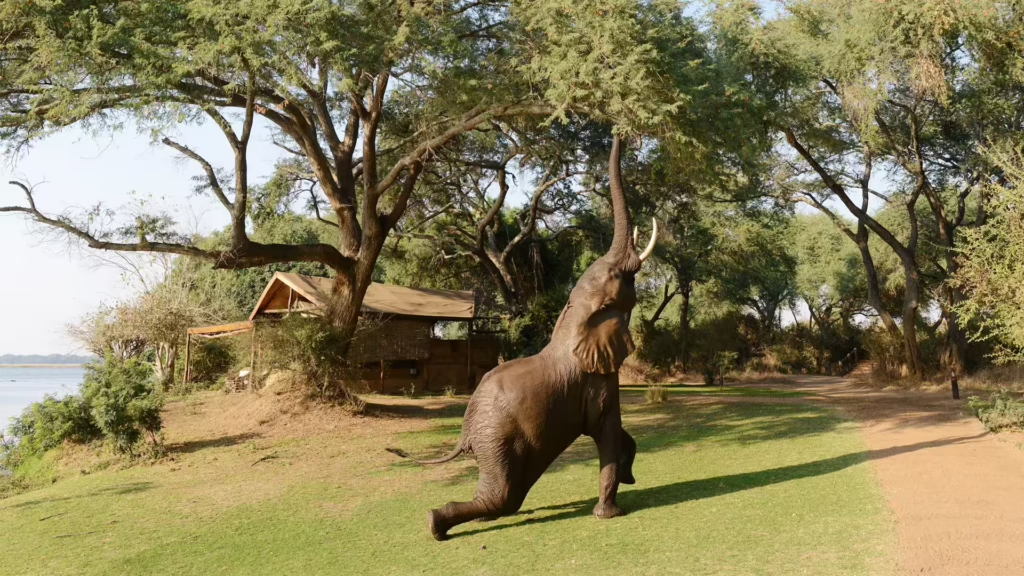
And hot it is. Zambia’s sultry Lower Zambezi National Park sits directly across the river from Mana Pools in Zimbabwe, so the two banks together make one enormous wildlife sanctuary. Its charm is that it’s gloriously undeveloped: classic, unfussed African bush, much as it’s always been. Giant ebony and fig trees crowd the riverbanks. Out on the floodplain, winterthorn acacias stand like oversized garden umbrellas. Elephants adore their pods and kindly replant the seeds wherever they wander. Behind it all rises the escarpment, steep enough to keep most animals on the valley floor, which suits visitors just fine.
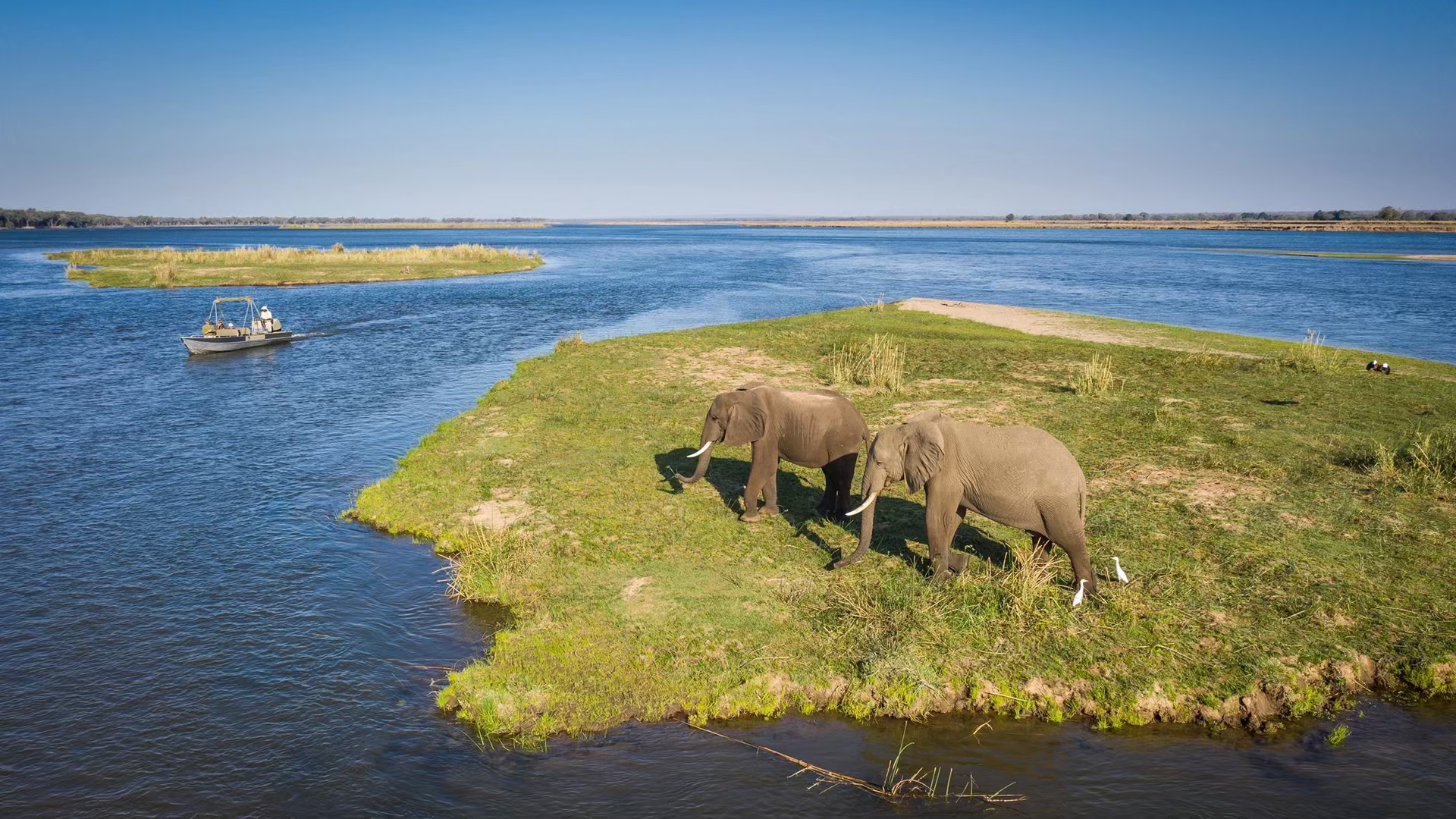
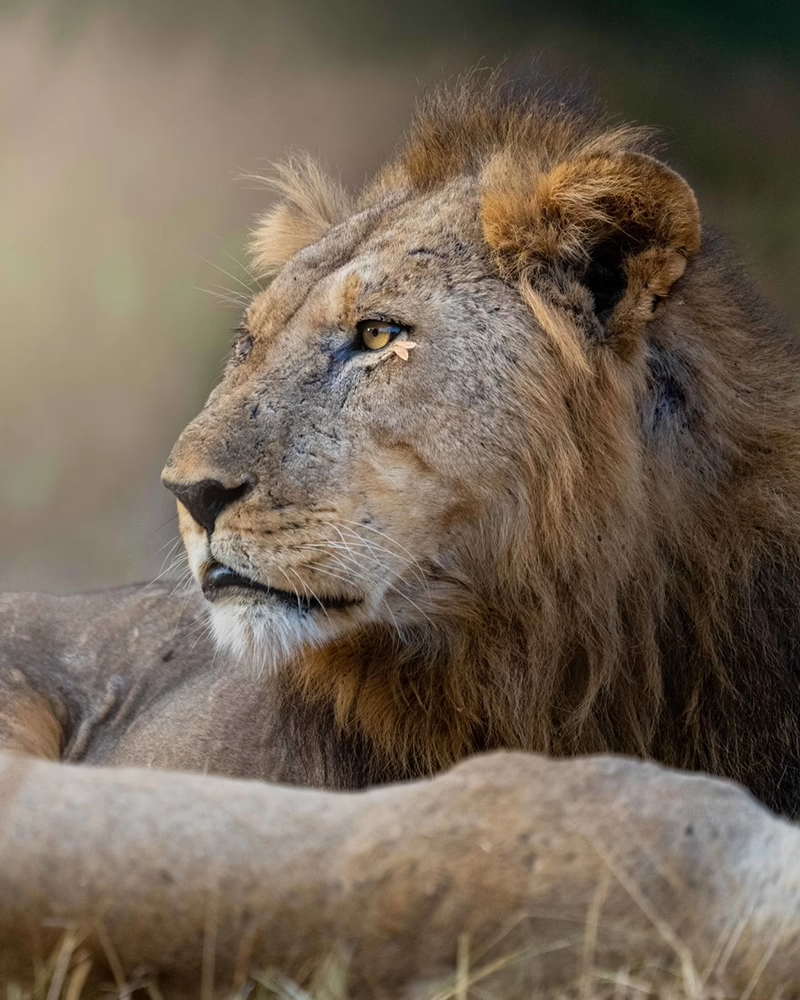
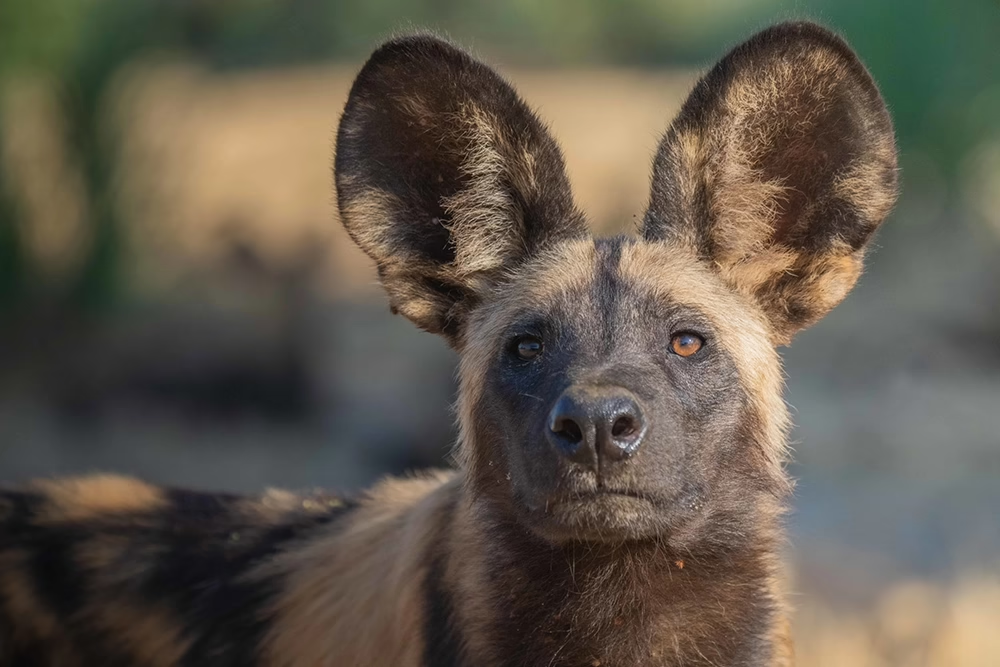
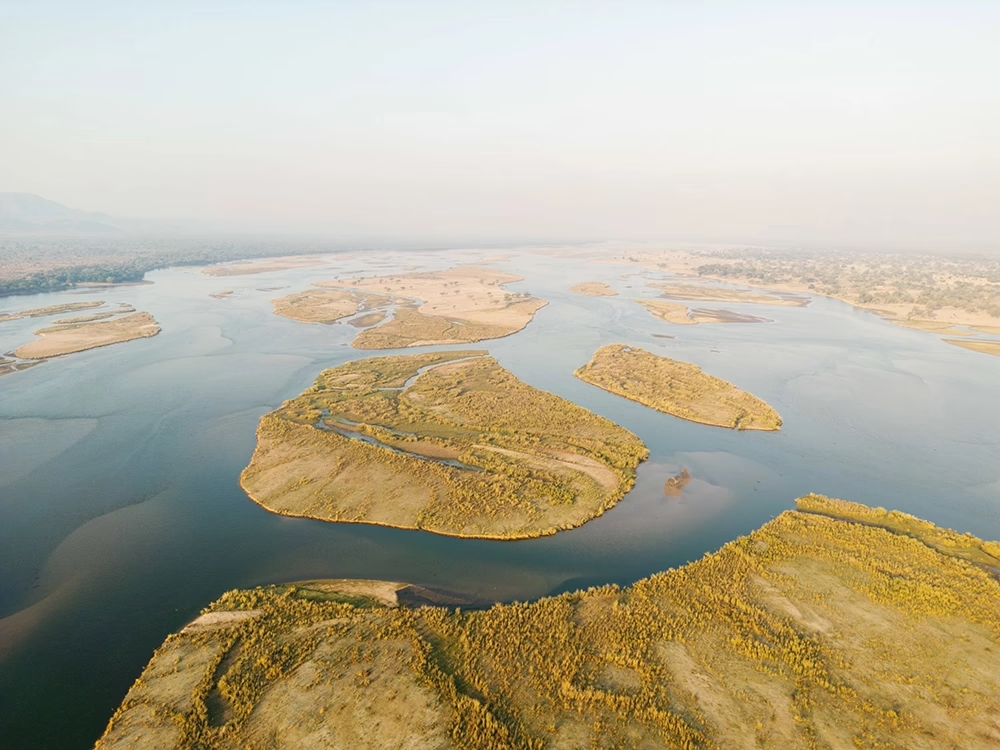
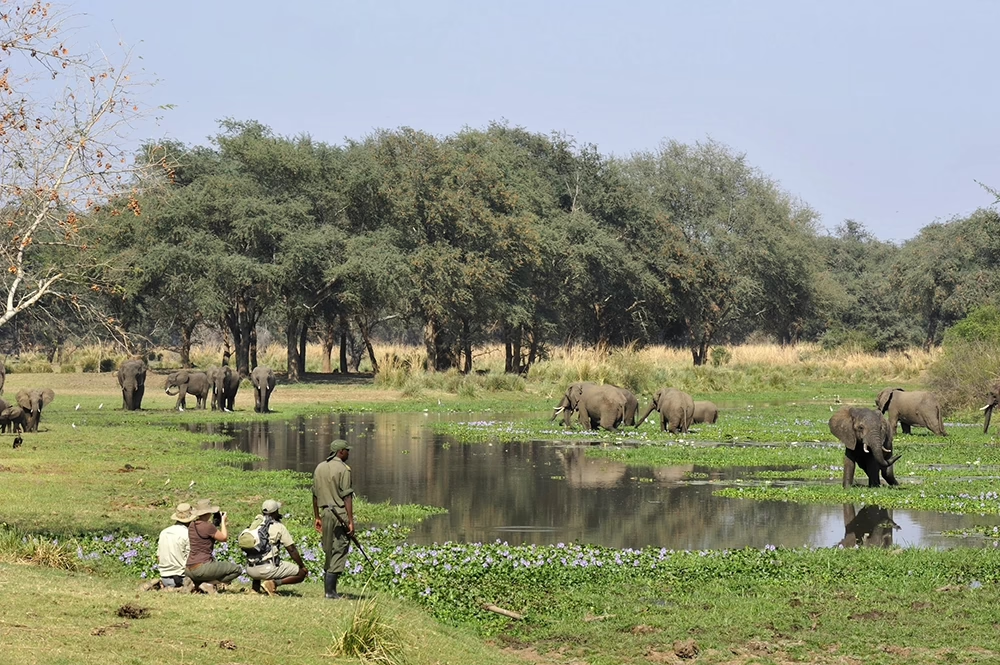
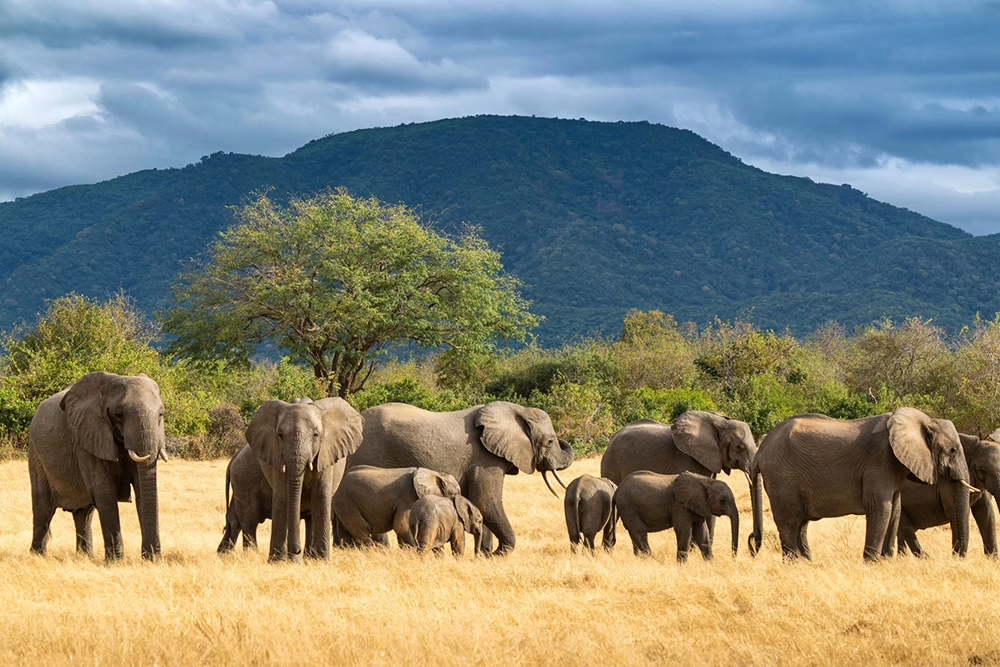
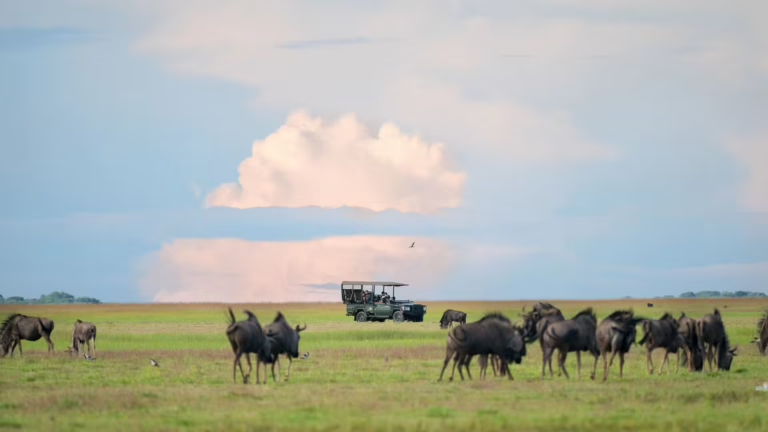
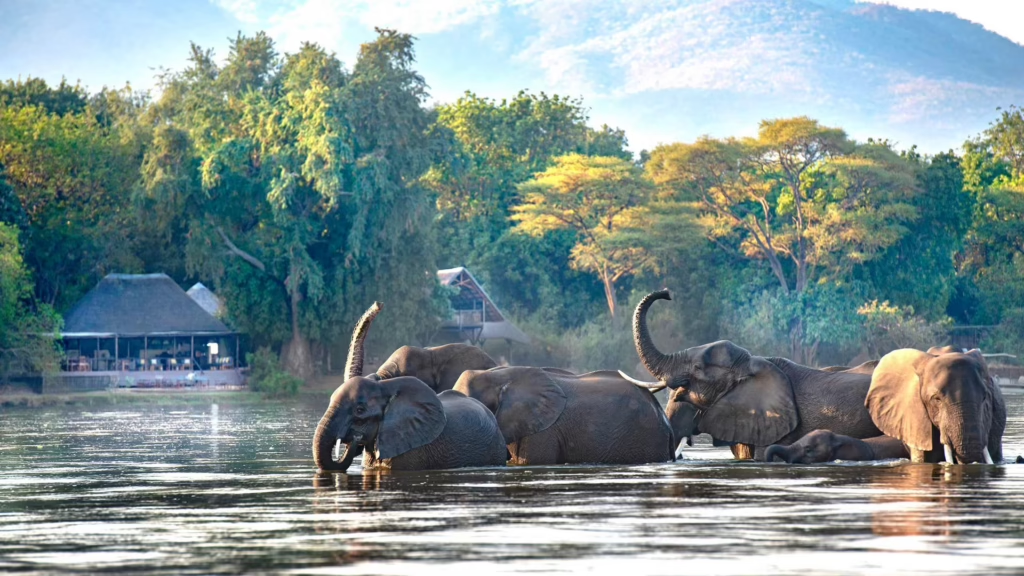
Elephant herds up to a hundred strong feed beneath the canopy and wade out to the islands. Island-hopping buffalo and waterbuck slosh across the shallow channels, which is a thrilling prospect given the flotillas of crocodiles lurking in attendance. Lions and leopards patrol the floodplains, wild dogs turn up when the mood takes them, and the African fish eagle provides the soundtrack. What you won’t find here is giraffes. The hilly terrain doesn’t agree with them, so the park has famously done without them.
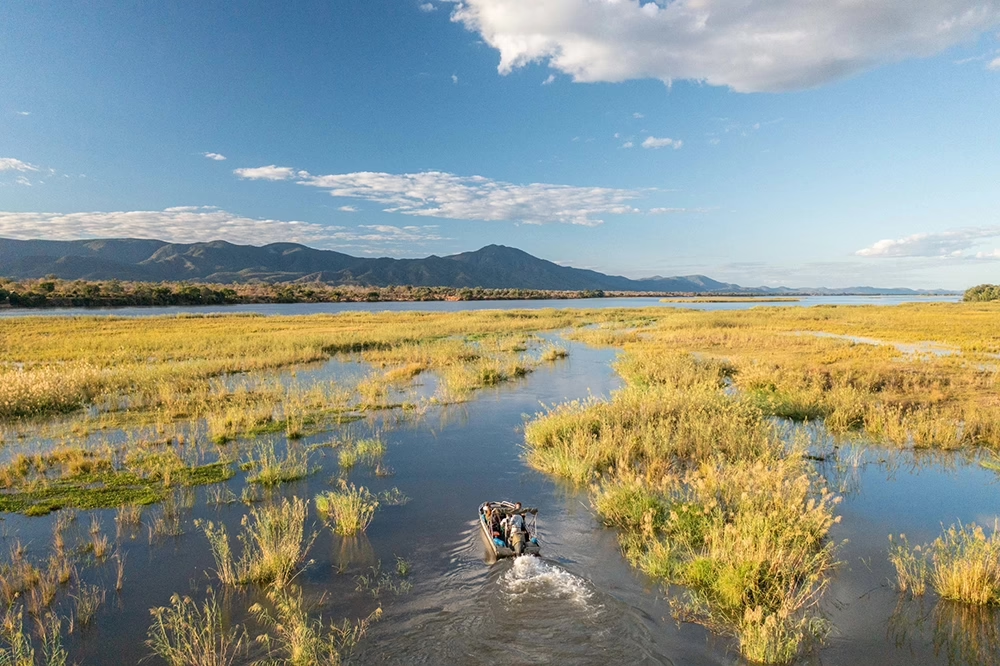
By African river standards, this stretch of the Zambezi is calm and well-mannered, so one of the best ways to explore it is by canoe. Drift silently through the channels past grazing elephants, while carmine bee-eaters flash scarlet around their nests on the riverbanks. Just don’t mistake calm for tame. A safari in the Lower Zambezi is a wild, unforgiving wilderness that harks back to a far less gentle era. Which is precisely the point.