Setting the Scene
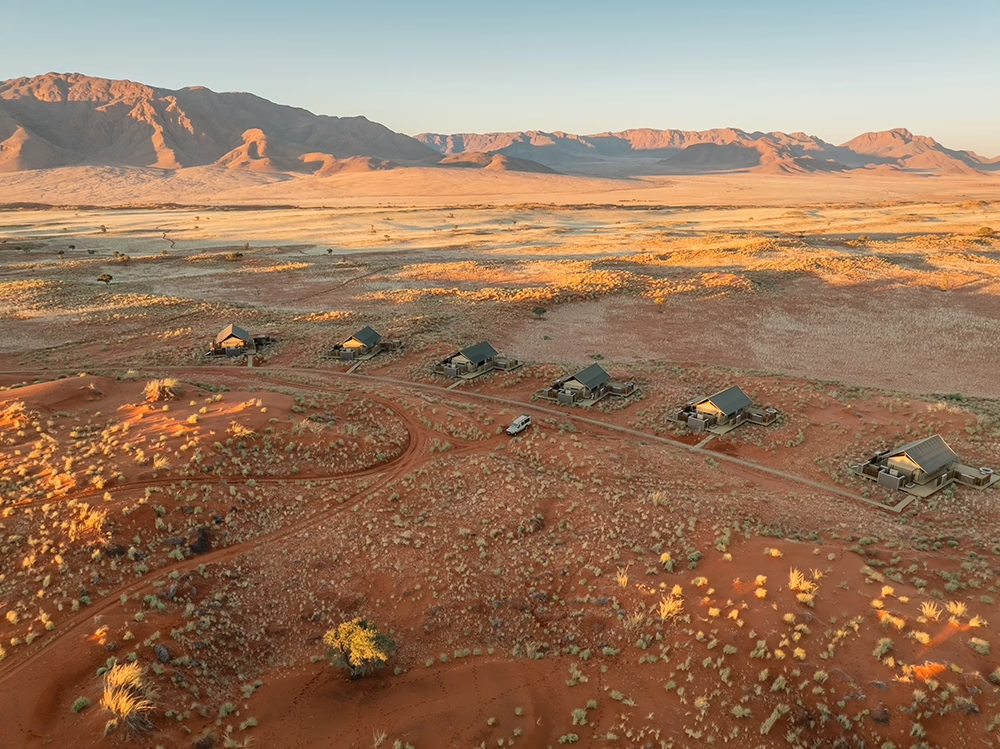
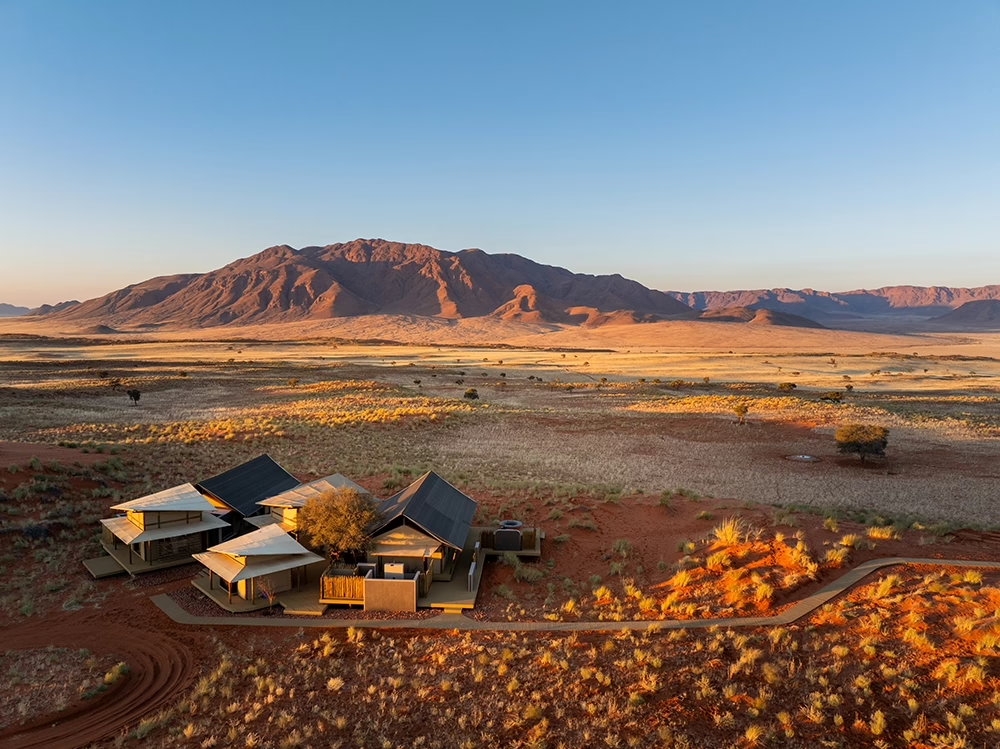
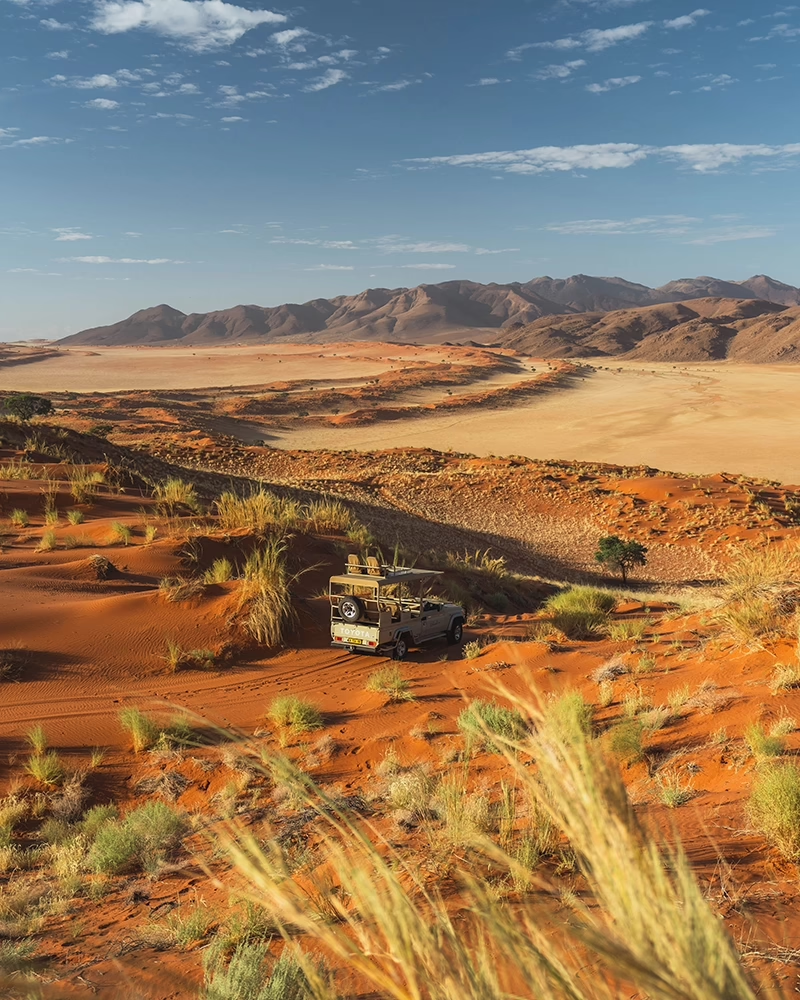
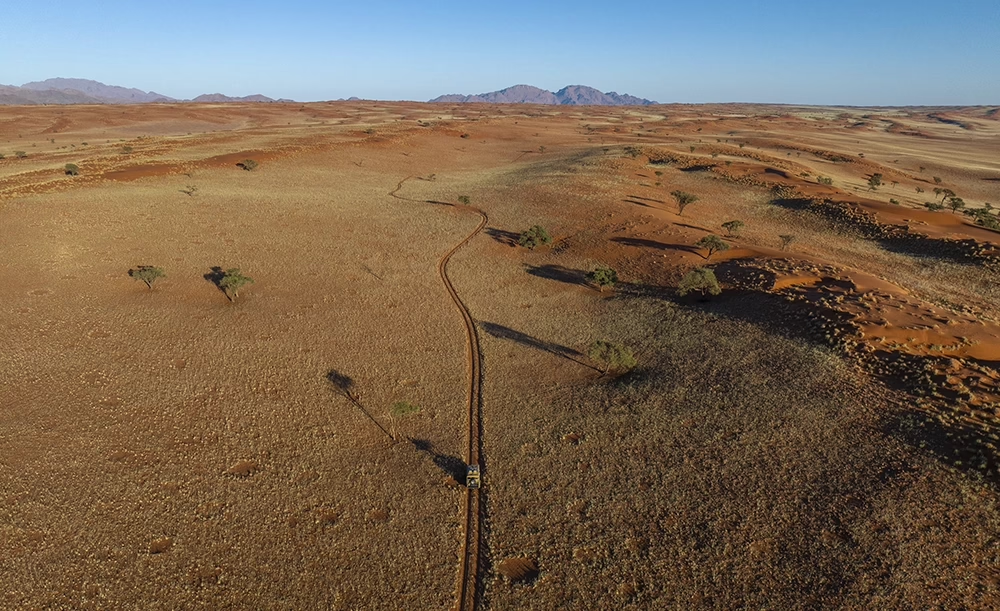
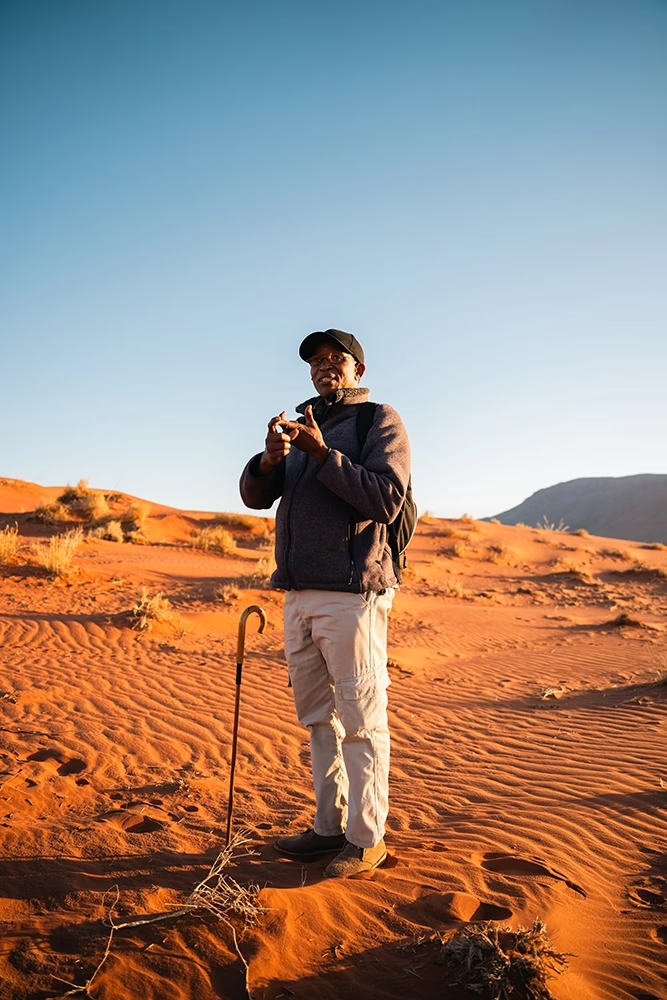
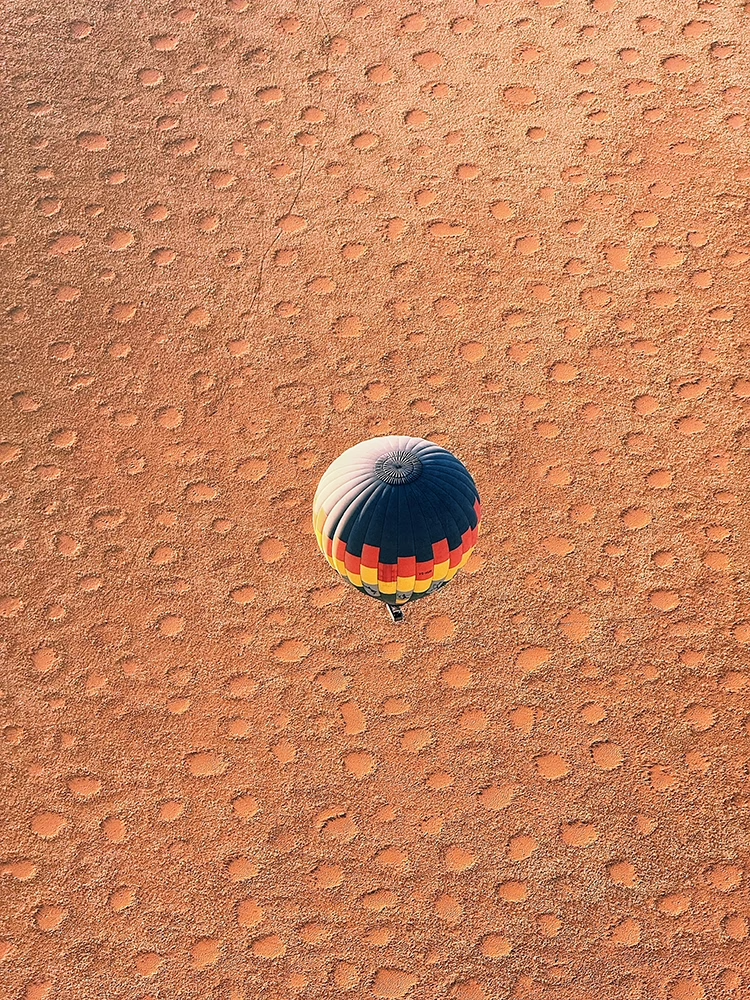
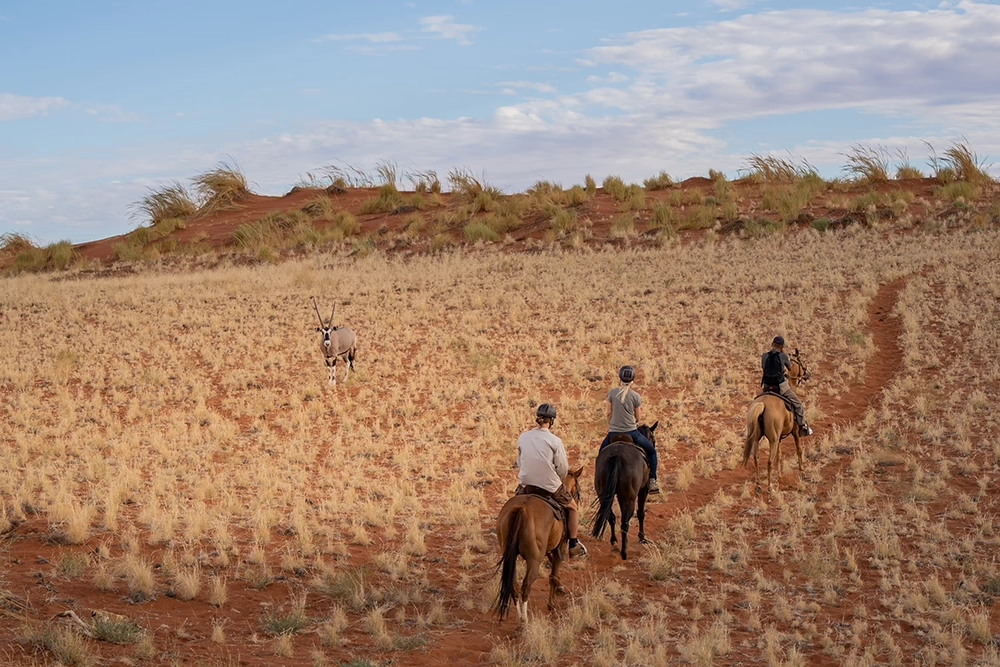
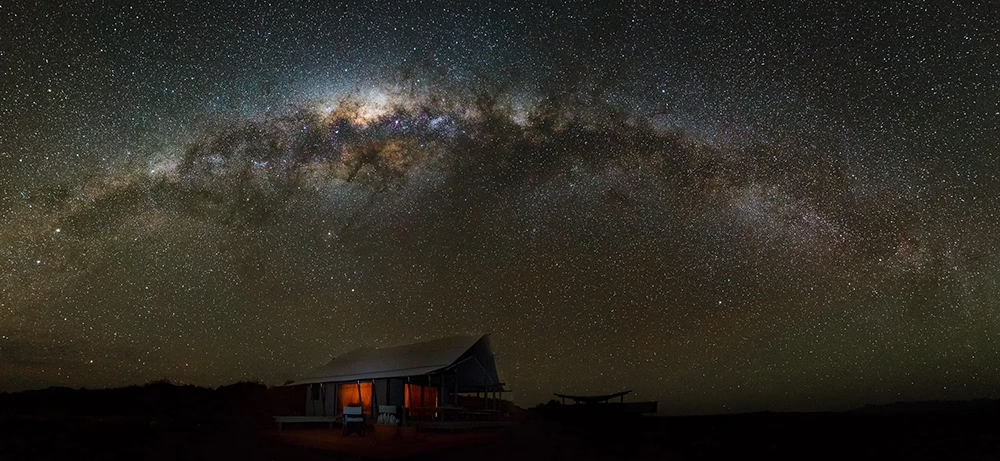
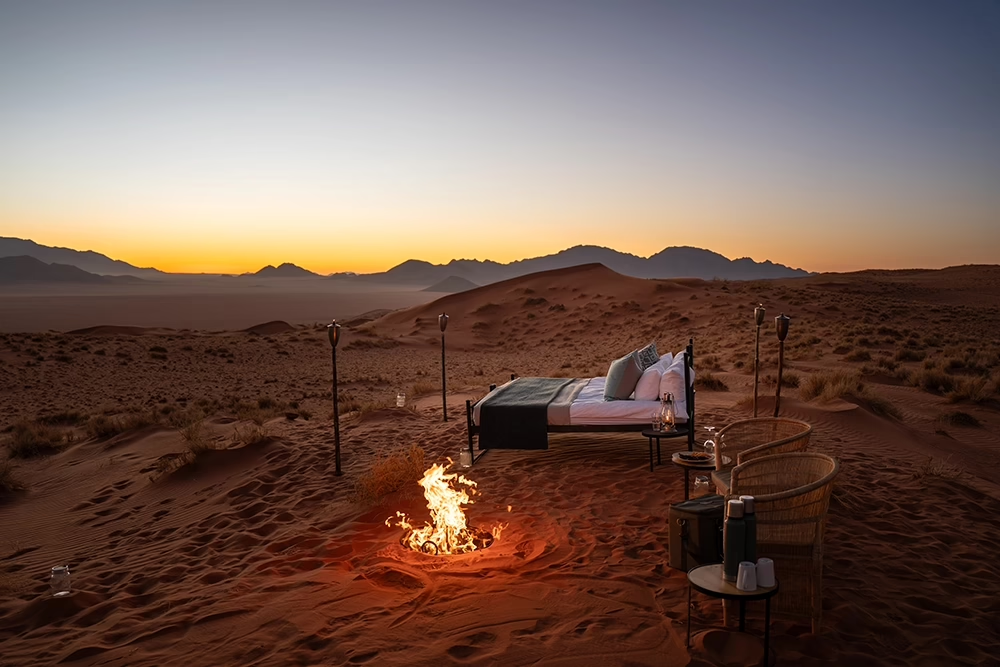
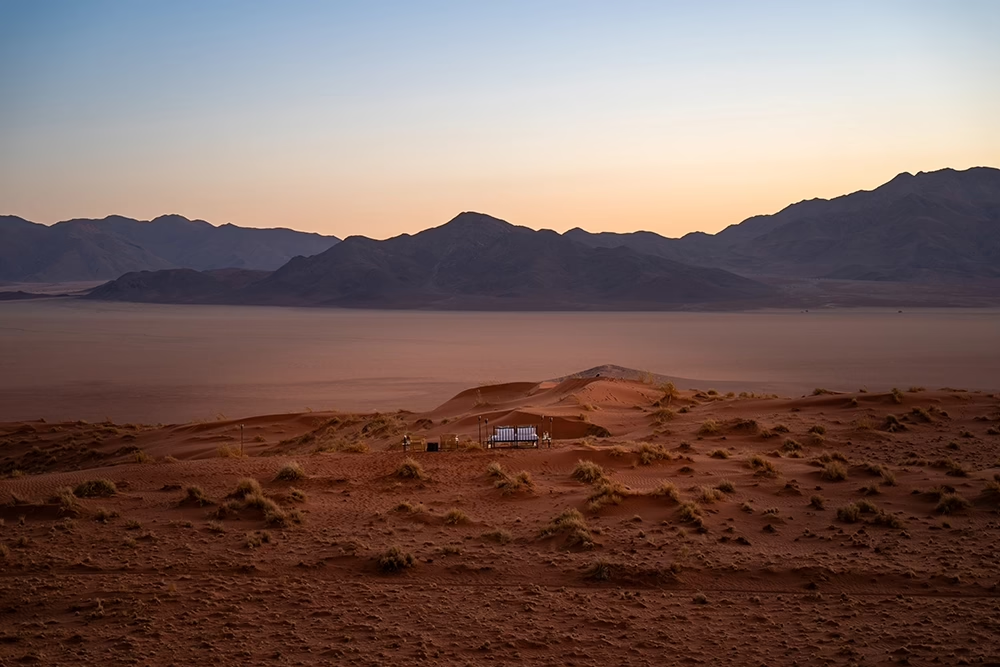
The original Wolwedans property, the seven-tent Dune Camp, rests on the edge of a 250-metre-high sand dune in the vast Namib Desert. If remoteness appeals (looking at you, burnt-out city slickers), this camp is the tonic (and it also goes great with gin). Sit on top of a towering dune and listen to precisely nothing — a sound most city dwellers have entirely forgotten exists. Head out on drives to find hardy oryx and maybe a herd of springbok, go for a walk with an Indigenous San Bushman guide, and take to the sky for an unreal hot air balloon flight. The reserve is so far from anywhere; at night, it becomes one of the darkest places you’re ever likely to visit.
Nesting arrangements
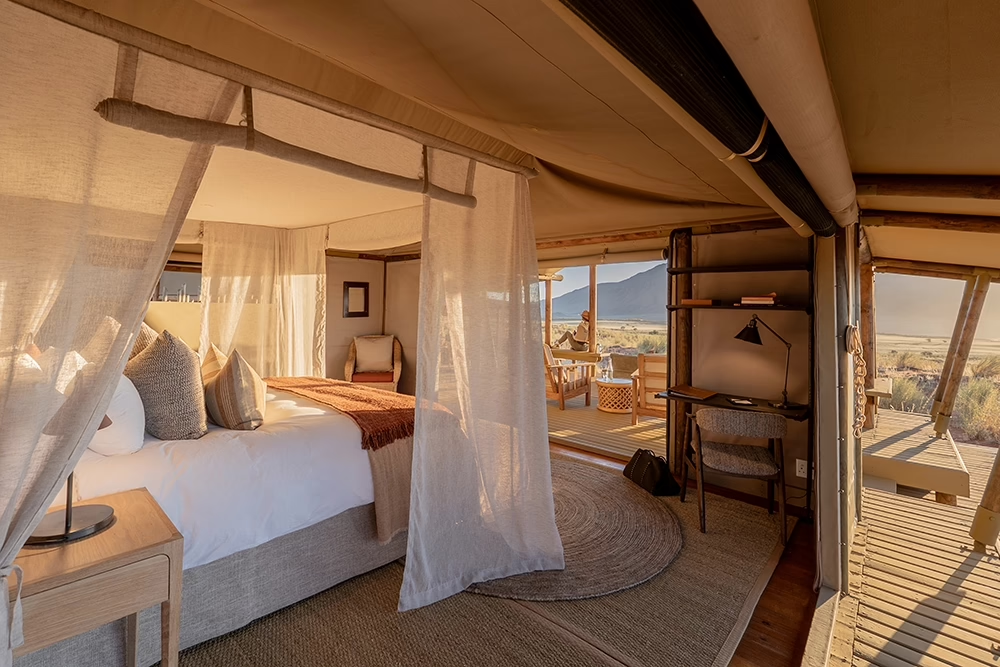
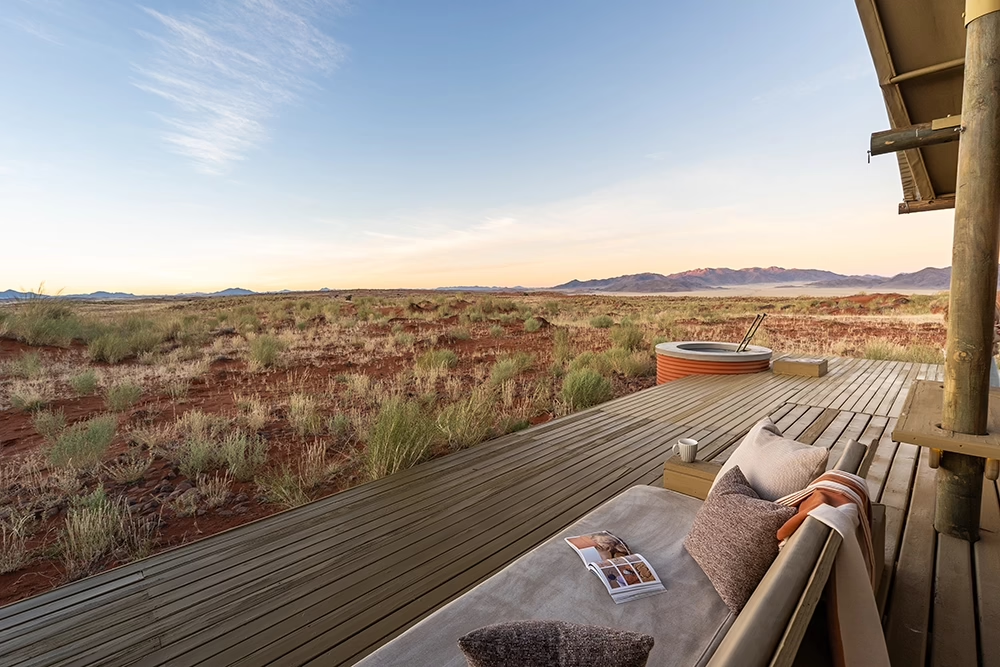
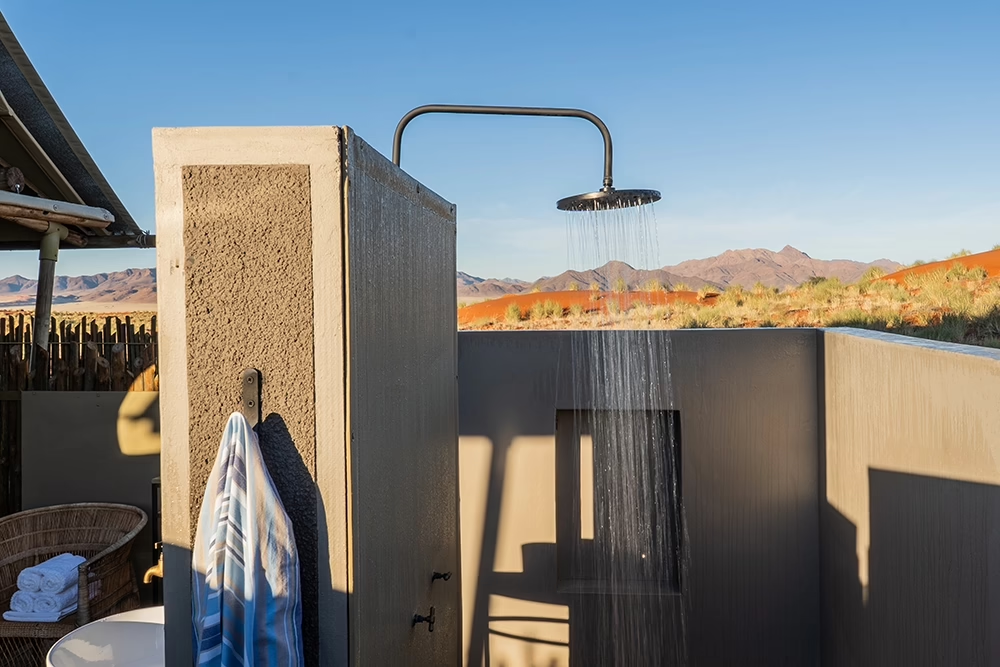
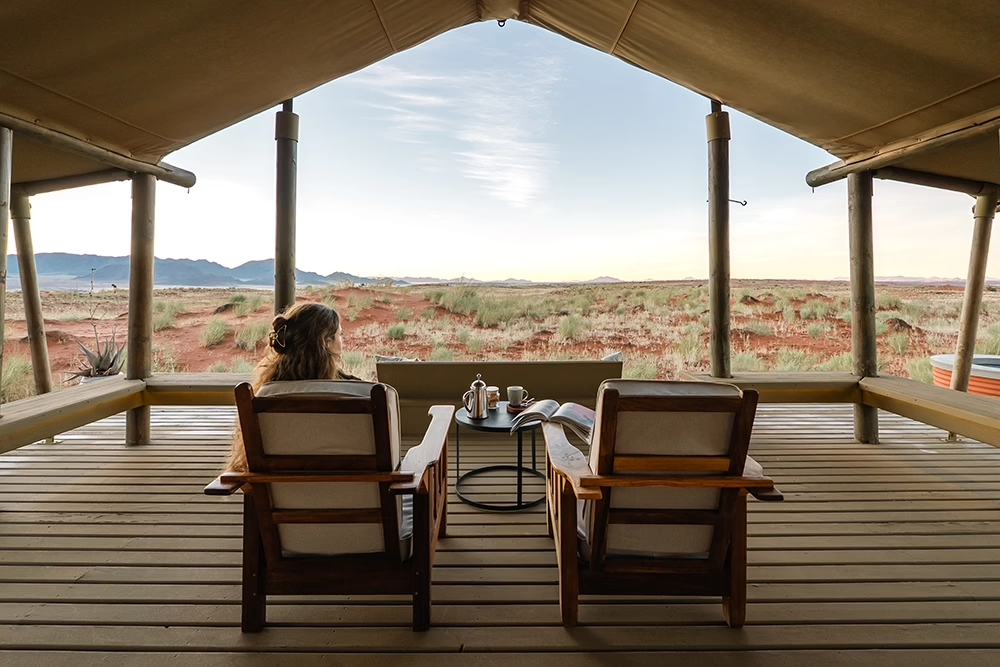
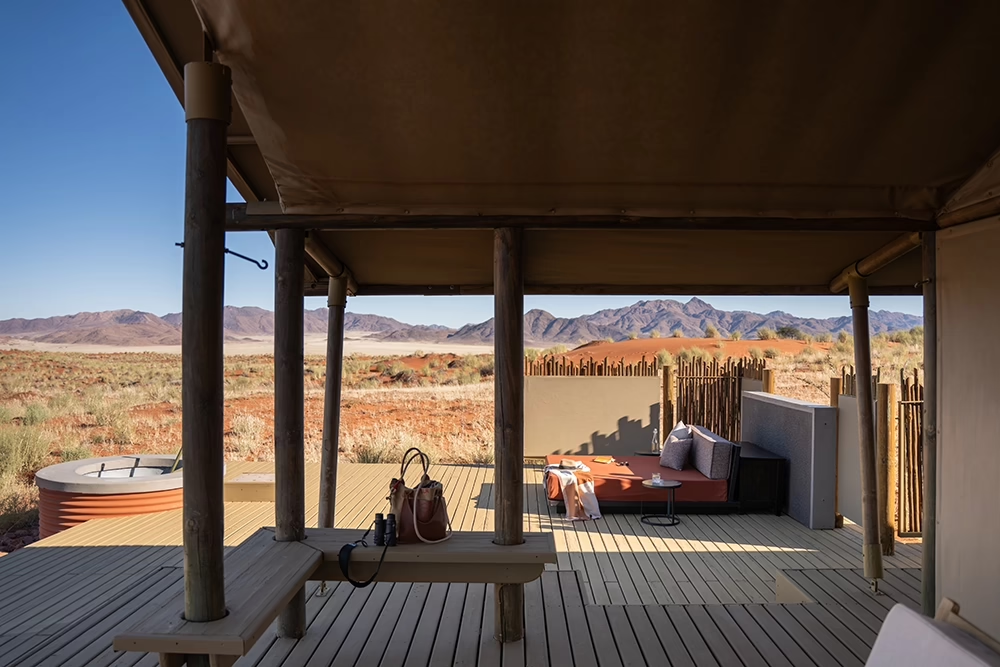
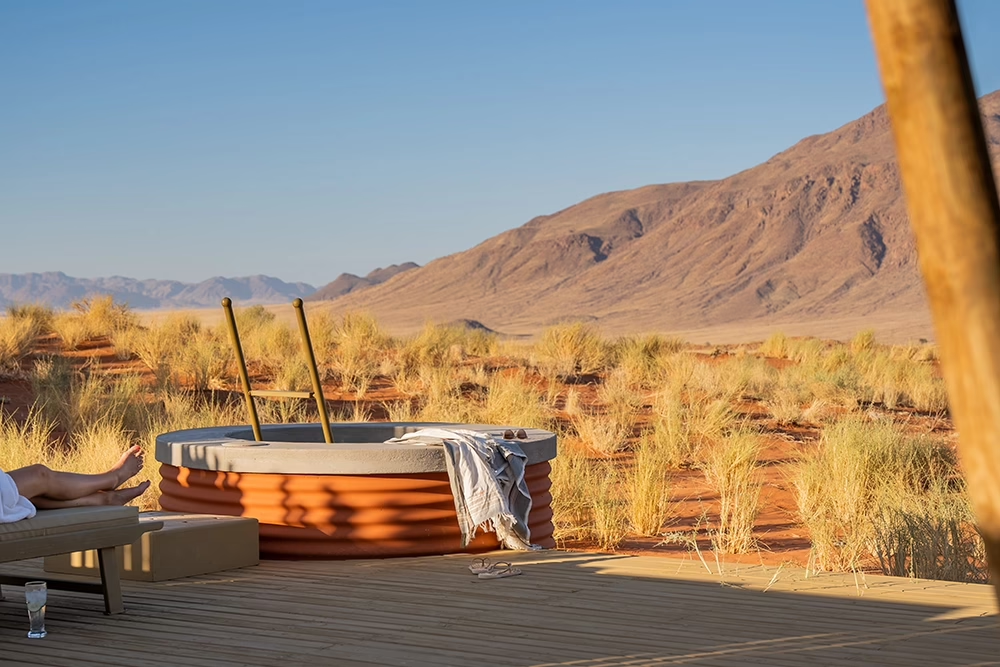
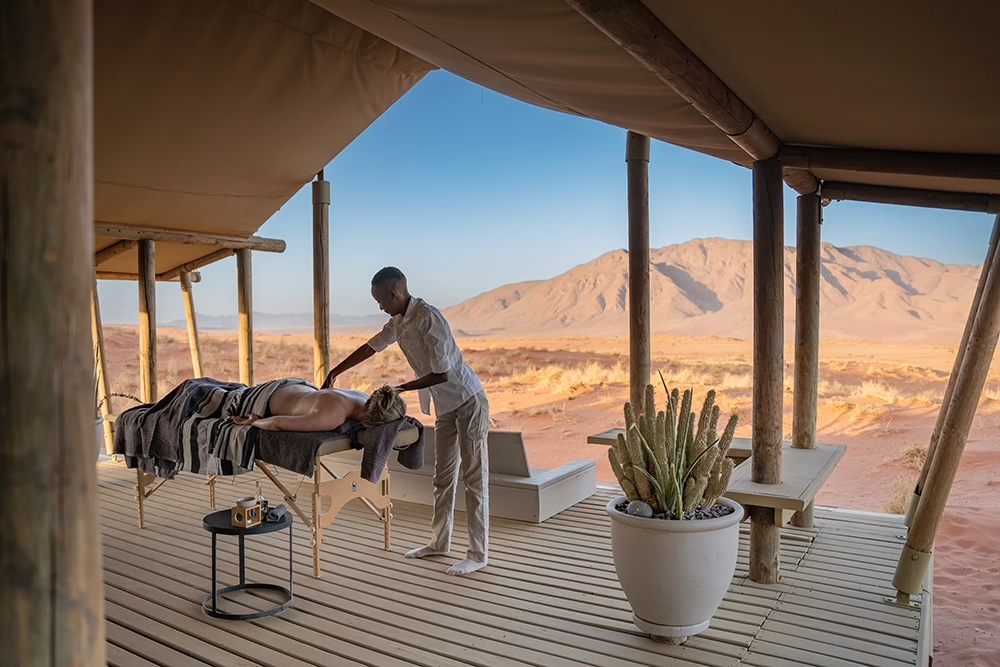
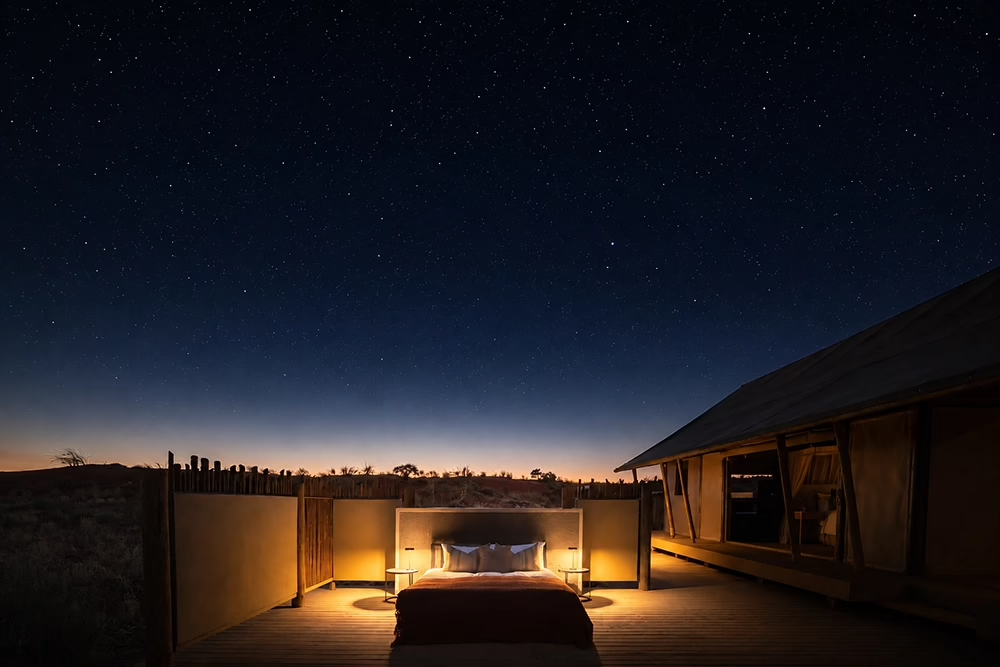
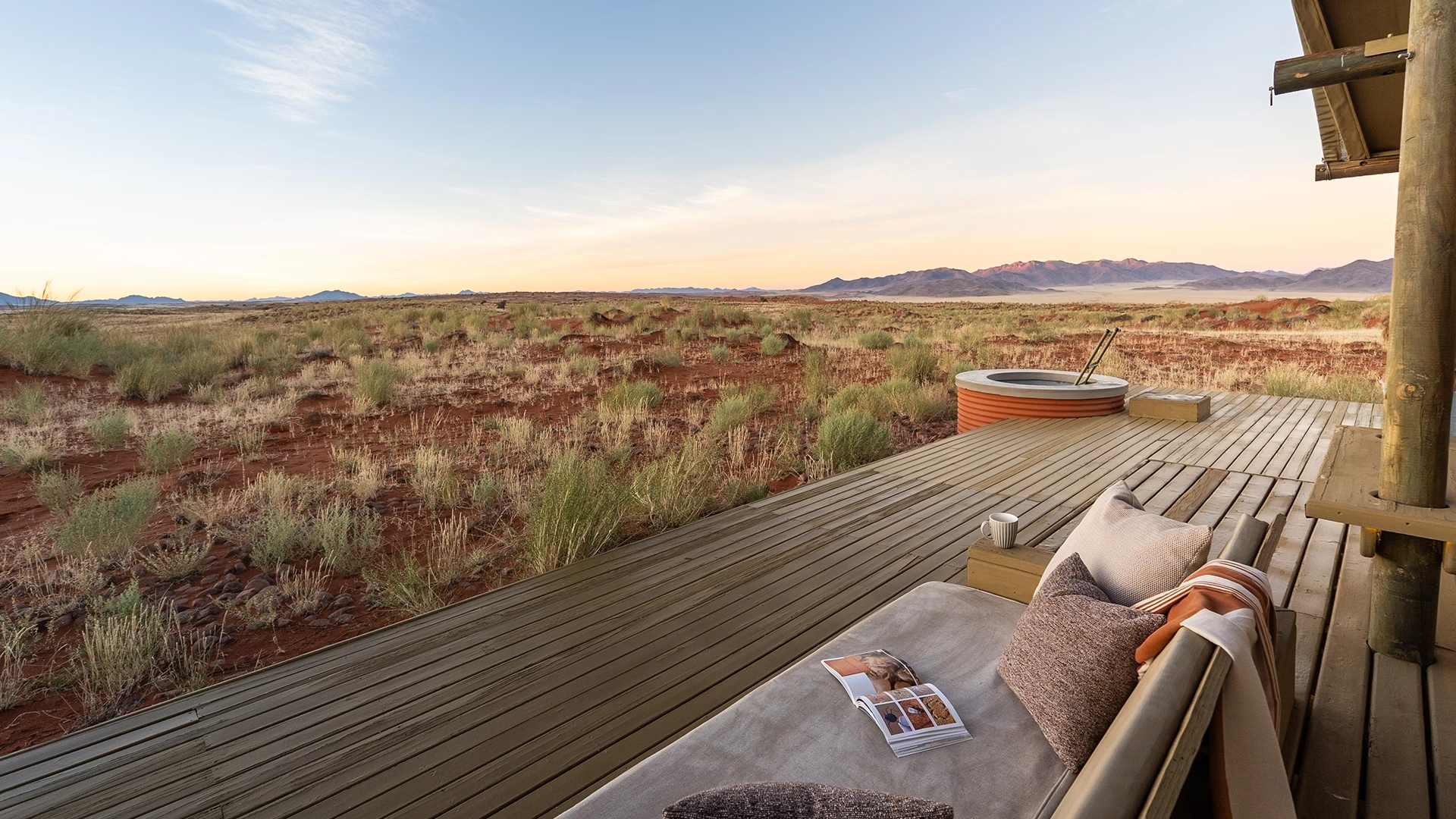
Dune Camp has seven tented suites: six doubles and one two-bedroom family suite. On wooden platforms, the tents have large decks with a mini water silo for a swift plunge to cool off, plus daybeds that can be set up for a night sleeping under the stars.
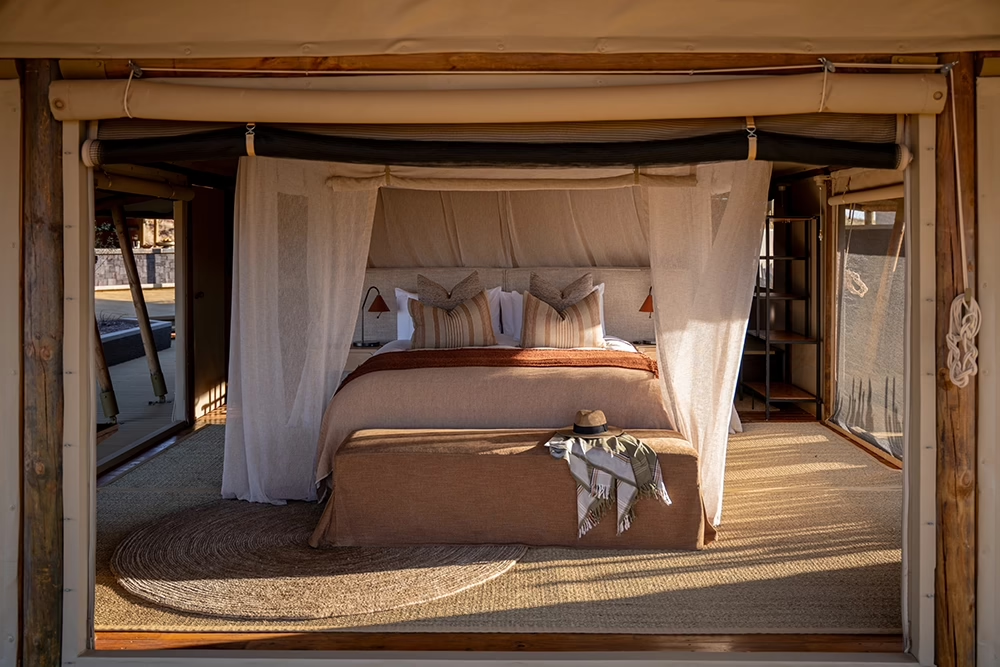
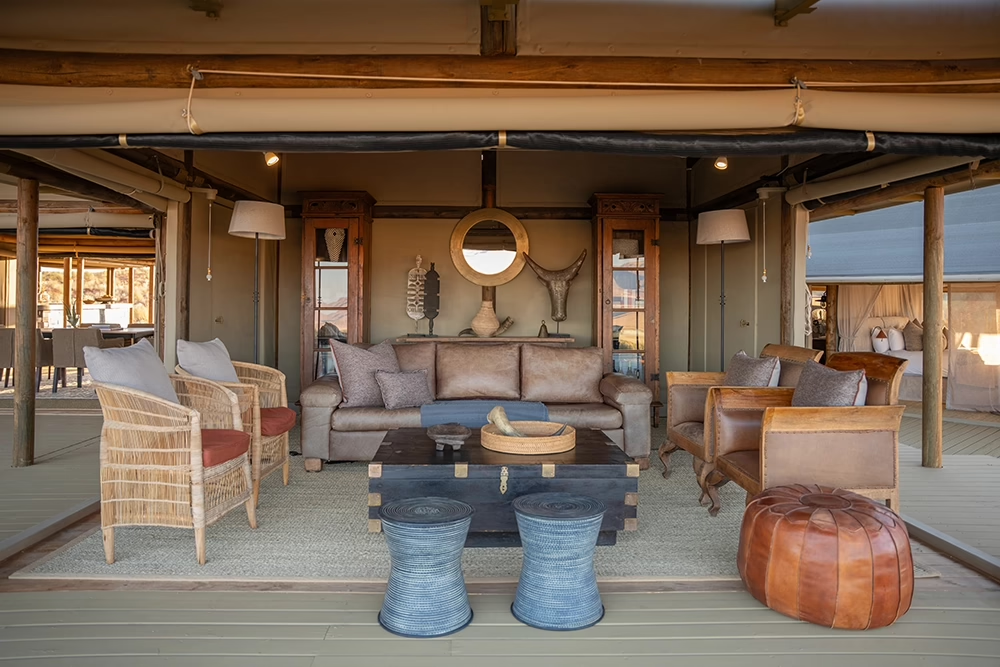
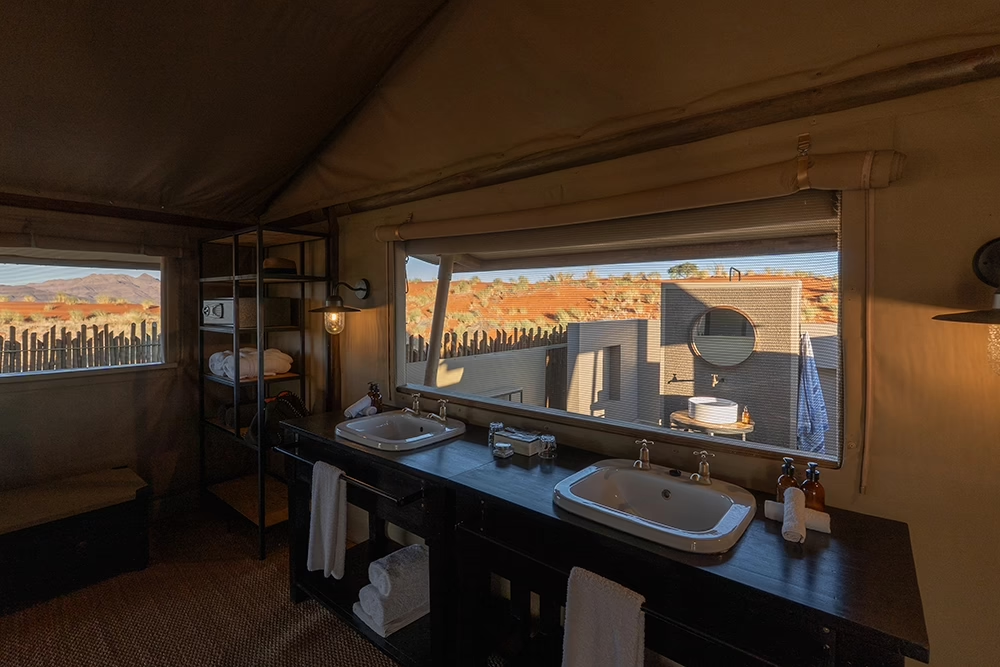
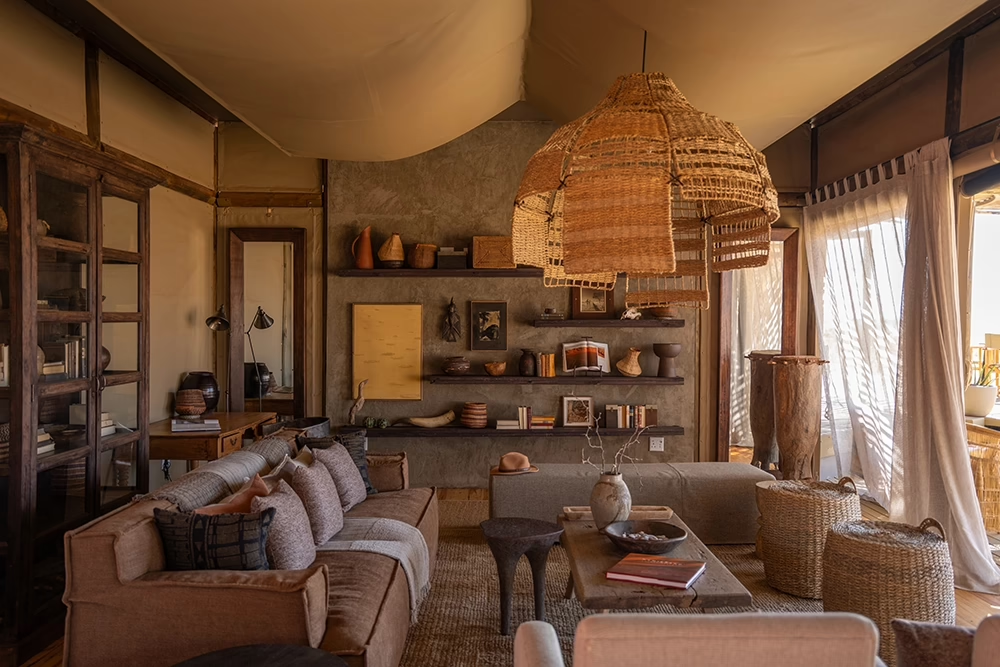
Inside, there are king-size beds and ensuite bathrooms. Soft furnishings come in every shade of desert — terracotta, tan, beige — because nobody wants their tent clashing with a 250-metre dune. The family suite even has its own kitchen and dining area, for when you’d rather not share breakfast with strangers, however charming they turn out to be.
Food philosophy
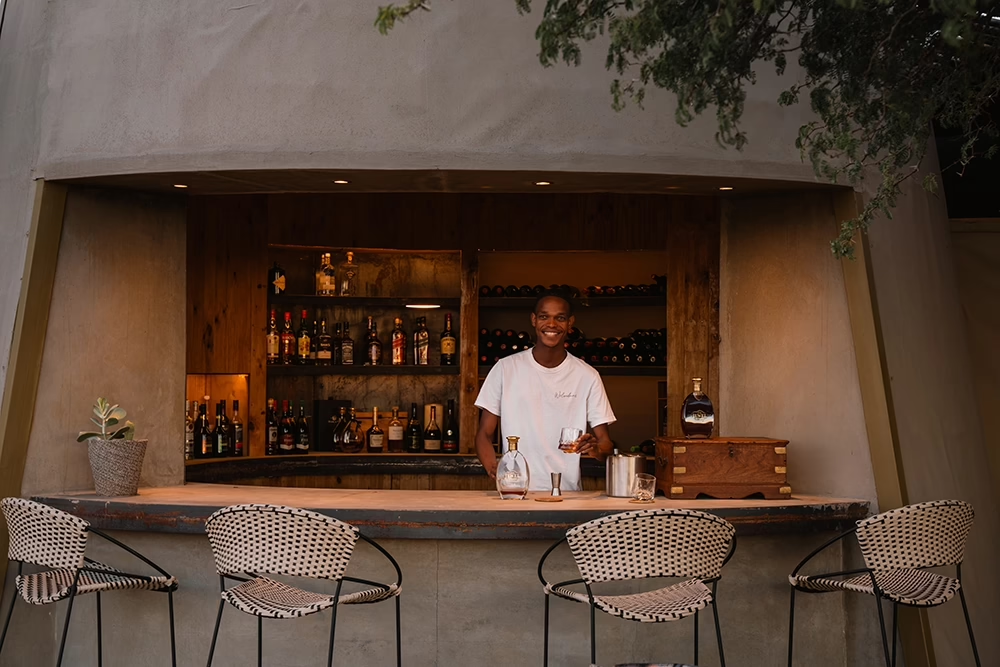
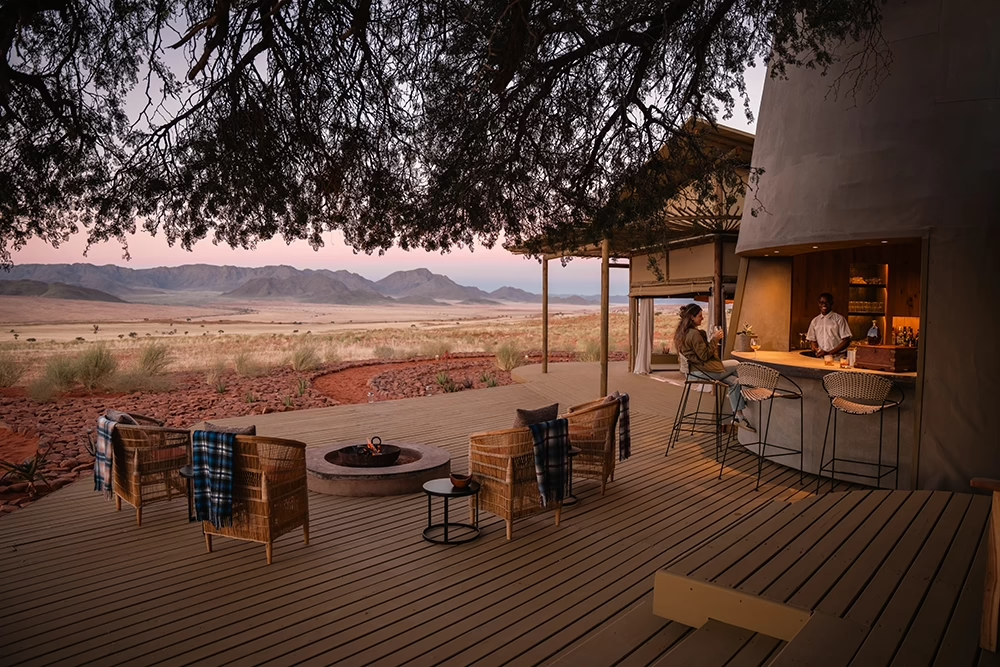
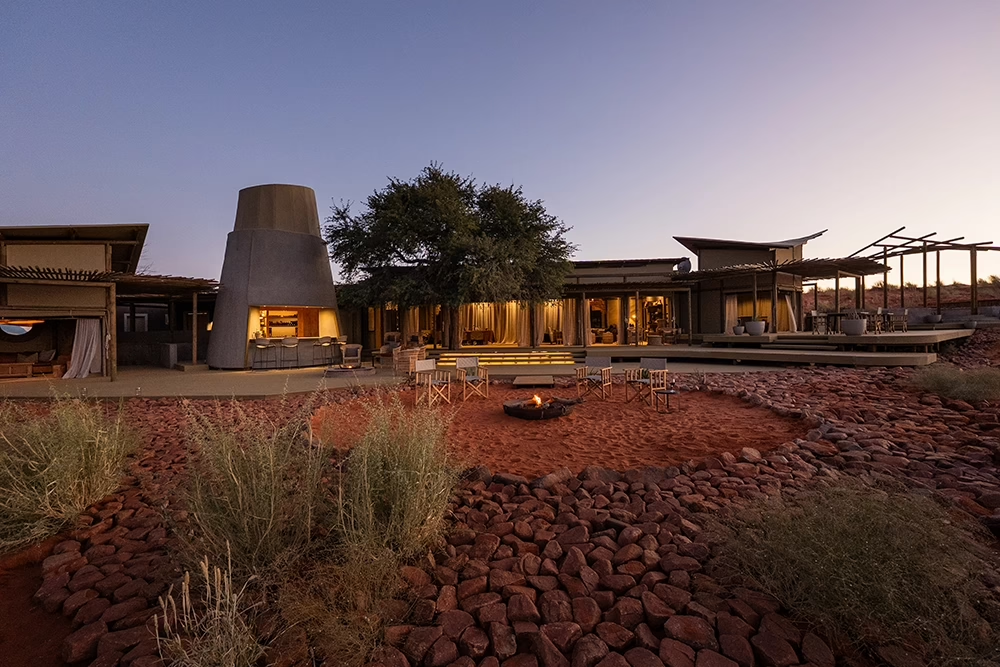
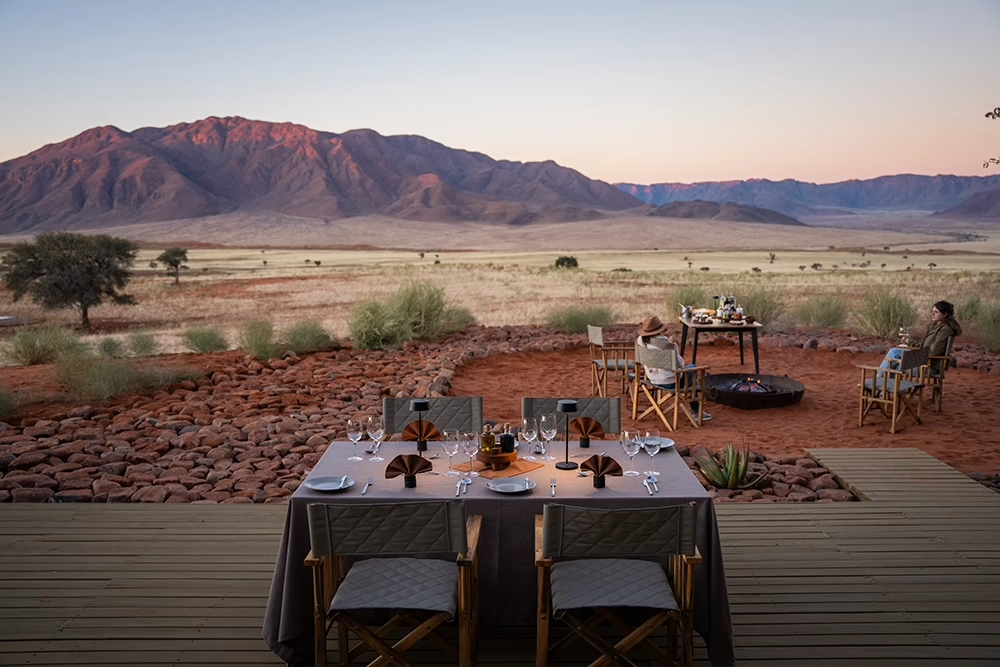
Dining is flexible at Dune Camp. You can eat privately or share a table with fellow guests if you’ve struck up a rapport. Either way, dinner is usually served in the camp’s main area, with the Silo Bar in the middle, and sundowners around the fire pit.
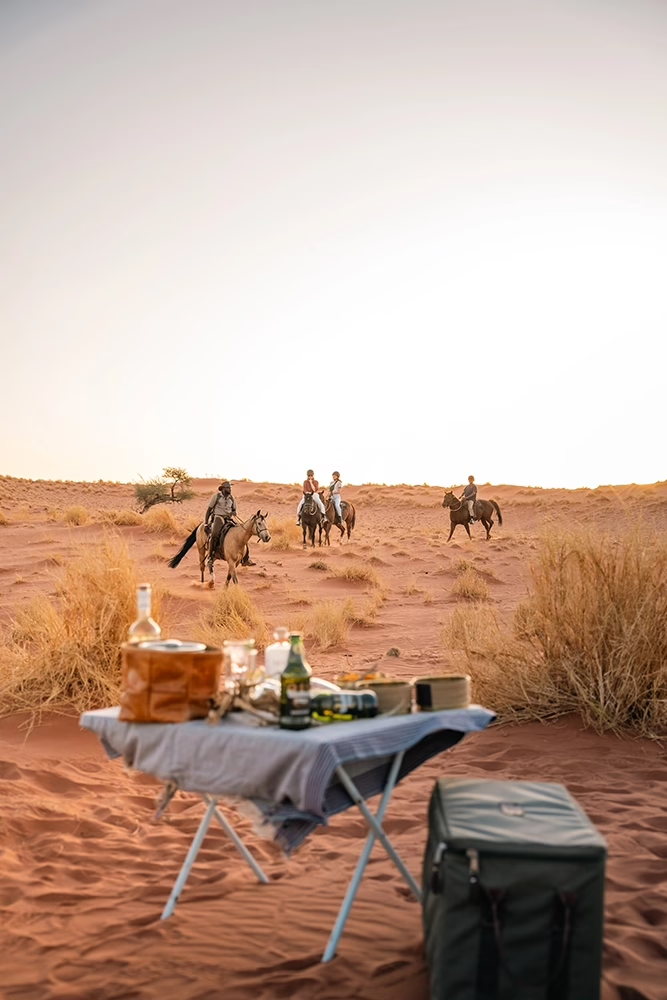
Breakfast covers all bases — cereal, fruit and cold meats for the disciplined, a cooked plate for everyone else. Lunch is often at a scenic picnic spot so you don’t need to cut activities short, but you can also dine back at camp. Dinner changes daily and could be something like soup to start, local meat (such as kudu) for mains, and a dessert that will not be mentioned again out of respect for your willpower.
Secret sauce
The NamibRand Nature Reserve is a non-profit private reserve in Namibia’s Namib Desert. It’s likely to be a shock to the senses – in the best possible way. An International Dark Sky Reserve and a Wilderness Quiet Park, the NamibRand is like a soothing salve for frazzled city folks.
Scenic drives through the dunes double as a geography lesson you’ll actually remember, mostly because nobody’s testing you on it. For a deeper understanding, head out with a Bushman guide for a walk peppered with info on medicinal plant uses and Indigenous peoples’ spiritual connections to nature.
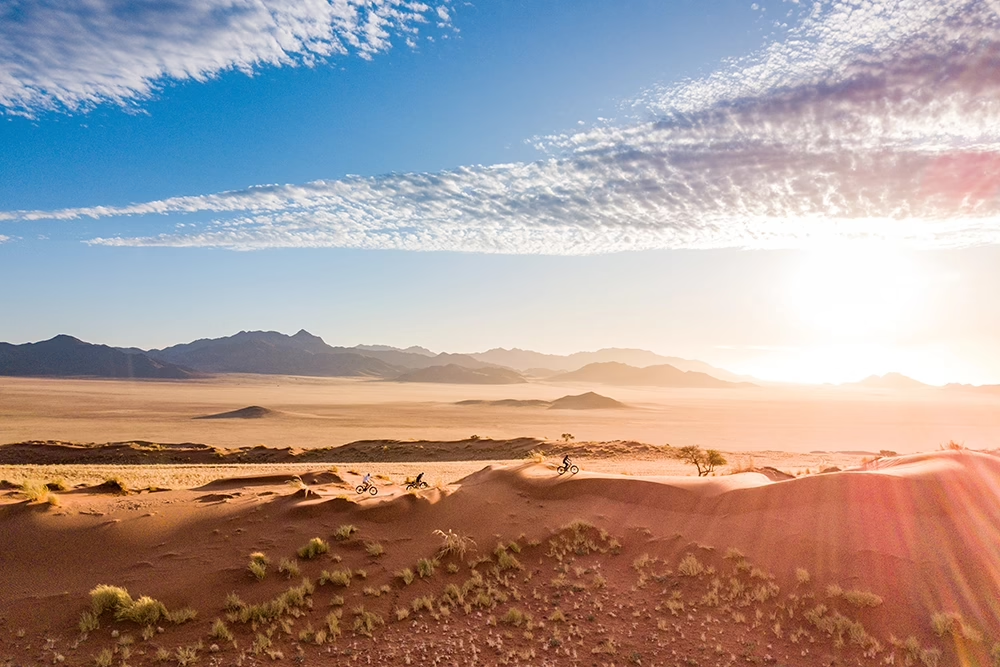
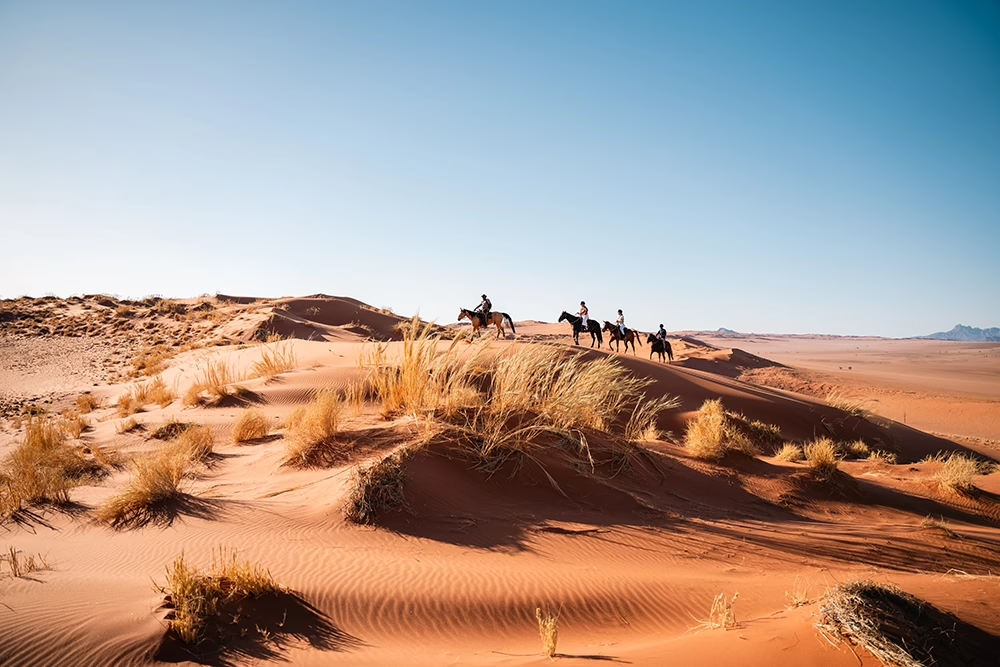
If sitting still isn’t your strong suit, the reserve offers plenty of ways to move: hop on an e-bike for an effortless cruise around the dunes, go horse riding, take flight in a hot air balloon, or sleep under the stars on your deck.
One more thing…
The edge of the Namib Desert holds a unique mystery: bare circles among the grassy plains, known very cutely as fairy circles. No one knows for sure why plants don’t grow within these sandy circles, though theories include underground gas vents and euphorbia poisoning. You can support desert research by “adopting” a fairy circle – or simply go check them out and come up with your own theory.