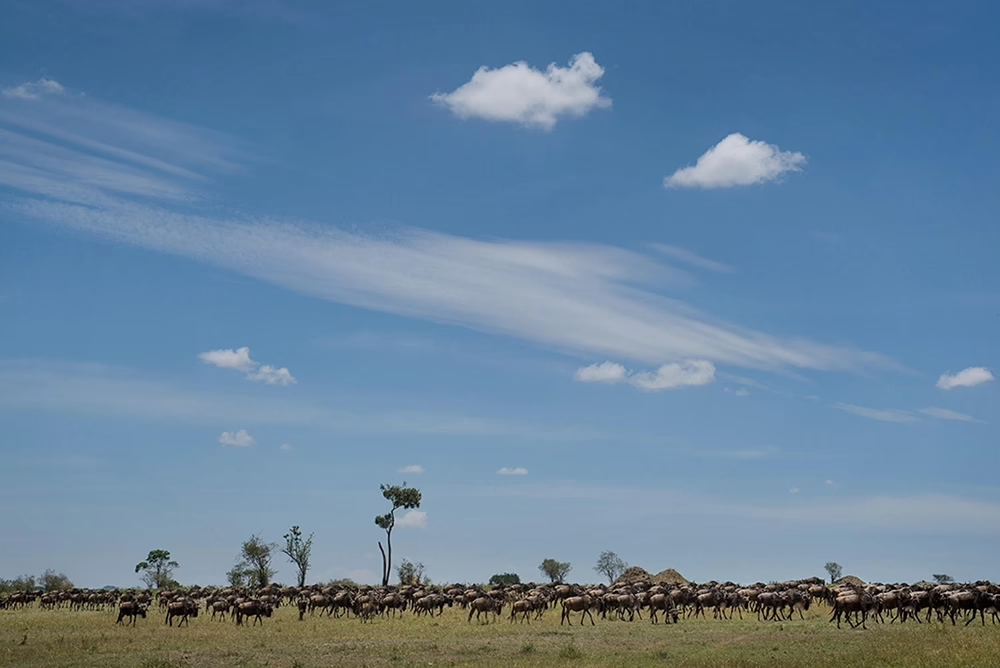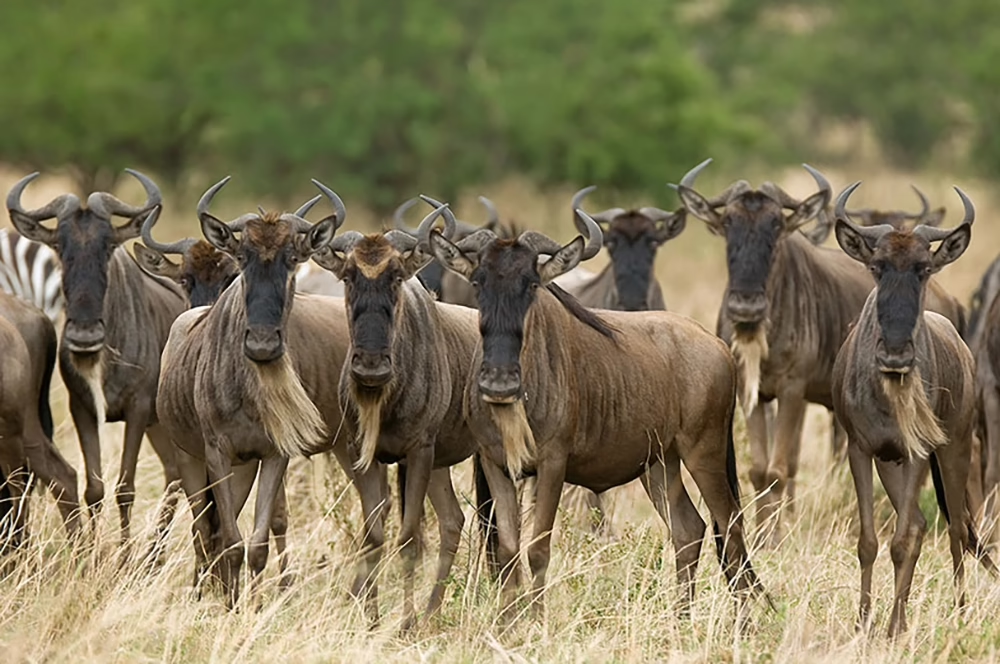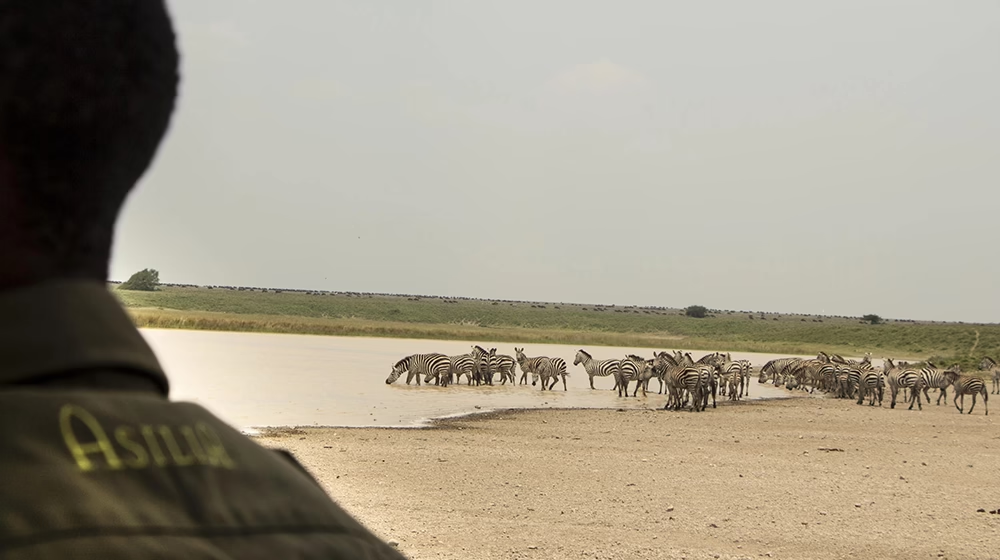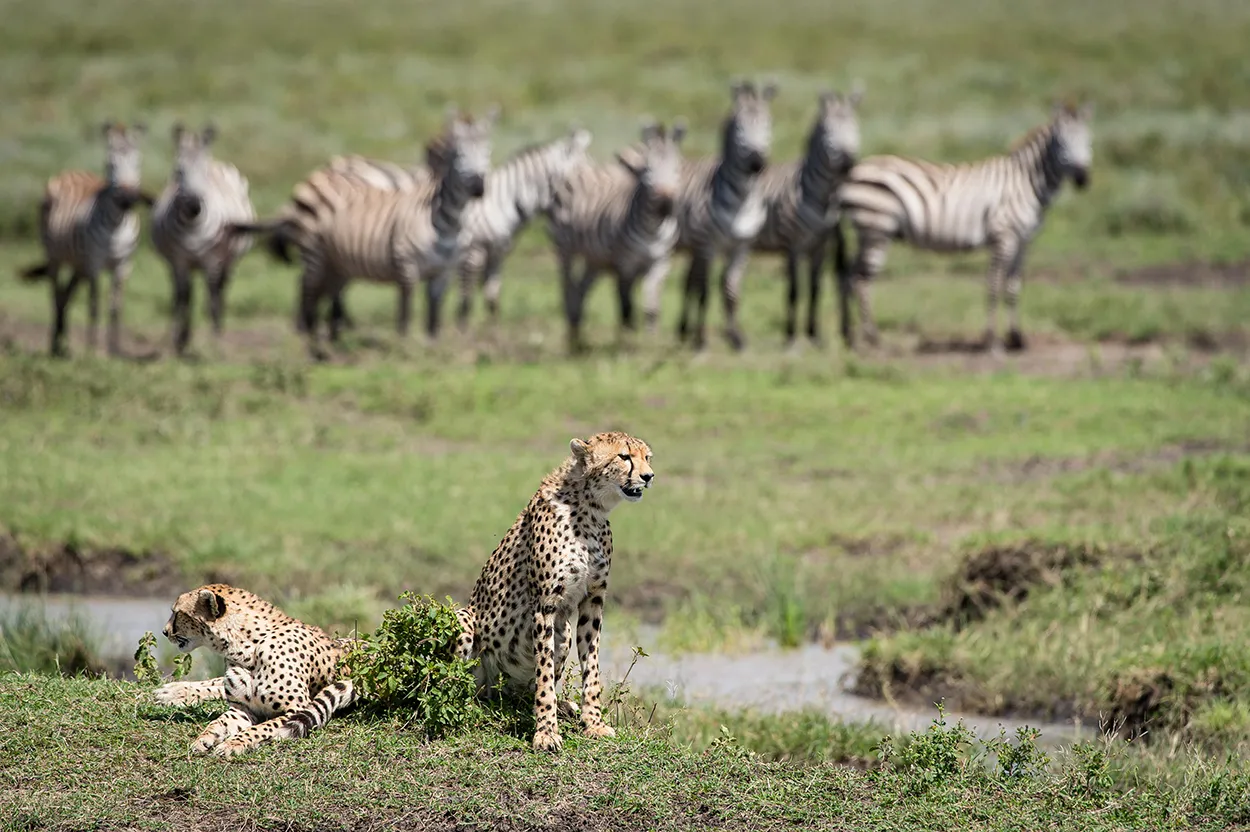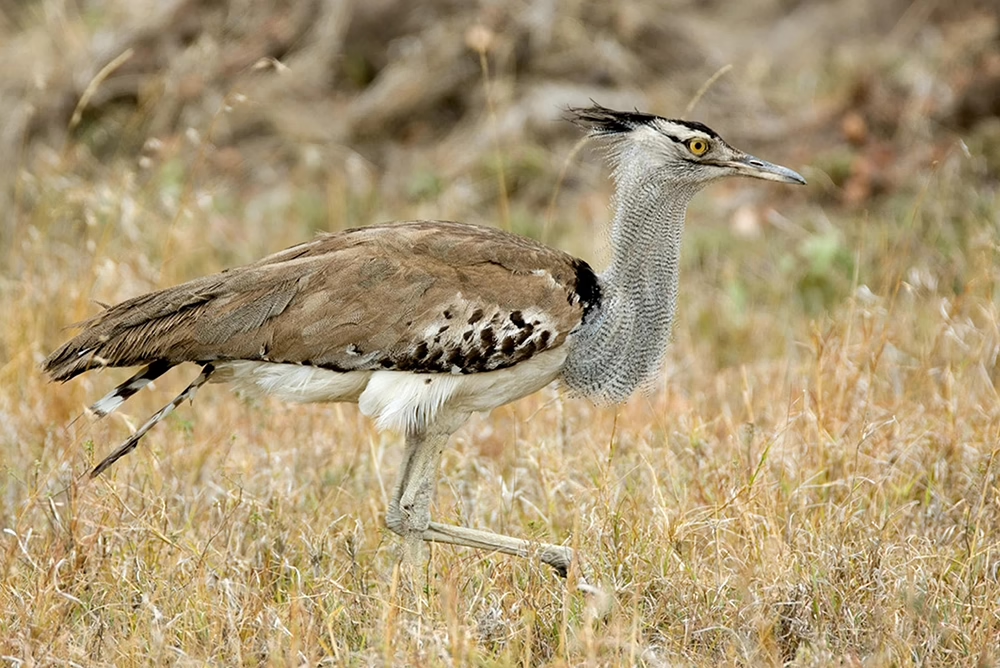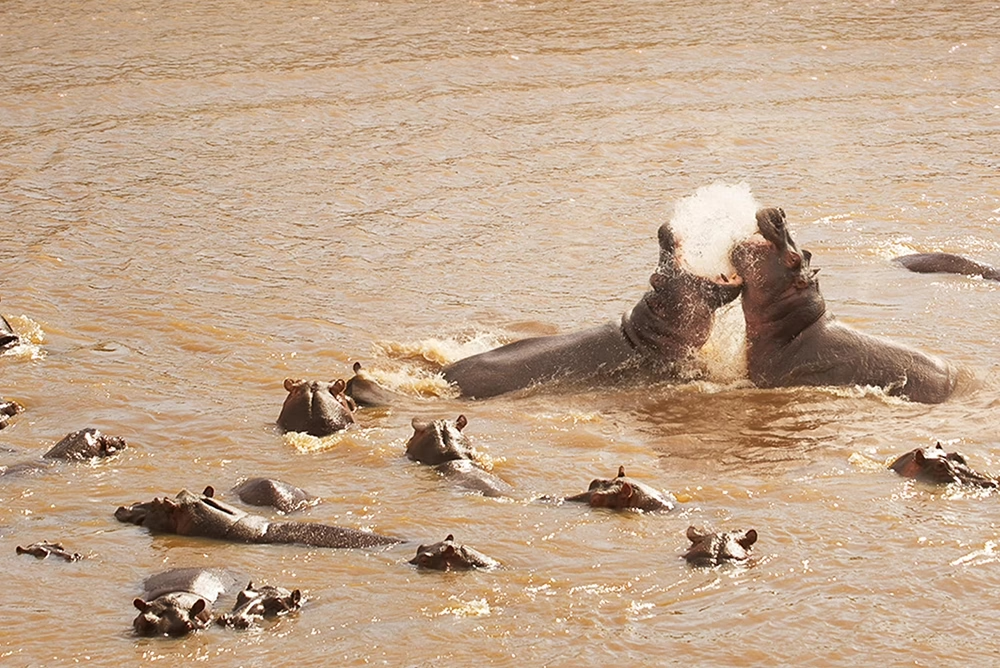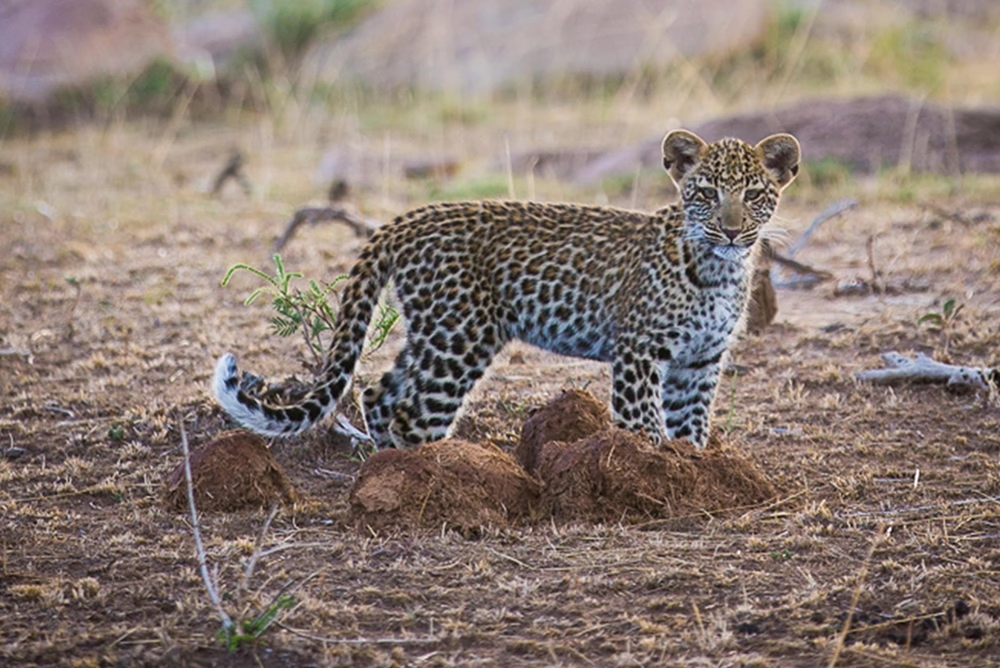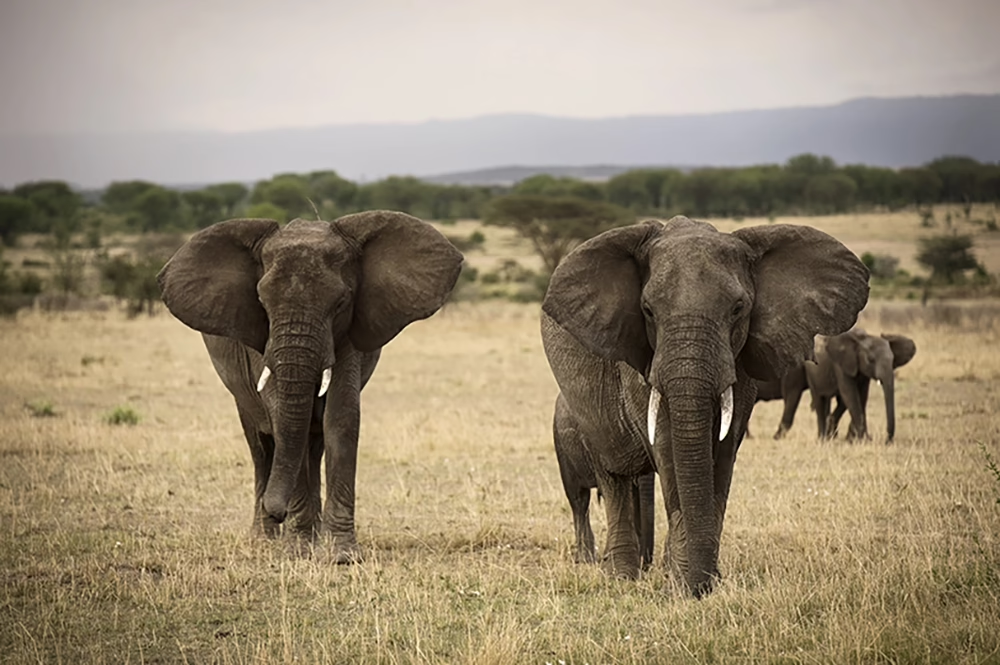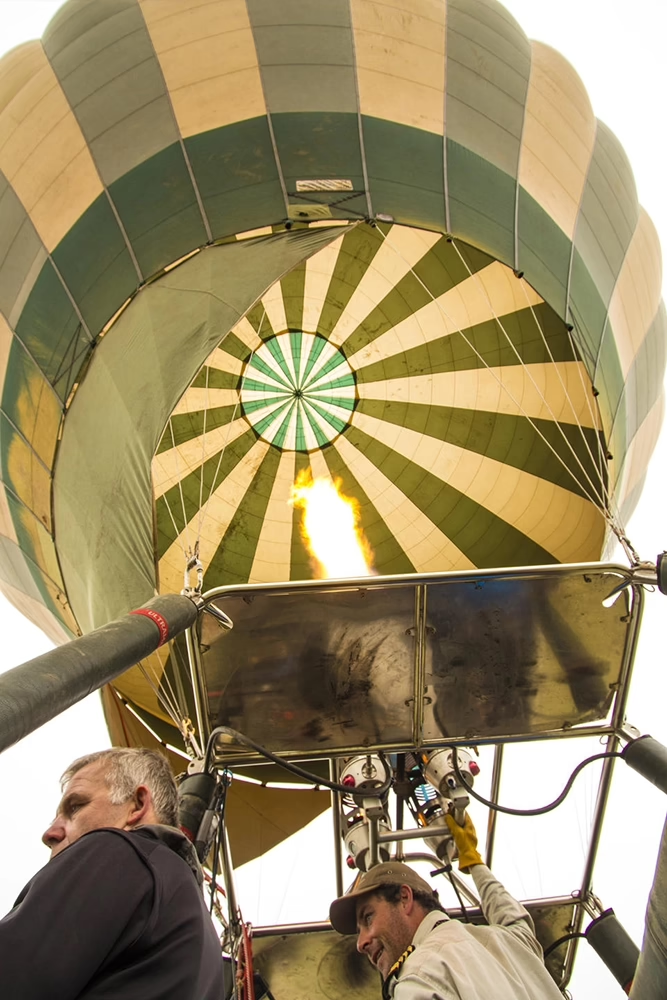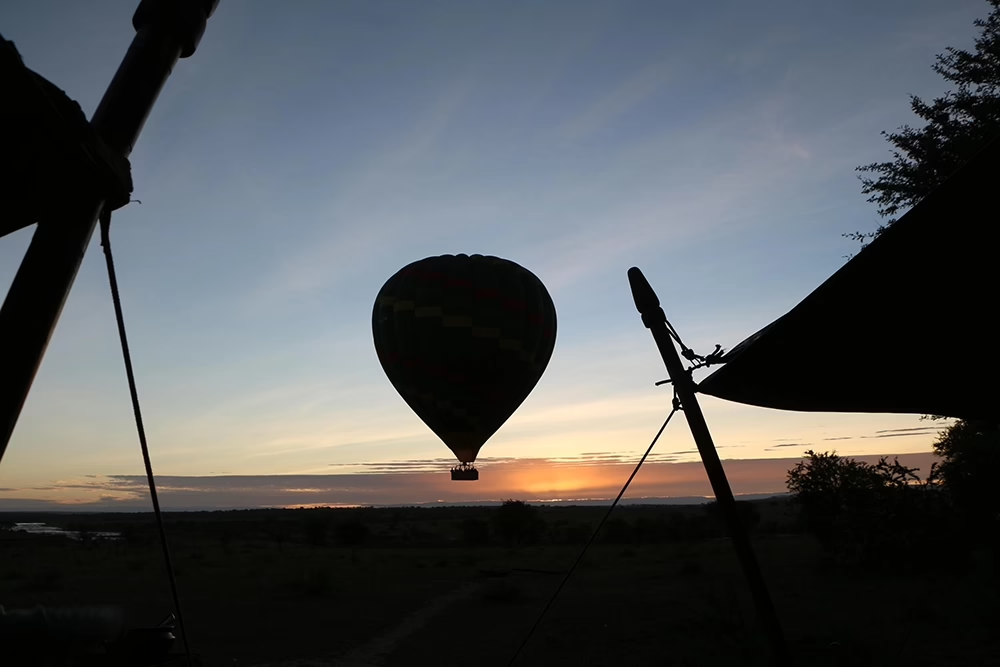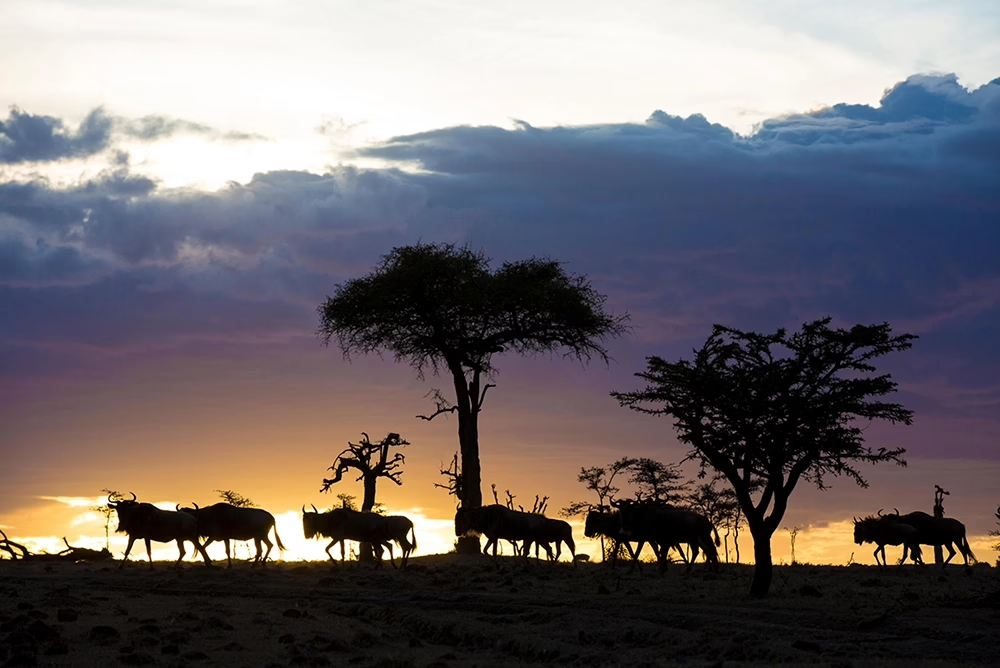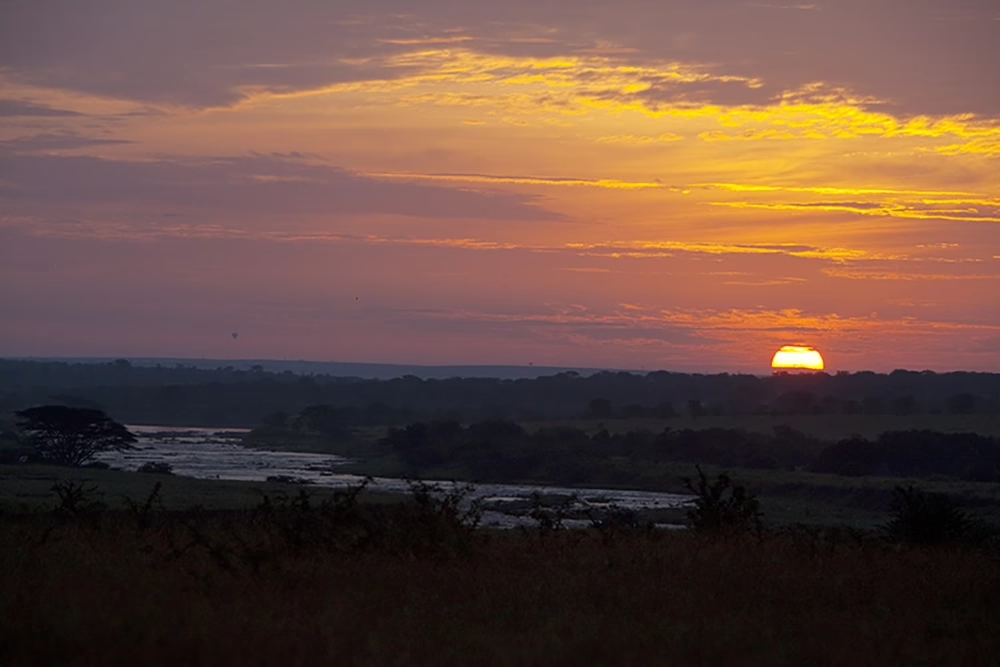
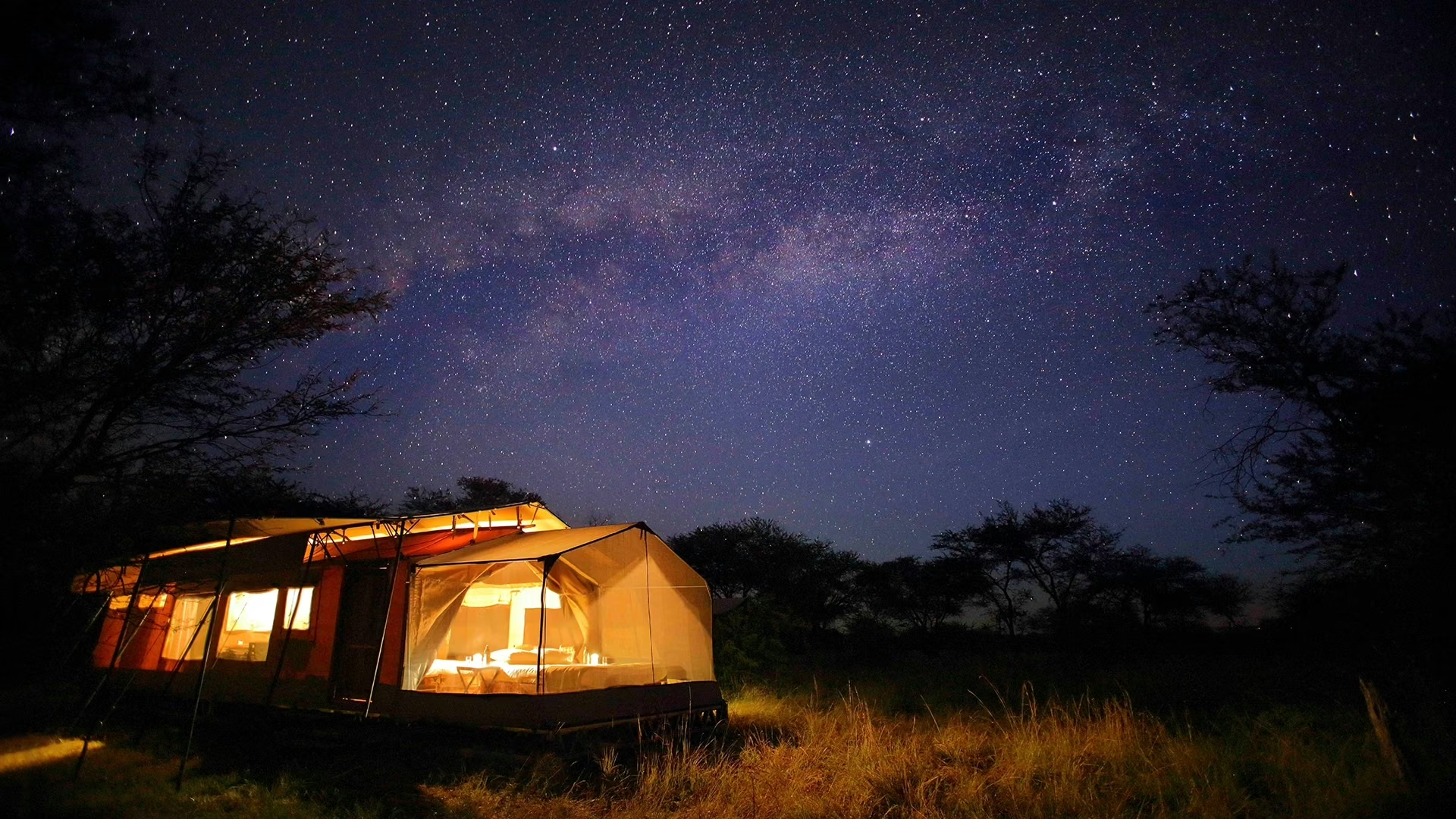
A typical day at Olakira Migration Camp could start with a full cooked breakfast served in the bush and end with you falling asleep on your own personal stargazing deck. The camp has two seasonal locations, following the wildebeest migration herds – plus the gazelles and zebras that tag along and the predators that skirt the edges – on their everlasting journey around the Serengeti. And if you’re the type of traveler that comes armed with camera lenses that can make out life in the next galaxy, be sure to book Olakira’s fully decked-out photographic vehicle.
Nesting arrangements
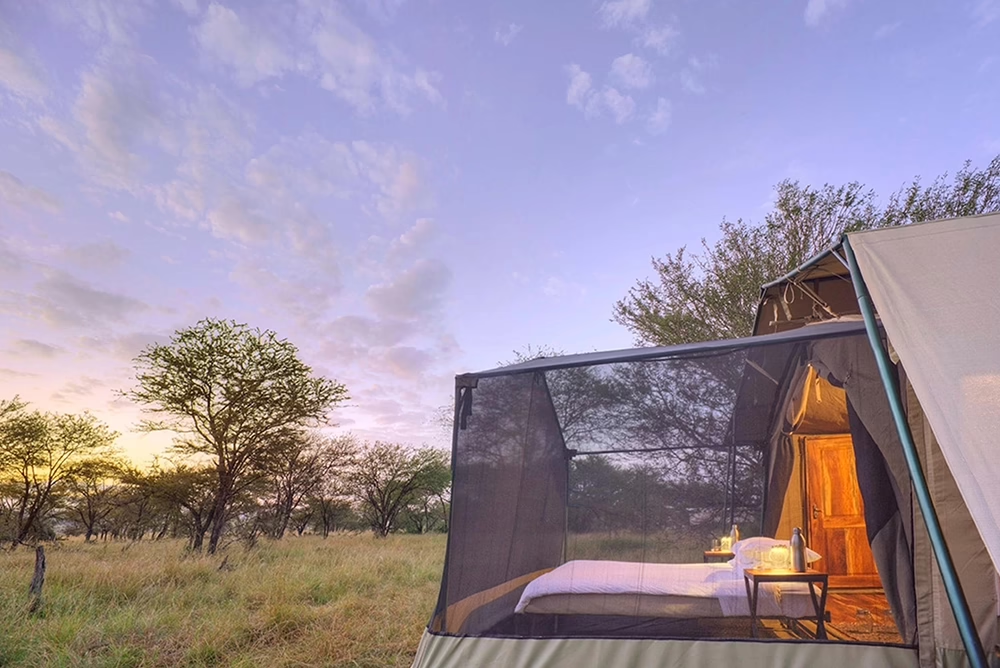
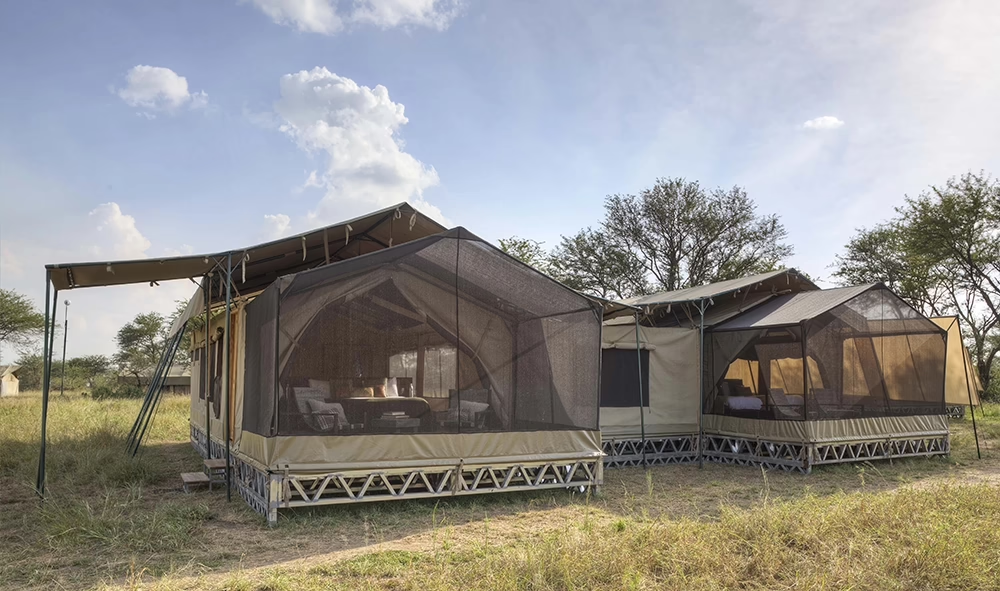
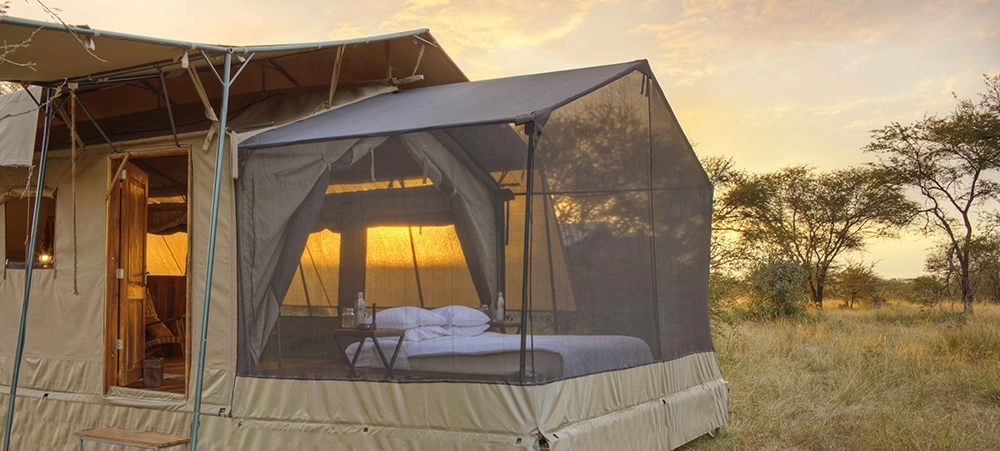
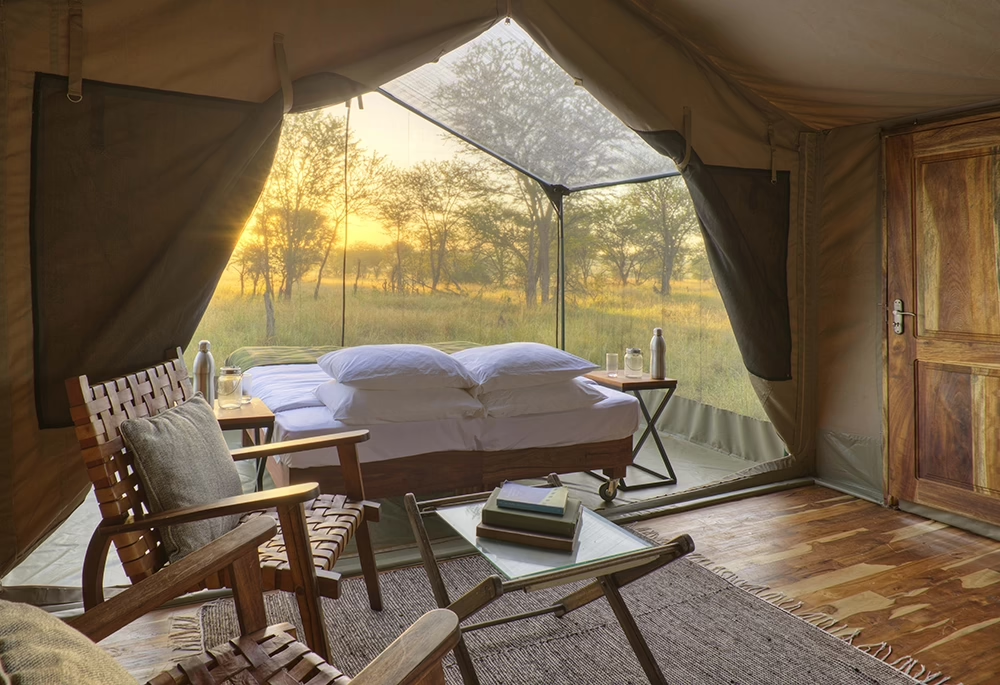
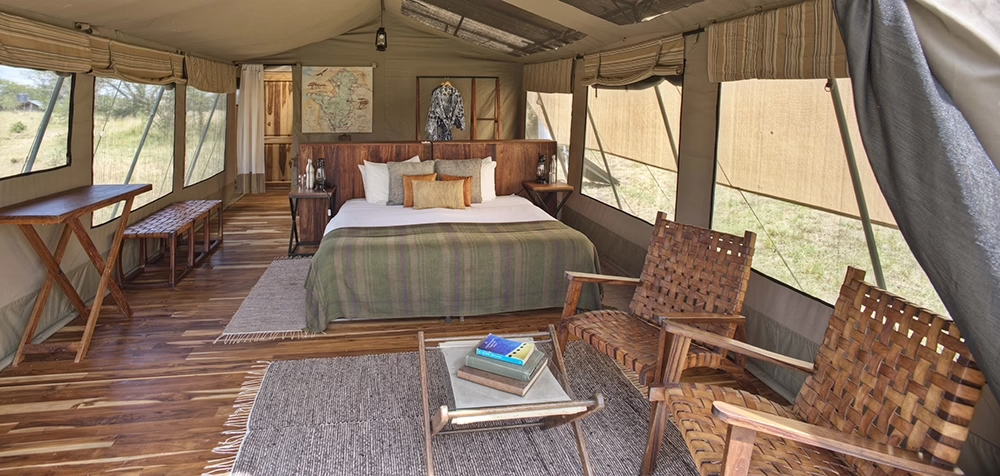
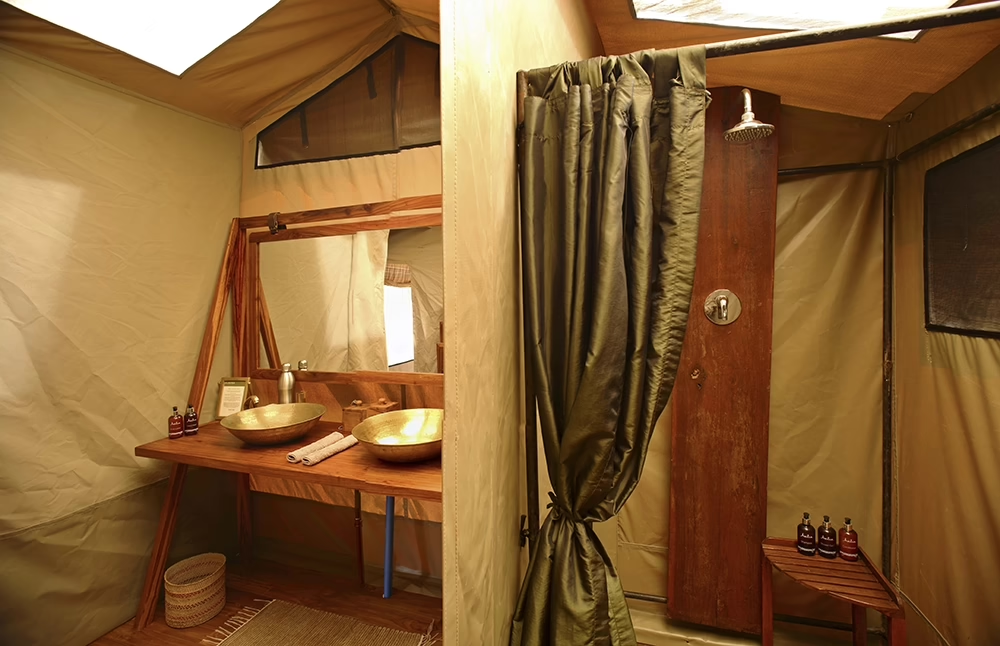
Olakira might be a semi-permanent camp, but the tents are far from fly camping vibes, with big beds, earthy-toned fabrics, ensuite bathrooms, solar-heated water, Wi-Fi, and battery charging facilities. The northern site has ten tents and two family units, while the southern site has nine tents and one family unit (kids over five are welcome).
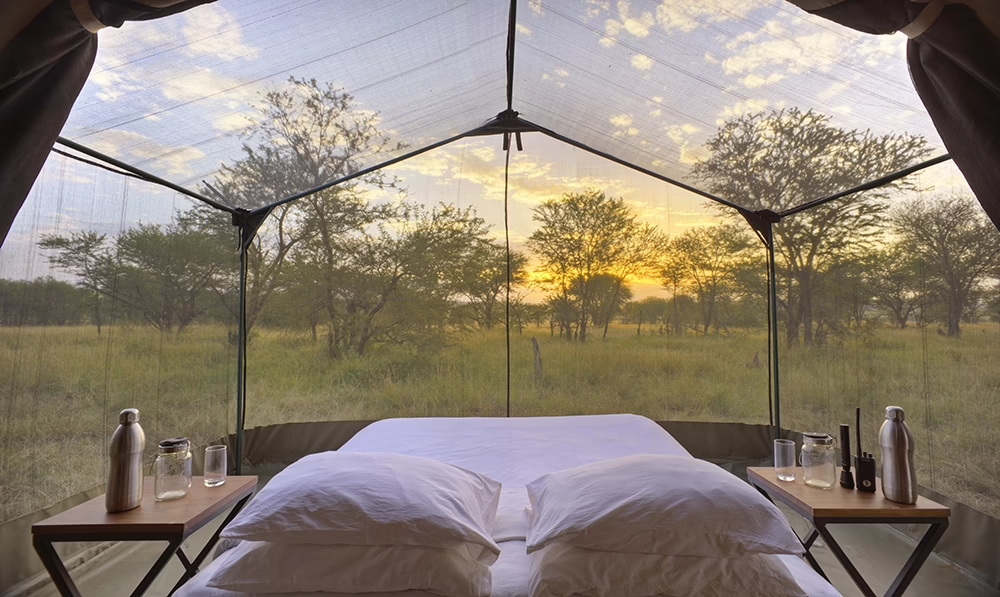
The tent decks have mesh coverings, because they’re ground level and any old animal could stroll through camp. And here’s something positively stellar: you can request a bed to be set up on the deck, so you can sleep beneath the stars.
Food philosophy
Because game drives tend to depart early, you might just have something simple like a bowl of porridge by the fire before you head out. Second breakfast, however, will be a hearty sit-down picnic in the bush with eggs cooked just the way you like them and fresh bread baked in a Dutch oven.
Otherwise, meals are served in the dining area at camp, under the shade of trees at lunch or under the stars for dinner. Food is simple and local – mains might be beef with Swahili spices or grilled tilapia. Meanwhile, the fire serves as the camp’s bar, a place to share stories with other guests or learn more from your guide.
Secret sauce
Migration camps are a Serengeti specialty, and Olakira has two very lovely locations. Stalking the herds like a painfully slow predator, the camp spends December to March in the southern Serengeti and pops up in the north between June and October.
The season from December to March is when the wildebeest drop their young in the lush grasses of the southern Serengeti; Olakira is based in Ndutu, in the Ngorongoro Conservation Area, just outside the national park. This period is what we call the “secret season” – way quieter than June to October, but with so much to see. Watch a baby wildebeest’s first wobbly steps – a captivating sight for prowling predators, too, but for very different reasons (gulp).
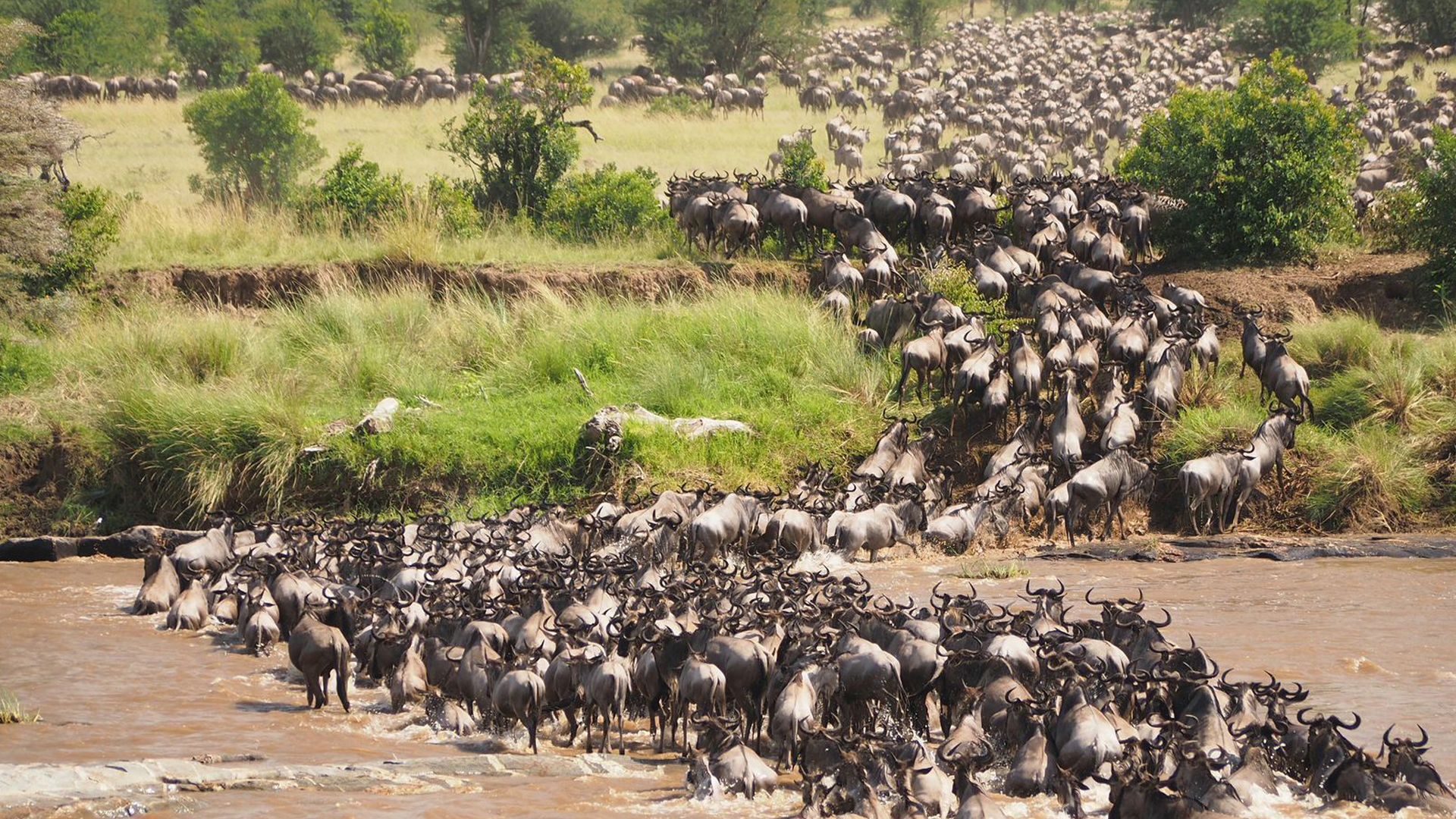
June to October is when the famous river crossings happen – this is in the northern Serengeti as the wildebeest travel into Kenya’s Maasai Mara, before returning at the end of the season. Olakira sets up camp in the Bolongonja area for this peak period, near the Mara border.
One more thing…
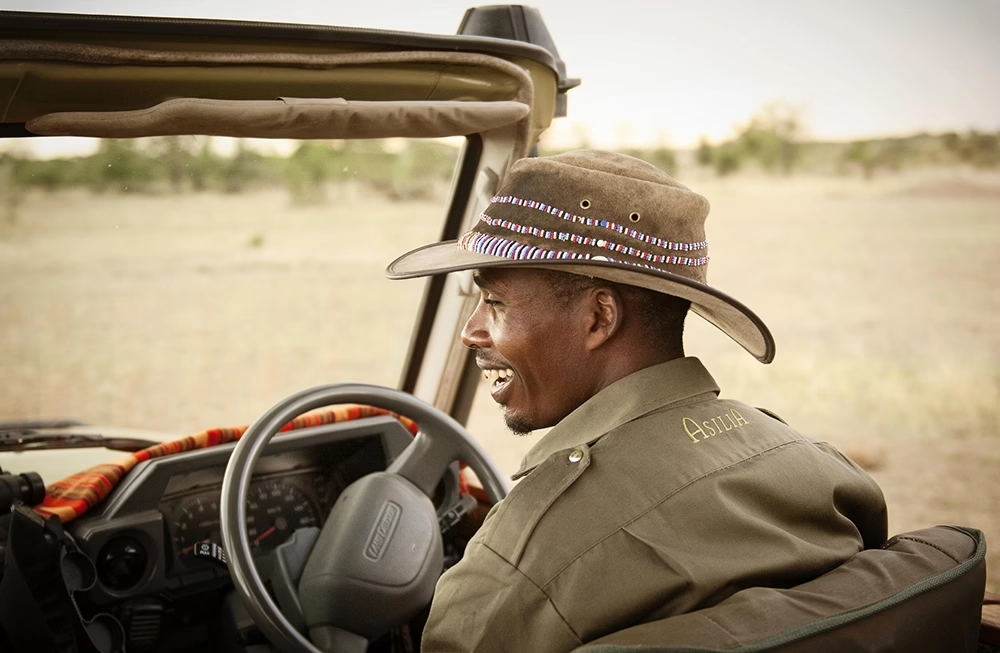
You can book the camp’s private photographic vehicle, decked out to make you feel like a pro – we’re talking swivel seats, sides that drop down so you can get on eye level with wildlife, beanbags and foam supports for your camera, charging ports…and a three-person maximum so everyone has ample space. Your guide will be an avid photographer, too – not only predicting the animal’s movements, but working with the light to maneuver your vehicle into award-winning angles.