Liuwa Plain
Start Planning
Liuwa Plain Gallery
Liuwa Plain Itineraries
Lodges in Liuwa Plain
Showing page 1 of 1 — 1 lodges
Frequently asked Questions
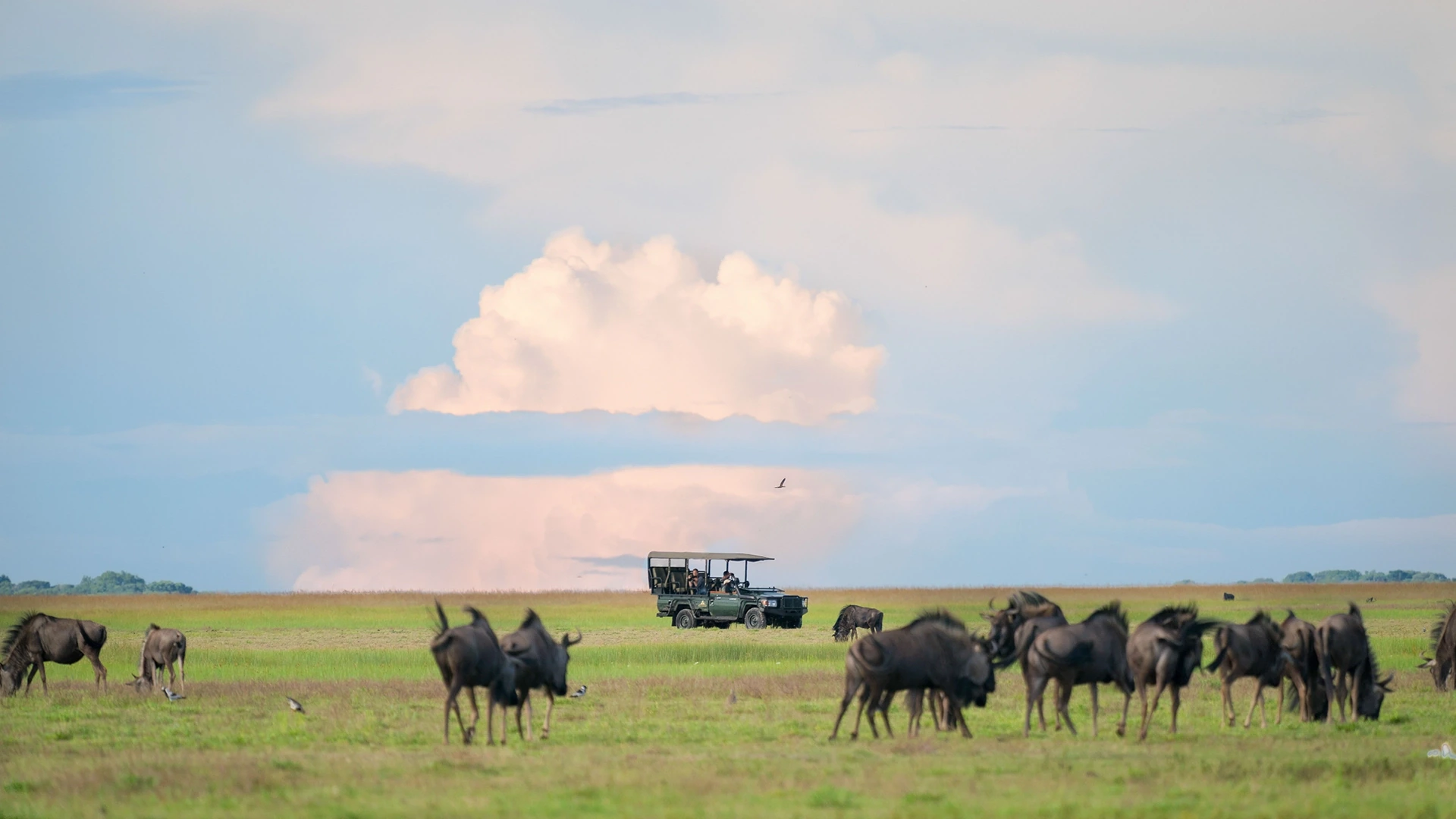
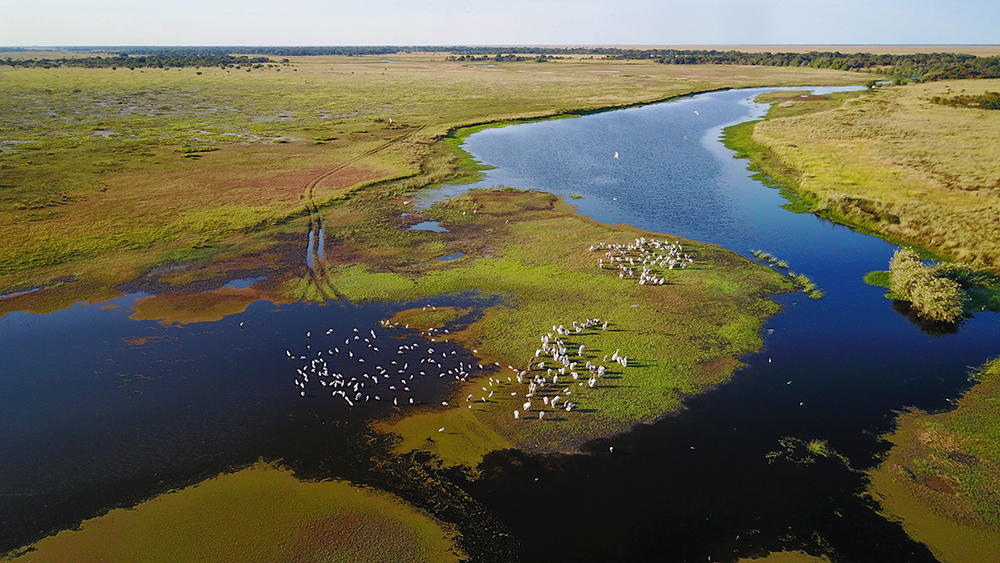
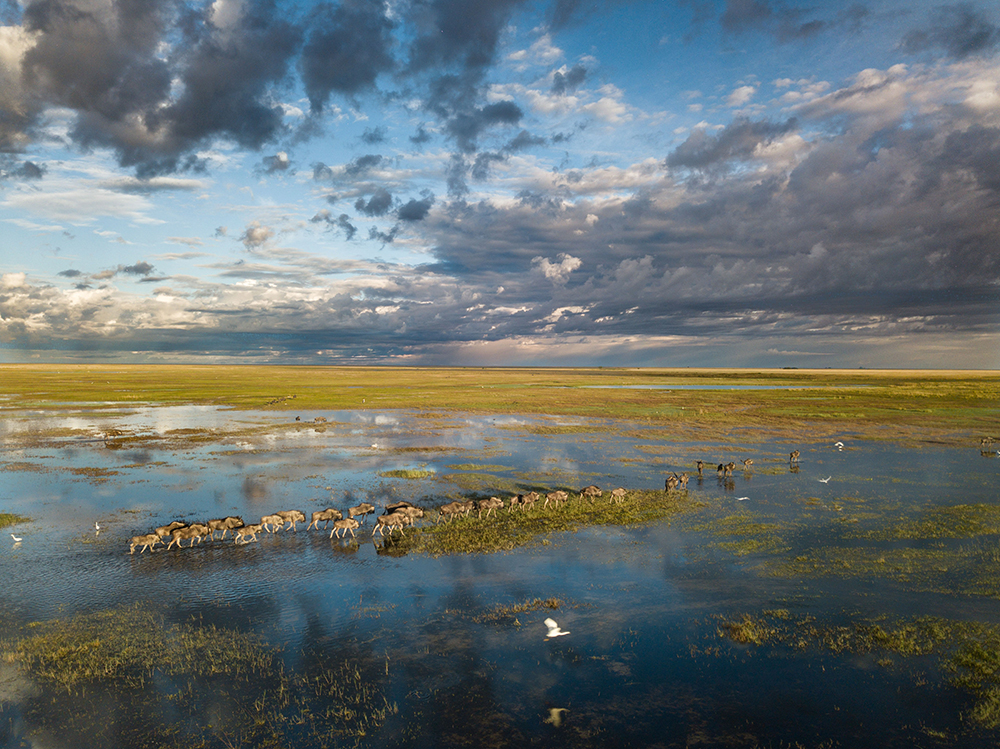
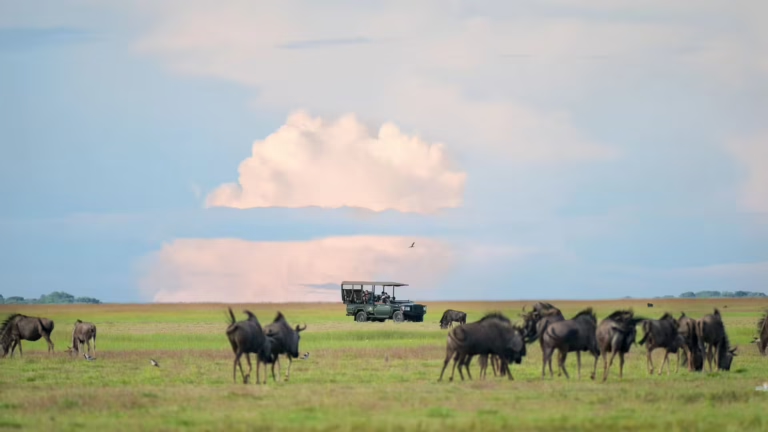
The wildebeest migration in Liuwa Plain peaks between November and early December when tens of thousands of blue wildebeest sweep across the floodplains. This is Africa’s second-largest wildebeest migration (after the Serengeti) — wilder, quieter, and far less crowded. The park is also beautiful in the green season (Nov–Apr) when rains transform the plains into an emerald carpet dotted with water channels and migratory birdlife.
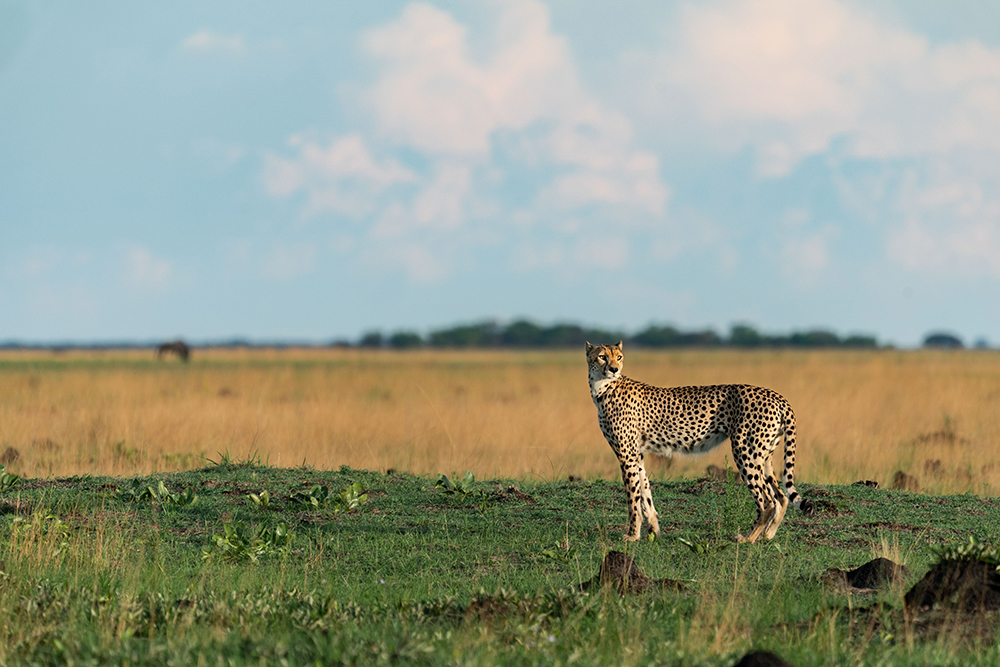
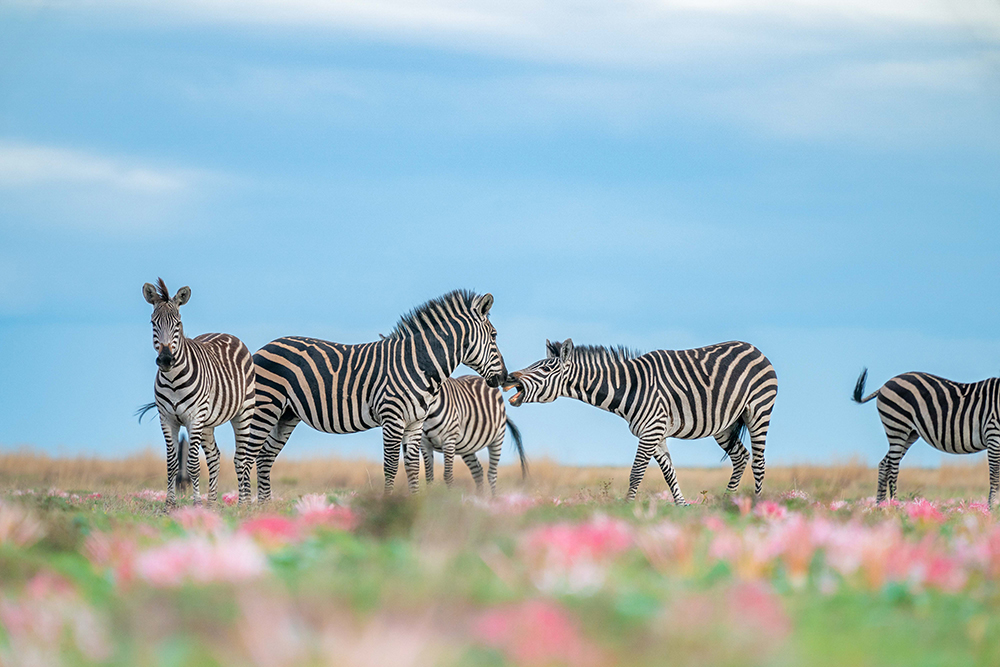
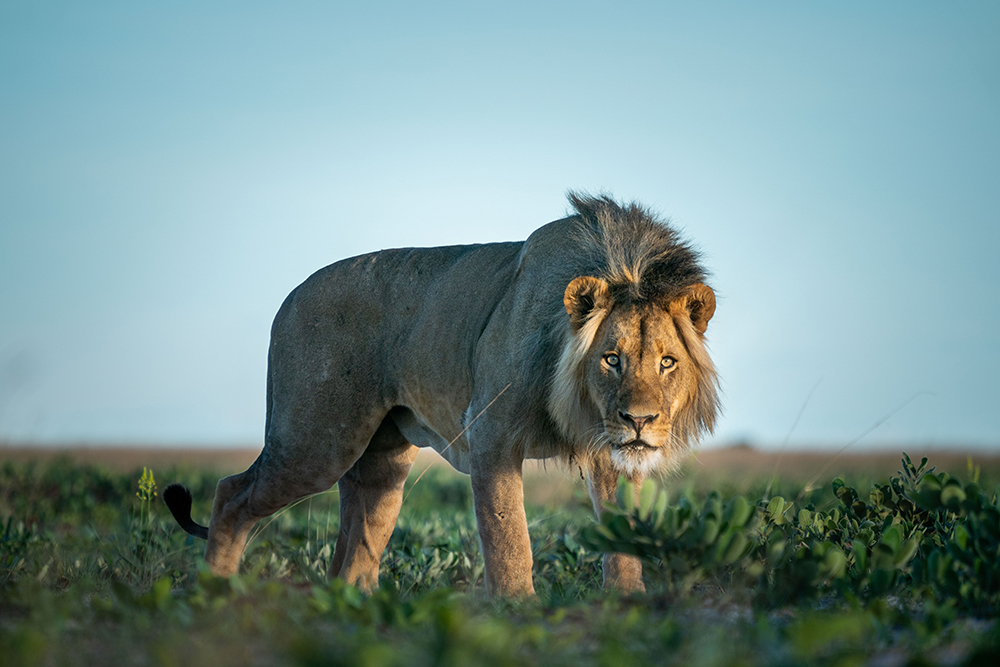
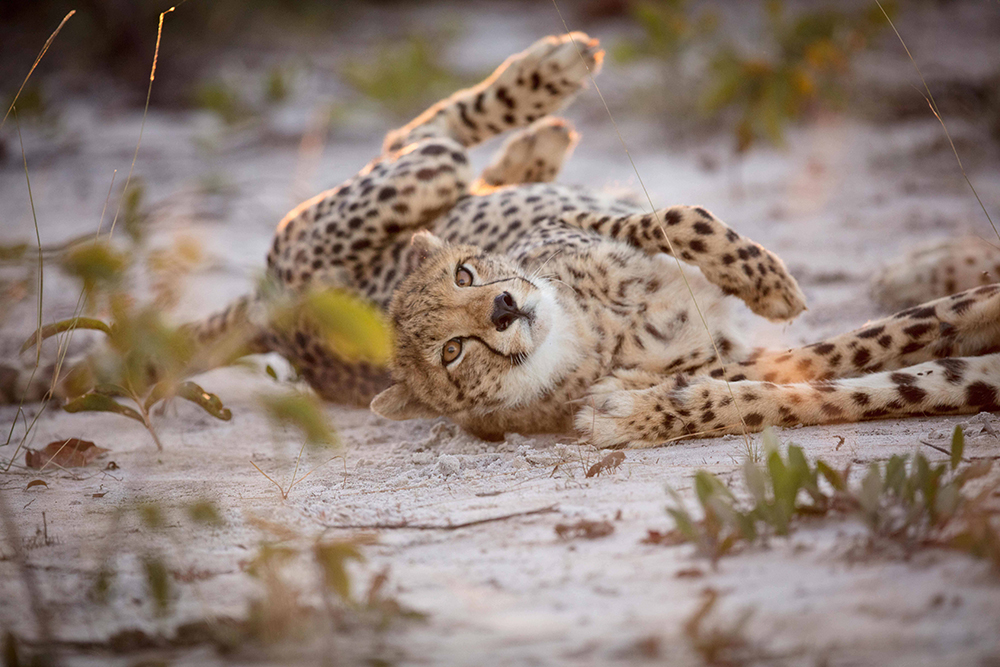
Liuwa is all about big skies, vast open plains, and unique species mixes. Of course, there’s wildebeest and zebra, the stars of the November migration. As well as other antelope such as Lichtenstein’s hartebeest, oribi, sitatunga, and reedbuck. Then you’ve got the predators. Hyenas rule here, joined by cheetahs, wild dogs, and a growing lion population. Buffalo & small herds of elephants roam the grasslands, too. Unlike the Serengeti or South Luangwa, Liuwa is untamed, less structured, and virtually tourist-free — the wildlife feels raw, wild, and entirely on its own terms.
Liuwa is one of Zambia’s most remote safari destinations, and that’s where the magic lies. The best way to get here is to take a small charter flight from Lusaka or Livingstone to Kalabo, followed by a short boat and 4×4 transfer to the camp.
Both. Liuwa is famously remote and wild, but thanks to African Parks, a handful of luxury eco-camps now operate in the park. King Lewanika Lodge is the only permanent luxury camp, and it’s with sweeping views and sleek, open-fronted villas, you’ll need to pick your jaw up from the floor.
Serengeti river crossings can be packed; in Liuwa, you often have the migration to yourself. Whilst the Serengeti boasts 1.5 million wildebeest, Liuwa’s migration is smaller (tens of thousands), but it’s raw and personal. Liuwa’s vast plains, seasonal lagoons, and dramatic storm skies make it a photographer’s dream to capture the migration. And, you might share the migration with Lozi fishermen poling dugout canoes across flooded channels — adding a layer of cultural richness missing from many parks.
Absolutely. A Zambian safari circuit pairs beautifully! A combo of big cats, rare antelope, and river safaris in Kafue; South Luangwa’s walking safaris and leopard sightings; and the wild migration spectacle of Liuwa. How amazing!
Yes — but they’re seasonal. In the wet season, you can glide through flooded channels alongside Lozi fishermen — an unforgettable way to see the park’s waterways. Because the terrain can change dramatically with the rains, these activities depend on conditions. Walking safaris are a must! Track wildlife on foot, focusing on birding, plants, and smaller mammals.
Liuwa is one of African Parks’ greatest conservation success stories. Once decimated by poaching, the park has been restored and rewilded through strict protection. Innovative “no-poaching” community reward programmes ensure locals benefit from conservation. Now species like cheetahs, wildebeest, and wattled cranes are thriving again. Liuwa represents safari done right — a model where wildlife, landscapes, and local communities all benefit.
Our Reviews
People are talking about us.
The most famous safari co. you've (probably) never heard of.
Hidden Africa

I cannot recommend Hidden Africa and Chad highly enough! From the very first conversation, Chad was attentive, knowledgeable, and genuinely … read more

Simply amazing. We have had 2 trips of a lifetime with Hidden Africa now, and plan on many more. Their … read more

Chad at Hidden Africa was absolutely wonderful to work with. We worked together to fully customized our 2 week elopement … read more

Geraldine worked with my friend Cheryl to arrange the most amazing Southern Africa trip. Geraldine even worked around some of … read more
HOW IT WORKS
Take a look around for a bit of inspiration.
Tell us what your dream safari looks like.
Next, your Personal Travel Planner will schedule a call to plan the perfect adventure.
Confirm your trip and get packing.
LET’S GET THIS SAFARI STARTED
Ready to go? Give us a shout and let’s start planning your next adventure. We’re almost as excited as you are.